
| Product Showcase | Content | ||||||||||||||||||||||
| Product Name | Cryogenic Sample Shipping Tank | ||||||||||||||||||||||
| Product Image | 
|
||||||||||||||||||||||
| Product Overview |
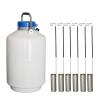
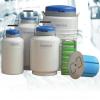
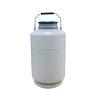
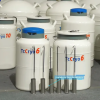
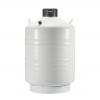
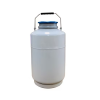
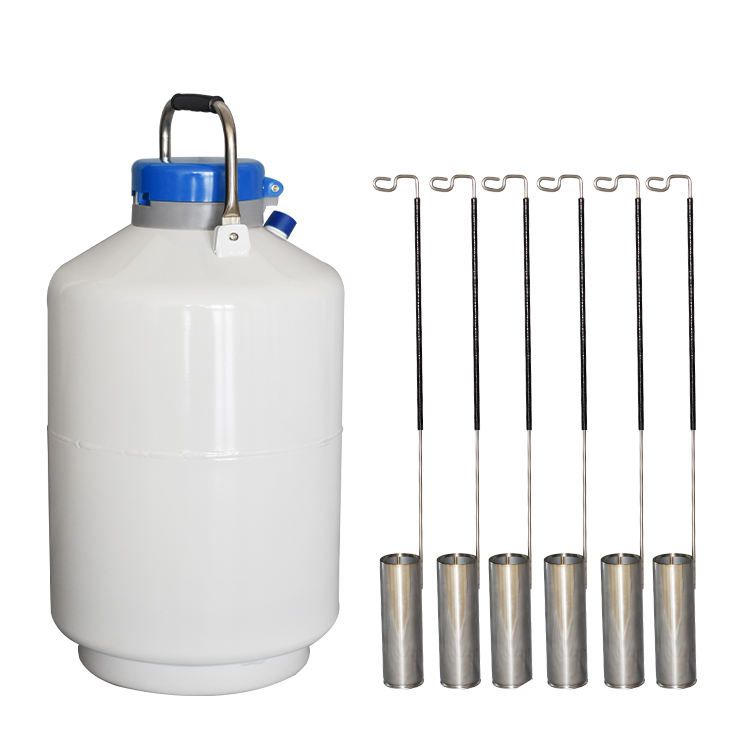
The Cryogenic Sample Shipping Tank is designed for the safe and controlled transportation of temperature-sensitive biological materials under cryogenic conditions. It is suitable for frozen semen, embryos, reproductive samples and other compatible specimens used in livestock breeding and veterinary applications. The vessel uses vacuum insulation to reduce heat transfer and support stable cryogenic conditions during transportation. Depending on the selected design, vapor-phase shipping can use an internal absorbent system to retain liquid nitrogen and reduce the risk of free liquid movement during transit. Its portable construction makes it suitable for breeding farms, boar stations, genetic centers, embryo transfer facilities, veterinary laboratories and international livestock genetics logistics. |
||||||||||||||||||||||
| Key Features |
|
||||||||||||||||||||||
| Structural Components |
|
||||||||||||||||||||||
| Working Principle / Structural Principle |
Liquid nitrogen is used to establish the required cryogenic environment. The vacuum-insulated structure reduces heat transfer from the surrounding environment, helping maintain low temperatures during transportation. For vapor-phase shipping, an internal absorbent material can retain liquid nitrogen and provide a cold vapor environment around the sample storage area. This design helps minimize the presence of free liquid during transport and supports controlled handling of biological materials. After arrival, certain dual-purpose configurations can be converted for liquid-phase storage, reducing the need to immediately transfer samples into another storage vessel. The actual operating method depends on the selected model and configuration. |
||||||||||||||||||||||
| Technical Specifications |
Final technical data, shipping qualification and applicable transport regulations should be confirmed for the selected model, sample type and destination before shipment. |
||||||||||||||||||||||
| Applications |
The Cryogenic Sample Shipping Tank is suitable for professional livestock genetics and biological sample logistics, including:
|
||||||||||||||||||||||
| Customization Options |
The cryogenic shipping system can be configured for livestock breeding companies, agricultural engineering contractors, distributors and international project procurement.
|
||||||||||||||||||||||
| Installation & Maintenance |
Installation: The shipping tank is a portable unit and normally requires no permanent connection to a pig house, steel structure building or farm utility system. Place it on a stable surface before filling and sample loading. Pre-conditioning: Vapor shippers require proper charging or pre-cooling procedures before use. Follow the selected model's operating instructions and allow sufficient conditioning time before loading valuable biological samples. Handling: Keep the vessel upright and protect it from impact, tipping and excessive vibration. Use an appropriate protective shipping container when required by the transportation method. Maintenance: Inspect the outer vessel, neck tube, lid, handles and protective accessories regularly. Check for abnormal frost, physical damage or changes in holding performance before each important shipment. Safety: Liquid nitrogen can cause severe cold burns and oxygen displacement. Use suitable cryogenic PPE, adequate ventilation and approved handling procedures. Transportation must comply with the applicable requirements for the shipment and destination. |
||||||||||||||||||||||
| Product FAQ |
Q1: What is a cryogenic sample shipping tank used for? It is used to transport temperature-sensitive biological samples under cryogenic conditions, including livestock semen, embryos and compatible reproductive materials. Q2: Can it be used for pig breeding projects? Yes. It is suitable for transporting frozen semen and reproductive materials between commercial pig farms, boar stations, breeding centers and genetic facilities. Q3: What is the difference between vapor and liquid shipping? Vapor shipping uses a cryogenic vapor environment and, in suitable dry-shipper designs, an internal absorbent system to retain liquid nitrogen. Liquid shipping keeps samples in a liquid nitrogen environment. The appropriate method depends on the sample, tank design and transport requirements. Q4: Can the tank be used after it reaches the destination? Selected dual-purpose configurations can also support liquid-phase sample storage after arrival, reducing the need for immediate sample transfer. Q5: Can the internal sample storage system be customized? Yes. Canister quantity, cane arrangement and compatible sample carriers can be configured according to sample type and project requirements. Q6: Can it be used for international transportation? Yes, subject to the selected model, shipping configuration, sample classification and destination regulations. Applicable transport documentation or certification can be provided according to project requirements. |
||||||||||||||||||||||
| Product Gallery |
 |
- Home
-
Products
- Pig Farming Equipment
- Cattle Farming Equipment
- Sheep & Goat Farming Equipment
- Poultry Farming Equipment
- Feeding & Drinking Systems
- Veterinary & Breeding Equipment
- Testing & Diagnostic Equipment
- Cleaning & Biosecurity Equipment
- Climate Control Equipment
- Livestock Weighing Equipment
- Manure & Waste Management
- Farm Transport & Handling
-
Solutions
- Pig Farm Solutions
- Dairy Farm Solutions
- Beef Cattle Farm Solutions
- Sheep & Goat Farm Solutions
- Layer Farm Solutions
- Broiler Farm Solutions
- Feeding & Drinking System Solutions
- Climate Control Solutions
- Biosecurity & Disinfection Solutions
- Manure & Waste Management
- Smart Farming Solutions
- Farm Renovation and Upgrade Solutions
- Partners
- Projects
- Resources
- News
- About Us
- Contact

Comments & Inquiries
Leave your questions or requirements below. We will reply as soon as possible.