
| Product Showcase | Content | ||||||||||||||||||||
| Product Name | Embryo Storage Liquid Nitrogen Tank | ||||||||||||||||||||
| Product Image | 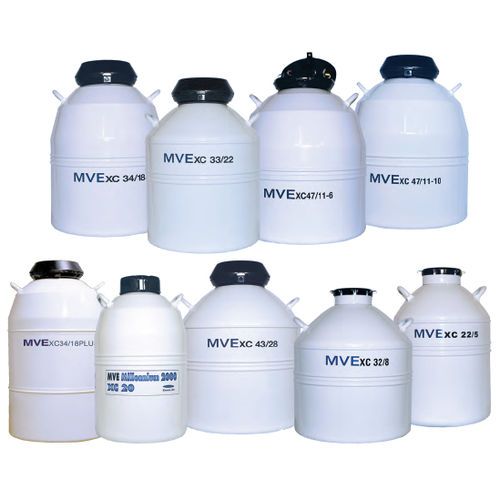
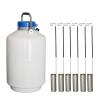
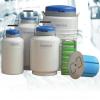
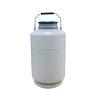
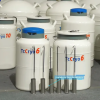
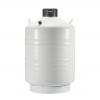
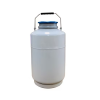
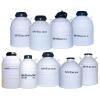
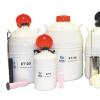
Representative cryogenic storage tank configuration. Final appearance, capacity and internal storage arrangement can be customized according to project requirements. |
||||||||||||||||||||
| Product Overview |
The Embryo Storage Liquid Nitrogen Tank provides a controlled cryogenic environment for preserving frozen embryos used in livestock reproduction and genetic improvement programs. Its vacuum-insulated construction helps reduce heat transfer and supports efficient liquid nitrogen storage. It is suitable for commercial pig farms, livestock breeding centers, nucleus farms, veterinary reproductive facilities and agricultural genetics projects. Compatible canisters or storage assemblies allow embryos to be organized for identification, inventory control and retrieval. The compact storage format can be integrated into dedicated genetics, embryo transfer or veterinary areas without requiring permanent connection to a pig house, steel structure building or other farm structure. |
||||||||||||||||||||
| Key Features |
|
||||||||||||||||||||
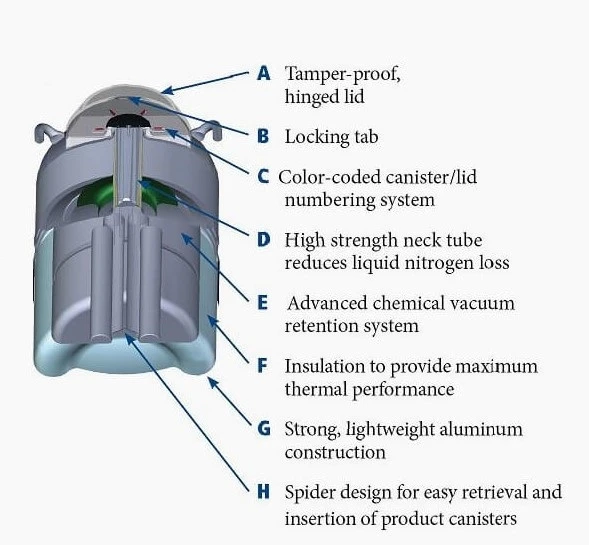
| Structural Components |
|
||||||||||||||||||||
| Working Principle / Structural Principle |
Liquid nitrogen is stored inside the inner reservoir to provide the ultra-low-temperature environment required for cryogenic embryo preservation. The vacuum-insulated space around the reservoir limits heat transfer from the surrounding environment. Frozen embryos are stored in compatible straws, vials or carrier systems and arranged inside dedicated canisters or racks. The insulated neck and lid arrangement helps minimize unnecessary heat exchange during normal storage and handling. The internal organization system allows operators to manage embryo inventory according to donor, genetic line, collection batch, date or project reference. |
||||||||||||||||||||
| Technical Specifications |
Final specifications should be confirmed against the selected model and project requirements before procurement. |
||||||||||||||||||||
| Applications |
The Embryo Storage Liquid Nitrogen Tank is suitable for professional livestock reproductive and genetic management applications, including:
|
||||||||||||||||||||
| Customization Options |
The storage system can be configured for different livestock breeding scales, inventory management methods and project environments.
|
||||||||||||||||||||
| Installation & Maintenance |
Installation: The tank is normally used as a floor-standing or movable cryogenic storage unit. No permanent connection to the pig house, steel structure building or farm building is normally required. Place the tank on a stable, level surface in a clean, dry and well-ventilated area. Layout: For commercial livestock projects, a dedicated genetics, embryo transfer or veterinary service area is recommended. Adequate working clearance should be provided for LN2 filling, lid operation and sample retrieval. Maintenance: Monitor the liquid nitrogen level regularly, inspect the tank and neck area for abnormal frost or physical damage, keep the lid correctly positioned and maintain accurate embryo inventory records. Safety: Liquid nitrogen can cause severe cold burns and may displace oxygen in confined or poorly ventilated areas. Suitable cryogenic PPE, safe handling procedures and adequate ventilation are required. |
||||||||||||||||||||
| Product FAQ |
Q1: What is an embryo storage liquid nitrogen tank used for? It is used to preserve frozen embryos and compatible livestock genetic materials in a controlled liquid nitrogen cryogenic environment. Q2: Is it suitable for commercial pig breeding projects? Yes. It can be used in commercial swine farms, nucleus breeding farms, reproductive centers and integrated livestock genetics programs. Q3: How should the tank capacity be selected? Capacity should be selected according to current embryo inventory, expected inventory growth, retrieval frequency, available floor space and the farm's reproductive management workflow. Q4: Can the internal storage arrangement be customized? Yes. Canister quantity, storage arrangement and compatible embryo container configurations can be selected according to the tank model and project requirements. Q5: Does the tank require permanent installation? Normally, no permanent installation is required. A stable surface, adequate ventilation and sufficient working clearance are the primary installation requirements. Q6: Can it be supplied for overseas livestock projects? Yes. Product configuration, export packaging and supporting documentation can be arranged according to project requirements and destination conditions. |
||||||||||||||||||||
| Product Gallery |
 |
- Home
-
Products
- Pig Farming Equipment
- Cattle Farming Equipment
- Sheep & Goat Farming Equipment
- Poultry Farming Equipment
- Feeding & Drinking Systems
- Veterinary & Breeding Equipment
- Testing & Diagnostic Equipment
- Cleaning & Biosecurity Equipment
- Climate Control Equipment
- Livestock Weighing Equipment
- Manure & Waste Management
- Farm Transport & Handling
-
Solutions
- Pig Farm Solutions
- Dairy Farm Solutions
- Beef Cattle Farm Solutions
- Sheep & Goat Farm Solutions
- Layer Farm Solutions
- Broiler Farm Solutions
- Feeding & Drinking System Solutions
- Climate Control Solutions
- Biosecurity & Disinfection Solutions
- Manure & Waste Management
- Smart Farming Solutions
- Farm Renovation and Upgrade Solutions
- Partners
- Projects
- Resources
- News
- About Us
- Contact






Comments & Inquiries
Leave your questions or requirements below. We will reply as soon as possible.