



| Product Showcase | Content | ||||||||||||||||||||
| Product Name | Cattle Pregnancy Diagnosis Equipment Kit | ||||||||||||||||||||
| Product Image |  |
||||||||||||||||||||
| Product Overview |
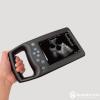
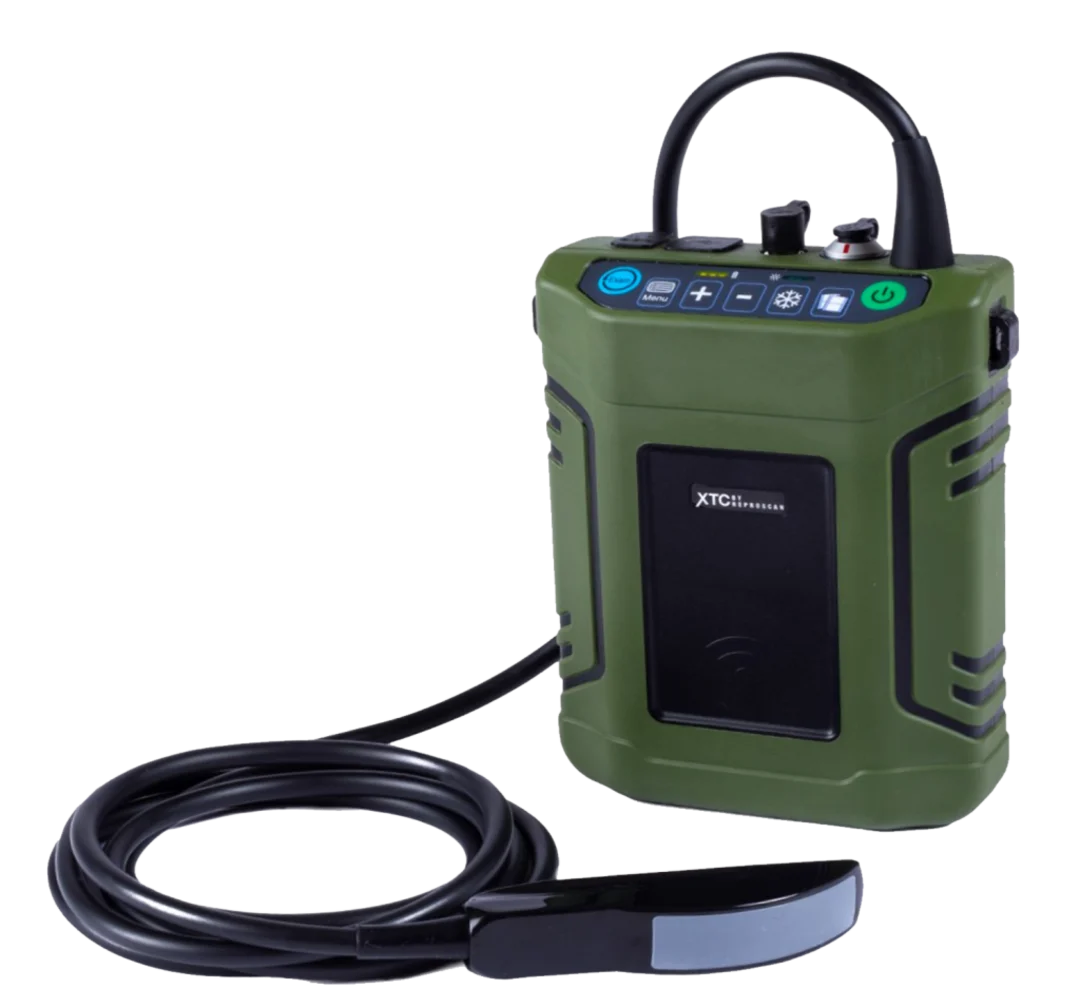
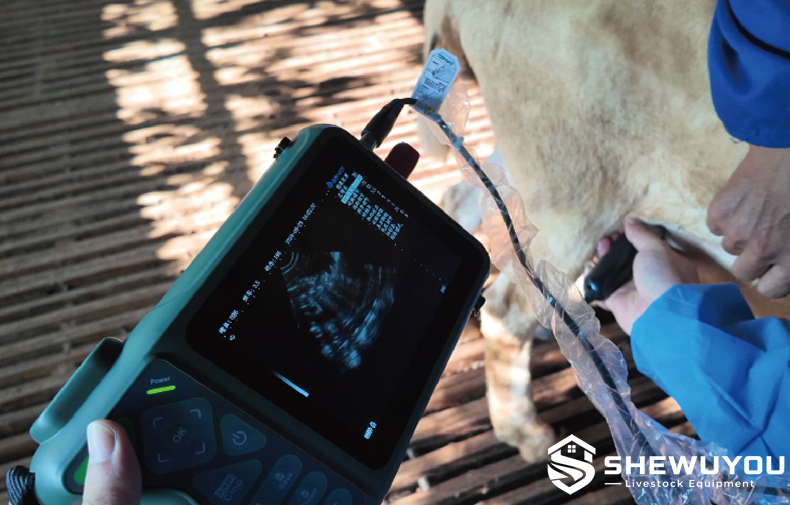
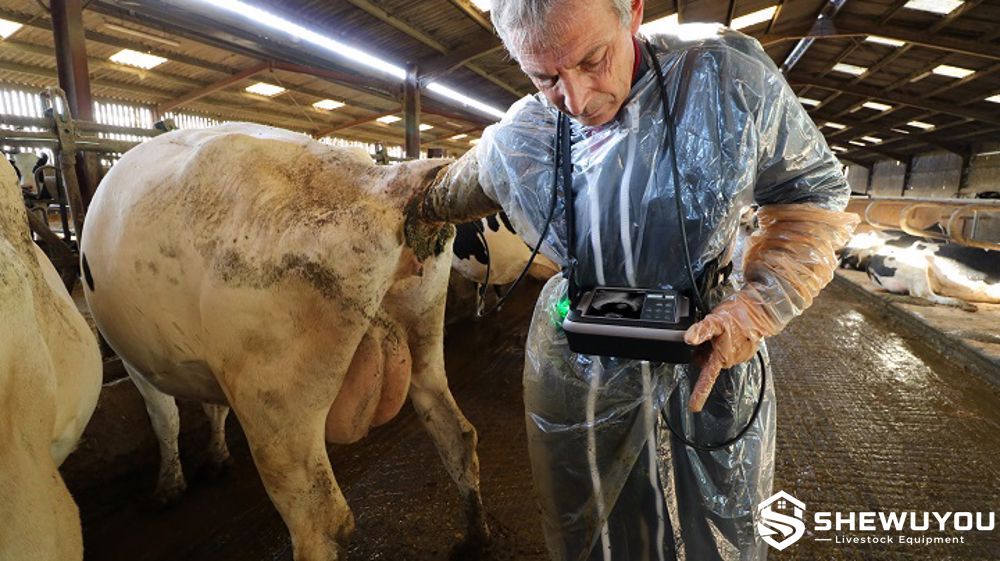
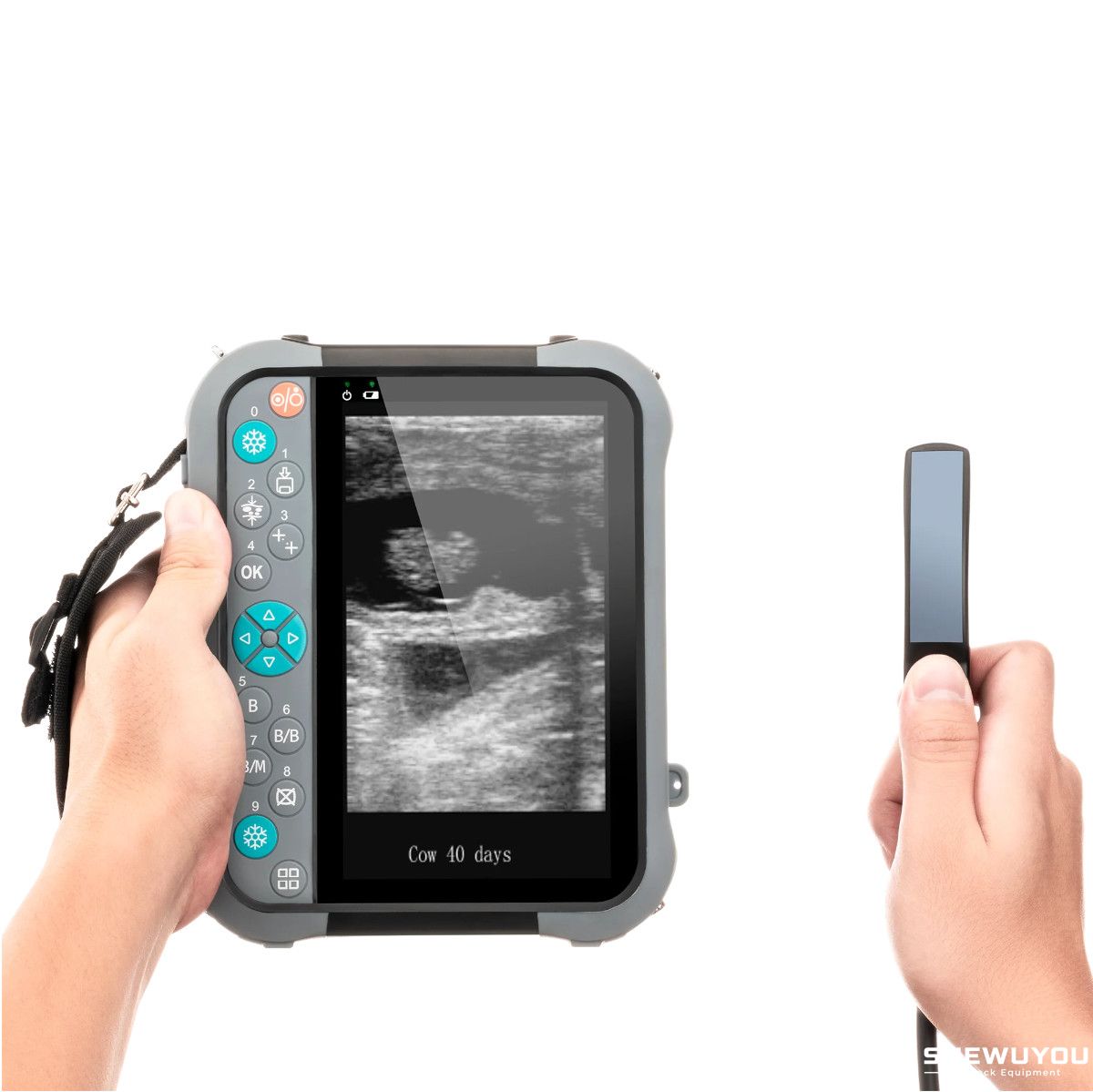
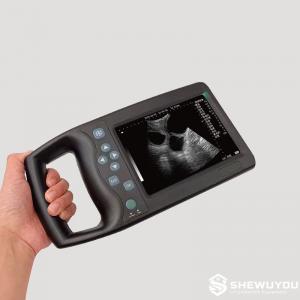
The Cattle Pregnancy Diagnosis Equipment Kit is designed as a practical field solution for bovine reproductive examination. The configuration can combine a portable veterinary ultrasound scanner with a suitable rectal probe and essential examination accessories, allowing trained veterinary professionals to perform pregnancy checks directly at cattle farms, breeding centers and livestock facilities. Transrectal ultrasonography provides visualization of the bovine uterus, ovaries and surrounding reproductive structures and is widely used as part of modern herd fertility management. The kit can be configured according to the diagnostic workflow, animal population and project requirements. |
||||||||||||||||||||
| Key Features |
|
||||||||||||||||||||
| Structural Components |
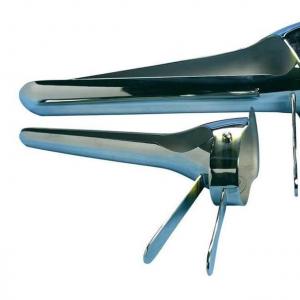
The equipment kit is modular and can be configured according to the required examination method. A typical configuration may include:
|
||||||||||||||||||||
| Working Principle / Structural Principle |
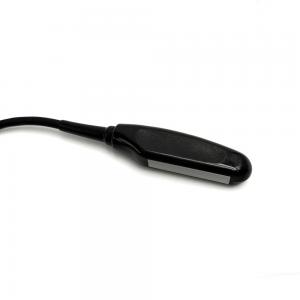
The ultrasound probe sends high-frequency sound waves into the examination area and receives returning echoes from different tissues and fluid interfaces. The scanner converts these echoes into a real-time grayscale image for interpretation by the operator. For bovine reproductive examinations, a suitable rectal probe can be used to visualize the uterus, ovaries and developing pregnancy structures. Depending on the examination stage and equipment configuration, the system may support pregnancy confirmation and reproductive tract assessment. Diagnostic interpretation should be performed by a veterinarian or appropriately trained reproductive technician using established cattle ultrasound procedures. |
||||||||||||||||||||
| Technical Specifications |
Exact scanner, probe, battery, dimensions and performance specifications depend on the selected configuration and are available upon request. |
||||||||||||||||||||
| Applications |
|
||||||||||||||||||||
| Customization Options |
The kit can be configured for different farm sizes, veterinary workflows and purchasing requirements.
|
||||||||||||||||||||
| Installation & Maintenance |
Setup: Charge the ultrasound unit, connect the selected probe and check the display, controls and probe condition before examination. Animal handling: Safely restrain the cow using an appropriate cattle chute, headlock or stanchion before reproductive examination. Scanning preparation: Use appropriate veterinary protective clothing, gloves and lubricant or coupling medium according to the examination protocol. Cleaning: Clean and disinfect the probe and reusable accessories after each animal in accordance with the equipment manufacturer's instructions and farm biosecurity procedures. Storage: Keep the scanner, probes and accessories dry and protected from excessive heat, moisture, dust and mechanical impact. Service: Battery replacement, probe inspection and equipment maintenance should follow the selected ultrasound system's service requirements. |
||||||||||||||||||||
| Product FAQ |
Q1: What is included in the cattle pregnancy diagnosis kit? The kit is configurable. A typical package can include a portable ultrasound scanner, bovine rectal probe, protective supplies, coupling gel, power accessories and a carrying case according to the selected configuration. Q2: Can the kit be used directly on commercial cattle farms? Yes. Portable ultrasound equipment is well suited to on-farm reproductive examinations, provided that the system is configured with an appropriate bovine probe and operated by trained personnel. Q3: Can different ultrasound probes be supplied? Yes. Probe type and configuration can be selected according to the intended examination, animal size and ultrasound system. Q4: Can the kit be customized for distributors? Yes. Kit composition, accessories, packaging, documentation and OEM requirements can be customized for distributors, agents and livestock projects. Q5: Who should operate the equipment? Pregnancy diagnosis and reproductive ultrasound examinations should be performed by a veterinarian or appropriately trained animal reproduction professional. Q6: How should the equipment be maintained? Clean and disinfect reusable components after use, protect the probe and scanner from damage, and follow the maintenance and reprocessing instructions applicable to the selected equipment. |
||||||||||||||||||||
| Product Gallery |
   |
- Home
-
Products
- Pig Farming Equipment
- Cattle Farming Equipment
- Sheep & Goat Farming Equipment
- Poultry Farming Equipment
- Feeding & Drinking Systems
- Veterinary & Breeding Equipment
- Testing & Diagnostic Equipment
- Cleaning & Biosecurity Equipment
- Climate Control Equipment
- Livestock Weighing Equipment
- Manure & Waste Management
- Farm Transport & Handling
-
Solutions
- Pig Farm Solutions
- Dairy Farm Solutions
- Beef Cattle Farm Solutions
- Sheep & Goat Farm Solutions
- Layer Farm Solutions
- Broiler Farm Solutions
- Feeding & Drinking System Solutions
- Climate Control Solutions
- Biosecurity & Disinfection Solutions
- Manure & Waste Management
- Smart Farming Solutions
- Farm Renovation and Upgrade Solutions
- Partners
- Projects
- Resources
- News
- About Us
- Contact


Comments & Inquiries
Leave your questions or requirements below. We will reply as soon as possible.