
| Product Showcase | Content | ||||||||||||||||||||||
| Product Name | Gas Brooder Pressure Regulator | ||||||||||||||||||||||
| Product Image | 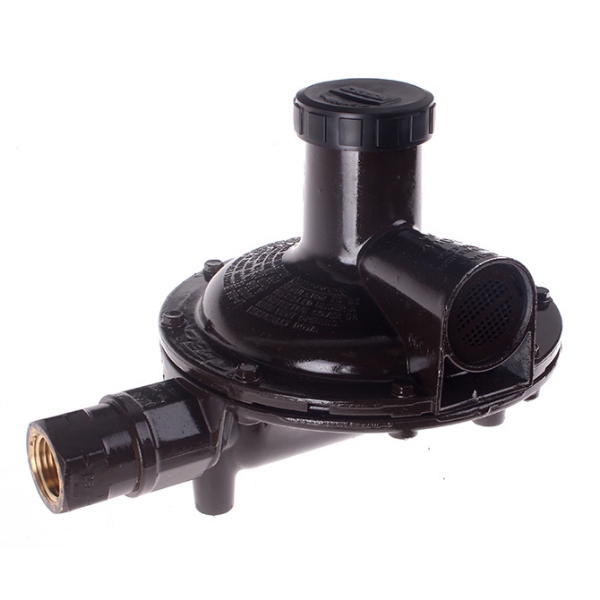 |
||||||||||||||||||||||
| Product Overview |
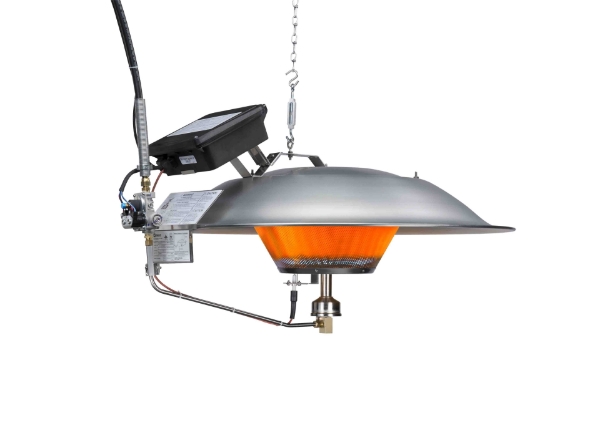
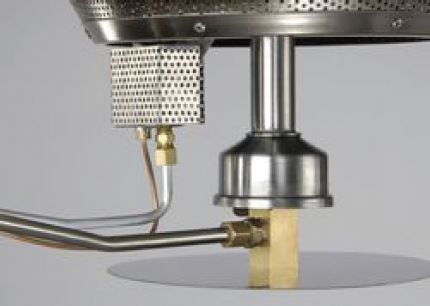
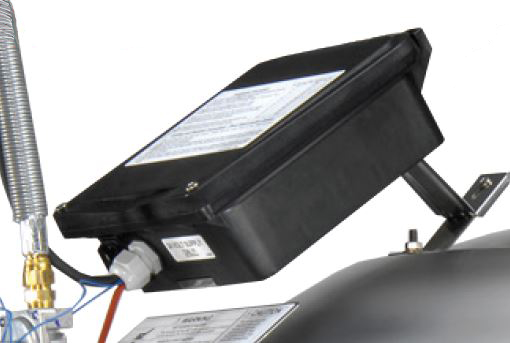
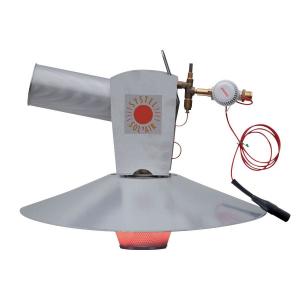
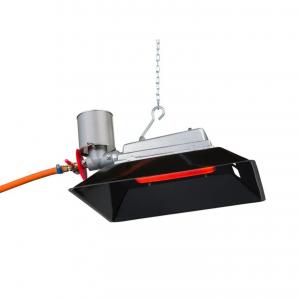
The Gas Brooder Pressure Regulator is designed to reduce and stabilize gas pressure before fuel reaches poultry brooders and other livestock-house heating appliances. Correct gas pressure is essential for maintaining proper burner operation, consistent heat output and reliable combustion throughout the poultry house. Depending on the gas installation design, the regulator can be used as part of a staged LPG or natural gas supply system serving individual brooders, heating zones or complete poultry-house gas manifolds. In commercial poultry facilities, pressure regulation helps compensate for variations between tank or supply pressure and the lower operating pressure required by the heating equipment. |
||||||||||||||||||||||
| Key Features |
|
||||||||||||||||||||||
| Structural Components |
|
||||||||||||||||||||||
| Working Principle |
High or intermediate-pressure gas enters the regulator through the inlet connection. The internal diaphragm, spring and valve mechanism continuously balance upstream pressure, downstream pressure and gas demand. When downstream pressure falls because one or more brooders begin consuming gas, the regulator opens further to increase gas flow. As outlet pressure reaches the selected operating level, the valve reduces the flow opening to maintain a stable pressure. This controlled pressure is then supplied to the brooder manifold or burner gas valve. Correct regulator sizing and pressure setting are important because brooder heat input and combustion performance are directly influenced by gas manifold pressure. |
||||||||||||||||||||||
| Technical Specifications |
|
||||||||||||||||||||||
| Applications |
|
||||||||||||||||||||||
| Customization Options |
|
||||||||||||||||||||||
| Installation & Maintenance |
Select the regulator according to gas type, upstream pressure, required outlet pressure and the combined maximum gas consumption of the connected brooders. An undersized regulator or gas line can cause pressure drop when multiple heaters operate simultaneously. Install the regulator in the correct flow direction and orientation specified for the selected model. The vent must remain unobstructed and should be positioned or piped according to applicable gas codes and installation requirements. Gas piping, regulator installation, leak testing and commissioning should be carried out by qualified personnel. Never use an open flame for leak detection; use an approved gas-leak detection method. After installation, verify inlet pressure, outlet pressure and brooder manifold pressure under both low-demand and full-load operating conditions. The pressure should remain within the range required by the connected heating equipment. Routine maintenance should include inspection of the regulator body, vent, connections and surrounding gas piping. A regulator showing unstable pressure, excessive lock-up pressure, leakage, corrosion or damaged components should be serviced or replaced before continued operation. |
||||||||||||||||||||||
| Product FAQ |
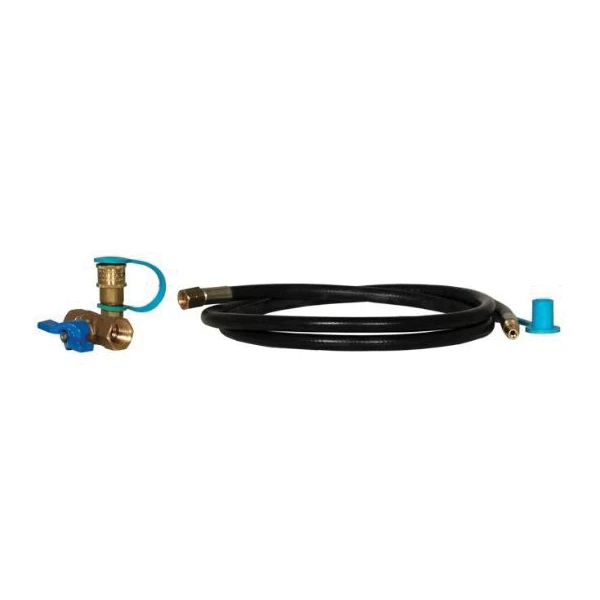
Q: Why does a poultry gas brooder need a pressure regulator? A: Brooder burners require gas within a specified pressure range. The regulator reduces and stabilizes supply pressure so the burner can operate correctly. Q: Can one regulator supply several brooders? A: Yes, if the regulator, gas pipe and manifold are correctly sized for the combined maximum gas demand of all connected heaters. Q: Are LPG and natural gas regulators interchangeable? A: Not automatically. The regulator must be selected for the specified gas type, inlet pressure, outlet pressure and flow capacity. Q: What is a second-stage gas regulator? A: In a multi-stage gas system, the second-stage regulator reduces intermediate supply pressure to a lower pressure suitable for distribution to heating appliances or final control components. Q: What happens if brooder gas pressure is too high or too low? A: Incorrect pressure can affect burner heat input, flame characteristics, gas consumption and combustion performance. Q: How should regulator capacity be selected? A: Capacity should be based on fuel type, inlet and outlet pressures, total connected heating load, pipe length and the gas-system engineering design. Q: Can complete gas brooder supply components be provided? A: Yes. Regulators, hoses, shut-off valves, fittings, brooder gas valves and related heating-system parts can be configured according to project requirements. |
||||||||||||||||||||||
| Product Gallery |   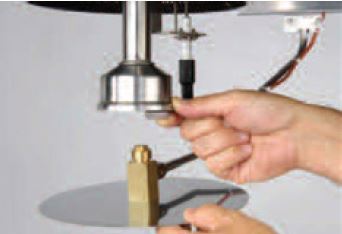 |
- Home
-
Products
- Pig Farming Equipment
- Cattle Farming Equipment
- Sheep & Goat Farming Equipment
- Poultry Farming Equipment
- Feeding & Drinking Systems
- Veterinary & Breeding Equipment
- Testing & Diagnostic Equipment
- Cleaning & Biosecurity Equipment
- Climate Control Equipment
- Livestock Weighing Equipment
- Manure & Waste Management
- Farm Transport & Handling
-
Solutions
- Pig Farm Solutions
- Dairy Farm Solutions
- Beef Cattle Farm Solutions
- Sheep & Goat Farm Solutions
- Layer Farm Solutions
- Broiler Farm Solutions
- Feeding & Drinking System Solutions
- Climate Control Solutions
- Biosecurity & Disinfection Solutions
- Manure & Waste Management
- Smart Farming Solutions
- Farm Renovation and Upgrade Solutions
- Partners
- Projects
- Resources
- News
- About Us
- Contact
Comments & Inquiries
Leave your questions or requirements below. We will reply as soon as possible.