
| Product Showcase | Content | ||||||||||||||||||||||
| Product Name | LPG Gas Brooder | ||||||||||||||||||||||
| Product Image | 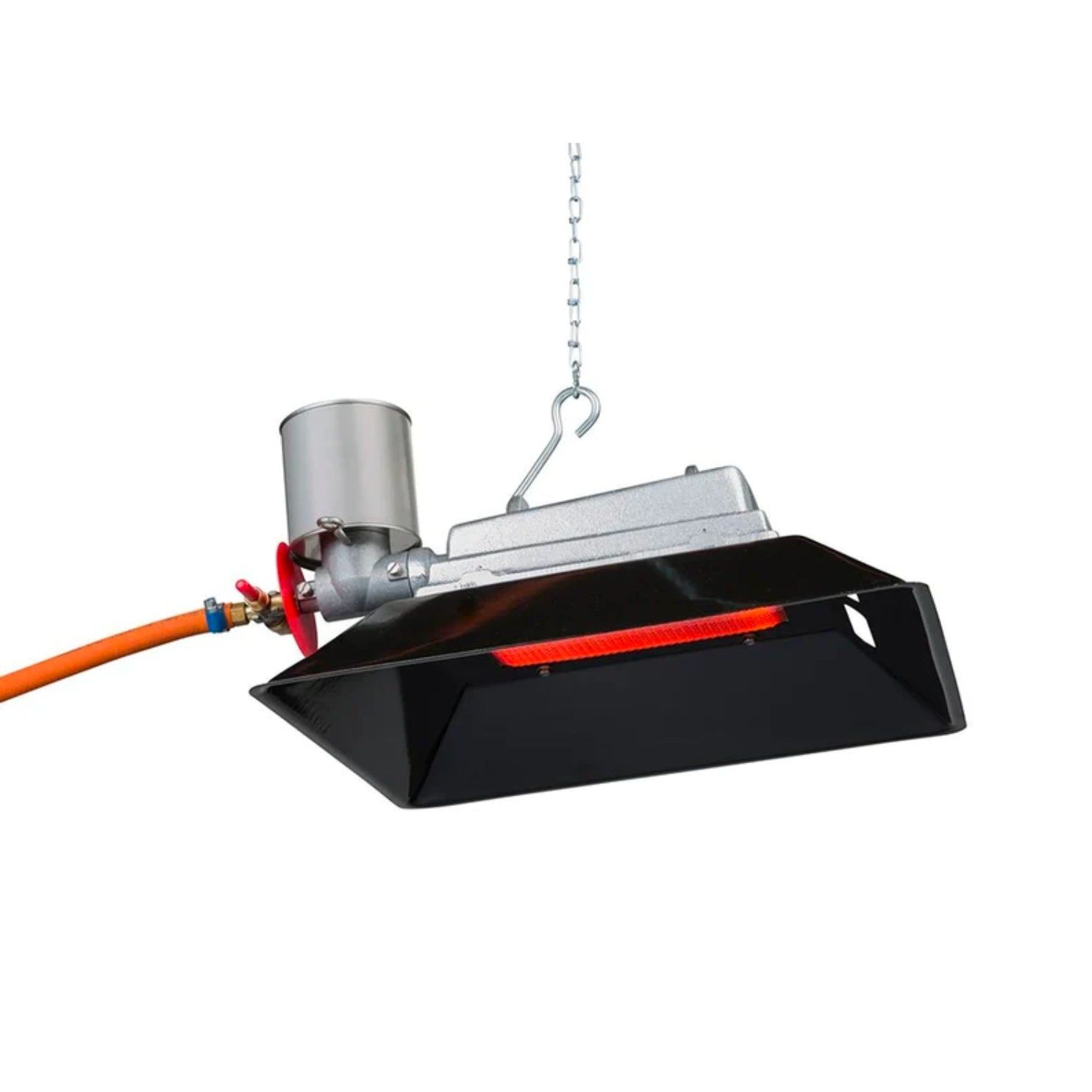 |
||||||||||||||||||||||
| Product Overview |
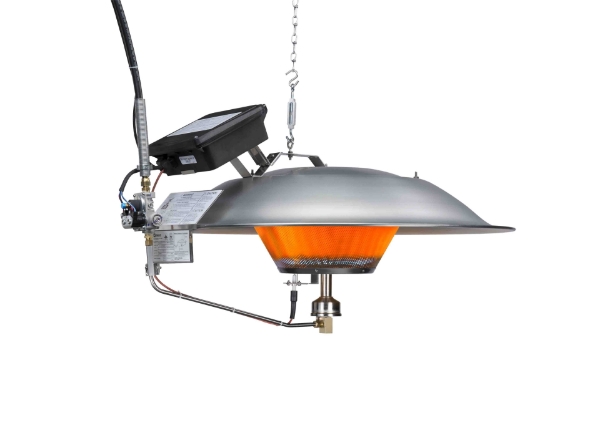
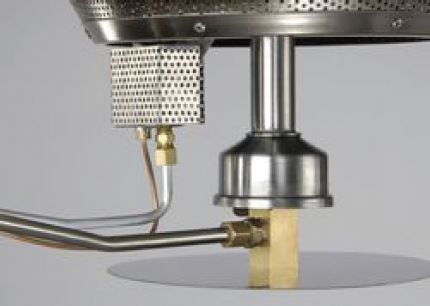
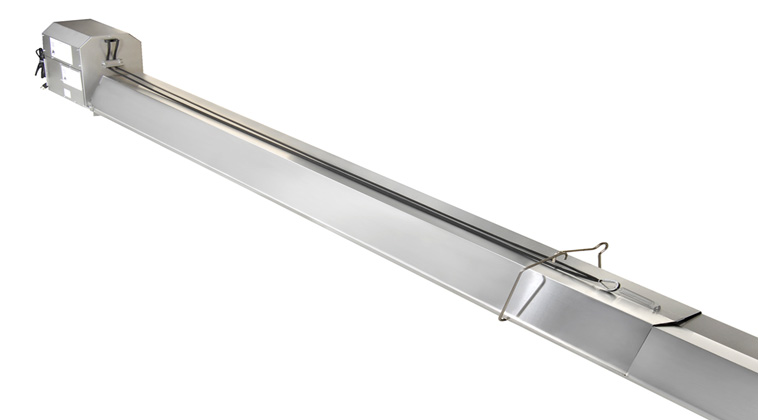
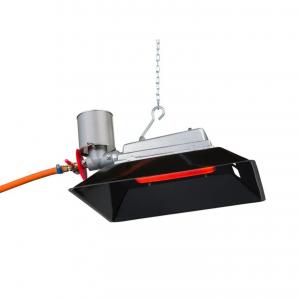
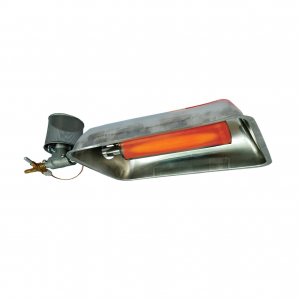
The LPG Gas Brooder is a suspended radiant heating unit designed to provide concentrated warmth to chicks and young poultry during brooding and rearing. Propane gas is burned inside the burner assembly and the generated heat is directed downward through a radiant element and reflector toward the litter and bird activity zone. Radiant brooders are particularly suitable when intensive heat is required in a defined area instead of heating the entire poultry-house air volume. They can be integrated into commercial broiler, breeder, pullet, turkey and duck production facilities and are suitable for both new livestock buildings and poultry-house renovation projects. |
||||||||||||||||||||||
| Key Features |
|
||||||||||||||||||||||
| Structural Components |
|
||||||||||||||||||||||
| Working Principle |
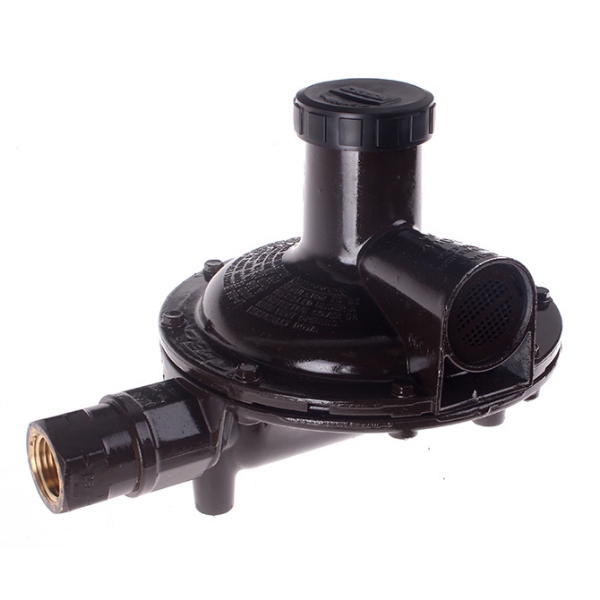
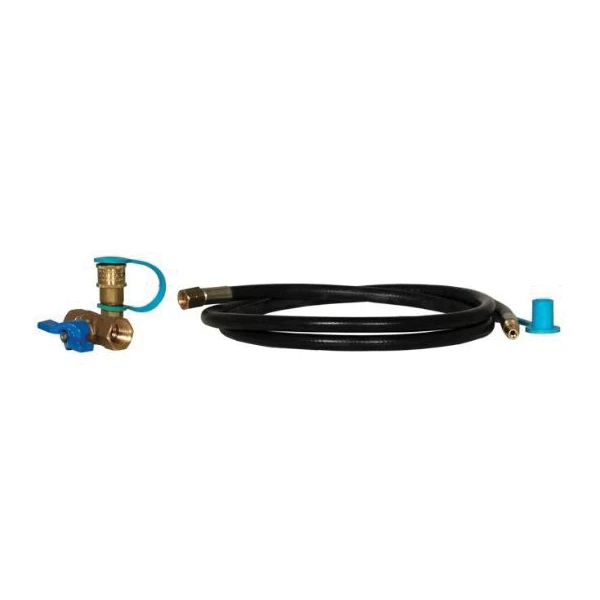
LPG enters the burner through a correctly sized pressure regulator and gas supply line. After ignition, the gas-air mixture burns at the radiant burner or emitter, heating the emitter surface to a high temperature. The heated emitter produces infrared radiation. The reflector directs this radiant energy downward toward the brood area, where it warms birds, bedding and surrounding surfaces. This allows an intensive warm zone to be created while other areas of the poultry house can remain cooler. Brooder output can be controlled according to the selected configuration through gas-pressure adjustment, thermostatic regulation, staged control or centralized poultry-house climate control. |
||||||||||||||||||||||
| Technical Specifications |
|
||||||||||||||||||||||
| Applications |
|
||||||||||||||||||||||
| Customization Options |
|
||||||||||||||||||||||
| Installation & Maintenance |
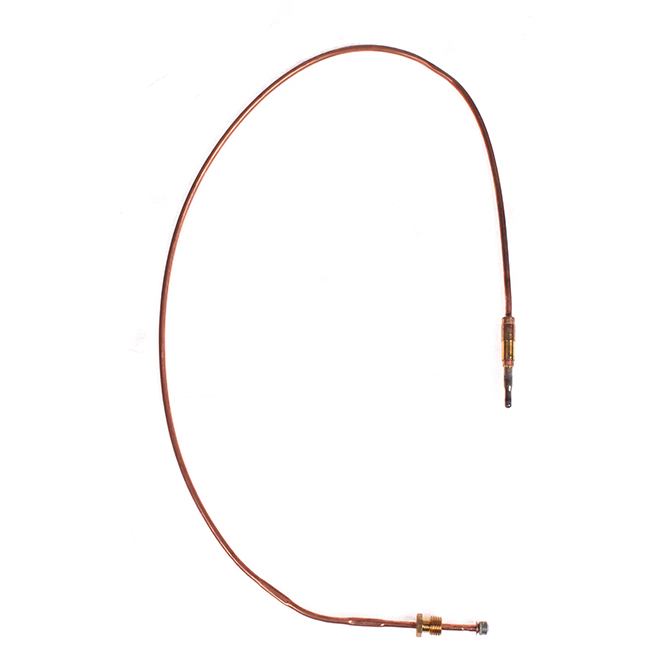
Suspend the brooder securely from a suitable poultry-house roof truss or steel structure using an approved chain or hanging system. Maintain the required clearance from birds, litter, combustible construction materials and other farm equipment. Connect the LPG supply through a correctly specified regulator, shut-off valve, hose and fittings. Gas installation must comply with applicable local gas codes and should be completed or inspected by qualified personnel. Before flock placement, test ignition, flame stability, gas connections, safety devices and temperature control. Brooder height and output should be adjusted according to chick behavior, litter temperature and environmental conditions. Routine maintenance should include cleaning dust from the burner, emitter and reflector, checking gas hoses and connections for deterioration, inspecting suspension hardware and confirming correct operation of ignition and flame-safety components. Adequate poultry-house ventilation must be maintained during operation. |
||||||||||||||||||||||
| Product FAQ |
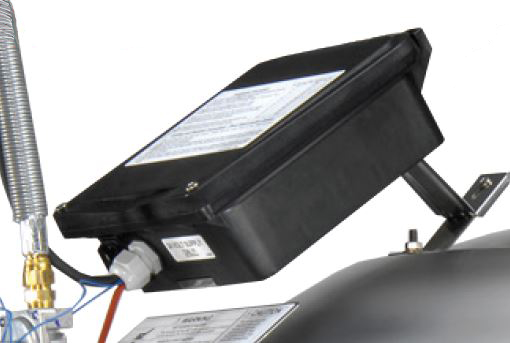
Q: Why use an LPG gas brooder instead of heating the entire poultry house? A: Radiant brooders create concentrated warm zones around young birds, allowing heat to be directed where it is needed most during brooding. Q: Can the brooder operate without electricity? A: Some LPG brooder designs use non-electric ignition and control systems. Automatic ignition and centralized control configurations may require electrical power. Q: Can the heating intensity be adjusted? A: Yes. Depending on the model, heat output can be controlled through gas regulation, thermostatic control or automatic zone management. Q: How high should the brooder be installed? A: Mounting height depends on brooder output, reflector design, bird age and manufacturer requirements. The referenced Big Dutchman M8 configuration uses an installation range of approximately 0.9-1.5 m. Q: Can LPG brooders be used in steel structure poultry houses? A: Yes. Suitable suspension points can be integrated with steel roof trusses, provided structural support and required safety clearances are maintained. Q: How is the number of brooders calculated? A: Brooder quantity depends on heating capacity, house dimensions, insulation, outside climate, ventilation rate, stocking density and required brood-area temperature. Q: Can a complete poultry-house heating layout be customized? A: Yes. Brooder capacity, spacing, gas pipeline design, regulators, thermostats and zone-control systems can be configured according to project requirements. |
||||||||||||||||||||||
| Product Gallery | 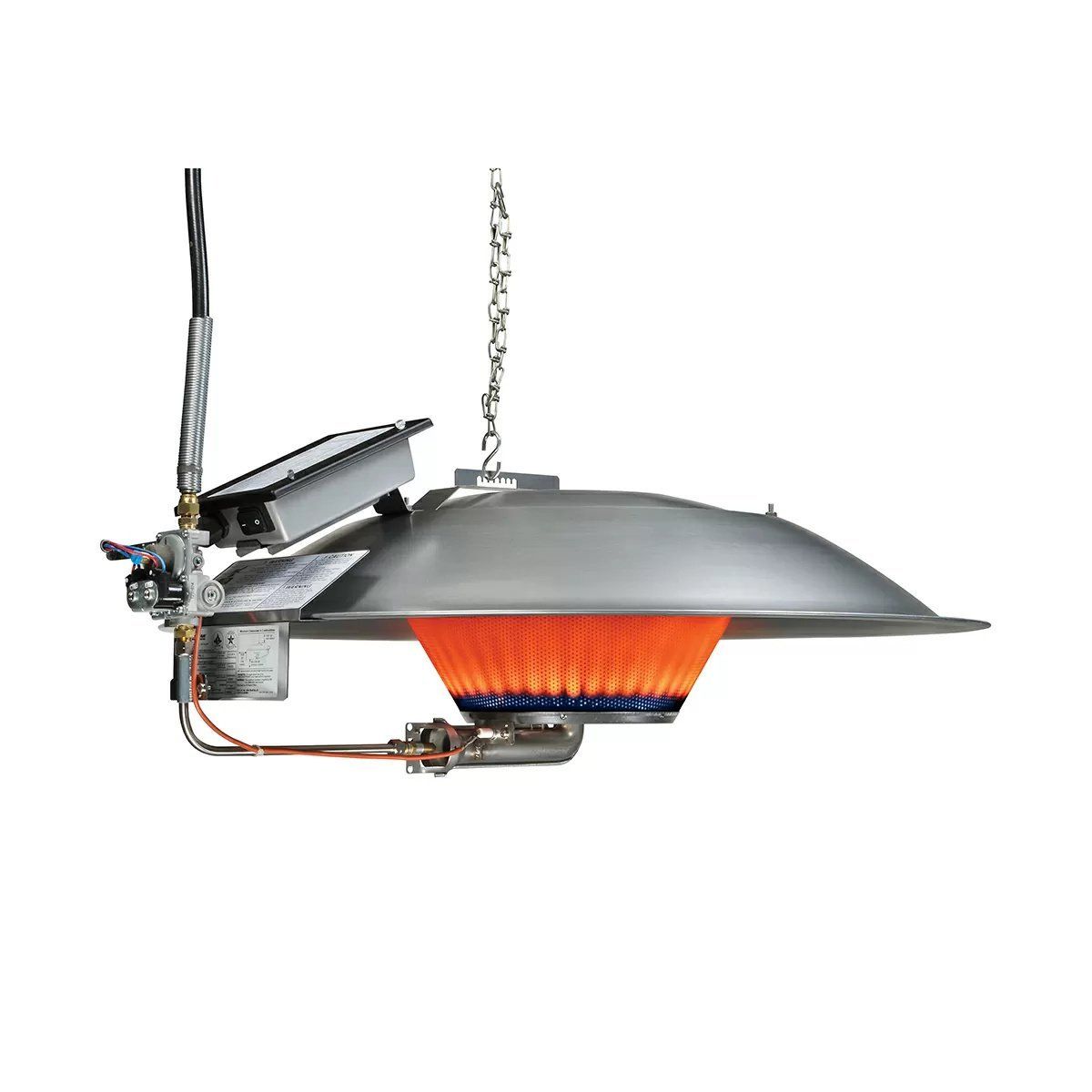 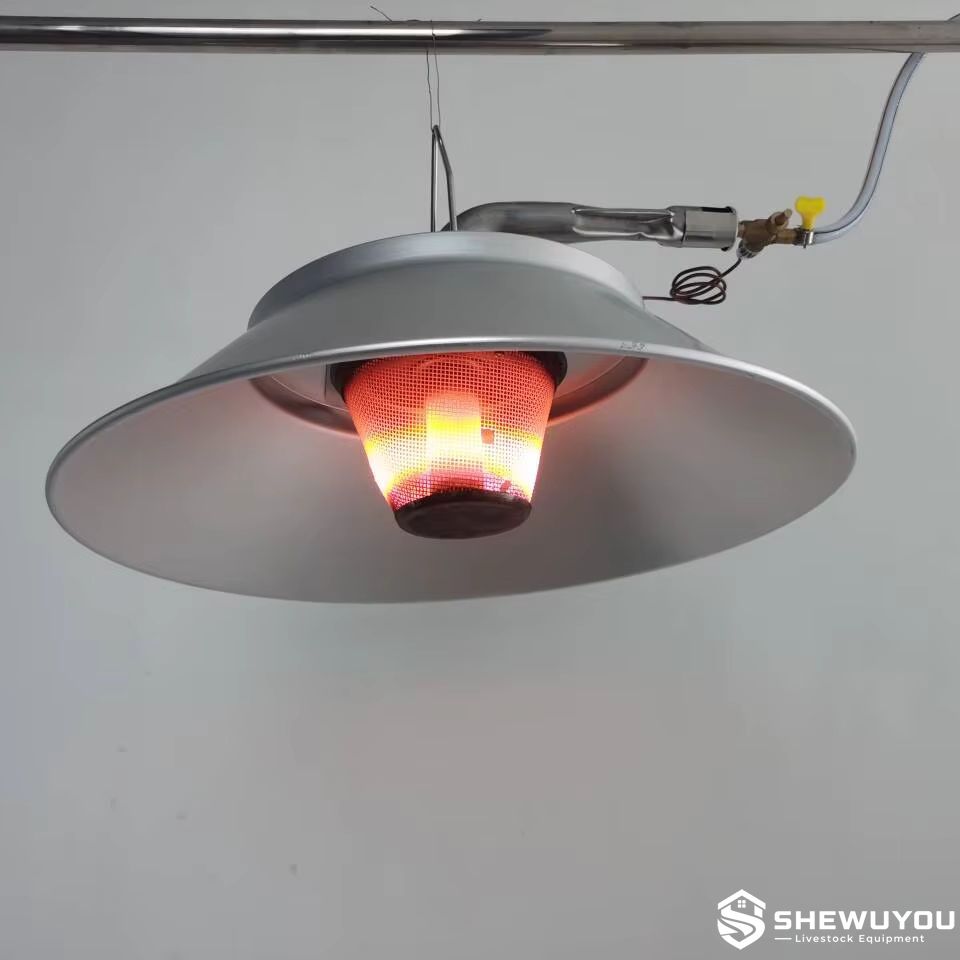 |
- Home
-
Products
- Pig Farming Equipment
- Cattle Farming Equipment
- Sheep & Goat Farming Equipment
- Poultry Farming Equipment
- Feeding & Drinking Systems
- Veterinary & Breeding Equipment
- Testing & Diagnostic Equipment
- Cleaning & Biosecurity Equipment
- Climate Control Equipment
- Livestock Weighing Equipment
- Manure & Waste Management
- Farm Transport & Handling
-
Solutions
- Pig Farm Solutions
- Dairy Farm Solutions
- Beef Cattle Farm Solutions
- Sheep & Goat Farm Solutions
- Layer Farm Solutions
- Broiler Farm Solutions
- Feeding & Drinking System Solutions
- Climate Control Solutions
- Biosecurity & Disinfection Solutions
- Manure & Waste Management
- Smart Farming Solutions
- Farm Renovation and Upgrade Solutions
- Partners
- Projects
- Resources
- News
- About Us
- Contact
Comments & Inquiries
Leave your questions or requirements below. We will reply as soon as possible.