
| Product Showcase | Content | ||||||||||||||||||||||||
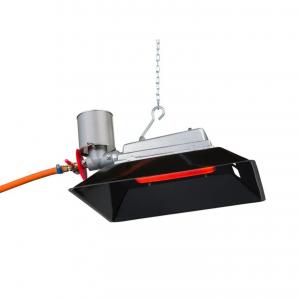
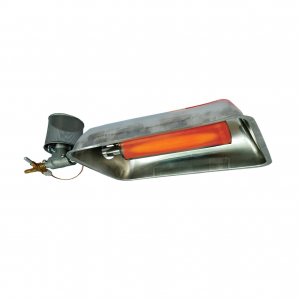
| Product Name | Thermostatic Gas Brooder | ||||||||||||||||||||||||
| Product Image | 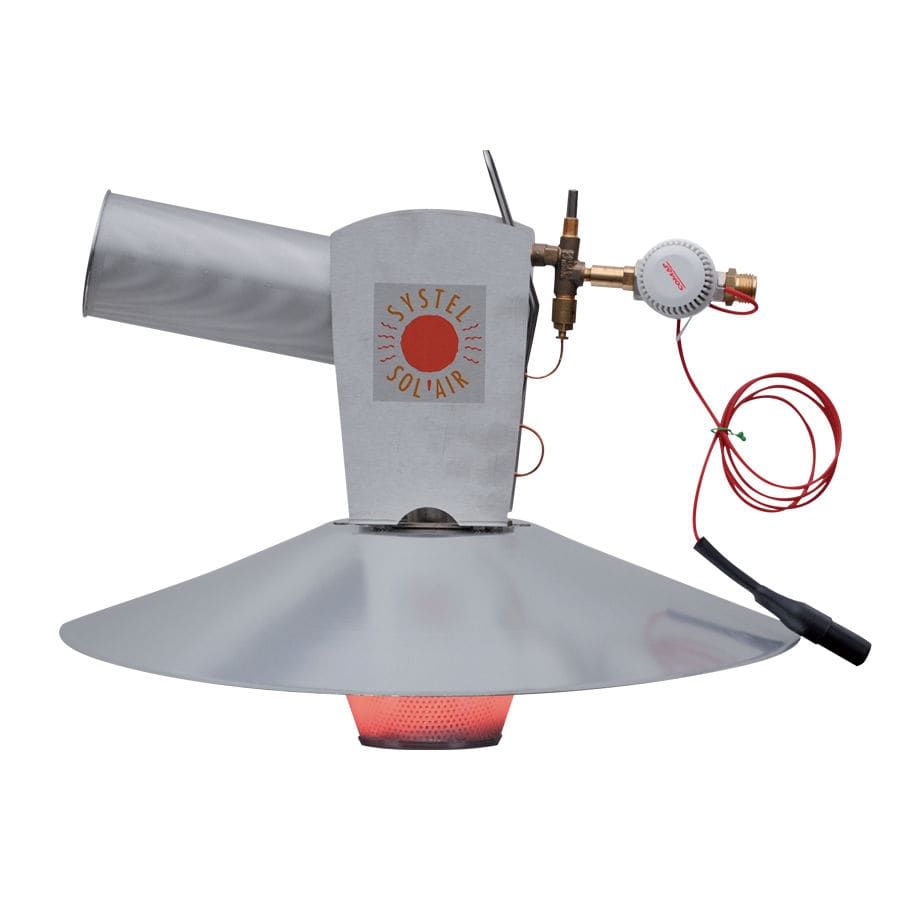 |
||||||||||||||||||||||||
| Product Overview |
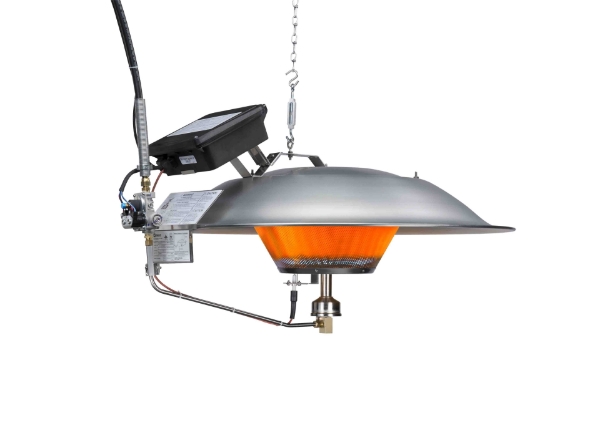
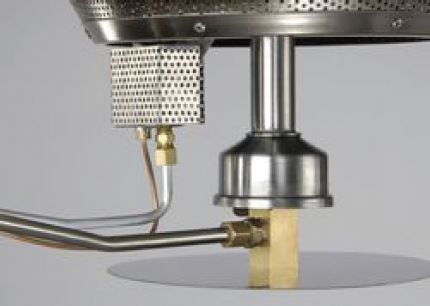
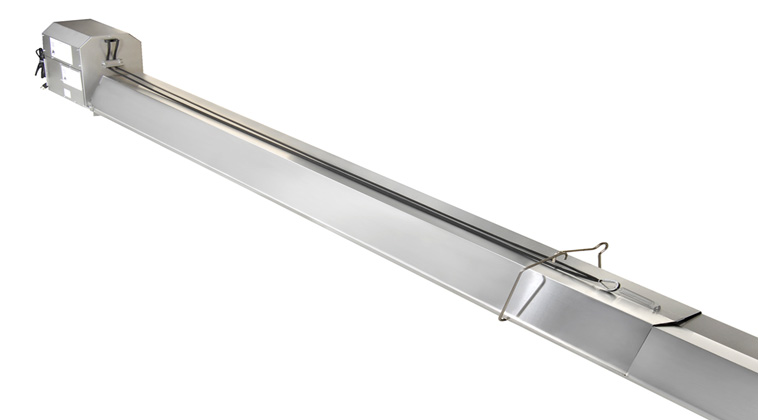
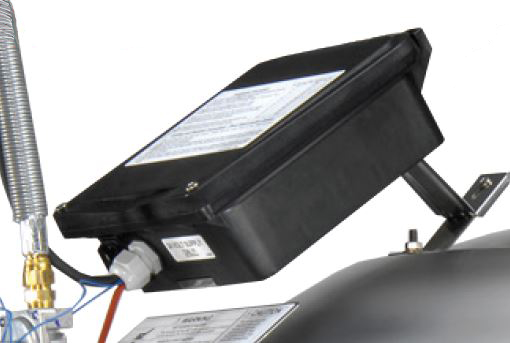
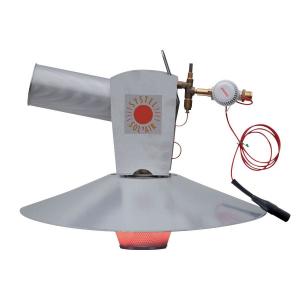
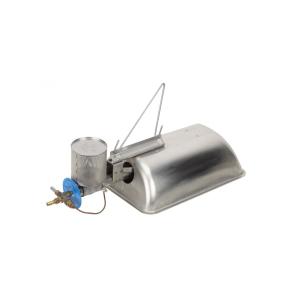
The Thermostatic Gas Brooder is a suspended radiant heating unit designed to maintain a controlled thermal environment for chicks and young poultry. The integrated or remote thermostat monitors the brood-area temperature and adjusts burner operation according to heating demand, helping provide more consistent conditions than continuously operated manual brooders. The system can be configured with individual thermostatic control, modulating control or centralized zone control for multiple brooders. It is suitable for commercial broiler, breeder, pullet, turkey and other poultry houses, including new steel structure livestock buildings and heating-system renovation projects. |
||||||||||||||||||||||||
| Key Features |
|
||||||||||||||||||||||||
| Structural Components |
|
||||||||||||||||||||||||
| Working Principle |
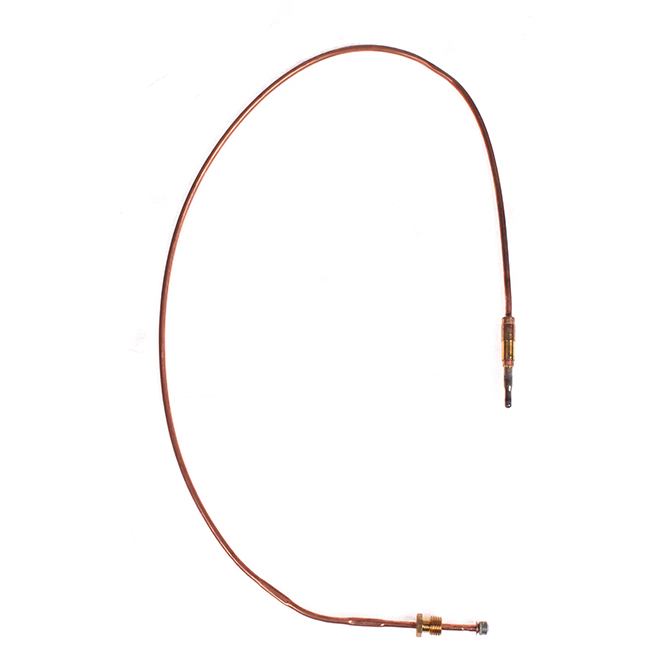
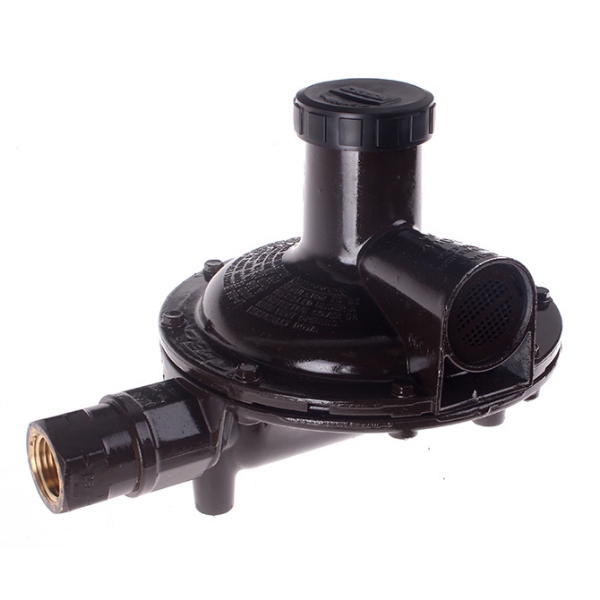
Gas enters the burner through a pressure regulator and thermostatic control valve. After ignition, the burner heats the radiant emitter, which transfers infrared energy downward toward the brood area. The thermostat senses the temperature at a selected monitoring point near the birds. When the temperature falls below the required set point, the control system increases or activates heat output. When the target temperature is reached, the system reduces burner output or switches to a lower operating stage, depending on the selected configuration. Zone-control versions can operate several brooders from one thermostat, while independent thermostat versions allow individual heaters or house sections to be adjusted separately. |
||||||||||||||||||||||||
| Technical Specifications |
|
||||||||||||||||||||||||
| Applications |
|
||||||||||||||||||||||||
| Customization Options |
|
||||||||||||||||||||||||
| Installation & Maintenance |
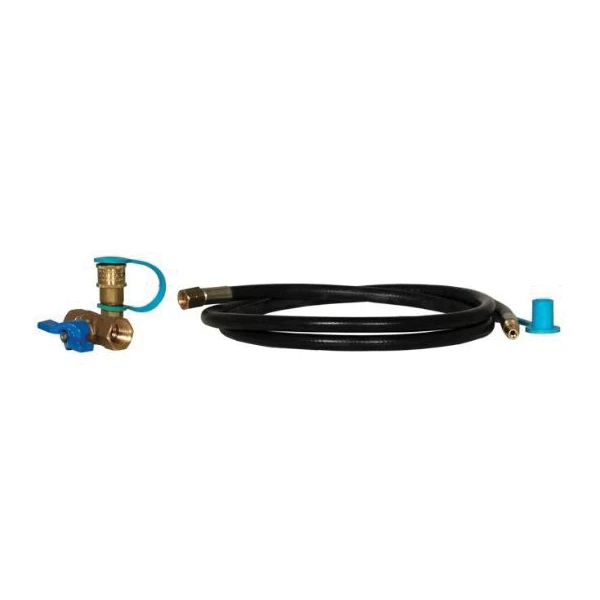
Suspend the brooder from a structurally suitable roof truss or steel building frame using approved hanging hardware. Brooder spacing, mounting height and clearance from combustible materials should follow the selected model requirements and local gas regulations. Install the thermostat or temperature sensor at a representative bird-level monitoring point where it is not directly heated by the radiant emitter. Incorrect sensor placement can cause inaccurate temperature control. Connect the gas supply through the specified shut-off valve, pressure regulator, hose and fittings. Gas installation and commissioning should be completed or inspected by qualified personnel according to applicable local codes. Before flock placement, test the thermostat, ignition system, flame safety device and burner operation. Confirm that all brooders respond correctly to temperature changes and that the heat footprint is evenly distributed. Routine maintenance should include removing dust from the burner and reflector, checking gas hoses and connections, cleaning sensors, inspecting suspension hardware and verifying thermostat calibration. Adequate poultry-house ventilation must be maintained whenever direct-combustion gas brooders are operating. |
||||||||||||||||||||||||
| Product FAQ |
Q: What is the main advantage of a thermostatic gas brooder? A: Thermostatic control automatically adjusts heater operation according to brood-area temperature, reducing the need for continuous manual adjustment. Q: Can one thermostat control several brooders? A: Yes. Compatible zone-control systems can operate a group of brooders from one thermostat or environmental controller. Q: What is a modulating thermostat? A: A modulating control changes gas flow and heater output according to temperature demand instead of operating only at maximum output. Q: Are LPG and natural gas versions available? A: Yes. Gas type, valves, regulators and burner orifices can be selected according to the required fuel supply and project configuration. Q: Does thermostatic control require electricity? A: It depends on the system. Some individual thermostatic controls can operate without mains electricity, while direct spark ignition and centralized zone-control systems normally require an electrical supply. Q: Can the brooder be connected to a poultry-house climate controller? A: Yes. Compatible control systems can integrate brooder operation with centralized house-temperature and climate-management equipment. Q: Can a complete heating layout be customized? A: Yes. Brooder capacity, quantity, spacing, gas supply, thermostat locations and control zones can be designed according to house dimensions, insulation, flock type and local climate conditions. |
||||||||||||||||||||||||
| Product Gallery | 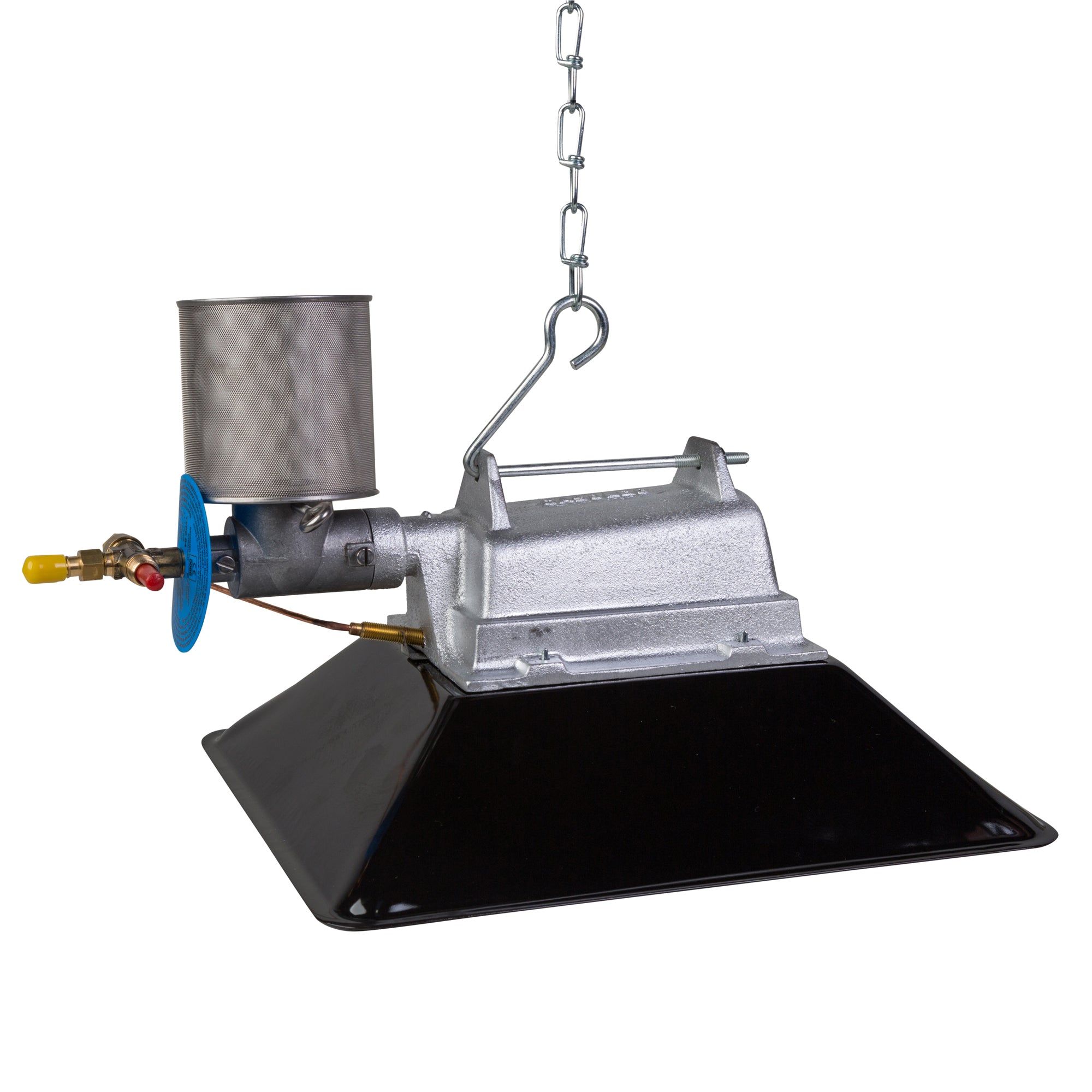 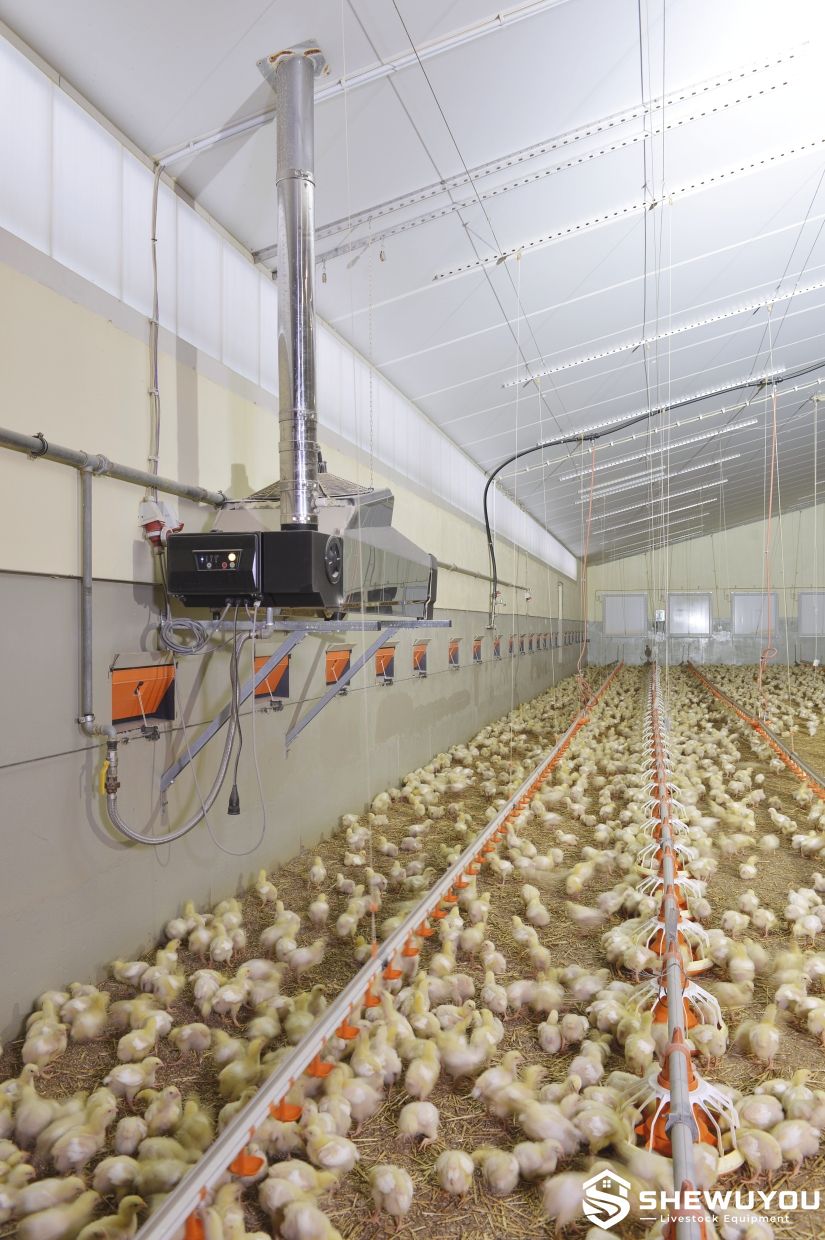 |
- Home
-
Products
- Pig Farming Equipment
- Cattle Farming Equipment
- Sheep & Goat Farming Equipment
- Poultry Farming Equipment
- Feeding & Drinking Systems
- Veterinary & Breeding Equipment
- Testing & Diagnostic Equipment
- Cleaning & Biosecurity Equipment
- Climate Control Equipment
- Livestock Weighing Equipment
- Manure & Waste Management
- Farm Transport & Handling
-
Solutions
- Pig Farm Solutions
- Dairy Farm Solutions
- Beef Cattle Farm Solutions
- Sheep & Goat Farm Solutions
- Layer Farm Solutions
- Broiler Farm Solutions
- Feeding & Drinking System Solutions
- Climate Control Solutions
- Biosecurity & Disinfection Solutions
- Manure & Waste Management
- Smart Farming Solutions
- Farm Renovation and Upgrade Solutions
- Partners
- Projects
- Resources
- News
- About Us
- Contact
Comments & Inquiries
Leave your questions or requirements below. We will reply as soon as possible.