
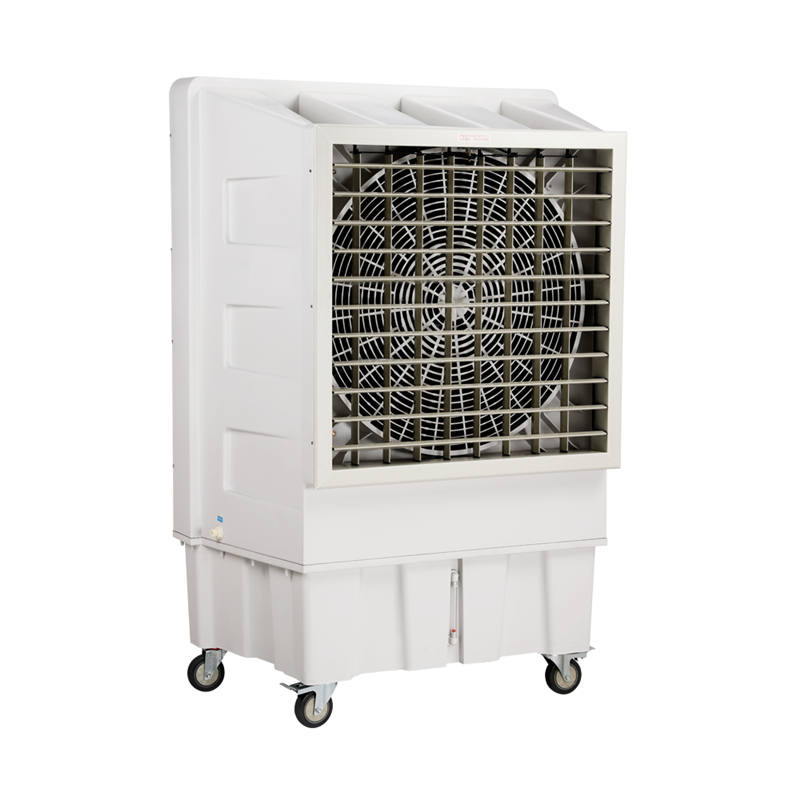

| Product Name | Mobile Evaporative Air Cooler for Livestock Farms |
| Product Image | |
| Product Overview |
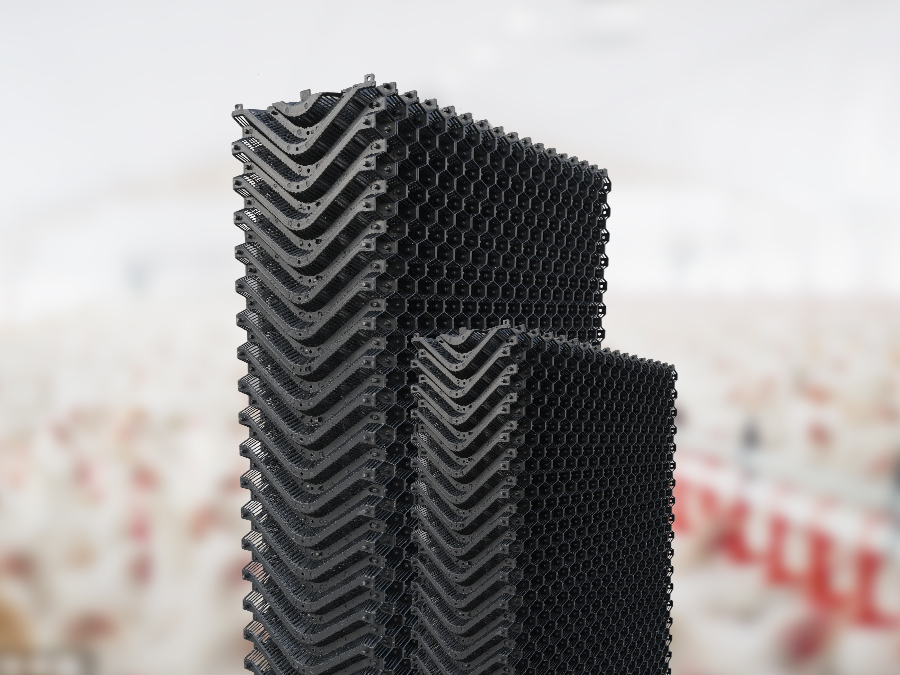
The Mobile Evaporative Air Cooler for Livestock Farms is a wheeled unit designed to direct cooled airflow toward selected work or animal-care areas. It can be moved as seasonal conditions and daily farm activities change. The unit draws air through water-wetted evaporative media. This process lowers the temperature of the supplied air when conditions permit, while the fan directs airflow toward the intended area. Performance depends on outdoor temperature, humidity, ventilation and placement. In commercial pig farms and poultry facilities, a mobile cooler can serve loading areas, inspection points, service corridors and other suitable locations requiring targeted airflow. Its use should be coordinated with the building's livestock ventilation system and farm biosecurity procedures. For distributors, engineering companies and agricultural project buyers, unit size, power supply, water arrangement and controls can be reviewed against the intended site. Mobile equipment can complement a planned cooling strategy for pig farm construction or a steel structure building. |
| Key Features | 1. Wheeled design allows relocation between suitable positions. 2. Provides targeted airflow without permanent wall or roof mounting. 3. Uses water-wetted cooling media for evaporative air cooling. 4. Can be positioned according to changing farm work patterns. 5. Suitable for spot cooling in ventilated or semi-open areas. 6. Allows access to the water tank and cooling media for routine care. 7. Can complement existing fans and farm environmental equipment. 8. Supports configuration review for different electrical and water supplies. 9. Offers a movable option for temporary or seasonal cooling needs. |
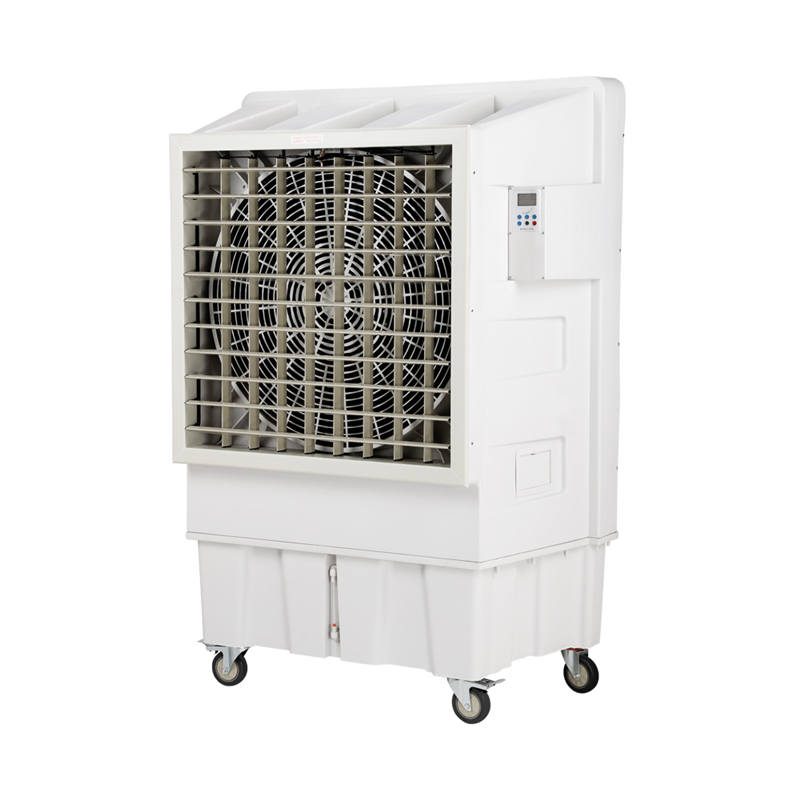
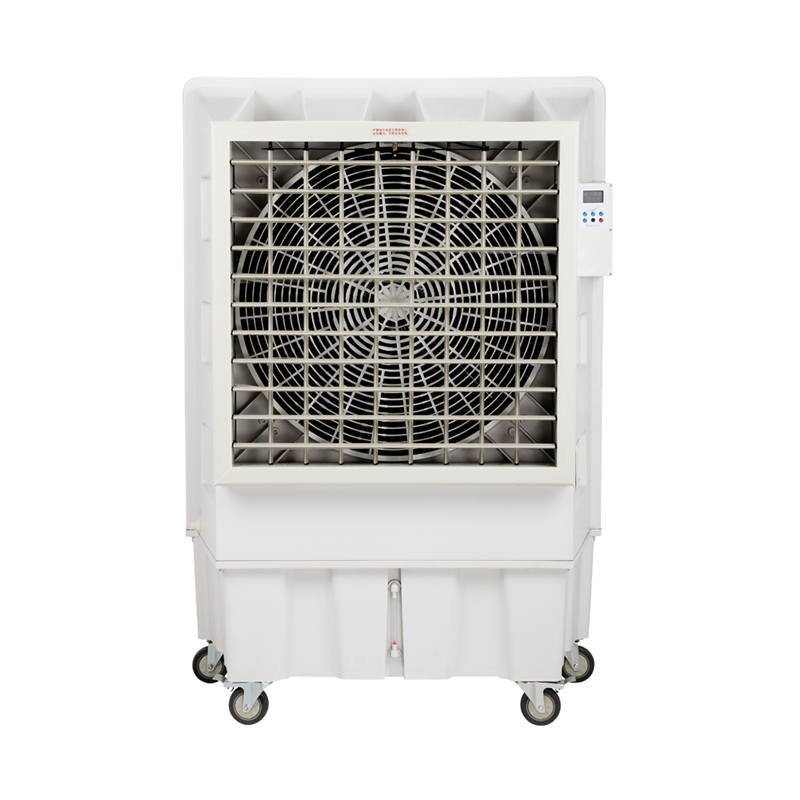
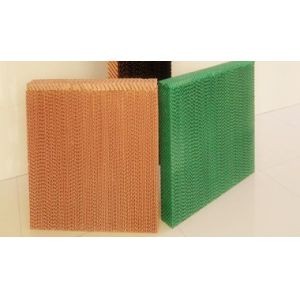
| Structural Components | 1. Cabinet: Houses the air-moving and water components. 2. Evaporative media: Provides a wetted surface for cooling incoming air. 3. Fan and motor: Draw air through the media and direct the supply airflow. 4. Water tank: Holds water for circulation, according to the selected design. 5. Pump and distributor: Circulate and spread water across the media. 6. Air outlet and guard: Direct airflow and protect the moving fan components. 7. Controls: Provide operating functions according to the selected model. 8. Casters and handles: Support movement and positioning where fitted. |
| Working Principle / Structural Principle |
Water from the tank is circulated over the evaporative media. As the fan draws air through the wetted surface, some water evaporates and absorbs heat from the passing air. The fan sends the treated air toward the selected cooling zone. Positioning the unit near an appropriate fresh-air source and providing a path for humid air to leave helps the cooler operate as intended. The cooling effect varies with ambient humidity. A mobile unit is best assessed for its intended cooling zone rather than assumed to control the temperature of an entire livestock building. |
| Technical Specifications | Airflow capacity: Available upon request Unit dimensions and weight: Available upon request Electrical supply: According to project requirements Water tank capacity: Available upon request Water refill arrangement: Customizable, subject to model selection Fan speeds and controls: Available upon request Cooling media configuration: Available upon request Caster and brake arrangement: Available upon request Expected cooling performance: Designed according to local climate and farm conditions |
| Applications | 1. Pig farm loading and dispatch areas 2. Livestock inspection and handling zones 3. Ventilated poultry service areas 4. Farm equipment maintenance spaces 5. Open-sided livestock shelters 6. Animal-care workstations where suitable 7. Agricultural building service corridors 8. Temporary hot-weather work areas 9. Seasonal agricultural project sites |
| Customization Options | 1. Unit size and airflow for the intended cooling zone. 2. Electrical configuration for the destination market. 3. Water tank or compatible refill arrangement. 4. Fan-speed and control options, subject to model availability. 5. Cooling media and service-access requirements. 6. Caster and positioning requirements for the farm floor. 7. Quantity and procurement configuration for an agricultural project. |
| Installation & Maintenance |
Positioning: Place the cooler on a stable, level surface with clear air intakes and an unobstructed outlet. Provide ventilation so warm, humid air can leave the area. Keep the power cable, water connection and unit outside animal traffic routes. Secure the casters where brakes are fitted. Start-up: Confirm the electrical supply matches the selected unit. Fill or connect the water supply as specified in its manual, check for leaks and verify water reaches the cooling media before normal operation. Maintenance: Inspect the tank, pump, distributor, media, fan guard and casters regularly. Drain standing water and clean components according to water quality and operating conditions. Before moving the unit between animal areas, clean it in line with the farm's biosecurity procedure. |
| Project Cases |
Illustrative pig farm scenario: A commercial farm positions a mobile cooler at a ventilated livestock handling point during hot-weather operations. Staff move the unit when the work area changes and clean it before transfer to another biosecurity zone. Illustrative poultry project: An engineering team specifies mobile coolers for selected service areas while the poultry house retains its designed ventilation and environmental controls. These are application scenarios for planning purposes, not claims of completed SHEWUYOU installations. |
| Product FAQ | 1. Does the unit require permanent installation? A mobile configuration can operate without permanent building mounting, subject to its power, water and placement requirements. 2. Can it cool an entire pig house? It is primarily intended for a selected cooling zone. Whole-house performance requires a separate ventilation and cooling design. 3. Where should it be placed? Place it where the intake can receive suitable air and the outlet can serve the intended area without obstructing farm operations. 4. Does it work in humid climates? It may provide airflow, but evaporative temperature reduction is generally lower as outdoor humidity rises. 5. Does it need a water connection? Water can be supplied according to the selected unit's tank and refill arrangement. Confirm the available options before ordering. 6. Can it replace the livestock ventilation system? No. The building still needs adequate fresh-air supply and an appropriate exhaust path. 7. Can it be moved between livestock houses? Movement is possible where access and floor conditions permit. Apply the farm's cleaning and biosecurity procedures before transfer. 8. What information is needed for a quotation? Provide the destination country, cooling-zone dimensions, intended use, electrical supply, water availability and required quantity. 9. Are specifications the same for every unit? No. Airflow, size, controls and water capacity depend on the selected configuration and are available upon request. |
| Product Gallery |
- Home
-
Products
- Pig Farming Equipment
- Cattle Farming Equipment
- Sheep & Goat Farming Equipment
- Poultry Farming Equipment
- Feeding & Drinking Systems
- Veterinary & Breeding Equipment
- Testing & Diagnostic Equipment
- Cleaning & Biosecurity Equipment
- Climate Control Equipment
- Livestock Weighing Equipment
- Manure & Waste Management
- Farm Transport & Handling
-
Solutions
- Pig Farm Solutions
- Dairy Farm Solutions
- Beef Cattle Farm Solutions
- Sheep & Goat Farm Solutions
- Layer Farm Solutions
- Broiler Farm Solutions
- Feeding & Drinking System Solutions
- Climate Control Solutions
- Biosecurity & Disinfection Solutions
- Manure & Waste Management
- Smart Farming Solutions
- Farm Renovation and Upgrade Solutions
- Partners
- Projects
- Resources
- News
- About Us
- Contact
Comments & Inquiries
Leave your questions or requirements below. We will reply as soon as possible.