
| Product Showcase | Content | ||||||||||||||||||||||||||||||
|---|---|---|---|---|---|---|---|---|---|---|---|---|---|---|---|---|---|---|---|---|---|---|---|---|---|---|---|---|---|---|---|
| Product Name | DEEP-TROUGH EVAPORATIVE COOLING PAD SYSTEM | ||||||||||||||||||||||||||||||
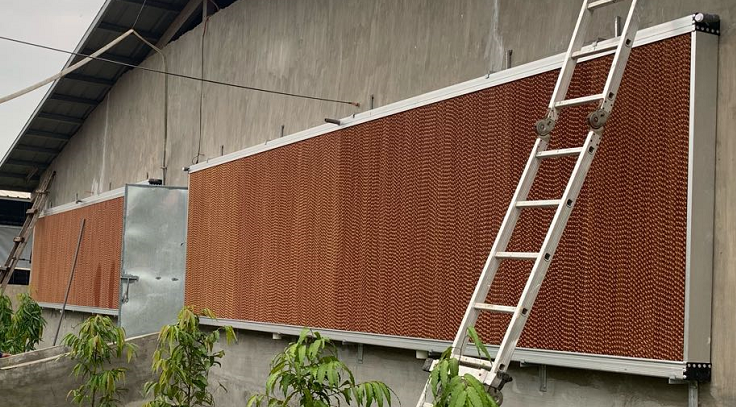
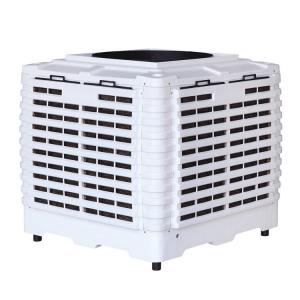
| Product Image | 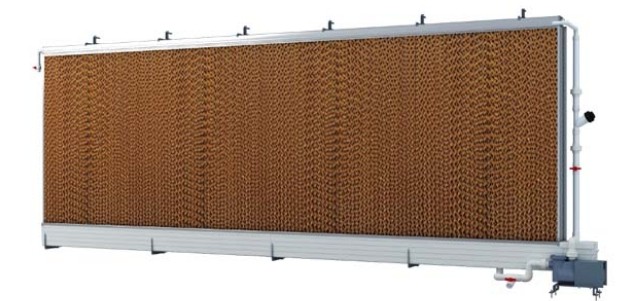 |
||||||||||||||||||||||||||||||
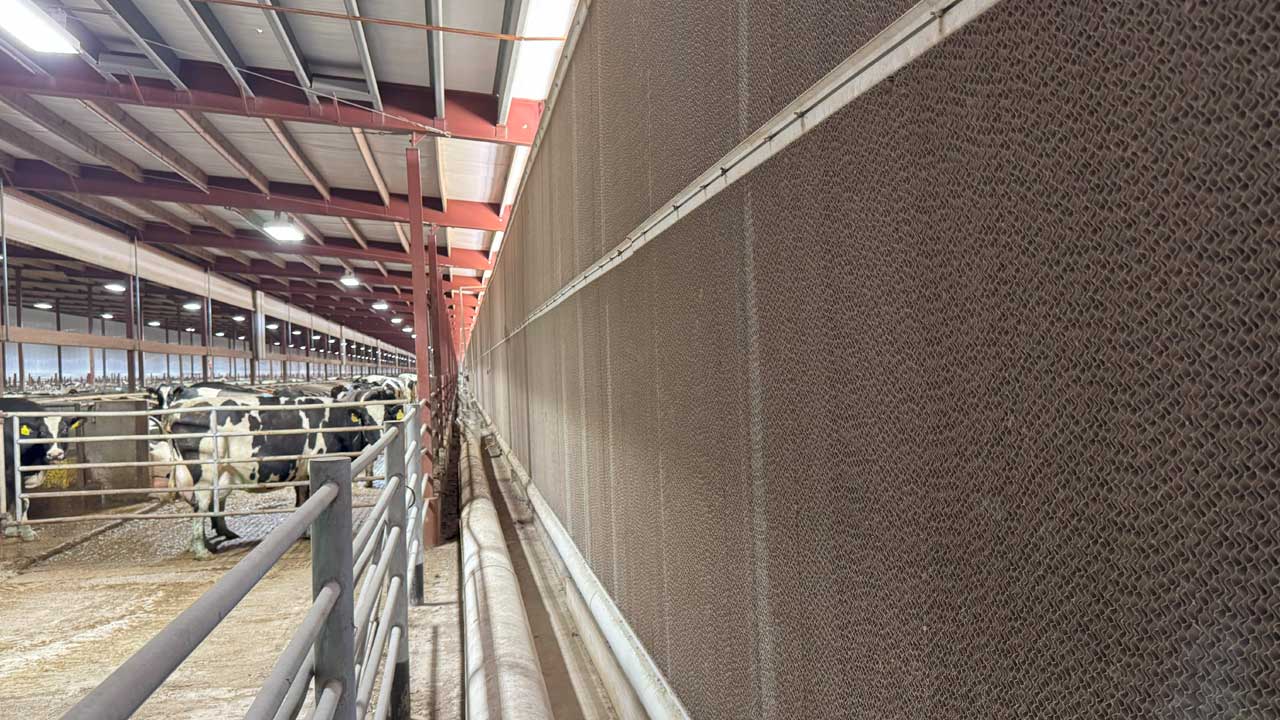
| Product Overview | The Deep-Trough Evaporative Cooling Pad System is designed for summer cooling and ventilation in pig houses, poultry houses and other livestock buildings. The integrated external water trough eliminates the need to construct a separate water reservoir on site, simplifying farm construction and installation. The system combines 150 mm virgin-pulp cooling pads, an anodized aluminum side frame, a closed PVC water trough, PVC circulation pipes and a 40-mesh filtration system. When paired with negative-pressure exhaust fans, hot outside air is drawn through the continuously wetted pad surface for efficient evaporative cooling. |
||||||||||||||||||||||||||||||
| Product Gallery |
|
||||||||||||||||||||||||||||||
| Key Features |
|
||||||||||||||||||||||||||||||
| Working Principle | Water stored in the integrated trough passes through the filtration system and is circulated to the upper distribution section of the cooling pad. The water flows downward through the corrugated pad material and returns to the trough for recirculation. At the same time, livestock-house exhaust fans create negative pressure and draw hot outdoor air through the wet cooling pads. Part of the circulating water evaporates and absorbs heat from the incoming air, allowing cooler fresh air to enter the livestock building before warm indoor air is exhausted. |
||||||||||||||||||||||||||||||
| Technical Specifications |
|
||||||||||||||||||||||||||||||
| Applications |
|
||||||||||||||||||||||||||||||
| Installation & Maintenance |
|
||||||||||||||||||||||||||||||
| Product FAQ |
Q: What is the main advantage of the deep-trough design? Q: What thickness is the cooling pad? Q: What is the width of each cooling-pad module? Q: What material is used for the cooling pad? Q: Does the system include water filtration? Q: Is rodent protection available? Q: Does the cooling pad work with negative pressure exhaust fans? Q: Can the overall size be customized? |
- Home
-
Products
- Pig Farming Equipment
- Cattle Farming Equipment
- Sheep & Goat Farming Equipment
- Poultry Farming Equipment
- Feeding & Drinking Systems
- Veterinary & Breeding Equipment
- Testing & Diagnostic Equipment
- Cleaning & Biosecurity Equipment
- Climate Control Equipment
- Livestock Weighing Equipment
- Manure & Waste Management
- Farm Transport & Handling
-
Solutions
- Pig Farm Solutions
- Dairy Farm Solutions
- Beef Cattle Farm Solutions
- Sheep & Goat Farm Solutions
- Layer Farm Solutions
- Broiler Farm Solutions
- Feeding & Drinking System Solutions
- Climate Control Solutions
- Biosecurity & Disinfection Solutions
- Manure & Waste Management
- Smart Farming Solutions
- Farm Renovation and Upgrade Solutions
- Partners
- Projects
- Resources
- News
- About Us
- Contact
Comments & Inquiries
Leave your questions or requirements below. We will reply as soon as possible.