
| Product Showcase | Content | ||||||||||||||||||||||||||||||||||
|---|---|---|---|---|---|---|---|---|---|---|---|---|---|---|---|---|---|---|---|---|---|---|---|---|---|---|---|---|---|---|---|---|---|---|---|
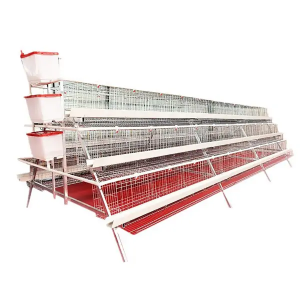
| Product Name | Parent Stock Cage System | ||||||||||||||||||||||||||||||||||
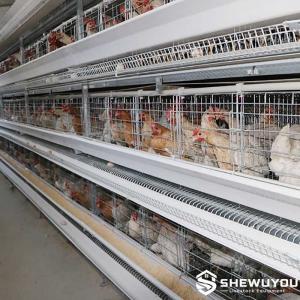
| Product Image | 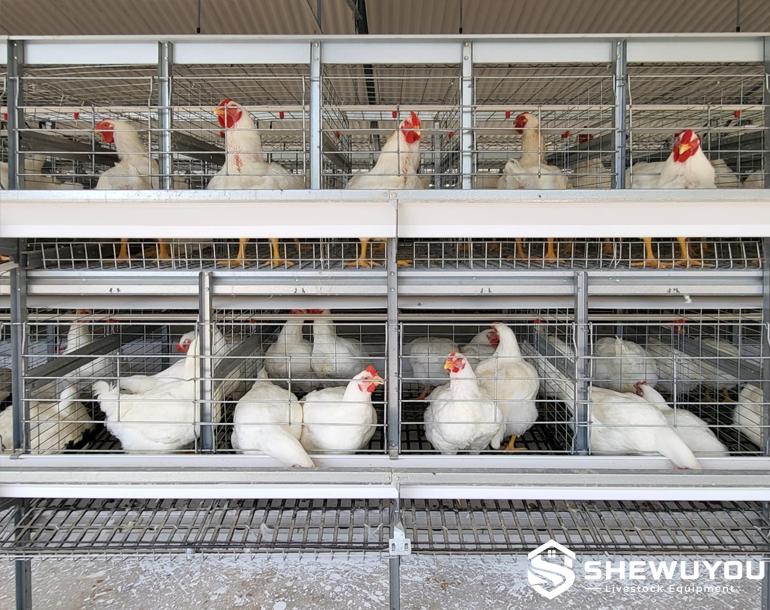 |
||||||||||||||||||||||||||||||||||
| Product Overview |
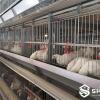
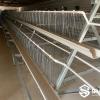
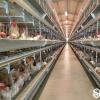
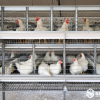
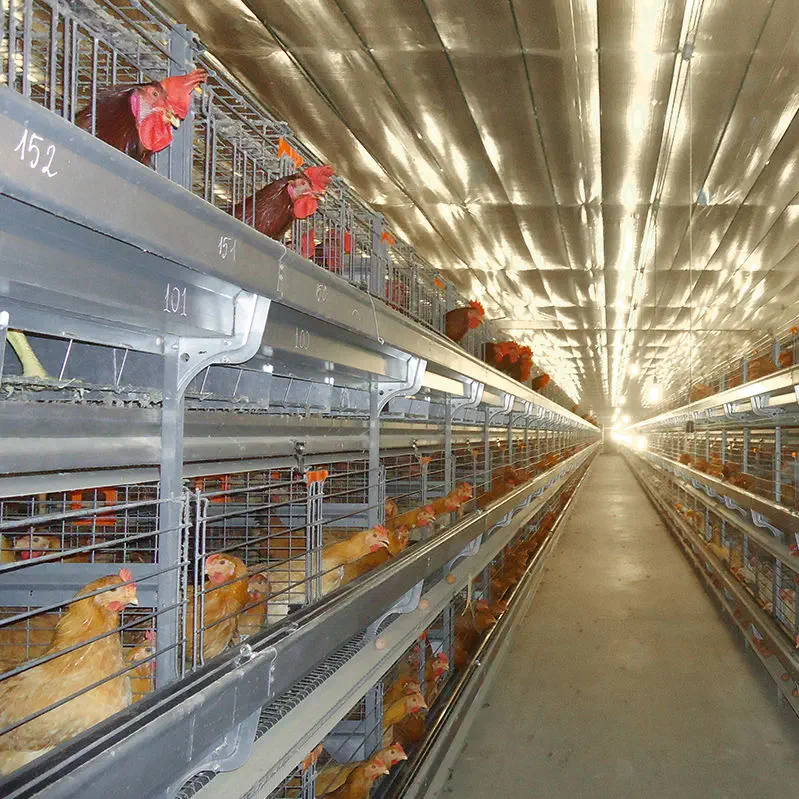
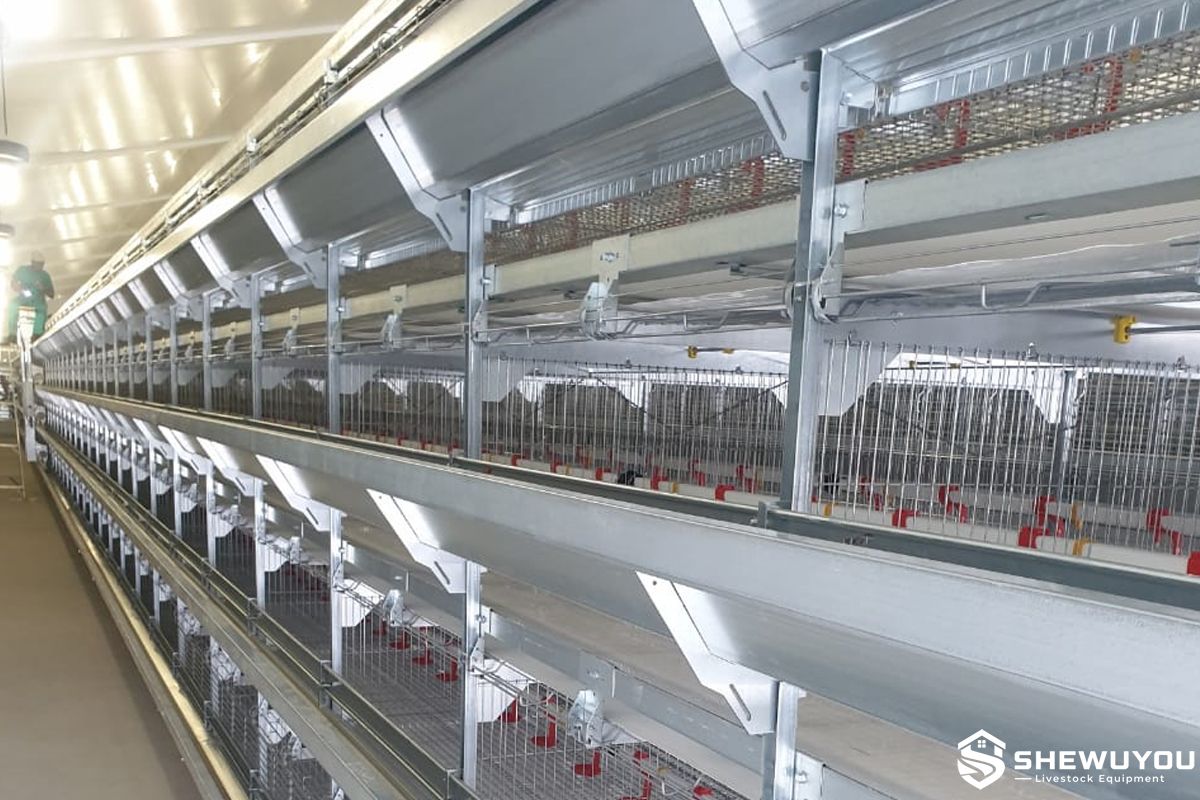
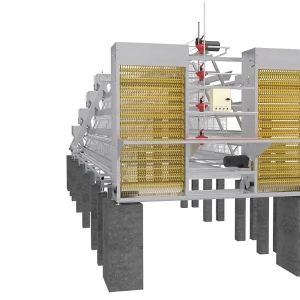
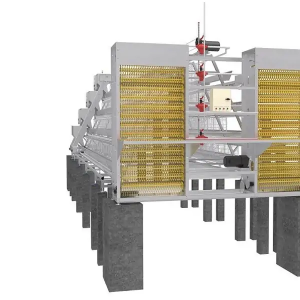
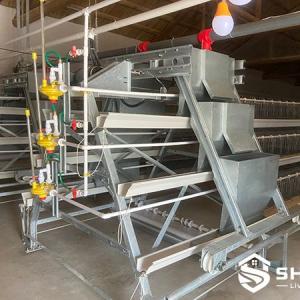
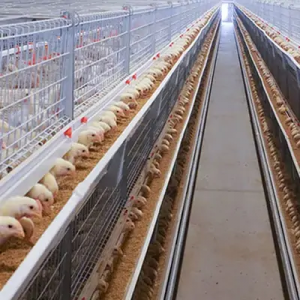
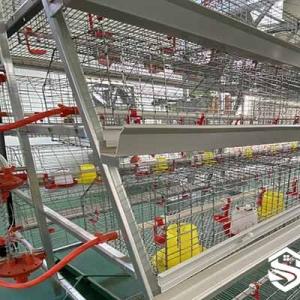
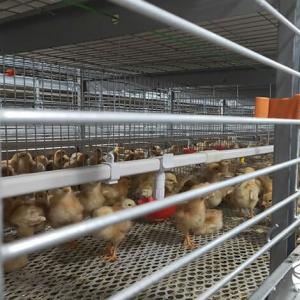
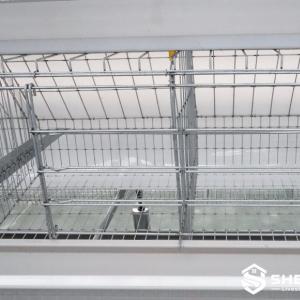
The Parent Stock Cage System is an integrated poultry housing solution engineered for commercial breeder flocks producing fertile hatching eggs. Compared with conventional layer housing, breeder cage equipment must accommodate the specific management requirements of parent-stock hens and roosters while supporting accurate feeding, reliable drinking, egg handling, manure management and daily flock inspection. The system is built around a corrosion-resistant galvanized cage structure and can integrate automatic feed distribution, nipple drinking lines, egg collection belts and manure removal equipment. Single-tier or multi-tier configurations can be engineered according to breeder type, poultry-house dimensions, required flock capacity and management strategy. For new steel structure poultry buildings and breeder-house modernization projects, the cage rows can be coordinated with ventilation, lighting, environmental control and material-handling systems to create an efficient complete-house solution. Final cage dimensions and stocking density should always be selected according to bird size, breeder management requirements, welfare standards and applicable local regulations. |
||||||||||||||||||||||||||||||||||
| Key Features |
|
||||||||||||||||||||||||||||||||||
| Structural Components |
|
||||||||||||||||||||||||||||||||||
| Working Principle |
Parent-stock birds are housed in dedicated cage compartments configured according to the selected breeder management program. Feed is distributed along the cage rows through manual or automatic feeding equipment, while nipple drinking lines provide water directly inside the bird-accessible area. After laying, eggs move away from the bird area toward the front collection zone through the designed floor gradient. In an automated installation, egg belts transport fertile eggs toward a cross conveyor, elevator or central collection point for subsequent grading and hatchery handling. Droppings fall away from the occupied cage area. Where manure belts are installed, manure is periodically transported from each tier to the end of the poultry house for discharge and further handling. The cage system can operate as part of an integrated breeder-house package together with ventilation fans, air inlets, cooling equipment, lighting and environmental controllers. |
||||||||||||||||||||||||||||||||||
| Technical Specifications |
Final cage dimensions, stocking density, male-to-female management arrangement, tier quantity and automation configuration should be determined according to breeder genetics, bird size, poultry-house dimensions, production objectives, welfare requirements and applicable local regulations. |
||||||||||||||||||||||||||||||||||
| Applications |
|
||||||||||||||||||||||||||||||||||
| Customization Options |
SHEWUYOU can configure the parent stock cage system according to breeder type, poultry-house dimensions, local climate, required automation level and complete farm project requirements.
|
||||||||||||||||||||||||||||||||||
| Installation & Maintenance |
Before installation, the poultry-house floor, structural dimensions, row positions and service routes should be checked against the approved equipment layout. Cage rows should be aligned accurately to support smooth feeding, egg collection and manure removal operation.
|
||||||||||||||||||||||||||||||||||
| Product FAQ |
Q1: What is a parent stock cage system? It is a specialized poultry housing system for breeder birds producing fertile eggs for hatcheries, with equipment configured around breeder feeding, drinking, egg handling and manure management. Q2: Is it different from a standard layer cage? Yes. Parent-stock housing must accommodate breeder management requirements, bird size, reproductive management and fertile egg handling rather than only commercial table-egg production. Q3: Can the system be fully automated? Yes. Automatic feeding, nipple drinking, egg collection, manure removal, lighting and environmental control can be integrated according to project requirements. Q4: Can cage dimensions be customized? Yes. Dimensions and tier arrangements should be selected according to breeder type, bird size, poultry-house dimensions, management requirements and applicable regulations. Q5: How are fertile eggs collected? Depending on the configuration, eggs can be collected manually or transferred by longitudinal egg belts to centralized collection equipment. Q6: How is manure removed from a multi-tier system? Automatic configurations normally use manure belts beneath cage tiers to transfer manure toward the discharge end of the poultry house. Q7: Can the cage system be integrated with a new poultry house? Yes. Cage rows can be coordinated with steel structure building dimensions, ventilation, lighting, egg transport, manure handling and environmental control systems. Q8: What information is needed for project design? Typical information includes breeder type, bird quantity, poultry-house dimensions, local climate, required automation level, preferred manure handling method, egg collection requirements and applicable local standards. |
||||||||||||||||||||||||||||||||||
| Product Gallery |
|
- Home
-
Products
- Pig Farming Equipment
- Cattle Farming Equipment
- Sheep & Goat Farming Equipment
- Poultry Farming Equipment
- Feeding & Drinking Systems
- Veterinary & Breeding Equipment
- Testing & Diagnostic Equipment
- Cleaning & Biosecurity Equipment
- Climate Control Equipment
- Livestock Weighing Equipment
- Manure & Waste Management
- Farm Transport & Handling
-
Solutions
- Pig Farm Solutions
- Dairy Farm Solutions
- Beef Cattle Farm Solutions
- Sheep & Goat Farm Solutions
- Layer Farm Solutions
- Broiler Farm Solutions
- Feeding & Drinking System Solutions
- Climate Control Solutions
- Biosecurity & Disinfection Solutions
- Manure & Waste Management
- Smart Farming Solutions
- Farm Renovation and Upgrade Solutions
- Partners
- Projects
- Resources
- News
- About Us
- Contact

Comments & Inquiries
Leave your questions or requirements below. We will reply as soon as possible.