
| Product Showcase | Content | ||||||||||||||||||||||||||||||
| Product Name | Bell Drinker Water Level Control Valve | ||||||||||||||||||||||||||||||
| Product Image | 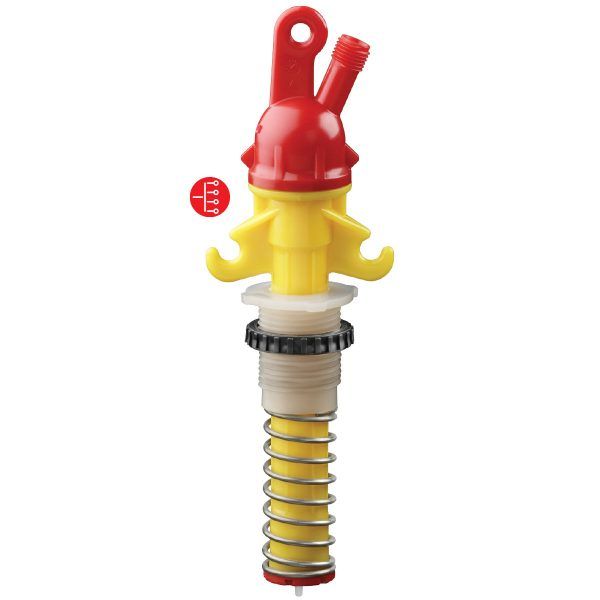 |
||||||||||||||||||||||||||||||
| Product Overview |
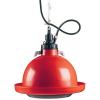
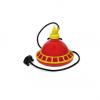
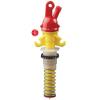
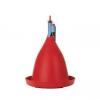
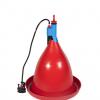
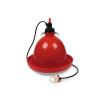
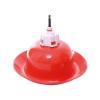
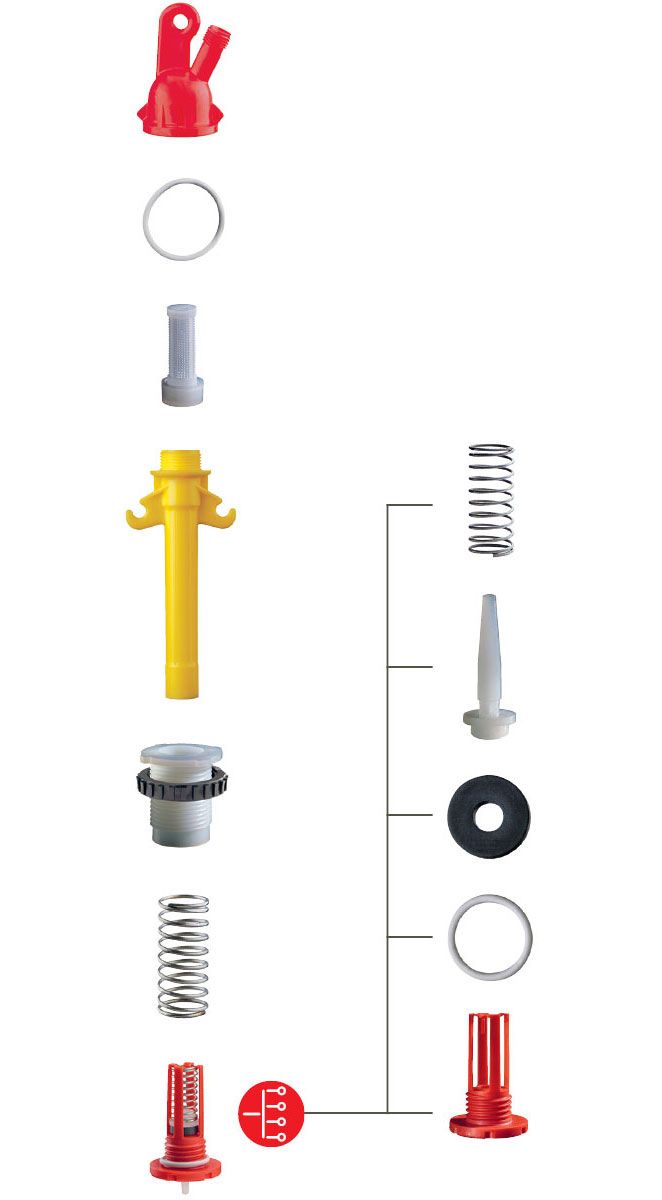
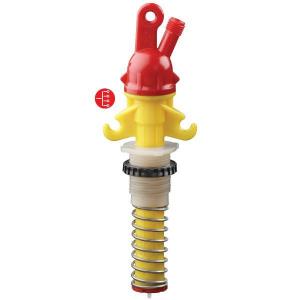
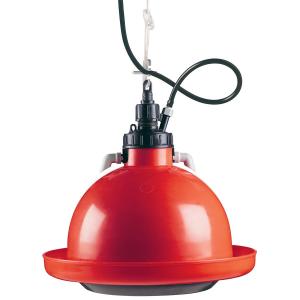
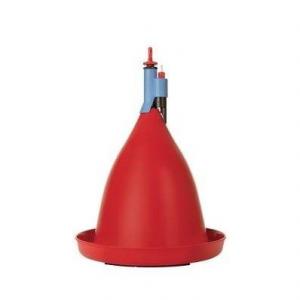
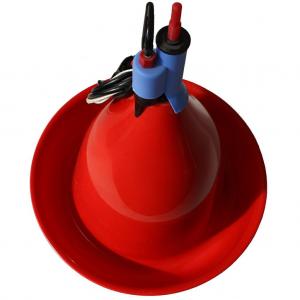
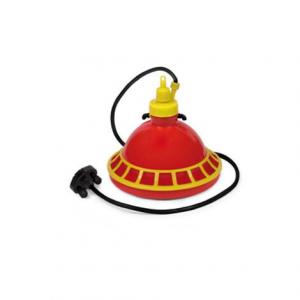
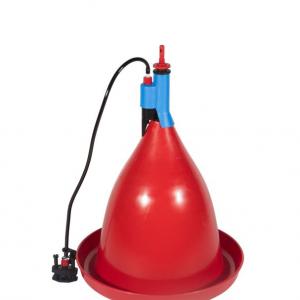
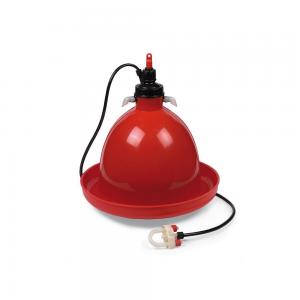
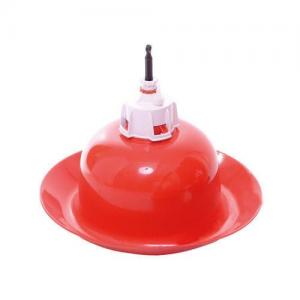
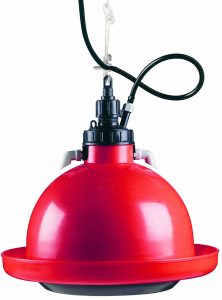
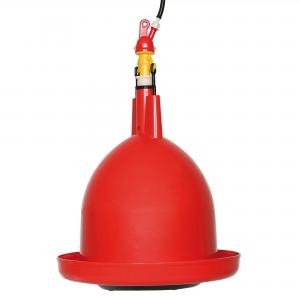
The Bell Drinker Water Level Control Valve is a mechanical regulating assembly designed for automatic poultry bell drinkers. Its primary function is to control incoming water and maintain the required water depth in the circular drinking trough as birds consume water. The valve assembly can incorporate an internal valve, spring, water-level adjuster, sealing components, filter element and hose connection. Correct adjustment enables the bell drinker to refill automatically while helping prevent excessive water depth, overflow and unnecessary litter moisture. Different valve arrangements can be supplied for standard suspended bell drinkers and larger drinkers equipped with ballast buckets. Inline and side-mounted valve configurations are available according to the drinker structure and poultry application. |
||||||||||||||||||||||||||||||
| Key Features |
|
||||||||||||||||||||||||||||||
| Structural Components |
|
||||||||||||||||||||||||||||||
| Working Principle / Structural Principle |
The control valve is installed at the upper section of an automatic bell drinker and connected to a regulated poultry water supply. As birds consume water from the trough, the suspended drinker mechanism responds to the change in load or mechanical position. The valve opens and allows additional water to enter the drinking channel. When the preset trough level is restored, spring force and the valve mechanism return the inlet to its closed or restricted position. This automatic cycle maintains a relatively stable drinking-water level without manual refilling. The maximum water level can be adjusted by changing the spring preload or the position of the water-level adjuster. Increasing or decreasing the adjustment distance changes the valve response according to the specific bell drinker design. |
||||||||||||||||||||||||||||||
| Technical Specifications |
|
||||||||||||||||||||||||||||||
| Applications |
The valve is suitable both as an original component in complete bell drinkers and as a replacement assembly for compatible poultry drinking equipment. Correct valve selection must match the drinker structure, water supply and suspension system. |
||||||||||||||||||||||||||||||
| Customization Options |
Final valve dimensions and mechanical settings should be selected according to the bell drinker model, bird category, water pressure and project requirements. |
||||||||||||||||||||||||||||||
| Installation & Maintenance |
Confirm Compatibility: Verify the bell drinker model, mounting interface, hose size and valve arrangement before installation. Flush the Water Supply: Remove sediment and installation debris from the supply hose before connecting the valve. Install the Valve Vertically: Position the control mechanism correctly so the suspended drinker can move freely and regulate the inlet valve. Set Water Pressure: Use a suitable pressure regulator upstream of the drinker. Excessive inlet pressure can affect water-level control and increase overflow risk. Adjust Spring Preload: Set the water-level adjustment according to the drinker model and required trough depth. Check Automatic Refill: Remove a small amount of water from the trough and confirm that the valve opens, refills and closes correctly. Inspect Filtration: Clean the filter element periodically to prevent restricted flow caused by sediment or debris. Check Seals: Inspect O-rings, washers and valve seating surfaces for leakage, deformation or wear. Replace Worn Springs: Springs that are corroded, distorted or fatigued should be replaced to maintain accurate level control. Between Flocks: Disassemble accessible valve components, clean deposits and disinfect according to the farm sanitation program. |
||||||||||||||||||||||||||||||
| Project Cases |
For commercial broiler and layer houses using suspended bell drinkers, replacement valve mechanisms can restore automatic refill performance without replacing the complete drinking unit. In turkey and goose installations with ballast-bucket bell drinkers, a side-valve configuration can be selected to suit the heavier drinking-unit structure and waterfowl housing arrangement. For poultry equipment distributors and farm maintenance programs, valve mechanisms, springs, seals and water-level adjusters can be supplied as spare-part kits for routine service and drinking-system refurbishment. |
||||||||||||||||||||||||||||||
| Product FAQ |
Q1: What does a bell drinker water level control valve do? Q2: Does the valve require electricity? Q3: Can the water level be adjusted? Q4: What is the difference between an inline valve and a side valve? Q5: Which hose sizes are used with comparable LUBING valves? Q6: What water pressure should be used? Q7: Why does the valve include a spring? Q8: Why is a filter element useful? Q9: Can individual components be replaced? Q10: Can the valve be customized for different bell drinkers? |
||||||||||||||||||||||||||||||
| Product Gallery |
|
- Home
-
Products
- Pig Farming Equipment
- Cattle Farming Equipment
- Sheep & Goat Farming Equipment
- Poultry Farming Equipment
- Feeding & Drinking Systems
- Veterinary & Breeding Equipment
- Testing & Diagnostic Equipment
- Cleaning & Biosecurity Equipment
- Climate Control Equipment
- Livestock Weighing Equipment
- Manure & Waste Management
- Farm Transport & Handling
-
Solutions
- Pig Farm Solutions
- Dairy Farm Solutions
- Beef Cattle Farm Solutions
- Sheep & Goat Farm Solutions
- Layer Farm Solutions
- Broiler Farm Solutions
- Feeding & Drinking System Solutions
- Climate Control Solutions
- Biosecurity & Disinfection Solutions
- Manure & Waste Management
- Smart Farming Solutions
- Farm Renovation and Upgrade Solutions
- Partners
- Projects
- Resources
- News
- About Us
- Contact
Comments & Inquiries
Leave your questions or requirements below. We will reply as soon as possible.