
| Product Showcase | Content | ||||||||||||||||||||||||||||||||
| Product Name | Duck & Goose Bell Drinker | ||||||||||||||||||||||||||||||||
| Product Image | 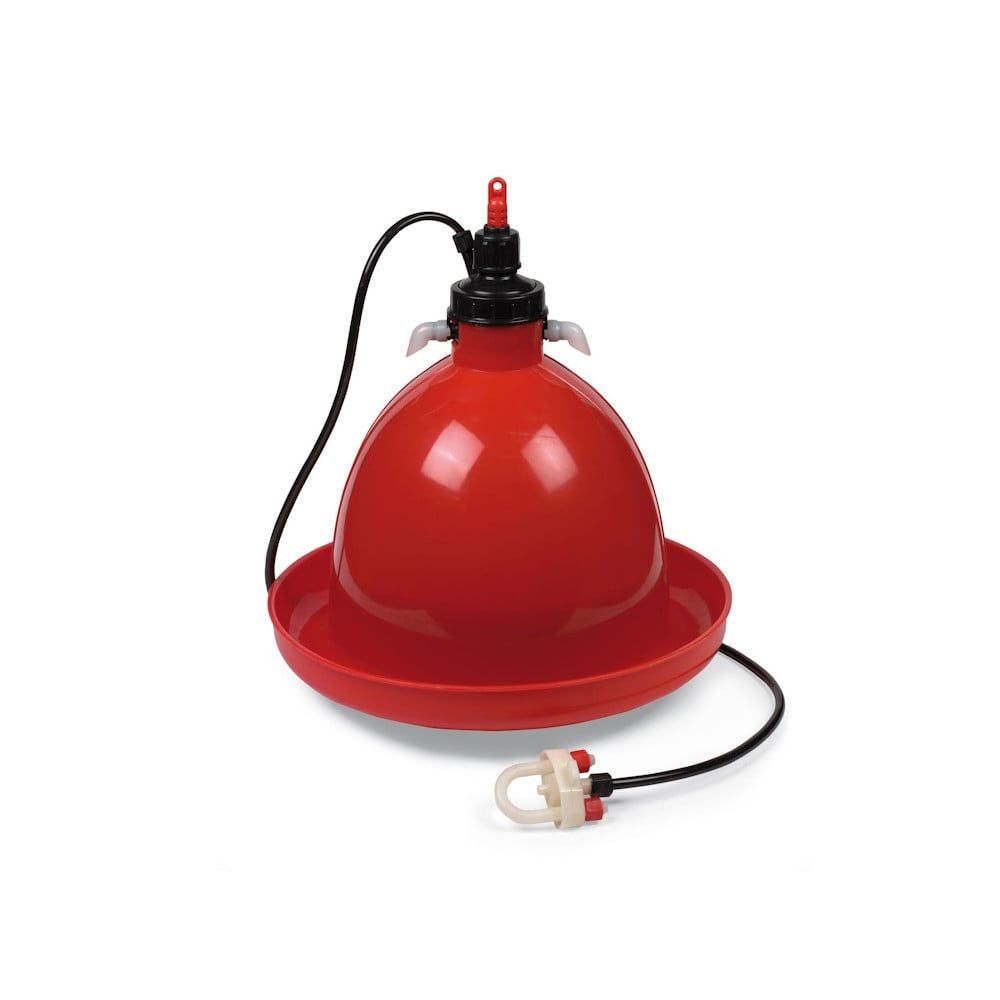 |
||||||||||||||||||||||||||||||||
| Product Overview |
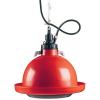
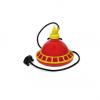
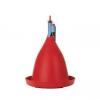
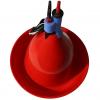
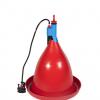
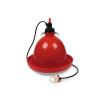
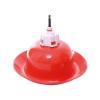
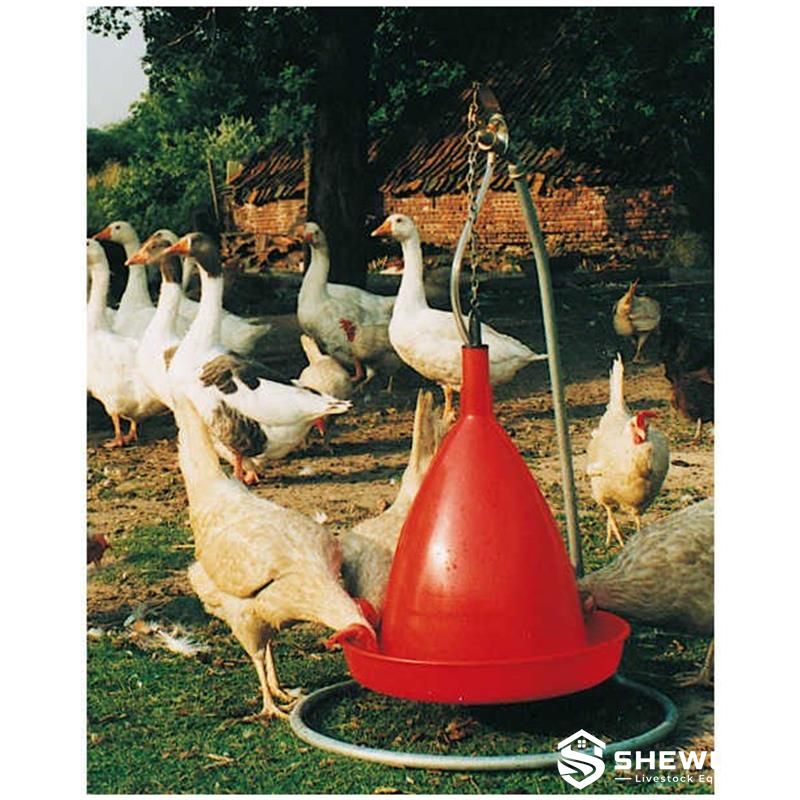
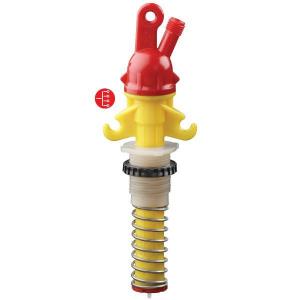
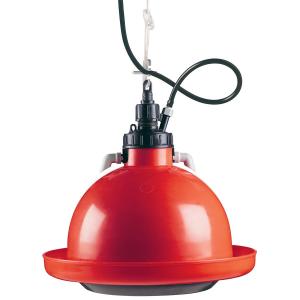
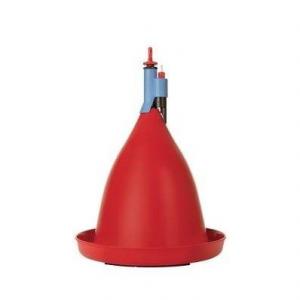
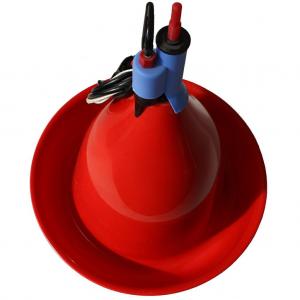
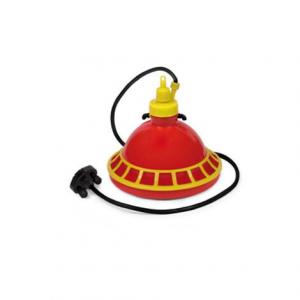
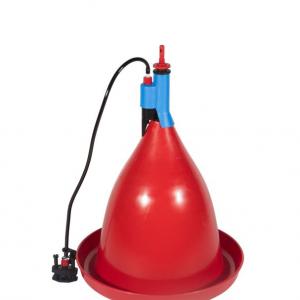
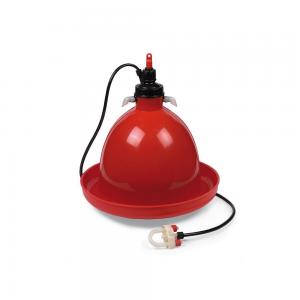
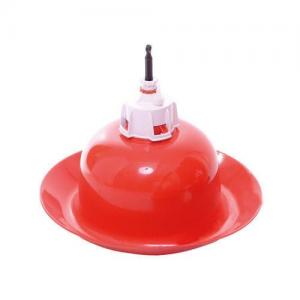
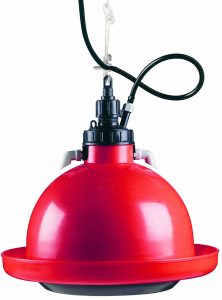
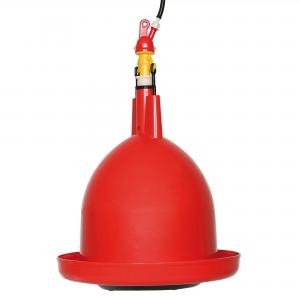
The Duck & Goose Bell Drinker is an automatic open-water drinking unit designed for waterfowl and other large poultry requiring convenient access to a wider drinking channel. The suspended bell-shaped structure combines automatic water-level regulation with a circular trough that allows birds to drink from all sides. Compared with smaller chicken drinkers, waterfowl configurations can use a wider and deeper drinking channel to improve access for larger bills. An automatic mechanical valve replenishes water as birds drink, reducing manual filling requirements and maintaining a consistent drinking level throughout the production cycle. The drinker can be connected to a regulated low-pressure poultry water line and suspended from the roof structure or dedicated support system. Water level, suspension height, hose configuration and drinker spacing can be selected according to bird size, stocking density, house layout and project requirements. |
||||||||||||||||||||||||||||||||
| Key Features |
|
||||||||||||||||||||||||||||||||
| Structural Components |
|
||||||||||||||||||||||||||||||||
| Working Principle / Structural Principle |
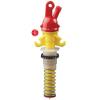
The drinker is connected to a regulated water supply through a flexible hose. Water enters the automatic valve and flows into the circular trough. As ducks or geese consume water, the mechanical balance of the drinker changes and the valve allows additional water to enter. When the selected water level is restored, the valve restricts further flow. The spring or valve adjustment determines the maximum water level in the drinking channel. Proper adjustment provides sufficient drinking depth while helping reduce unnecessary overflow and wet litter. The suspended structure allows the entire unit to be raised as birds grow. Large-bird configurations can incorporate a ballast bucket or counterweight to keep the drinker stable during contact with heavier waterfowl. |
||||||||||||||||||||||||||||||||
| Technical Specifications |
|
||||||||||||||||||||||||||||||||
| Applications |
The drinker is suitable for waterfowl facilities where simple automatic refill, open drinking access and easy daily inspection are important management requirements. For commercial duck and goose projects, multiple drinkers can be connected to a common regulated water-distribution line and coordinated with feeding equipment, drainage, ventilation and other livestock-house systems. |
||||||||||||||||||||||||||||||||
| Customization Options |
The final configuration can be designed according to duck or goose breed, bird age, stocking density, drinking behavior, house dimensions, local climate and project requirements. |
||||||||||||||||||||||||||||||||
| Installation & Maintenance |
Water Supply: Connect the drinker to a clean and correctly regulated low-pressure water source. Suspension: Hang the drinker vertically from a secure overhead structure using suitable suspension hardware. Initial Height: Set the drinking channel at a comfortable height for the age and body size of the birds. Water-Level Adjustment: Adjust the spring or valve mechanism until the required trough water depth is achieved without excessive overflow. Ballast: Install or fill the ballast component according to the selected model to improve stability when large birds contact the drinker. Floor Management: Where possible, position waterfowl drinking areas over suitable drainage or moisture-control zones to reduce wet litter. Daily Cleaning: Remove feed, bedding and organic contamination from the open drinking channel regularly. Valve Inspection: Check the valve, spring, hose connections and adjustment components for leakage, blockage or wear. Between Flocks: Thoroughly clean and disinfect the complete bell drinker, hose and water-supply components before reuse. |
||||||||||||||||||||||||||||||||
| Project Cases |
In a commercial goose house, large-channel automatic bell drinkers can be suspended along the water-distribution line to provide convenient access for adult birds while reducing manual watering labor. In duck-rearing projects, drinker quantity and water-channel dimensions can be selected according to flock size and bird age, with drainage planning included around high-water-use areas. For new steel structure waterfowl houses, suspension points, supply piping and drinking zones can be coordinated with the building structure, feeding equipment and drainage layout during project design. |
||||||||||||||||||||||||||||||||
| Product FAQ |
Q1: Can automatic bell drinkers be used for ducks and geese? Q2: How does the automatic refill system work? Q3: Why is a larger trough useful for geese? Q4: What pressure is required? Q5: Can the water level be adjusted? Q6: How many geese can use one drinker? Q7: Does the drinker require electricity? Q8: Why is a ballast bucket used? Q9: Is regular cleaning important? Q10: Can the system be customized for a complete duck or goose house? |
||||||||||||||||||||||||||||||||
| Product Gallery |
|
- Home
-
Products
- Pig Farming Equipment
- Cattle Farming Equipment
- Sheep & Goat Farming Equipment
- Poultry Farming Equipment
- Feeding & Drinking Systems
- Veterinary & Breeding Equipment
- Testing & Diagnostic Equipment
- Cleaning & Biosecurity Equipment
- Climate Control Equipment
- Livestock Weighing Equipment
- Manure & Waste Management
- Farm Transport & Handling
-
Solutions
- Pig Farm Solutions
- Dairy Farm Solutions
- Beef Cattle Farm Solutions
- Sheep & Goat Farm Solutions
- Layer Farm Solutions
- Broiler Farm Solutions
- Feeding & Drinking System Solutions
- Climate Control Solutions
- Biosecurity & Disinfection Solutions
- Manure & Waste Management
- Smart Farming Solutions
- Farm Renovation and Upgrade Solutions
- Partners
- Projects
- Resources
- News
- About Us
- Contact
Comments & Inquiries
Leave your questions or requirements below. We will reply as soon as possible.