
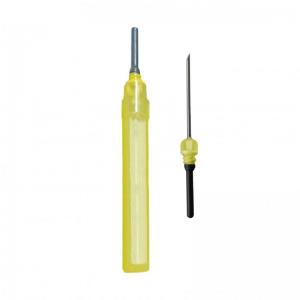
| Product Name | Large Animal Veterinary Blood Collection Needle | ||||||||||||||||||||||
| Product Image | 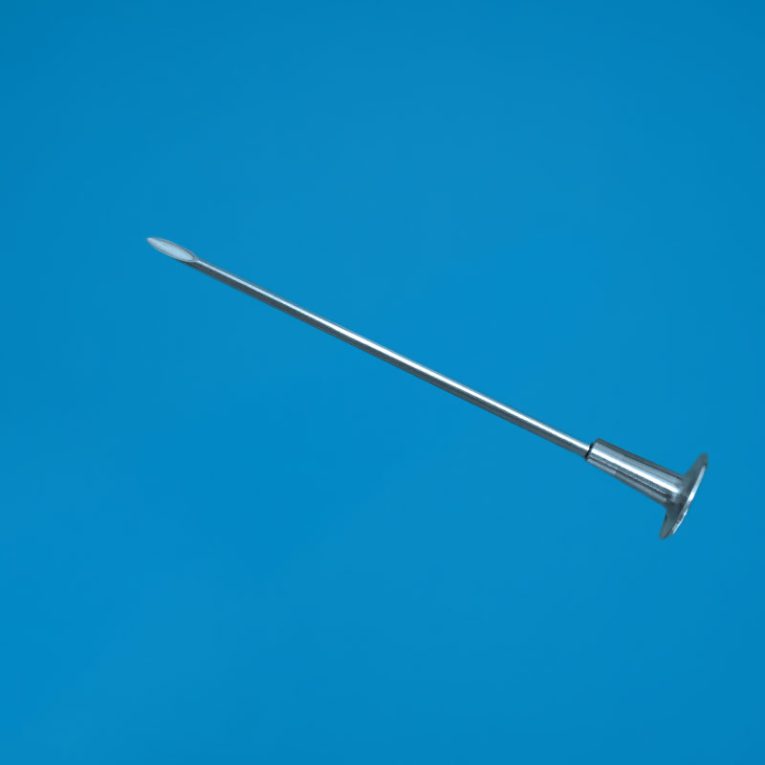 |
||||||||||||||||||||||
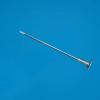
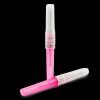
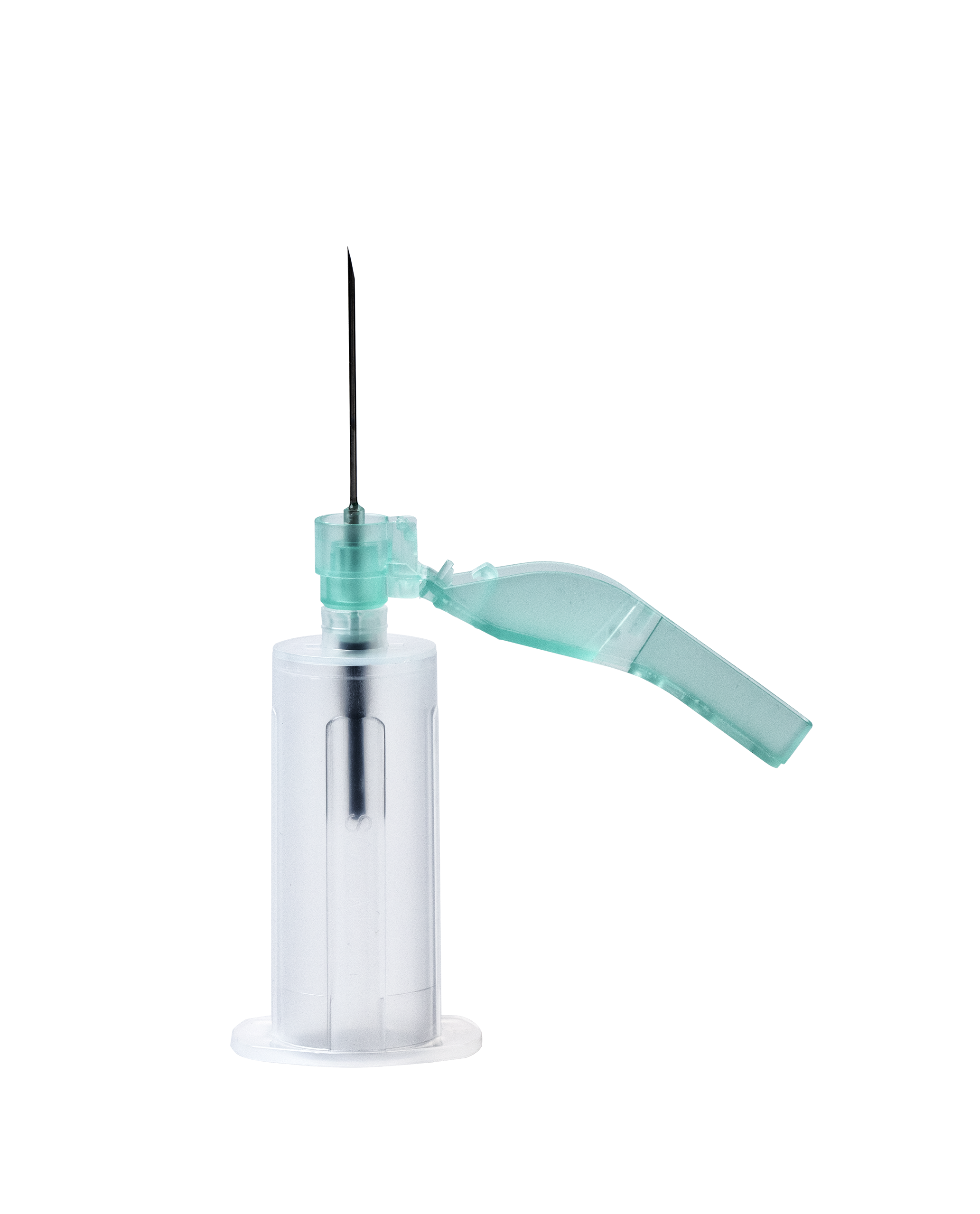
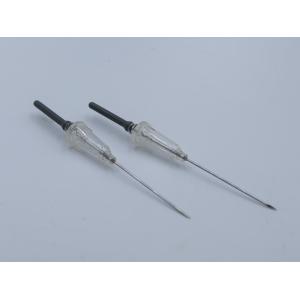
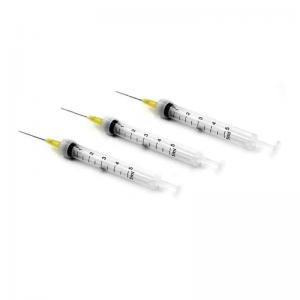
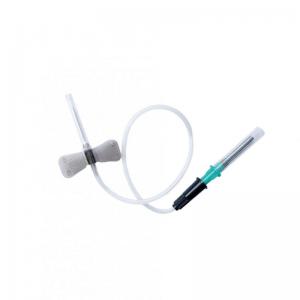
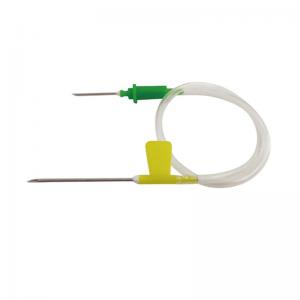
| Product Overview | The Large Animal Veterinary Blood Collection Needle is a single-use hollow cannula designed for efficient venous blood collection in cattle, horses and other livestock. Its thin-wall construction and generous internal lumen support smooth blood flow while helping reduce unnecessary tissue trauma during venipuncture. The needle is manufactured from medical-grade stainless steel and features a finely ground sharp tip for rapid vein penetration. A standard Luer connection allows the needle to be used with compatible blood collection systems, vacuum collection equipment or veterinary syringes. It is suitable for commercial livestock farms, veterinary clinics, diagnostic laboratories, breeding operations and herd health programs where reliable blood sampling is required for routine testing, disease surveillance, reproductive management and animal health monitoring. |
||||||||||||||||||||||
| Key Features |
|
||||||||||||||||||||||
| Structural Components |
|
||||||||||||||||||||||
| Working Principle | The needle is connected to a compatible syringe, blood collection holder or vacuum collection system. After the animal is properly restrained and the venipuncture site is prepared, the sharpened cannula is inserted into the selected vein by trained veterinary personnel. Once venous access is established, blood flows through the hollow stainless steel cannula into the connected syringe or collection tube. The thin-wall construction provides a comparatively large internal passage while maintaining the external dimensions required for controlled venipuncture. For cattle and other large animals, sampling may be performed from the jugular or other appropriate veins according to veterinary protocol, animal size and diagnostic requirements. |
||||||||||||||||||||||
| Technical Specifications |
|
||||||||||||||||||||||
| Applications |
|
||||||||||||||||||||||
| Customization Options |
|
||||||||||||||||||||||
| Use & Handling | Select the needle diameter and length according to animal species, body size, target vein, blood volume requirement and veterinary sampling protocol. Properly restrain the animal and prepare the blood collection site using an appropriate aseptic procedure. Connect the needle securely to the selected syringe or blood collection system before venipuncture. For jugular blood collection in cattle, the vein should be appropriately identified and distended before needle insertion. When using a vacuum blood collection system, stabilize the needle while changing collection tubes to reduce movement at the venipuncture site. After blood collection, remove the needle carefully and apply appropriate pressure to the puncture site until bleeding is controlled. Used needles must be discarded immediately in an approved sharps container according to local veterinary and biohazard regulations. |
||||||||||||||||||||||
| Product FAQ | Is this needle suitable for cattle blood collection? Yes. This type of veterinary blood collection cannula is suitable for cattle when an appropriate diameter and length are selected for the intended venous access. Can it be used with a vacuum blood collection system? Yes. A Luer-connected blood collection cannula can be configured for use with compatible veterinary blood collection systems, vacuum tubes or syringes. Why is a thin-wall needle useful for blood collection? Thin-wall construction provides a larger internal lumen relative to the outer diameter, helping promote efficient blood flow during sampling. Can different needle sizes be supplied? Yes. Different diameters and lengths can be supplied according to animal species, sampling site and project requirements. Can the needle be reused? No. This product configuration is intended for single use and should be disposed of in an approved sharps container after the procedure. Who should perform blood collection? Venous blood collection should be performed by trained veterinary personnel following appropriate animal restraint, aseptic technique and local veterinary regulations. |
||||||||||||||||||||||
| Product Gallery | 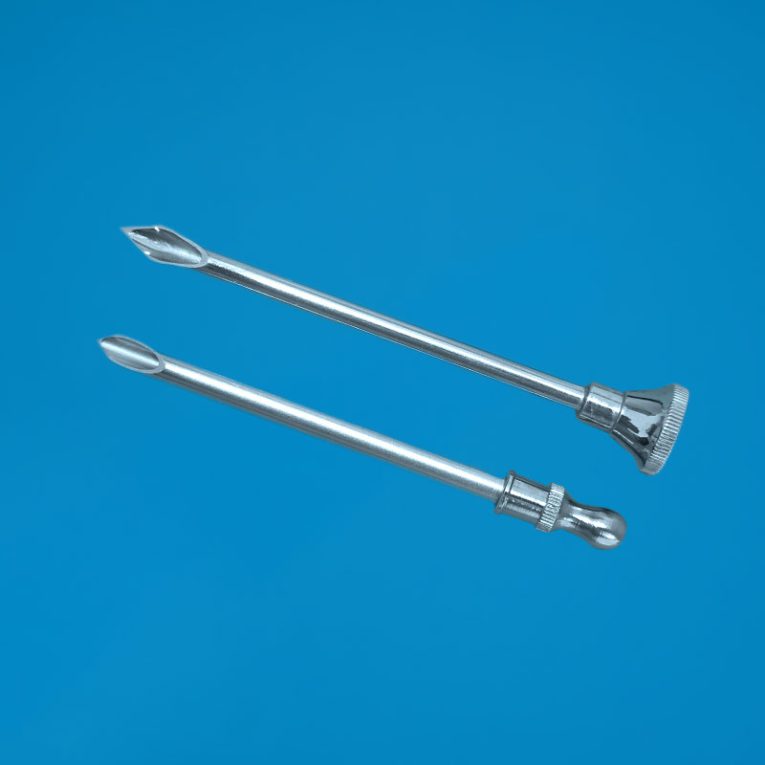 |
- Home
-
Products
- Pig Farming Equipment
- Cattle Farming Equipment
- Sheep & Goat Farming Equipment
- Poultry Farming Equipment
- Feeding & Drinking Systems
- Veterinary & Breeding Equipment
- Testing & Diagnostic Equipment
- Cleaning & Biosecurity Equipment
- Climate Control Equipment
- Livestock Weighing Equipment
- Manure & Waste Management
- Farm Transport & Handling
-
Solutions
- Pig Farm Solutions
- Dairy Farm Solutions
- Beef Cattle Farm Solutions
- Sheep & Goat Farm Solutions
- Layer Farm Solutions
- Broiler Farm Solutions
- Feeding & Drinking System Solutions
- Climate Control Solutions
- Biosecurity & Disinfection Solutions
- Manure & Waste Management
- Smart Farming Solutions
- Farm Renovation and Upgrade Solutions
- Partners
- Projects
- Resources
- News
- About Us
- Contact
Comments & Inquiries
Leave your questions or requirements below. We will reply as soon as possible.