





| Product Showcase | Content | ||||||||||||||||||||||
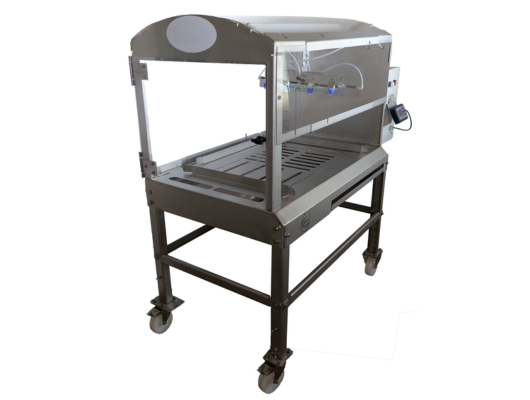
| Product Name | Stand-Alone Chick Box Spray Vaccinator | ||||||||||||||||||||||
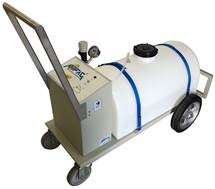
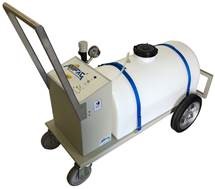
| Product Image | 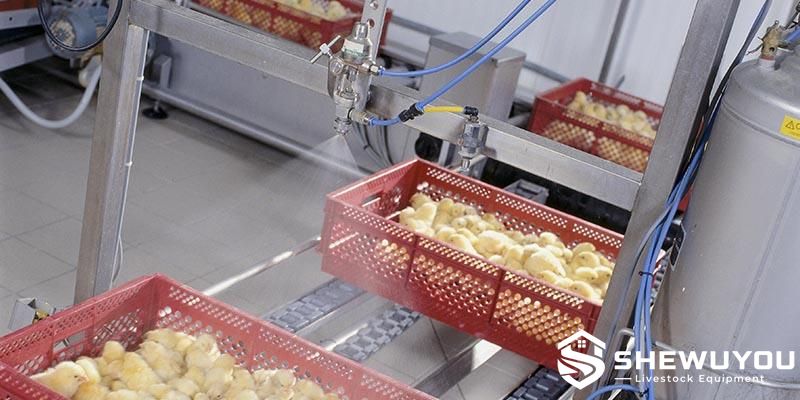 |
||||||||||||||||||||||
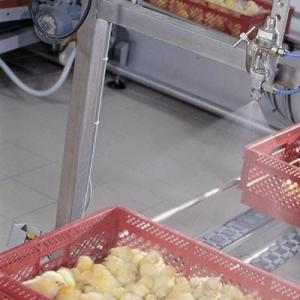
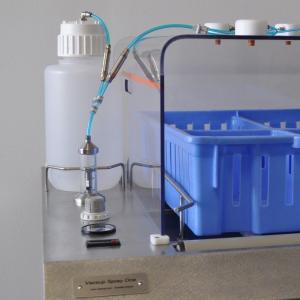
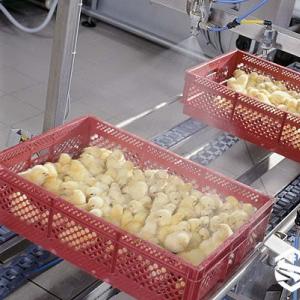
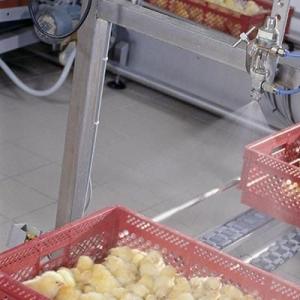
| Product Overview | The Stand-Alone Chick Box Spray Vaccinator is an automatic hatchery vaccination system designed for the efficient spray application of approved poultry vaccines to day-old chicks. The equipment uses compressed air to create a controlled vaccine mist inside the chick box. An automatic detection system identifies the presence of a chick box and activates the spray cycle only when the box is correctly positioned. The stand-alone configuration allows the unit to be installed as an independent vaccination station. It can also be positioned over the output conveyor of a chick counting and boxing system for inline hatchery vaccination. The compact stainless-steel structure, transparent spray protection and automatic operation make the system suitable for commercial hatcheries, poultry integrators, breeder operations, veterinary service providers and hatchery automation projects. |
||||||||||||||||||||||
| Key Features |
|
||||||||||||||||||||||
| Structural Components |
The component arrangement can be customized according to the hatchery layout, chick-box dimensions and automation requirements. |
||||||||||||||||||||||
| Working Principle / Structural Principle | The chick box is positioned beneath the spray unit either manually or by means of a connected conveyor system. Once the detection sensor identifies the box, the automatic spray cycle is activated. Compressed air is used to atomize the vaccine solution through the spray nozzle assembly, producing a fine mist directed toward the chicks inside the box. The transparent spray guard helps keep the spray within the designated vaccination area while allowing the operator to monitor the process. After the chick box leaves the detection area, the spray cycle stops automatically. Spray volume, droplet characteristics, air pressure, application distance and conveyor speed should be adjusted according to the specific vaccine manufacturer's instructions and applicable veterinary protocol. |
||||||||||||||||||||||
| Technical Specifications |
Reference technical data is based on the comparable manufacturer configuration. Final specifications are subject to the selected equipment design. |
||||||||||||||||||||||
| Applications |
The equipment should only be used with vaccines specifically approved or labeled for spray administration and according to the applicable veterinary protocol. |
||||||||||||||||||||||
| Customization Options | The Stand-Alone Chick Box Spray Vaccinator can be configured to match different hatchery layouts and production capacities.
Customization is available according to project requirements, chick-box dimensions, production-line configuration and local hatchery conditions. |
||||||||||||||||||||||
| Installation & Maintenance | The stand-alone unit can be positioned at a suitable hatchery vaccination station. For inline applications, the spray unit can be installed over the discharge conveyor of a compatible chick counting and boxing system. During installation, the spray chamber, chick-box detection sensor and nozzle assembly should be correctly aligned with the box travel path. The compressed-air supply should meet the required operating conditions. Before normal operation, check the spray pattern, sensor response, nozzle condition and vaccine delivery circuit. Application parameters should be verified using the selected vaccine manufacturer's instructions. After operation, clean and disinfect vaccine-contact surfaces, spray nozzles, hoses and protective components according to the equipment maintenance procedure and vaccine requirements. Regular inspection of pneumatic fittings, sensors, spray nozzles, protective covers and stainless-steel components helps maintain reliable performance and hygienic hatchery operation. |
||||||||||||||||||||||
| Product FAQ |
Q1: What is a Stand-Alone Chick Box Spray Vaccinator? Q2: Can the unit be connected to a conveyor? Q3: How is the spray activated? Q4: What material is used for the main structure? Q5: What is the reference processing capacity? Q6: Can the machine be customized? Q7: Which vaccines can be applied? |
||||||||||||||||||||||
| Product Gallery |
|
- Home
-
Products
- Pig Farming Equipment
- Cattle Farming Equipment
- Sheep & Goat Farming Equipment
- Poultry Farming Equipment
- Feeding & Drinking Systems
- Veterinary & Breeding Equipment
- Testing & Diagnostic Equipment
- Cleaning & Biosecurity Equipment
- Climate Control Equipment
- Livestock Weighing Equipment
- Manure & Waste Management
- Farm Transport & Handling
-
Solutions
- Pig Farm Solutions
- Dairy Farm Solutions
- Beef Cattle Farm Solutions
- Sheep & Goat Farm Solutions
- Layer Farm Solutions
- Broiler Farm Solutions
- Feeding & Drinking System Solutions
- Climate Control Solutions
- Biosecurity & Disinfection Solutions
- Manure & Waste Management
- Smart Farming Solutions
- Farm Renovation and Upgrade Solutions
- Partners
- Projects
- Resources
- News
- About Us
- Contact
Comments & Inquiries
Leave your questions or requirements below. We will reply as soon as possible.