
| Product Name | EID Sheep Weighing & Restraining Handler | ||||||||||||||||||||||||||||||
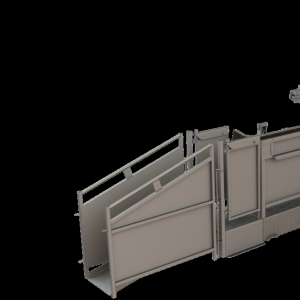
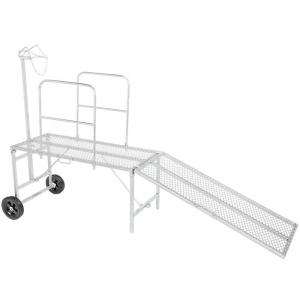
| Product Image | 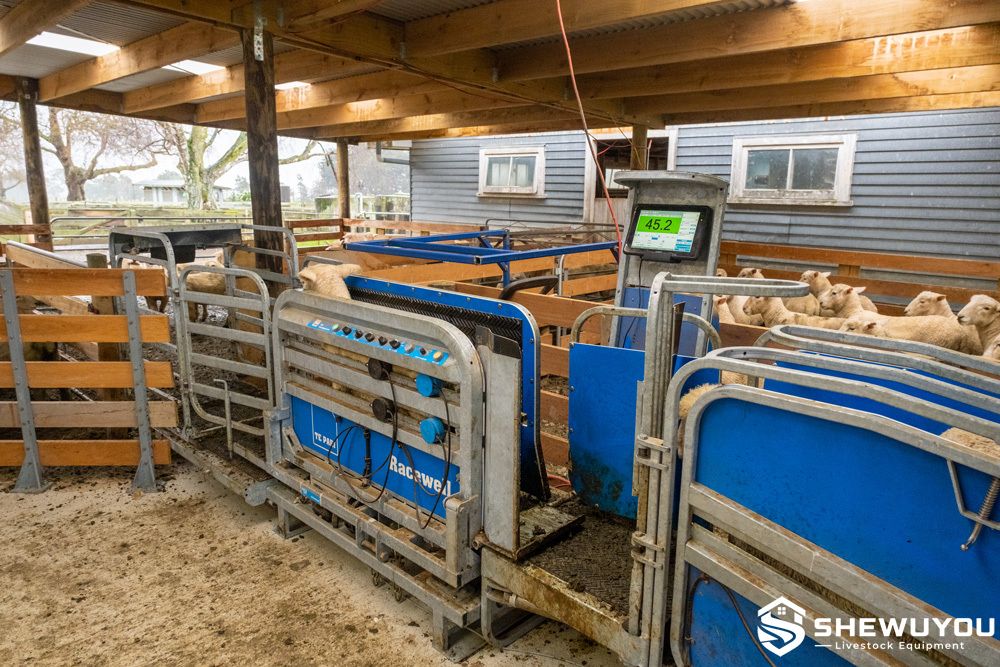 |
||||||||||||||||||||||||||||||
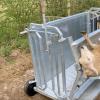
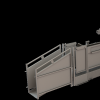
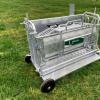
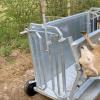
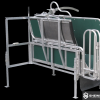
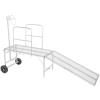
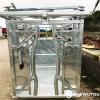
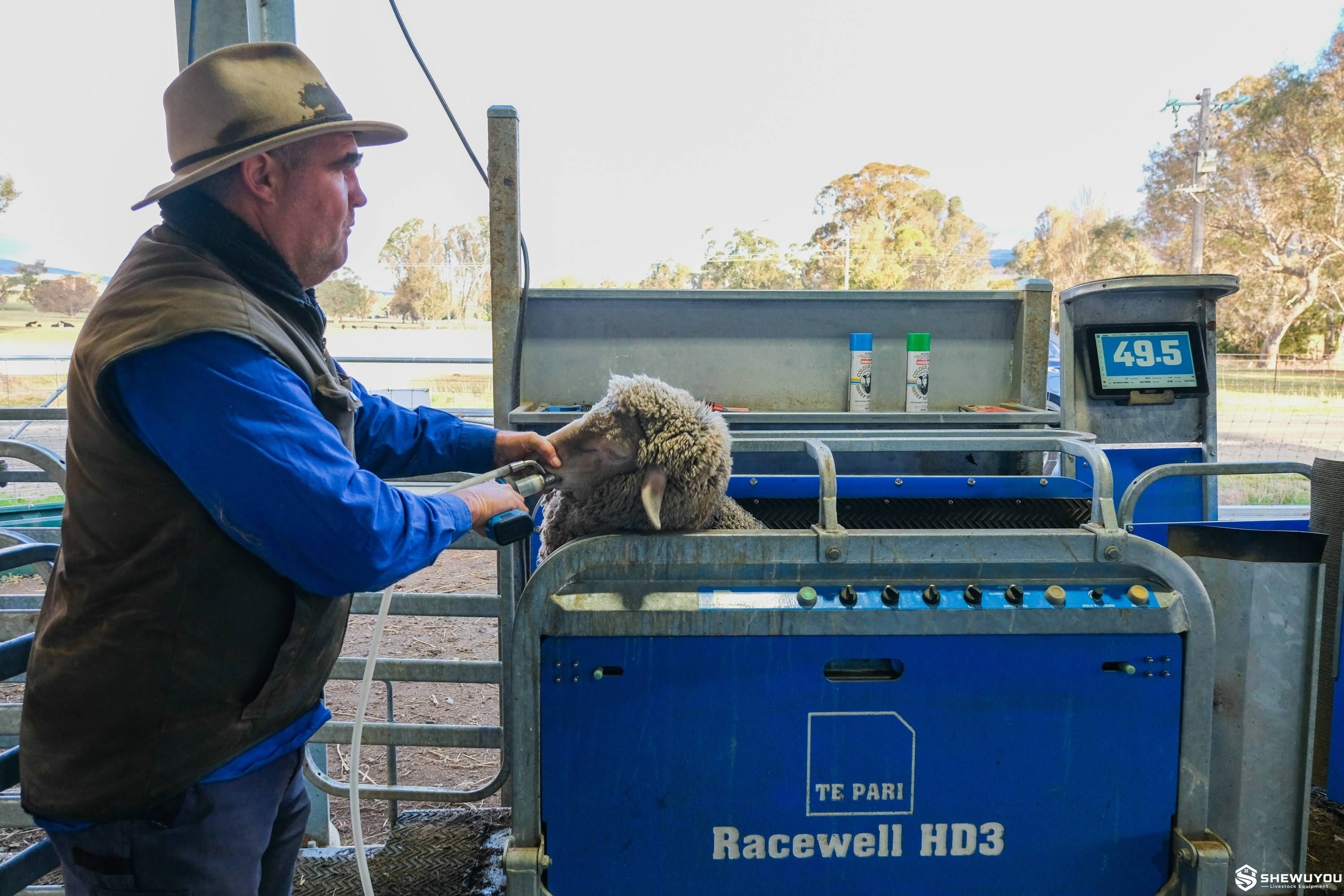
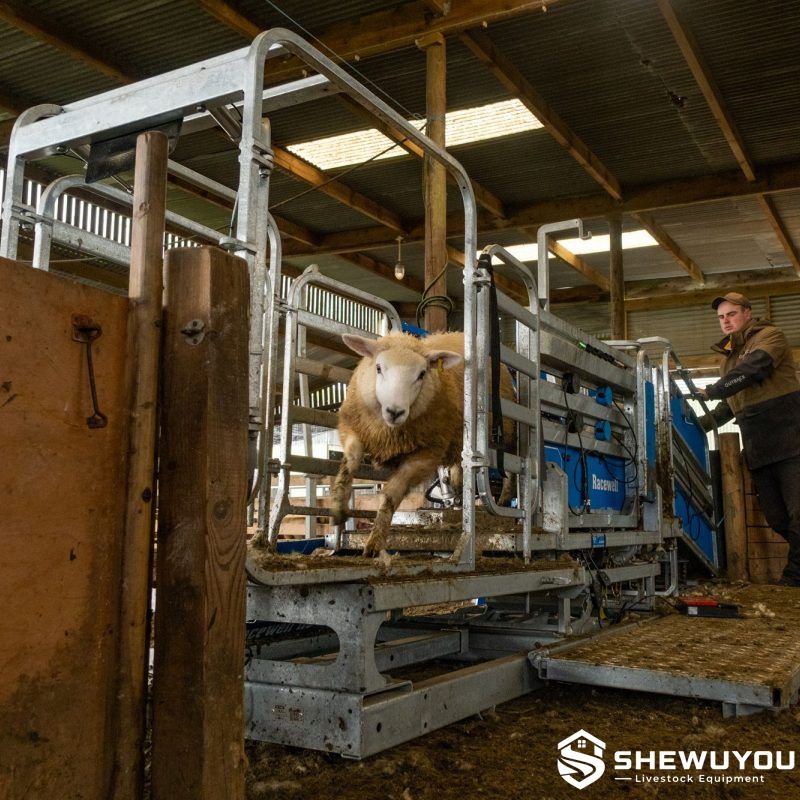
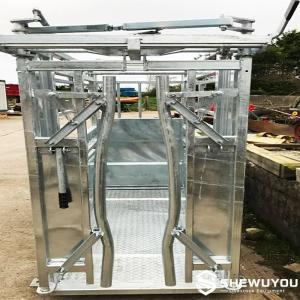
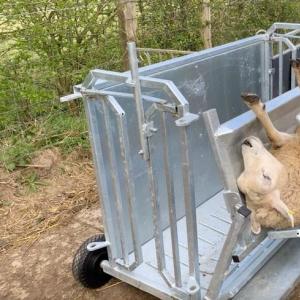
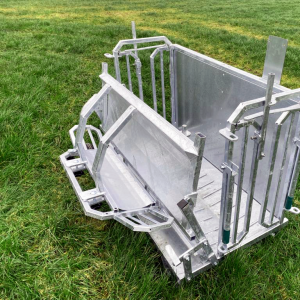
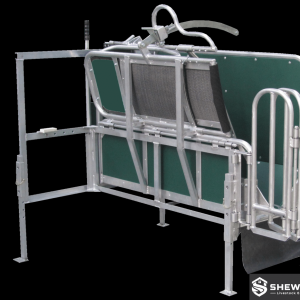
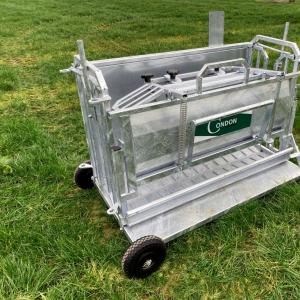
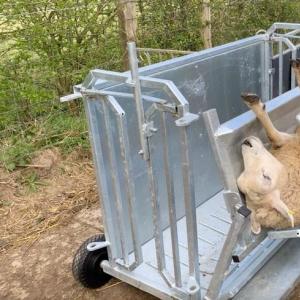
| Product Overview | The EID Sheep Weighing & Restraining Handler is an integrated livestock management system designed to combine individual electronic identification, live-weight measurement, controlled restraint and routine goat-farming-equipment/" target="_blank" class="keylink">sheep handling within one working station. When configured with compatible EID equipment, weighing components and farm management software, each sheep can be identified through its electronic ear tag and linked with individual weight and treatment records. The restraining section keeps the animal in a controlled position for weighing, inspection, drenching, vaccination, tagging, hoof care and other routine management procedures. The equipment is suitable for commercial sheep farms, breeding operations, finishing farms, livestock service contractors and complete sheep handling projects where reliable animal identification and efficient data collection are required. |
||||||||||||||||||||||||||||||
| Key Features |
|
||||||||||||||||||||||||||||||
| Structural Components |
|
||||||||||||||||||||||||||||||
| Working Principle | Sheep move individually from the lead-up race into the restraining and weighing chamber. The anti-backing structure helps maintain forward animal flow while the restraint system positions the sheep for measurement or treatment. When an EID system is installed, the reader detects the animal's compatible electronic ear tag and sends the identification information to the connected indicator or management system. The weighing components measure live weight and associate the measurement with the corresponding animal record. During the holding period, the operator can perform procedures such as visual inspection, drenching, vaccination, tagging, condition assessment or hoof examination. After processing, the exit gate releases the sheep. Where automatic drafting is specified, the control system can select the appropriate exit according to predefined management criteria. |
||||||||||||||||||||||||||||||
| Technical Specifications |
|
||||||||||||||||||||||||||||||
| Applications |
|
||||||||||||||||||||||||||||||
| Customization Options | SHEWUYOU can configure the handler according to flock size, sheep breed, animal weight range, handling frequency, existing yard layout and required level of automation. Available customization can include EID reader configuration, weighing indicator, load-cell system, restraint method, passage width, entry and exit gates, drafting layout, remote controls, mounting frame, mobile chassis and connection with existing livestock handling equipment. Data collection and communication functions can also be selected according to the farm management platform and project requirements. Structural and electrical configurations can be designed according to local climate and farm conditions. |
||||||||||||||||||||||||||||||
| Installation & Maintenance | Install the handler on a firm and level working area and align the entrance with the sheep race to maintain smooth animal flow. Surrounding livestock panels and gates should be securely connected to prevent gaps or abrupt changes in passage width. Before commissioning, check the restraint movement, entry and exit gates, EID reader position, weighing indicator and load-cell connections. The weighing system should be calibrated according to the selected indicator manufacturer's requirements. Routine maintenance includes removing manure and debris from the weighing area, checking gate pivots and restraint mechanisms, inspecting cables and electronic components, maintaining pneumatic equipment where fitted and periodically confirming scale accuracy. Sensitive electrical components should be protected from direct high-pressure washing. |
||||||||||||||||||||||||||||||
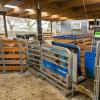
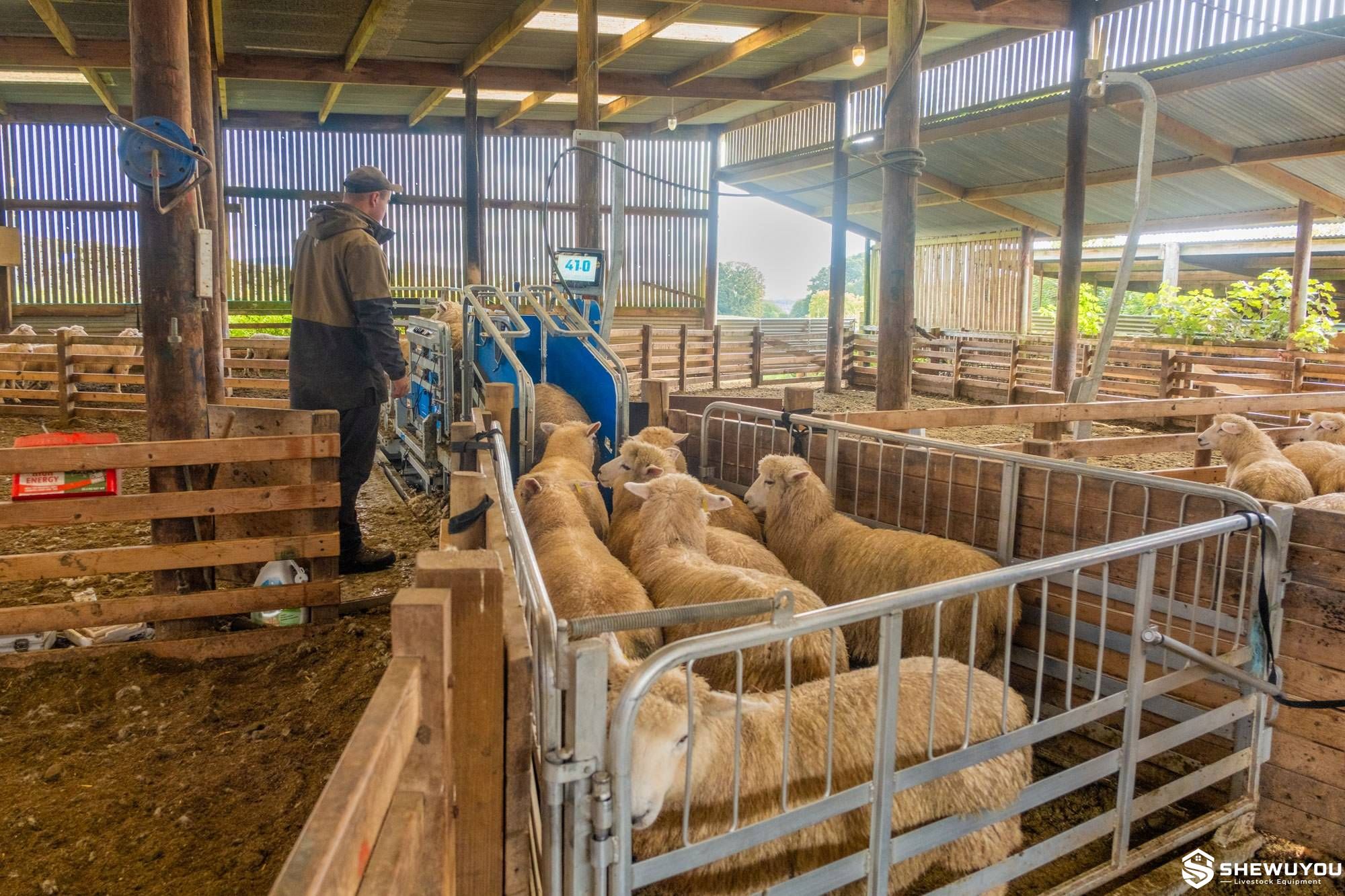
| Project Cases | The EID Sheep Weighing & Restraining Handler can be supplied as an independent livestock workstation or integrated into a complete sheep handling yard. Typical project layouts combine holding pens, forcing pens, lead-up races, weighing and restraint equipment, EID identification, drafting gates and discharge pens. For larger commercial operations, the system can form part of a data-driven flock management workflow supporting animal identification, repeated weighing, growth monitoring, production grouping and livestock selection. |
||||||||||||||||||||||||||||||
| Product FAQ | Q: What is the main advantage of combining EID identification with weighing? A: The system can associate an individual sheep's identification number with its weight record, helping farms monitor growth and maintain more accurate livestock records. Q: Can the handler work with different sizes of sheep? A: Yes. The restraining and passage configuration can be adjusted or customized for lambs, mature ewes and rams. Q: Can the system automatically draft sheep after weighing? A: Yes. Automatic multi-way drafting can be integrated according to project requirements and compatible control equipment. Q: Can sheep be drafted according to EID records or live weight? A: Compatible weighing and management systems can support drafting based on predefined weight ranges or animal records, depending on the selected configuration. Q: Can the equipment be used for veterinary procedures? A: Yes. The restraining section can provide controlled animal access for procedures such as vaccination, drenching, tagging, inspection and routine livestock treatment. Q: Can the handler be connected to an existing sheep race? A: Yes. Entry, exit and panel connections can be customized to match existing handling facilities. Q: Is a mobile version available? A: Mobile, skid-mounted or other transport configurations can be supplied according to project requirements. |
||||||||||||||||||||||||||||||
| Product Gallery |
   |
- Home
-
Products
- Pig Farming Equipment
- Cattle Farming Equipment
- Sheep & Goat Farming Equipment
- Poultry Farming Equipment
- Feeding & Drinking Systems
- Veterinary & Breeding Equipment
- Testing & Diagnostic Equipment
- Cleaning & Biosecurity Equipment
- Climate Control Equipment
- Livestock Weighing Equipment
- Manure & Waste Management
- Farm Transport & Handling
-
Solutions
- Pig Farm Solutions
- Dairy Farm Solutions
- Beef Cattle Farm Solutions
- Sheep & Goat Farm Solutions
- Layer Farm Solutions
- Broiler Farm Solutions
- Feeding & Drinking System Solutions
- Climate Control Solutions
- Biosecurity & Disinfection Solutions
- Manure & Waste Management
- Smart Farming Solutions
- Farm Renovation and Upgrade Solutions
- Partners
- Projects
- Resources
- News
- About Us
- Contact
Comments & Inquiries
Leave your questions or requirements below. We will reply as soon as possible.