
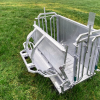
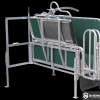
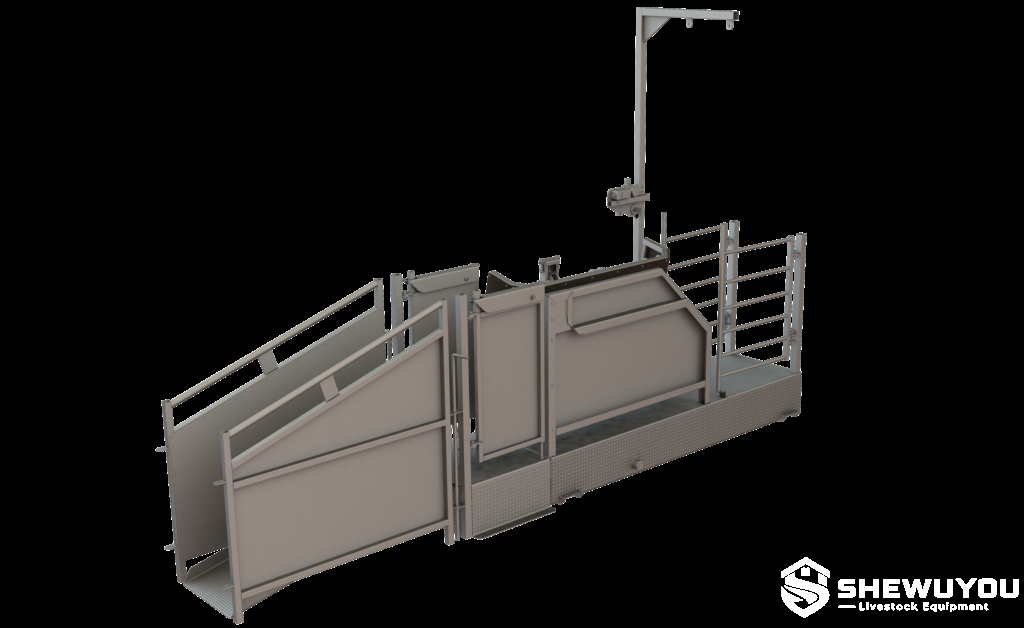
| Product Name | Pneumatic Sheep Restraining Handler | ||||||||||||||||||||||
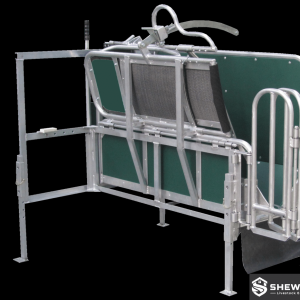
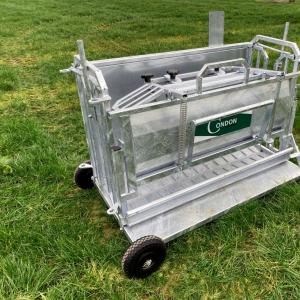
| Product Image |
 |
||||||||||||||||||||||
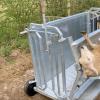
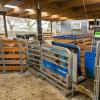
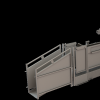
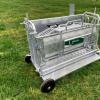
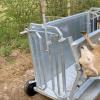
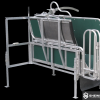
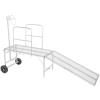
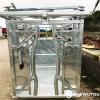
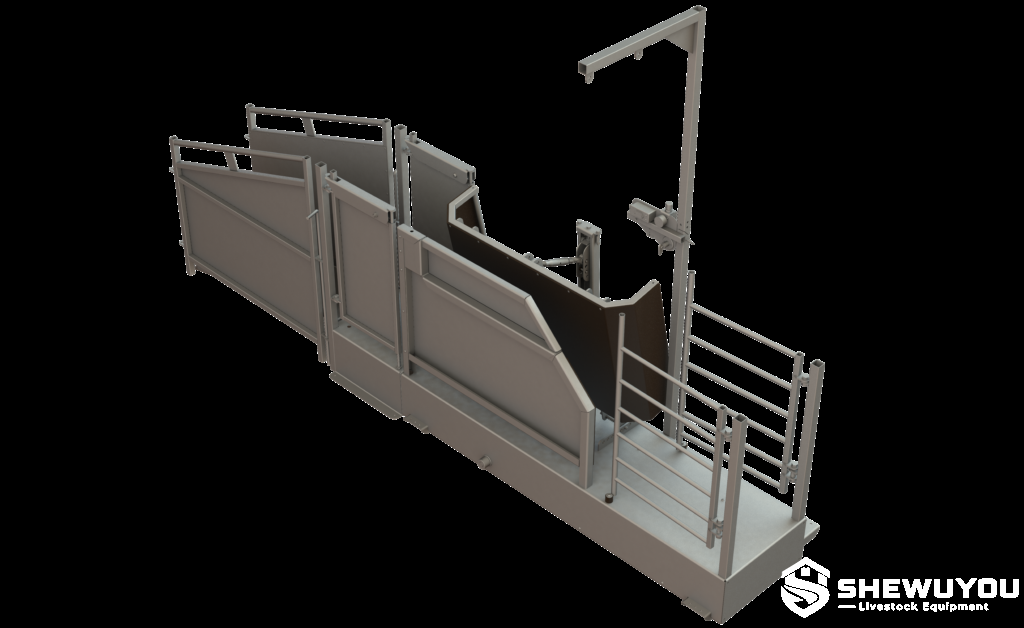
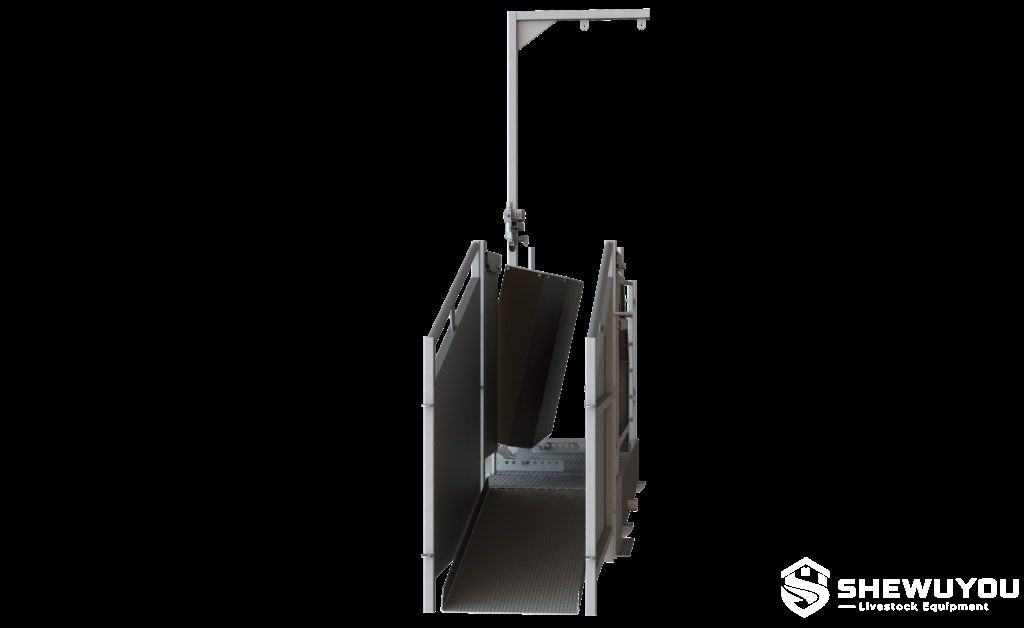
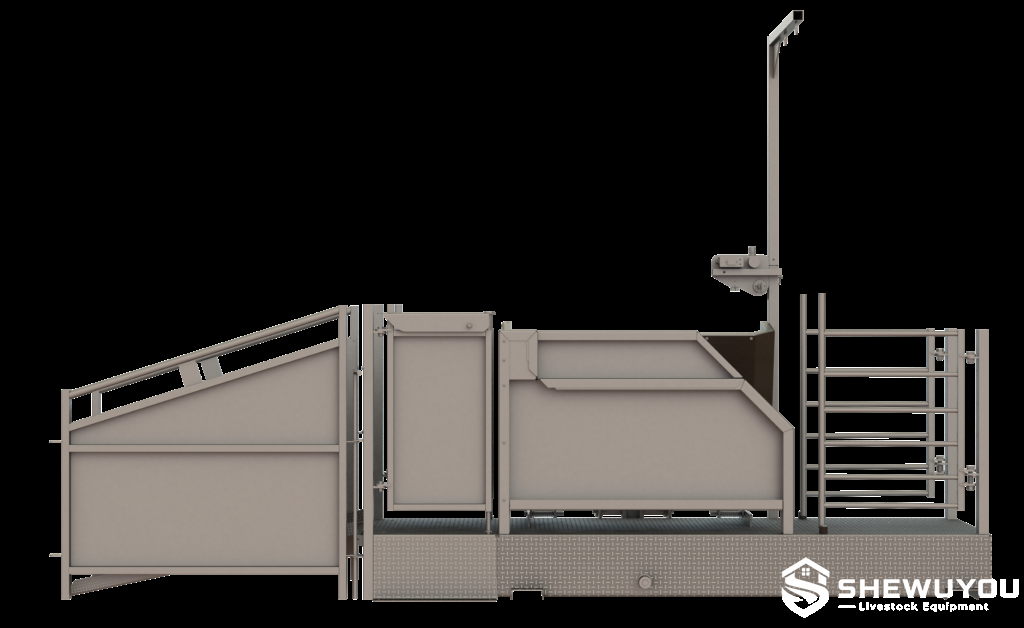
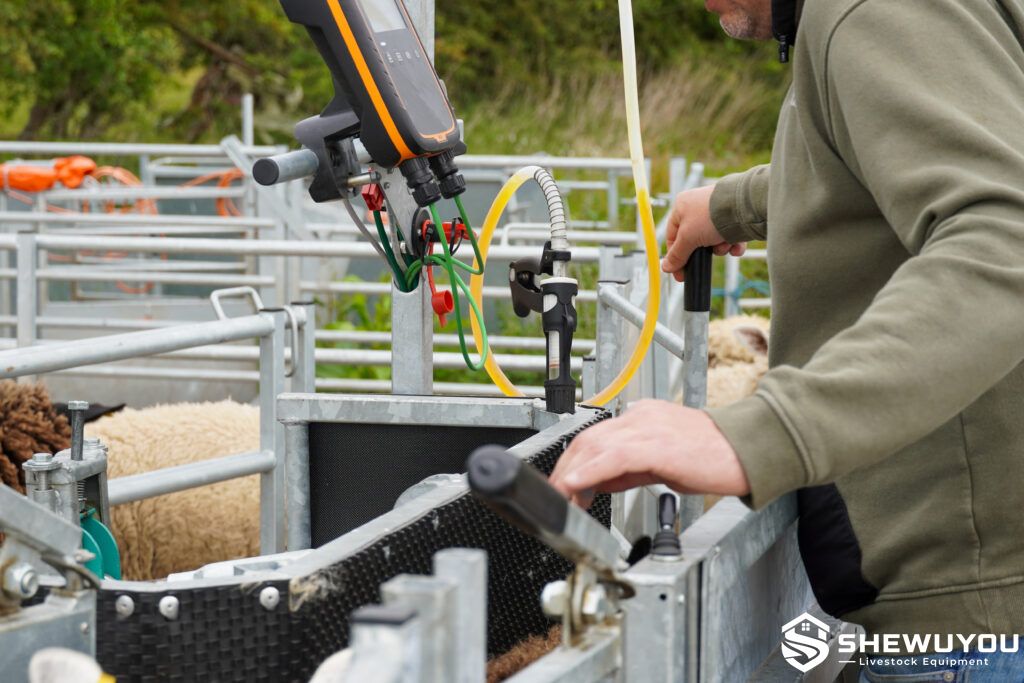
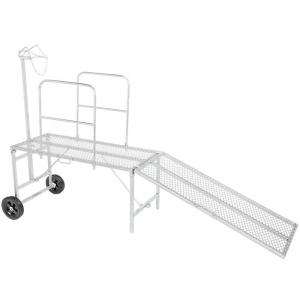
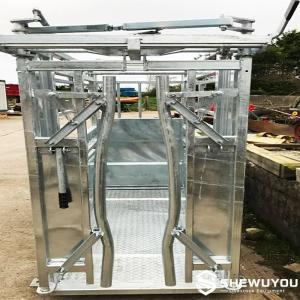
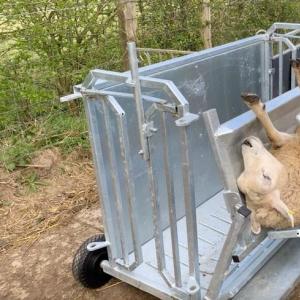
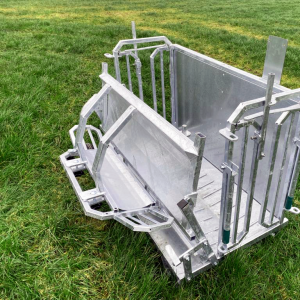
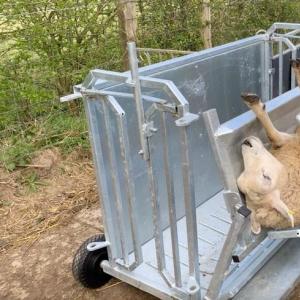
| Product Overview | The Pneumatic Sheep Restraining Handler is designed for efficient and controlled restraint of goat-farming-equipment/" target="_blank" class="keylink">sheep during routine flock management. A pneumatic clamping system allows the operator to secure animals quickly with less manual effort, helping improve workflow during high-throughput handling operations. The handler is suitable for procedures including dosing, drenching, vaccination, tagging, dagging, weighing, inspection and general animal health management. Adjustable restraint width allows the unit to accommodate different classes and sizes of sheep, including younger or smaller animals. Its ergonomic configuration can position sheep at a convenient working height, giving operators improved access while reducing repeated bending and manual handling. The unit can be supplied as a stand-alone handling station or integrated into an existing sheep race and pen system. |
||||||||||||||||||||||
| Key Features |
|
||||||||||||||||||||||
| Structural Components |
|
||||||||||||||||||||||
| Working Principle | Sheep enter the handler through the race and move into the restraint area. When the animal is correctly positioned, the pneumatic system activates the opposing restraint panels to hold the sheep securely without requiring continuous manual pressure from the operator. The restrained position provides access for dosing, vaccination, tagging, dagging, weighing or other routine procedures. Adjustable width settings can be selected according to flock size and animal class. After treatment, the restraint is released and the sheep moves forward through the exit gate. Where a drafting system is fitted, animals can be directed into different groups after handling. |
||||||||||||||||||||||
| Technical Specifications |
|
||||||||||||||||||||||
| Applications |
|
||||||||||||||||||||||
| Customization Options | The Pneumatic Sheep Restraining Handler can be configured according to flock size, animal type, handling frequency and existing farm infrastructure. Custom options can include restraint width, frame dimensions, pneumatic control configuration, entry and exit arrangements, drafting gates, race connections and operator access layout. For complete livestock equipment projects, the handler can be coordinated with sheep pens, forcing areas, races, weighing equipment and sorting systems. Structural configuration can be designed according to local climate and farm conditions. |
||||||||||||||||||||||
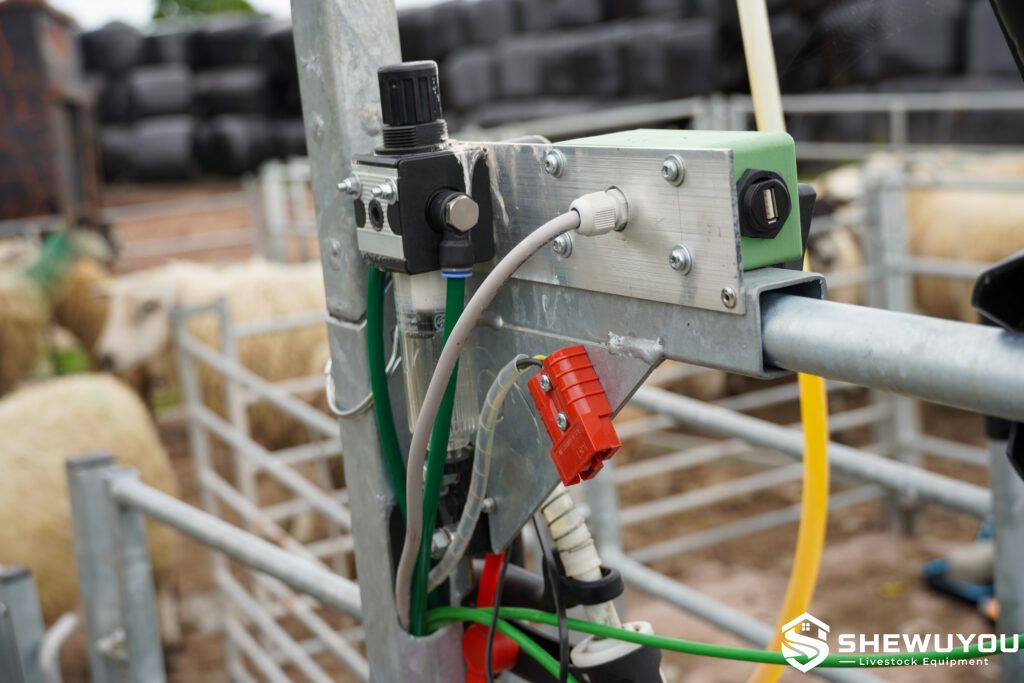
| Installation & Maintenance | Install the handler on a firm and level working surface with sufficient space for animal entry, operator movement and controlled exit. When connected to an existing livestock race, the handler should be aligned with the direction of animal flow and securely connected to adjoining gates or panels. Pneumatic hoses, fittings, control valves and actuators should be checked regularly for wear, leakage or loose connections. Structural fasteners, hinges, gates and adjustment points should also be inspected periodically. Remove manure, wool and debris after operation to keep the working area clean and maintain reliable equipment performance. |
||||||||||||||||||||||
| Project Cases | Pneumatic sheep handlers are suitable for both new livestock handling facilities and upgrades to existing sheep yards. Typical project configurations include a forcing pen, single-file race, pneumatic restraint station, weighing position and exit drafting gates. For commercial farms and agricultural engineering projects, the complete handling layout can be customized according to flock capacity, operator workflow, available building space and livestock movement requirements. |
||||||||||||||||||||||
| Product FAQ | Q: What procedures can be carried out with this sheep handler? A: It can support routine procedures such as dosing, drenching, vaccination, tagging, dagging, weighing and livestock inspection. Q: Can the handler accommodate different sizes of sheep? A: Yes. The restraint width can be adjusted or customized according to animal size and flock requirements. Q: Can it be connected to an existing sheep race? A: Yes. The entry and exit configuration can be designed to integrate with existing races, gates and livestock handling systems. Q: Is a drafting system available? A: Yes. Exit drafting gates can be incorporated according to project requirements to separate animals into different groups. Q: Can the pneumatic control system be customized? A: Yes. Pneumatic components and operating configurations are available according to project requirements. Q: Is this system suitable for high-throughput commercial farms? A: Yes. Pneumatic restraint can reduce repetitive manual handling and is well suited to farms that process large groups of sheep during routine management procedures. |
||||||||||||||||||||||
| Product Gallery |
      |
- Home
-
Products
- Pig Farming Equipment
- Cattle Farming Equipment
- Sheep & Goat Farming Equipment
- Poultry Farming Equipment
- Feeding & Drinking Systems
- Veterinary & Breeding Equipment
- Testing & Diagnostic Equipment
- Cleaning & Biosecurity Equipment
- Climate Control Equipment
- Livestock Weighing Equipment
- Manure & Waste Management
- Farm Transport & Handling
-
Solutions
- Pig Farm Solutions
- Dairy Farm Solutions
- Beef Cattle Farm Solutions
- Sheep & Goat Farm Solutions
- Layer Farm Solutions
- Broiler Farm Solutions
- Feeding & Drinking System Solutions
- Climate Control Solutions
- Biosecurity & Disinfection Solutions
- Manure & Waste Management
- Smart Farming Solutions
- Farm Renovation and Upgrade Solutions
- Partners
- Projects
- Resources
- News
- About Us
- Contact
Comments & Inquiries
Leave your questions or requirements below. We will reply as soon as possible.