
| Product Name | Sheep Turnover Restraining Crate | ||||||||||||||||||||||||||||||||
| Product Image | 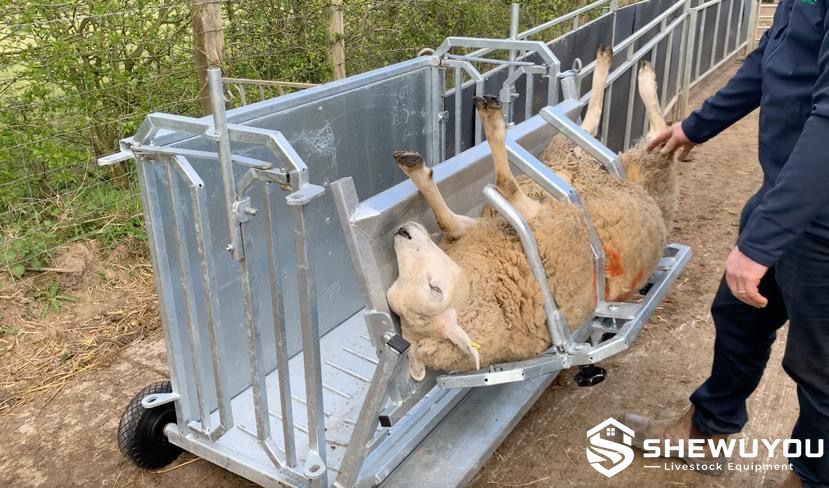 |
||||||||||||||||||||||||||||||||
| Product Overview |
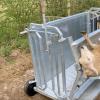
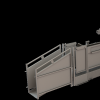
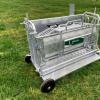
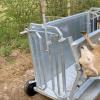
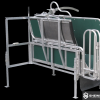
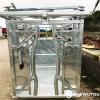
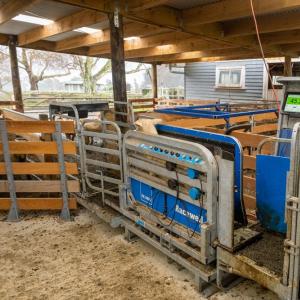
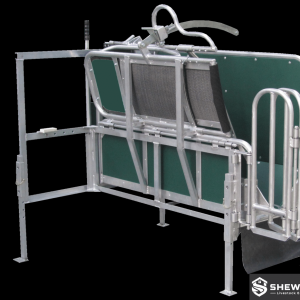
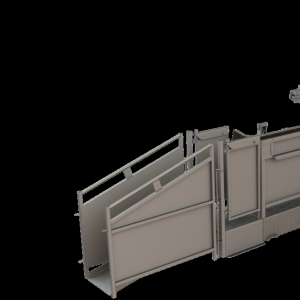
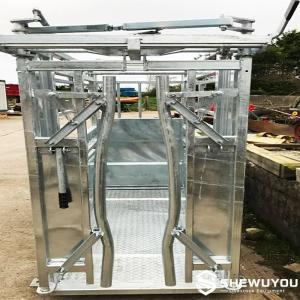
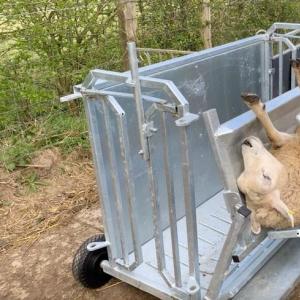
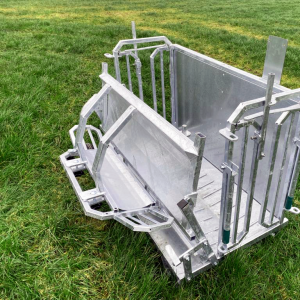
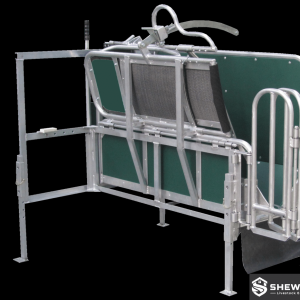
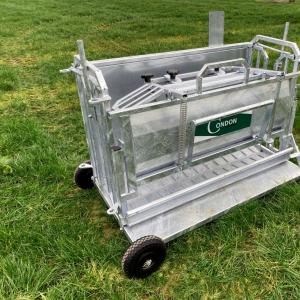
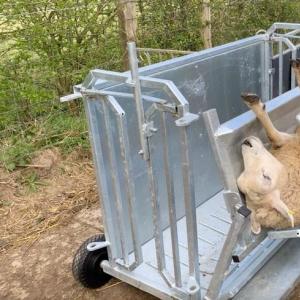
The Sheep Turnover Restraining Crate is a professional livestock handling unit designed to safely restrain and rotate goat-farming-equipment/" target="_blank" class="keylink">sheep into a convenient working position for hoof care, dagging, veterinary inspection and other routine flock-management procedures. The animal enters the crate directly from a sheep handling race and is secured using an adjustable body restraint. Once properly restrained, the turnover mechanism allows the animal to be rotated toward the operator, providing clear access to the feet, belly, udder, head and rear area while reducing the need for manual lifting. The crate can be configured for left-hand or right-hand operation and adjusted to suit different sheep sizes. A stable steel framework, open working access and controlled rotation make the equipment suitable for repeated use in commercial sheep farms and intensive livestock handling facilities. The unit can be installed directly into an existing sheep race or incorporated into a complete livestock handling system together with holding pens, sorting gates, weighing equipment and treatment stations. |
||||||||||||||||||||||||||||||||
| Key Features |
|
||||||||||||||||||||||||||||||||
| Structural Components |
|
||||||||||||||||||||||||||||||||
| Working Principle / Structural Principle |
The sheep walks directly from the handling race into the turnover crate. Once the animal is correctly positioned, the operator moves the squeeze lever to bring the restraint frame securely against the animal's body. After the animal is safely restrained, the turnover safety lock is released. The pivoting cradle then rotates the sheep toward the operator using controlled mechanical movement and the animal's own axis of rotation. When the sheep reaches the working position, the operator has direct access to the feet and lower body for hoof trimming, inspection, dagging or other routine procedures. After treatment is completed, the crate is returned to its upright position, the restraint is released and the animal exits back into the handling system. |
||||||||||||||||||||||||||||||||
| Technical Specifications |
|
||||||||||||||||||||||||||||||||
| Applications |
|
||||||||||||||||||||||||||||||||
| Customization Options |
|
||||||||||||||||||||||||||||||||
| Installation & Maintenance |
Install the turnover crate on firm, level ground where the operator has sufficient clearance to rotate the animal safely. For efficient workflow, the unit can be incorporated directly into a compatible sheep handling race. Race connection lugs or engineered fixing points should be secured before operation. Where stabilizing outriggers or support components are provided, they should be correctly positioned before animals enter the crate. Before each operating session, inspect the squeeze mechanism, pivot points, safety lock and restraining frame. Confirm that the crate rotates freely and that all locking components engage correctly. Regularly remove manure, wool and debris from the floor and moving components. Pivot points, hinges and mechanical linkages should be inspected periodically, and damaged galvanized surfaces should be maintained to preserve corrosion resistance. |
||||||||||||||||||||||||||||||||
| Project Cases |
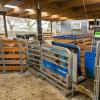
A typical commercial installation positions the turnover crate within a single-file sheep race between the holding area and exit pen. Sheep move directly into the crate, are restrained and rotated for treatment, then continue through the race after the procedure is completed. For hoof-care operations, the turnover position provides clear access to all four feet while reducing the need for the operator to manually wrestle or lift the animal. Large livestock projects can combine the crate with sorting gates, weighing equipment, EID identification, treatment pens and complete steel structure livestock buildings according to project requirements. |
||||||||||||||||||||||||||||||||
| Product FAQ |
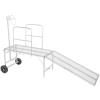
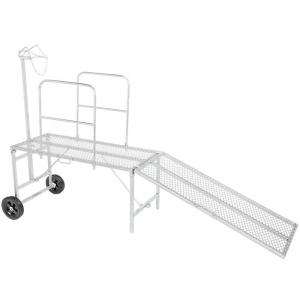
Q: What is a sheep turnover restraining crate used for? A: It securely restrains and rotates sheep to provide easier access for hoof trimming, dagging, inspection and routine livestock treatment. Q: Does the operator need to lift the sheep manually? A: The mechanical turnover structure uses controlled rotation to reduce the amount of manual lifting required during normal operation. Q: Can the crate be used for different sheep breeds? A: Yes. Adjustable restraint and height settings can accommodate a range of sheep sizes according to the selected configuration. Q: Can the unit be operated from either side? A: Compatible configurations can be arranged for left-hand or right-hand operation according to the handling-race layout. Q: Can the crate be installed in an existing sheep race? A: Yes. The unit is designed for integration with compatible sheep handling race systems. Q: Is a mobile version available? A: Wheel and handle kits can be supplied for applications requiring easier movement around the farm. Q: Can SHEWUYOU customize the turnover crate? A: Yes. Dimensions, restraint settings, operating direction, race connections and mobility options can be supplied according to project requirements. |
||||||||||||||||||||||||||||||||
| Product Gallery | 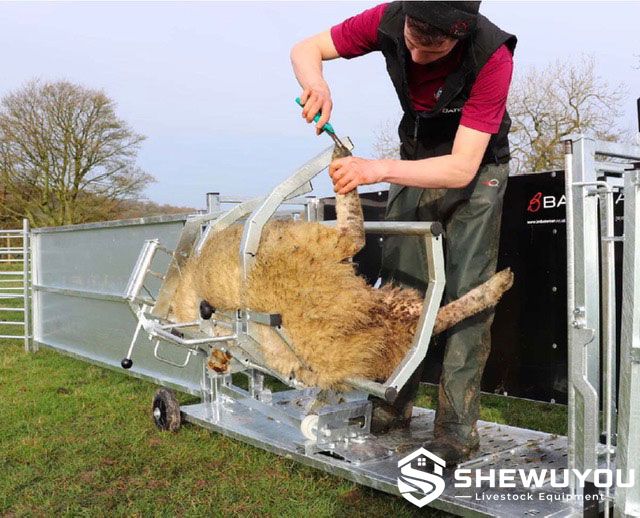  |
- Home
-
Products
- Pig Farming Equipment
- Cattle Farming Equipment
- Sheep & Goat Farming Equipment
- Poultry Farming Equipment
- Feeding & Drinking Systems
- Veterinary & Breeding Equipment
- Testing & Diagnostic Equipment
- Cleaning & Biosecurity Equipment
- Climate Control Equipment
- Livestock Weighing Equipment
- Manure & Waste Management
- Farm Transport & Handling
-
Solutions
- Pig Farm Solutions
- Dairy Farm Solutions
- Beef Cattle Farm Solutions
- Sheep & Goat Farm Solutions
- Layer Farm Solutions
- Broiler Farm Solutions
- Feeding & Drinking System Solutions
- Climate Control Solutions
- Biosecurity & Disinfection Solutions
- Manure & Waste Management
- Smart Farming Solutions
- Farm Renovation and Upgrade Solutions
- Partners
- Projects
- Resources
- News
- About Us
- Contact
Comments & Inquiries
Leave your questions or requirements below. We will reply as soon as possible.