
| Product Showcase | Content | ||||||||||||||||||||||||
|---|---|---|---|---|---|---|---|---|---|---|---|---|---|---|---|---|---|---|---|---|---|---|---|---|---|
| Product Name | Hopper Piglet Creep Feeder | ||||||||||||||||||||||||
| Product Image |
|
||||||||||||||||||||||||
| Product Overview |
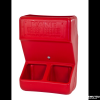
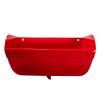
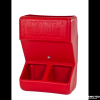
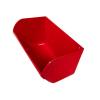
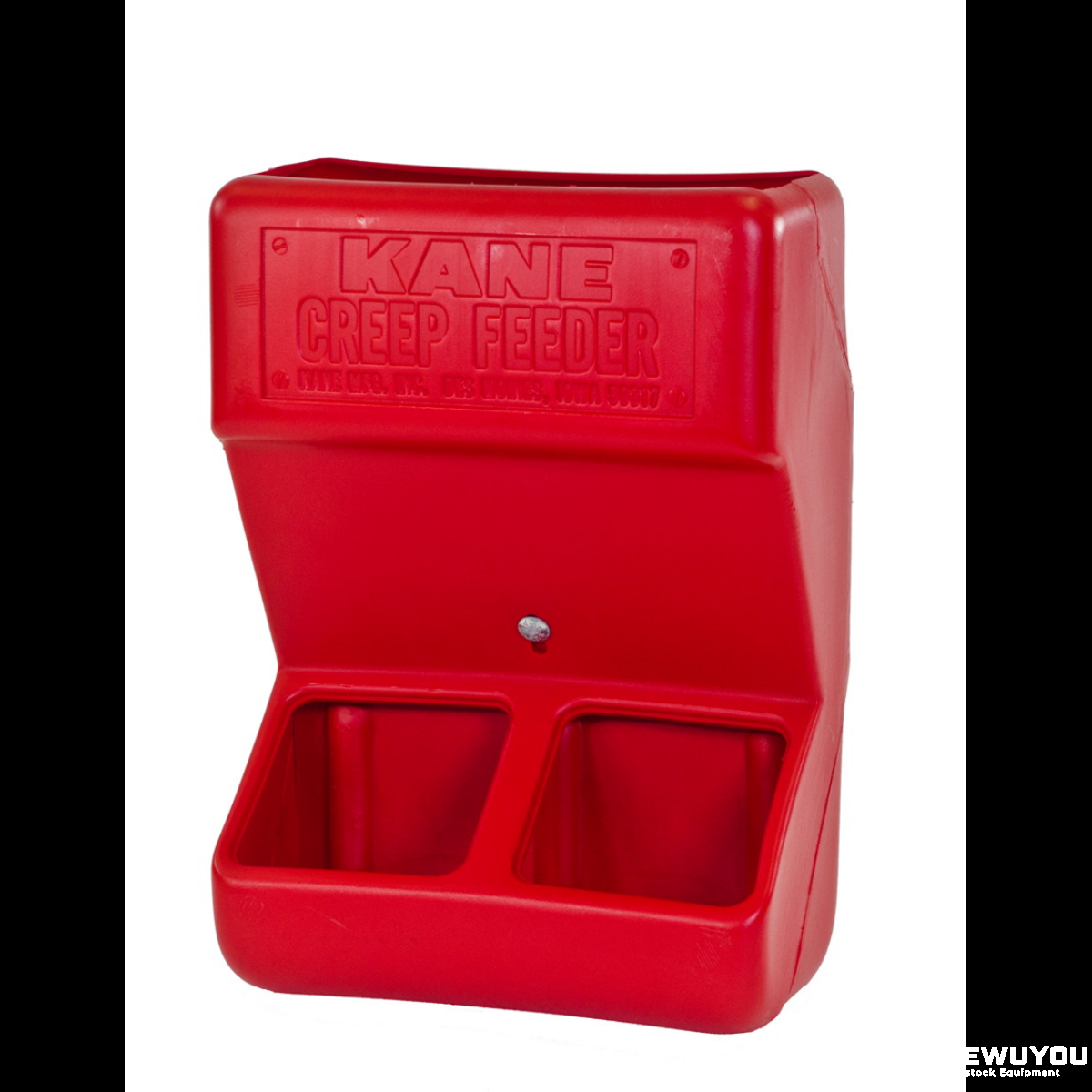
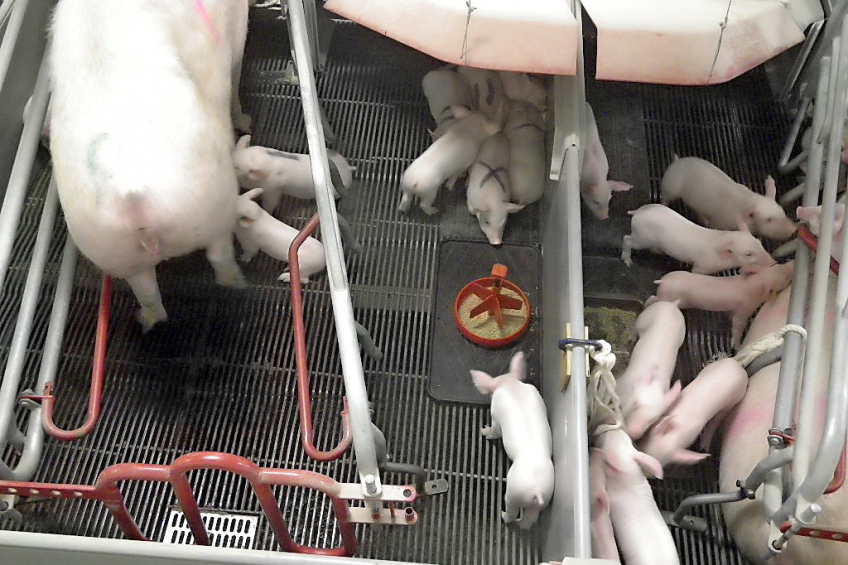
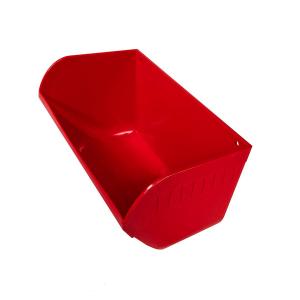
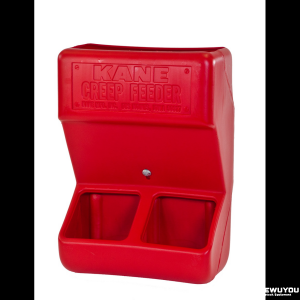
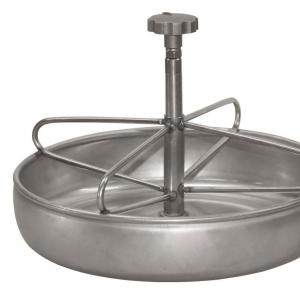
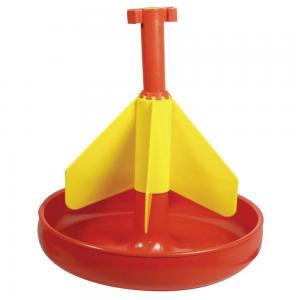
The Hopper Piglet Creep Feeder is designed to introduce nursing piglets to dry starter feed while they remain with the sow. Its compact hopper stores a small quantity of fresh feed and continuously supplies the lower trough through an adjustable metering opening.
The feeder is manufactured from durable high-density polyethylene, providing a lightweight, non-corrosive structure suitable for humid farrowing-house environments. A removable mounting bracket allows installation on compatible farrowing-crate end panels or divider panels. The compact design is especially suitable for commercial farrowing units where feed freshness, low waste, simple cleaning and efficient use of creep-area space are important. |
||||||||||||||||||||||||
| Key Features |
|
||||||||||||||||||||||||
| Structural Components |
|
||||||||||||||||||||||||
| Working Principle |
Dry starter feed is placed in the upper hopper and moves downward by gravity toward the adjustable metering plate.
The opening of the meter plate determines how much feed enters the lower trough. As piglets consume the available ration, additional feed moves from the hopper into the feeding area. The feed-saving lip helps keep feed inside the trough, while the compact hopper reduces exposure of the stored ration to contamination. Feed flow can be adjusted according to feed form, piglet age and daily consumption. |
||||||||||||||||||||||||
| Technical Specifications |
|
||||||||||||||||||||||||
| Applications |
|
||||||||||||||||||||||||
| Customization Options |
|
||||||||||||||||||||||||
| Installation & Maintenance |
Installation:
|
||||||||||||||||||||||||
| Product FAQ |
Q: What is a hopper piglet creep feeder used for? Q: What material is the feeder made from? Q: Can feed flow be adjusted? Q: What feed types can be used? Q: How does the feeder reduce waste? Q: How much feed does the reference model hold? Q: Is the feeder easy to remove for cleaning? Q: What information is required for quotation? |
||||||||||||||||||||||||
| Product Gallery |
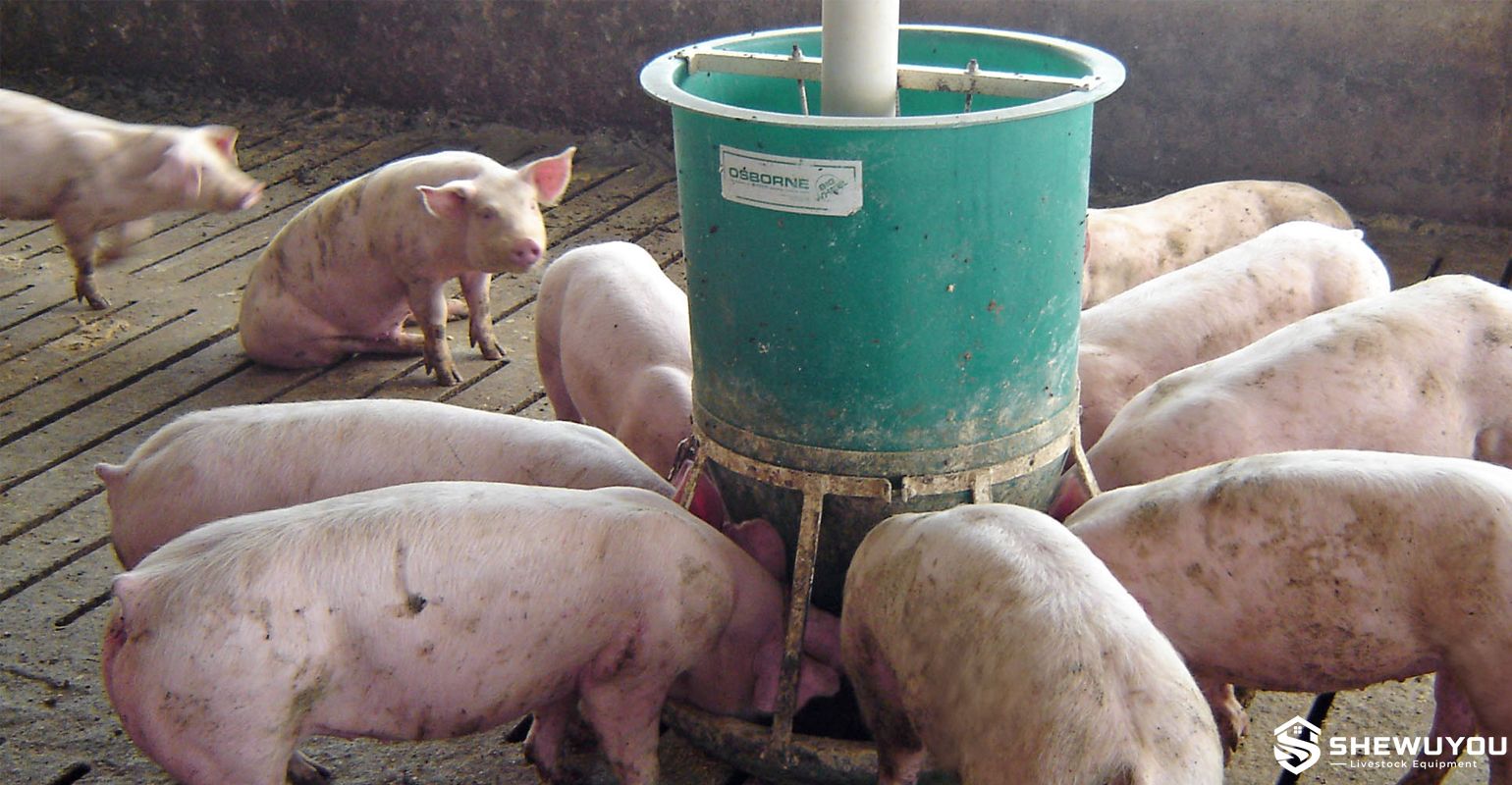
|
- Home
-
Products
- Pig Farming Equipment
- Cattle Farming Equipment
- Sheep & Goat Farming Equipment
- Poultry Farming Equipment
- Feeding & Drinking Systems
- Veterinary & Breeding Equipment
- Testing & Diagnostic Equipment
- Cleaning & Biosecurity Equipment
- Climate Control Equipment
- Livestock Weighing Equipment
- Manure & Waste Management
- Farm Transport & Handling
-
Solutions
- Pig Farm Solutions
- Dairy Farm Solutions
- Beef Cattle Farm Solutions
- Sheep & Goat Farm Solutions
- Layer Farm Solutions
- Broiler Farm Solutions
- Feeding & Drinking System Solutions
- Climate Control Solutions
- Biosecurity & Disinfection Solutions
- Manure & Waste Management
- Smart Farming Solutions
- Farm Renovation and Upgrade Solutions
- Partners
- Projects
- Resources
- News
- About Us
- Contact
Comments & Inquiries
Leave your questions or requirements below. We will reply as soon as possible.