


| Product Name | Greenhouse Gas Heater |
| Product Image |  |
| Product Overview |
A Greenhouse Gas Heater provides controlled space heating for commercial growing facilities, plant nurseries and propagation areas. Its suspended, fan-assisted configuration helps distribute warm air while preserving floor space for crops, benches and equipment. The heater can be specified as part of an agricultural project involving a new greenhouse or the renovation of an existing growing space. Heating capacity, fuel configuration, mounting position and controls are selected according to the building's heat-loss assessment, crop requirements and local climate. Where crop air quality is a priority, a suitable vented or separated-combustion configuration can be considered during system design. The heater should be coordinated with greenhouse ventilation, horizontal airflow fans and climate controls to support more consistent conditions across the growing area. For agricultural engineering companies, distributors and project buyers, the configurable arrangement supports integration into glass, film or polycarbonate greenhouses, including facilities built with a steel structure building frame. |
| Key Features |
|
| Structural Components |
|
| Working Principle / Structural Principle |
When the greenhouse controller calls for heat, the heater initiates its approved ignition sequence. The gas burner heats the heat exchanger, and the circulation fan draws greenhouse air across its exterior surfaces before delivering warmed air back into the growing area. In a properly vented indirect-fired installation, combustion products follow the specified flue route rather than entering the circulated greenhouse air. A separated-combustion design, when available, also draws combustion air from outside the growing space. Heater placement and outlet direction are planned together with greenhouse air circulation and ventilation. This helps move heat through crop zones while avoiding direct hot-air discharge onto sensitive plants. |
| Technical Specifications |
|
| Applications |
|
| Customization Options |
|
| Installation & Maintenance |
Confirm the building heat load, gas supply, electrical service and heater locations before installation. Check that the greenhouse frame and mounting hardware can support the selected units. Position each heater to allow the manufacturer's required clearances, safe access for servicing and airflow that does not discharge directly onto sensitive crops or greenhouse coverings. Qualified installers should complete the gas connection, electrical wiring, combustion-air provision and flue installation in accordance with the selected equipment instructions and applicable local requirements. Commission the system by checking gas integrity, ignition, safety controls, venting, fan operation and thermostat response. Establish a seasonal maintenance schedule to inspect the burner, heat exchanger, fan, air passages, venting and mounting hardware. Remove accumulated dust and plant debris, check for corrosion, and verify safe operation before each heating season. Service intervals should reflect the greenhouse environment and the selected manufacturer's instructions. |
| Project Cases |
Illustrative vegetable greenhouse project: An agricultural engineering contractor plans suspended heaters along multiple growing bays. Unit selection follows the greenhouse heat-loss calculation, while heater outlets and circulation fans are coordinated to serve crop rows without obstructing cultivation routes. Illustrative nursery expansion: A commercial nursery adds heating to a new propagation zone within a steel structure building. The project team specifies mounting points, vent routes and separate temperature control for the new area according to its crop schedule and local winter conditions. |
| Product FAQ |
1. How is heating capacity determined? 2. Can the heater be suspended from a greenhouse frame? 3. Is the heater suitable for a humid greenhouse? 4. Can combustion products affect crops? 5. Is separated combustion available? 6. Can multiple heaters operate in separate zones? 7. Can the heater work with greenhouse circulation fans? 8. What information is needed for a quotation? 9. Who should install and service the equipment? |
| Product Gallery | 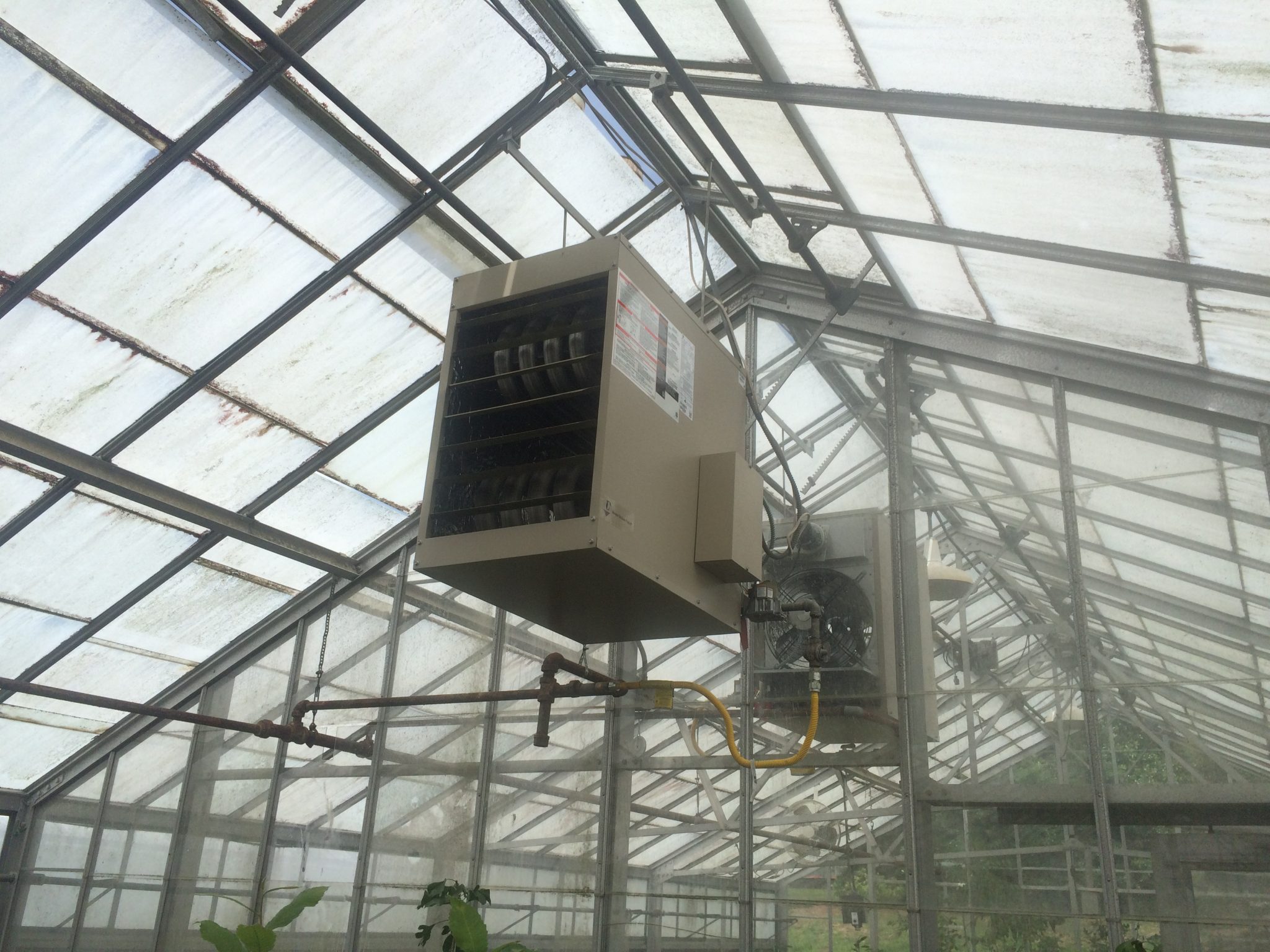  |
- Home
-
Products
- Pig Farming Equipment
- Cattle Farming Equipment
- Sheep & Goat Farming Equipment
- Poultry Farming Equipment
- Feeding & Drinking Systems
- Veterinary & Breeding Equipment
- Testing & Diagnostic Equipment
- Cleaning & Biosecurity Equipment
- Climate Control Equipment
- Livestock Weighing Equipment
- Manure & Waste Management
- Farm Transport & Handling
-
Solutions
- Pig Farm Solutions
- Dairy Farm Solutions
- Beef Cattle Farm Solutions
- Sheep & Goat Farm Solutions
- Layer Farm Solutions
- Broiler Farm Solutions
- Feeding & Drinking System Solutions
- Climate Control Solutions
- Biosecurity & Disinfection Solutions
- Manure & Waste Management
- Smart Farming Solutions
- Farm Renovation and Upgrade Solutions
- Partners
- Projects
- Resources
- News
- About Us
- Contact
Comments & Inquiries
Leave your questions or requirements below. We will reply as soon as possible.