


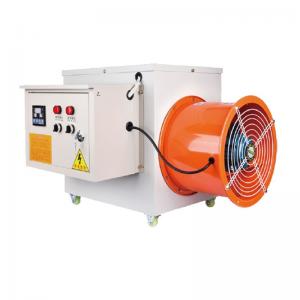
| Product Name | Livestock Gas Fired Heater |
| Product Image |  |
| Product Overview |
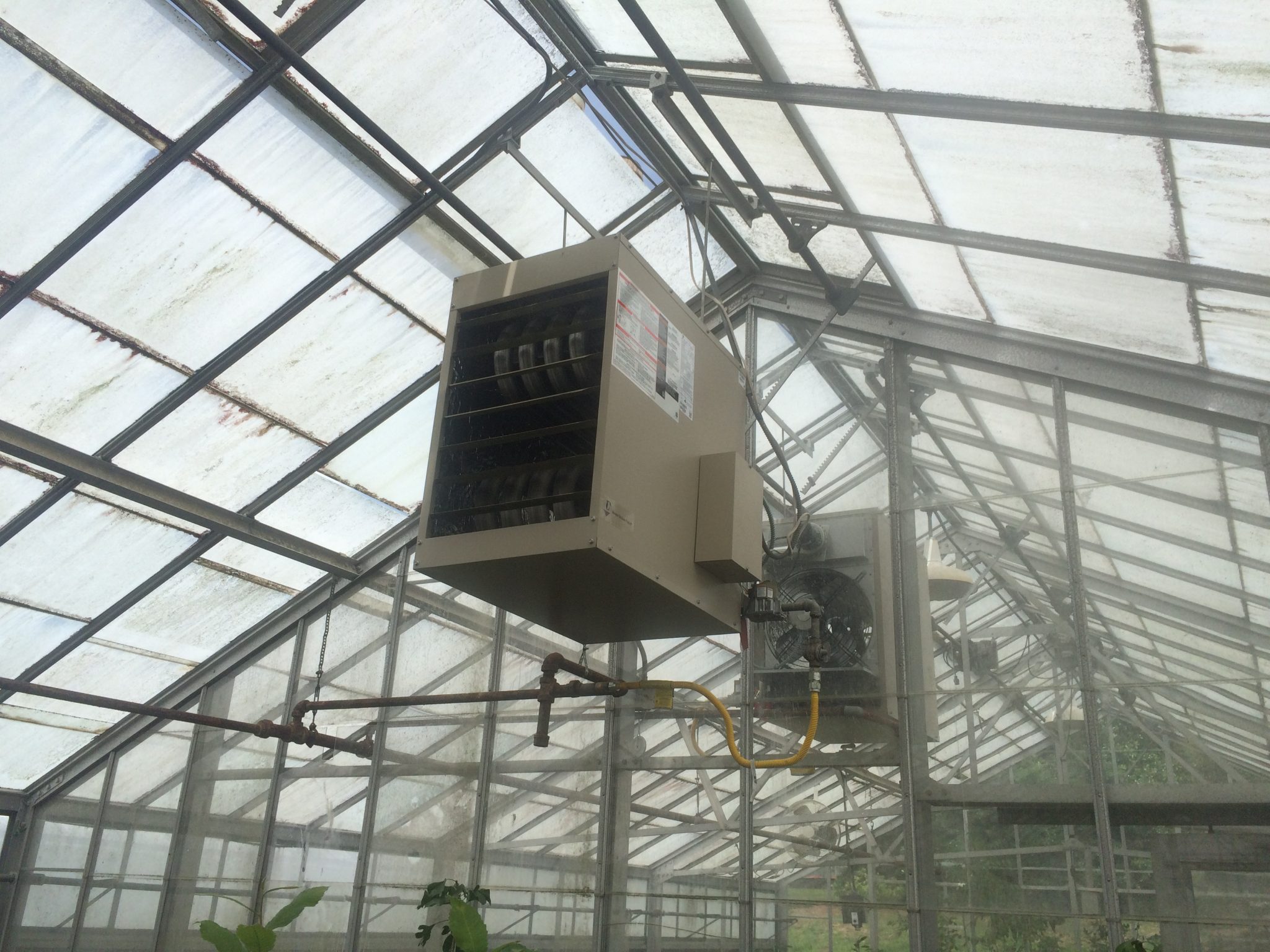
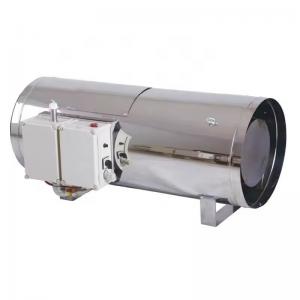
The Livestock Gas Fired Heater is a forced-air heating option for animal housing where dependable warmth and planned air distribution are required. A gas burner generates heat while a fan moves warmed air into the building. The selected heater configuration must match the farm’s fuel supply, ventilation design and local installation requirements. In commercial pig farms, heaters may be positioned to serve weaner, nursery or grower accommodation according to each room’s heating load. Poultry projects can use appropriately selected units during brooding and other periods when building heat is needed. The heater can be incorporated into pig farm construction plans or evaluated for an existing steel structure building. Mounting points, gas pipework, electrical connections, service access and airflow direction are coordinated with the building and livestock equipment layout. Heat output, fuel type and combustion arrangement are specified for each agricultural project. Where a direct-fired configuration is selected, combustion-air supply and removal of combustion products require particular attention in the livestock ventilation system. |
| Key Features |
|
| Structural Components |
|
| Working Principle / Structural Principle |
When the temperature controller calls for heat, the selected ignition system starts the burner under its safety-control sequence. The fan moves warmed air through the heater outlet to the designated livestock zone. Heater placement and airflow direction influence how heat reaches animals and how evenly the building warms. The number and capacity of units are determined from heat loss, ventilation rate, animal age and building layout. Gas-fired heating operates alongside minimum ventilation. The required combustion-air, flue and ventilation provisions depend on whether the specified heater is direct-fired or indirect-fired and must follow the selected equipment instructions and applicable local requirements. |
| Technical Specifications |
|
| Applications |
|
| Customization Options |
|
| Installation & Maintenance |
Installation: Calculate the building heating load and confirm fuel type, gas supply conditions, ventilation capacity and the intended heater positions. An appropriately qualified installer should secure each unit to a structure designed for its weight, maintain the specified clearances and install gas, electrical, combustion-air and flue connections as required by the selected model. Position the air outlet to distribute heat without overheating animals, bedding or equipment. Commission the heater by checking gas tightness, ignition, flame-safety operation, airflow and the temperature controller. Maintenance: Follow the selected heater’s service manual. Routinely clear dust from air openings and guards, inspect the fan, mounting hardware, gas connections and ignition components, and verify safety shutdowns. Keep combustible material away from the heater. Shut off the gas and isolate electrical power before service; gas-system repairs should be performed by qualified personnel. |
| Project Cases |
Illustrative pig farm scenario: An engineering contractor specifies suspended forced-air heaters for a group of nursery rooms. Unit locations, gas piping and temperature controls are coordinated with pen partitions and minimum-ventilation equipment. Illustrative poultry project scenario: A broiler farm plans heating for several new houses. The project team calculates each building’s heat demand and selects heater quantity, fuel configuration and mounting locations before installation. |
| Product FAQ |
1. How is heater capacity selected? 2. Can the heater operate on natural gas or LPG? 3. What is the difference between direct-fired and indirect-fired heating? 4. Can heaters be suspended in a steel structure building? 5. Can one heater serve multiple pig rooms? 6. Can heating connect to a farm climate controller? 7. Is ventilation still required while heating? 8. What details are needed for a quotation? 9. Who should install and service the gas system? |
| Product Gallery |   |
- Home
-
Products
- Pig Farming Equipment
- Cattle Farming Equipment
- Sheep & Goat Farming Equipment
- Poultry Farming Equipment
- Feeding & Drinking Systems
- Veterinary & Breeding Equipment
- Testing & Diagnostic Equipment
- Cleaning & Biosecurity Equipment
- Climate Control Equipment
- Livestock Weighing Equipment
- Manure & Waste Management
- Farm Transport & Handling
-
Solutions
- Pig Farm Solutions
- Dairy Farm Solutions
- Beef Cattle Farm Solutions
- Sheep & Goat Farm Solutions
- Layer Farm Solutions
- Broiler Farm Solutions
- Feeding & Drinking System Solutions
- Climate Control Solutions
- Biosecurity & Disinfection Solutions
- Manure & Waste Management
- Smart Farming Solutions
- Farm Renovation and Upgrade Solutions
- Partners
- Projects
- Resources
- News
- About Us
- Contact
Comments & Inquiries
Leave your questions or requirements below. We will reply as soon as possible.