


| Product Name | Poultry House Gas Heater |
| Product Image |  |
| Product Overview |
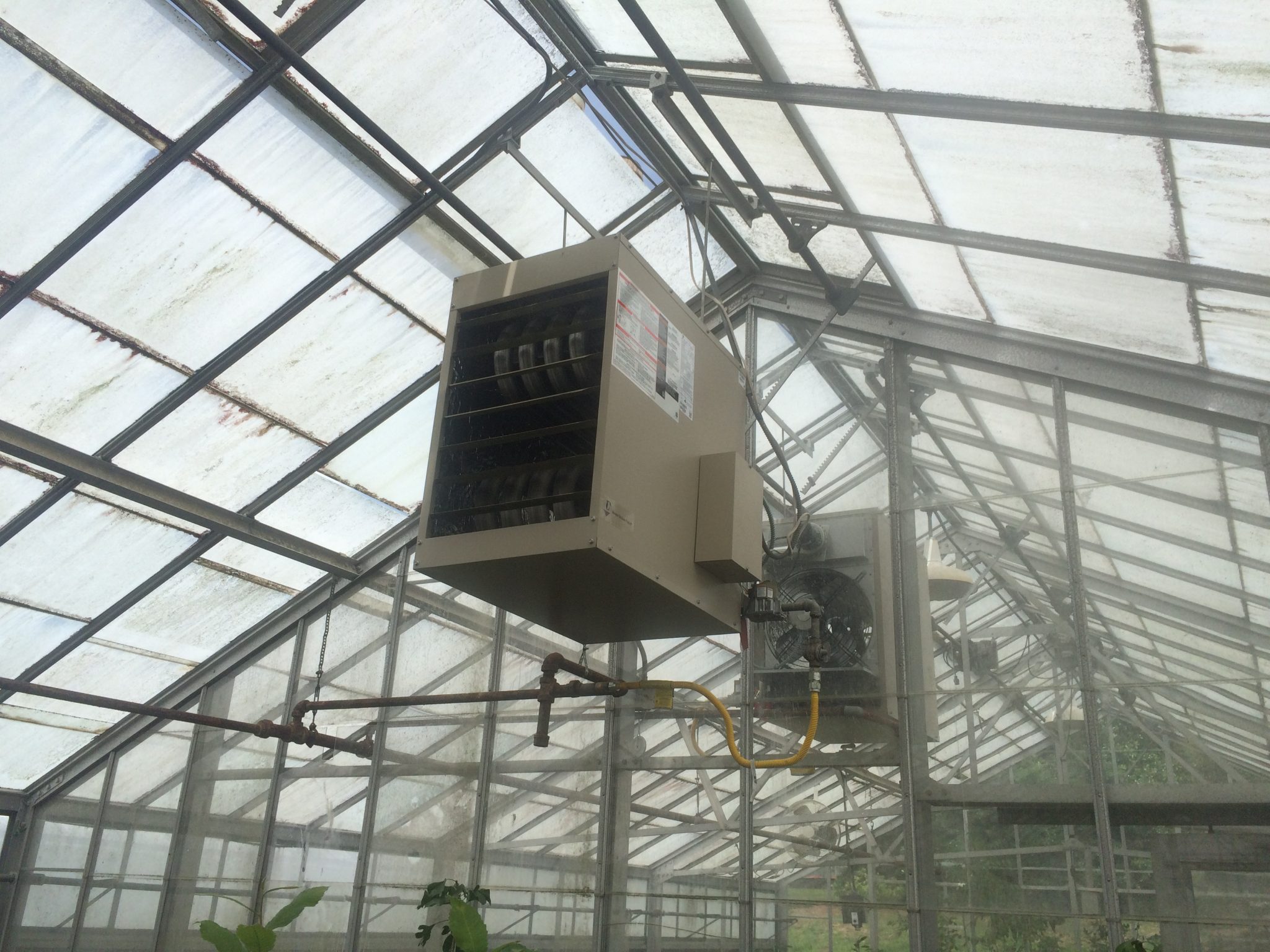
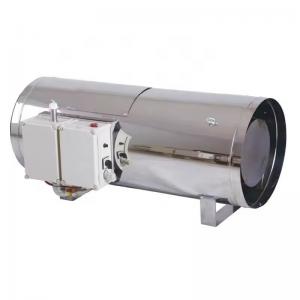
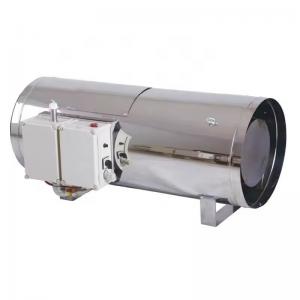
The Poultry House Gas Heater provides forced-air heating for commercial chicken, turkey and other poultry buildings. Its burner produces heat while a fan distributes warmed air through the house. Heater capacity and placement are selected to suit the building’s heat loss, bird age and ventilation plan. During brooding, appropriate heating helps the farm establish the required conditions at bird level. As the flock develops, heater operation can be coordinated with the house climate controls and minimum ventilation to manage temperature and air quality. The unit can be planned into a new steel structure building or assessed for an existing poultry house. Suspended mounting keeps equipment above litter, feeders and drinker lines while allowing access for inspection and cleaning. Fuel type, combustion arrangement and control functions depend on the selected model. For direct-fired heating, the poultry ventilation system must provide the combustion air and removal of combustion products required by the equipment instructions and local rules. |
| Key Features |
|
| Structural Components |
|
| Working Principle / Structural Principle |
When the poultry-house controller calls for heat, the heater starts its ignition sequence. Once safe operation is confirmed, the burner heats the air stream and the fan distributes warm air from the outlet. Heater locations and discharge directions are planned so warm air reaches the intended brooding or housing areas. The number of units depends on house dimensions, insulation, outdoor design temperature and required ventilation. Heating must operate alongside minimum ventilation. With a direct-fired model, combustion products enter the house air, making the specified fresh-air supply and exhaust operation essential. |
| Technical Specifications |
|
| Applications |
|
| Customization Options |
|
| Installation & Maintenance |
Installation: Calculate the poultry house heating load and confirm fuel availability, electrical supply, ventilation capacity and the intended brooding layout. Qualified personnel should install the heater on structurally suitable supports, maintain the model-specific clearances and complete gas and electrical connections under local requirements. Keep discharge air clear of combustible material, litter accumulation and obstructing equipment. Commission each unit by checking gas tightness, ignition, flame-safety shutdown, fan operation and temperature-controller response. Maintenance: Follow the selected heater’s service instructions. Regularly remove dust from air openings and guards; inspect the fan, burner area, gas connections, suspension and electrical components. Verify that controls and safety devices operate correctly before each production cycle. Shut off gas and isolate power before service, and use qualified personnel for gas-system work. |
| Project Cases |
Illustrative broiler project: An agricultural engineering company specifies suspended heaters for a new multi-house broiler farm. Each house receives a heating-load assessment, heater layout and control plan coordinated with its minimum-ventilation equipment. Illustrative retrofit: A poultry producer evaluates replacement heaters in an existing steel structure building. The project team checks structural supports, gas supply, electrical connections and airflow before selecting the new configuration. |
| Product FAQ |
1. How many heaters does a poultry house need? 2. Can the heater run on natural gas or LPG? 3. Is this heater suitable for chick brooding? 4. Can it connect to a poultry climate controller? 5. Is ventilation needed while the heater operates? 6. Can the unit be suspended from a steel building? 7. Can it be installed in an existing poultry house? 8. What is required for a quotation? 9. Who should commission the gas connection? |
| Product Gallery |  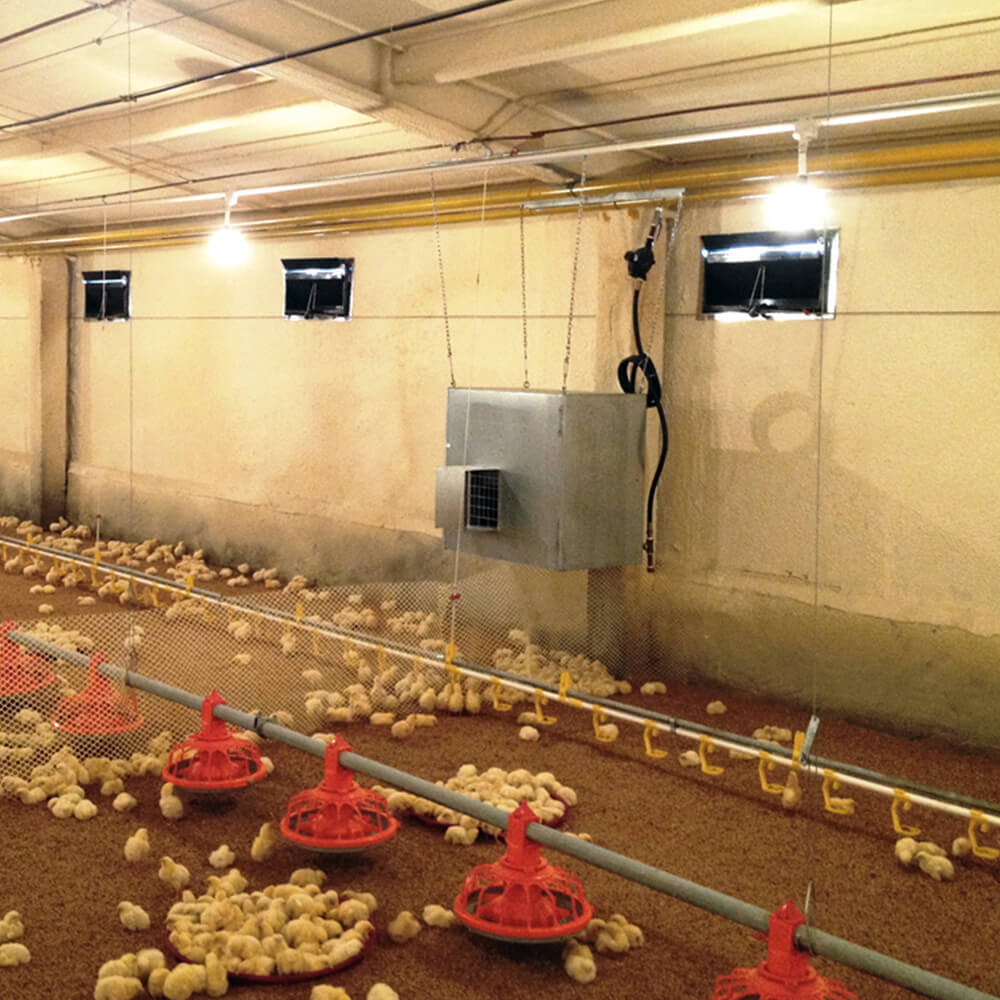 |
- Home
-
Products
- Pig Farming Equipment
- Cattle Farming Equipment
- Sheep & Goat Farming Equipment
- Poultry Farming Equipment
- Feeding & Drinking Systems
- Veterinary & Breeding Equipment
- Testing & Diagnostic Equipment
- Cleaning & Biosecurity Equipment
- Climate Control Equipment
- Livestock Weighing Equipment
- Manure & Waste Management
- Farm Transport & Handling
-
Solutions
- Pig Farm Solutions
- Dairy Farm Solutions
- Beef Cattle Farm Solutions
- Sheep & Goat Farm Solutions
- Layer Farm Solutions
- Broiler Farm Solutions
- Feeding & Drinking System Solutions
- Climate Control Solutions
- Biosecurity & Disinfection Solutions
- Manure & Waste Management
- Smart Farming Solutions
- Farm Renovation and Upgrade Solutions
- Partners
- Projects
- Resources
- News
- About Us
- Contact
Comments & Inquiries
Leave your questions or requirements below. We will reply as soon as possible.