


| Product Name | Gas Infrared Radiant Heater |
| Product Image | 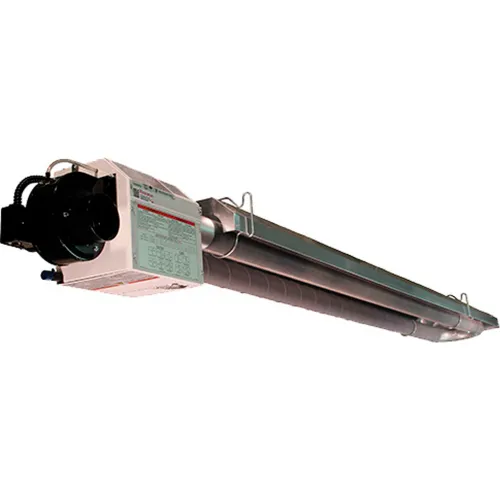 |
| Product Overview |
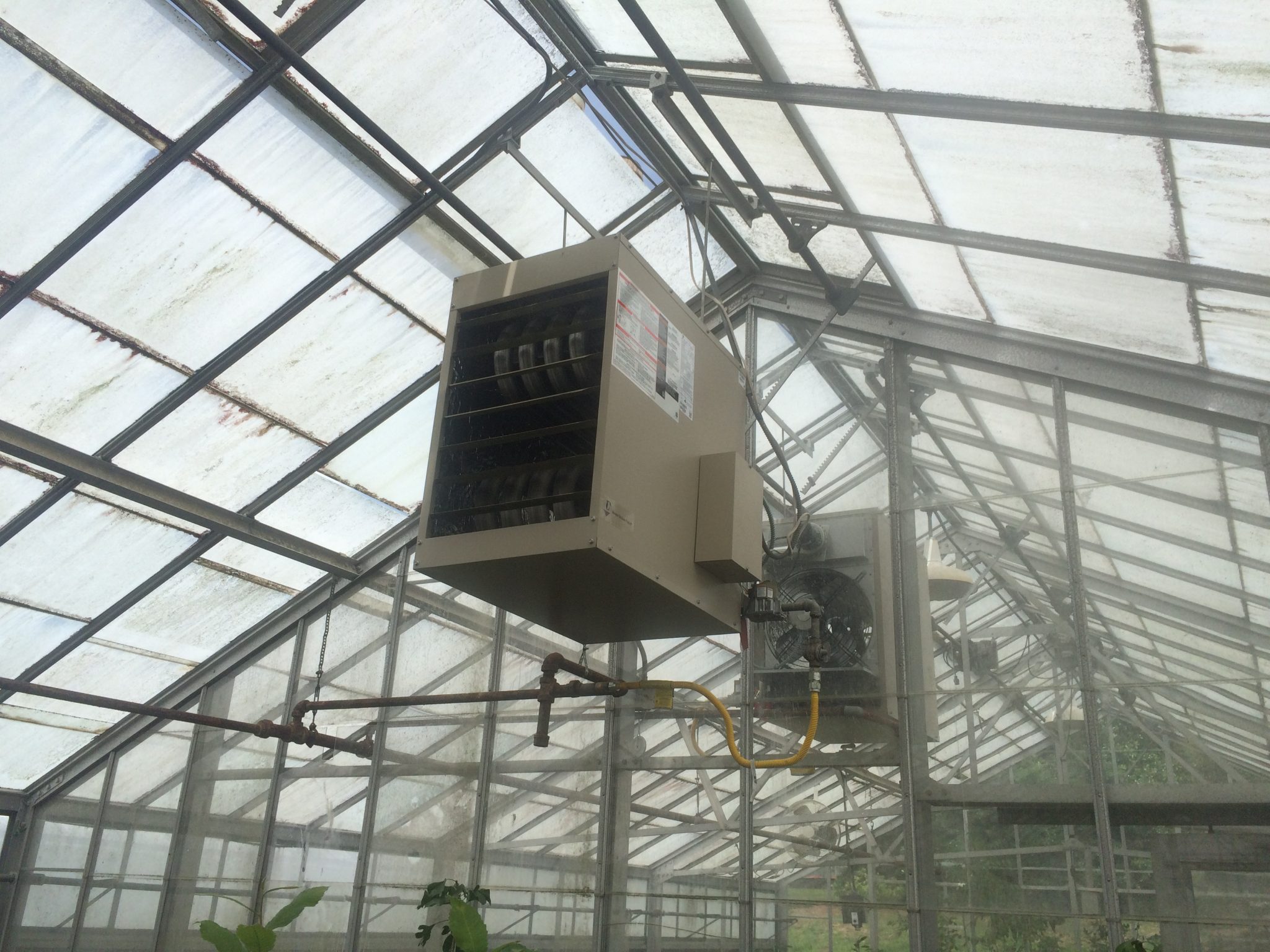
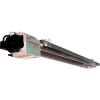
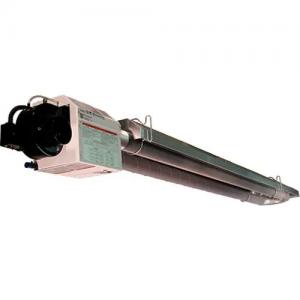
The Gas Infrared Radiant Heater is a suspended heating system that directs warmth toward the floor, animals and other surfaces below. In the radiant tube configuration shown, a gas burner heats a metal emitter tube, while a reflector directs infrared energy toward the planned heating zone. Radiant heating can be considered for piglet and poultry areas where the project calls for warmth at animal level. Heater length, position and coverage are selected to suit pen or house layout rather than assumed from floor area alone. For pig farm construction or a steel structure building, suspension points, gas supply, controls, combustion-air and vent routes can be incorporated into the building design. An existing barn requires a separate review of structure, clearances and the livestock ventilation system. Models vary in construction and suitability for animal housing. Equipment and materials must be selected for the farm environment and installed according to the chosen model’s instructions. |
| Key Features |
|
| Structural Components |
|
| Working Principle / Structural Principle |
When the zone controller calls for heat, the burner starts under its ignition and safety sequence. Hot combustion gases heat the emitter tube, which radiates energy toward the floor and other surfaces within its coverage area. The reflector limits upward radiation and helps shape the heated footprint. Suspension height, tube arrangement and reflector angle affect how warmth reaches piglets or poultry. The installation must include the combustion-air, venting and minimum-ventilation provisions required by the selected model. Radiant heating does not replace fresh-air ventilation in an occupied livestock building. |
| Technical Specifications |
|
| Applications |
|
| Customization Options |
|
| Installation & Maintenance |
Installation: Review the building structure, animal-zone layout, fuel supply and ventilation before choosing heater locations. Qualified personnel should fix the suspension hardware to suitable structural members, install gas and electrical connections, and complete combustion-air and vent connections as required. Follow the selected model’s mounting-height and clearance-to-combustibles instructions, including clearances from bedding, feed lines, curtains and other farm equipment. Commission the heater by checking gas tightness, ignition, flame-safety shutdown and control response. Maintenance: Inspect the burner, emitter tube, reflector, suspension hardware and vent system at the intervals in the model’s service manual. Remove dust without damaging the reflector or tube, and check for corrosion or obstruction. Shut off gas and isolate electrical power before servicing. Qualified personnel should perform gas-system repairs and combustion checks. |
| Project Cases |
Illustrative swine nursery scenario: An agricultural engineering contractor plans radiant tube heaters above selected weaner pens. Tube positions and heating zones are coordinated with pen partitions, temperature sensors and the barn ventilation plan. Illustrative poultry scenario: A new broiler house project reviews suspended radiant heating along the building length. Structural supports, fuel distribution, vent routes and floor-level coverage are specified before installation. |
| Product FAQ |
1. How does radiant heating differ from forced-air heating? 2. Can this heater be used above pig pens? 3. Is it suitable for poultry brooding? 4. Can it operate on natural gas or LPG? 5. How is the tube length chosen? 6. Does the heater require ventilation? 7. Can several heaters be controlled as separate zones? 8. Can it be fitted to an existing steel structure building? 9. What is needed for a quotation? |
| Product Gallery | 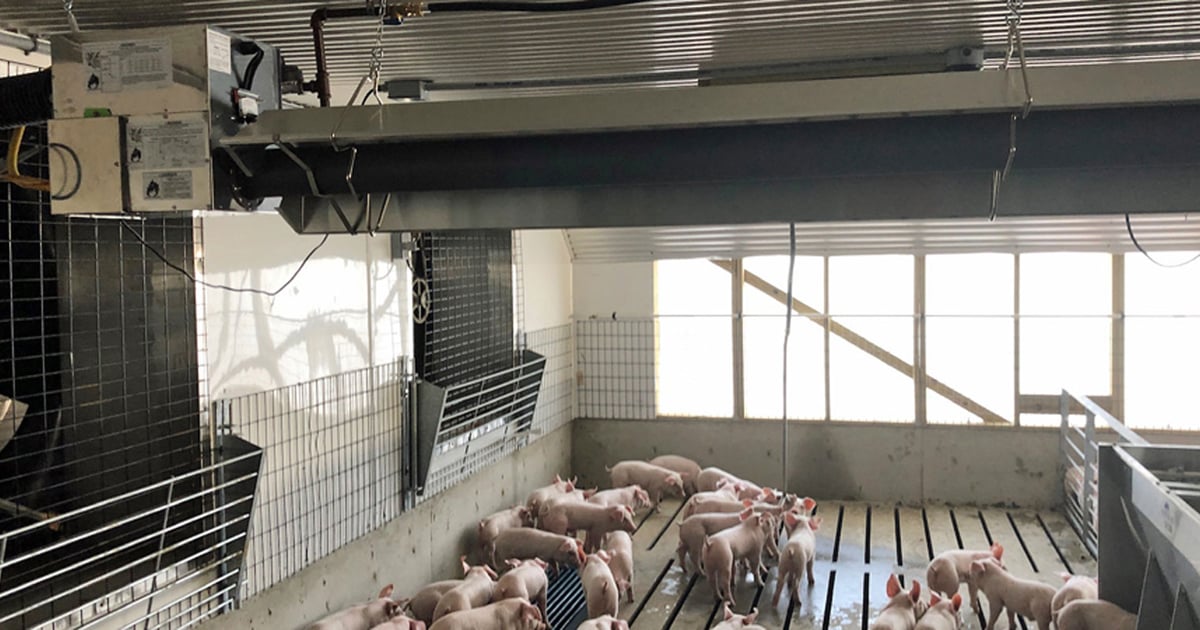 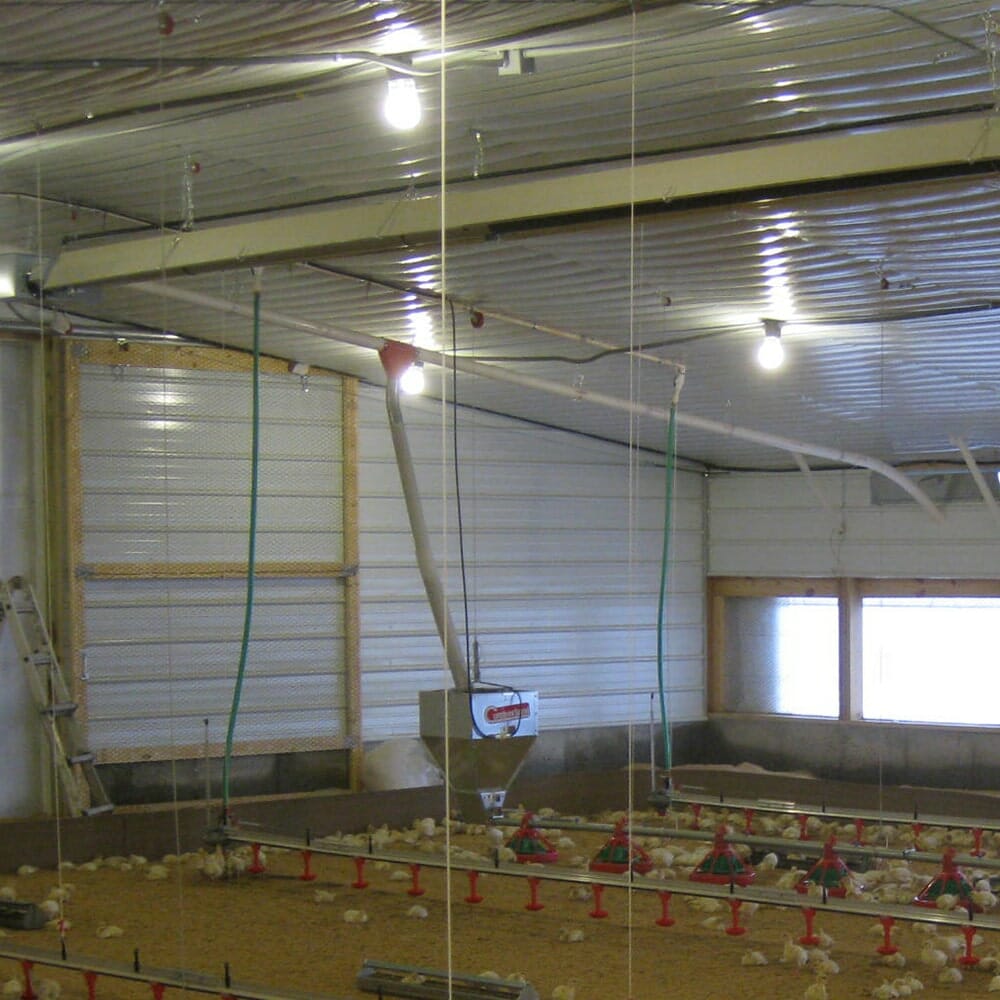 |
- Home
-
Products
- Pig Farming Equipment
- Cattle Farming Equipment
- Sheep & Goat Farming Equipment
- Poultry Farming Equipment
- Feeding & Drinking Systems
- Veterinary & Breeding Equipment
- Testing & Diagnostic Equipment
- Cleaning & Biosecurity Equipment
- Climate Control Equipment
- Livestock Weighing Equipment
- Manure & Waste Management
- Farm Transport & Handling
-
Solutions
- Pig Farm Solutions
- Dairy Farm Solutions
- Beef Cattle Farm Solutions
- Sheep & Goat Farm Solutions
- Layer Farm Solutions
- Broiler Farm Solutions
- Feeding & Drinking System Solutions
- Climate Control Solutions
- Biosecurity & Disinfection Solutions
- Manure & Waste Management
- Smart Farming Solutions
- Farm Renovation and Upgrade Solutions
- Partners
- Projects
- Resources
- News
- About Us
- Contact
Comments & Inquiries
Leave your questions or requirements below. We will reply as soon as possible.