


| Product Name | Gas Brooder Heater |
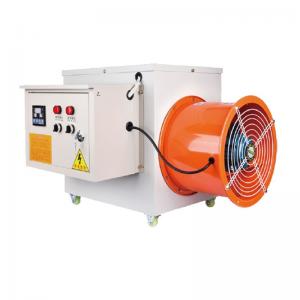
| Product Image |  |
| Product Overview |
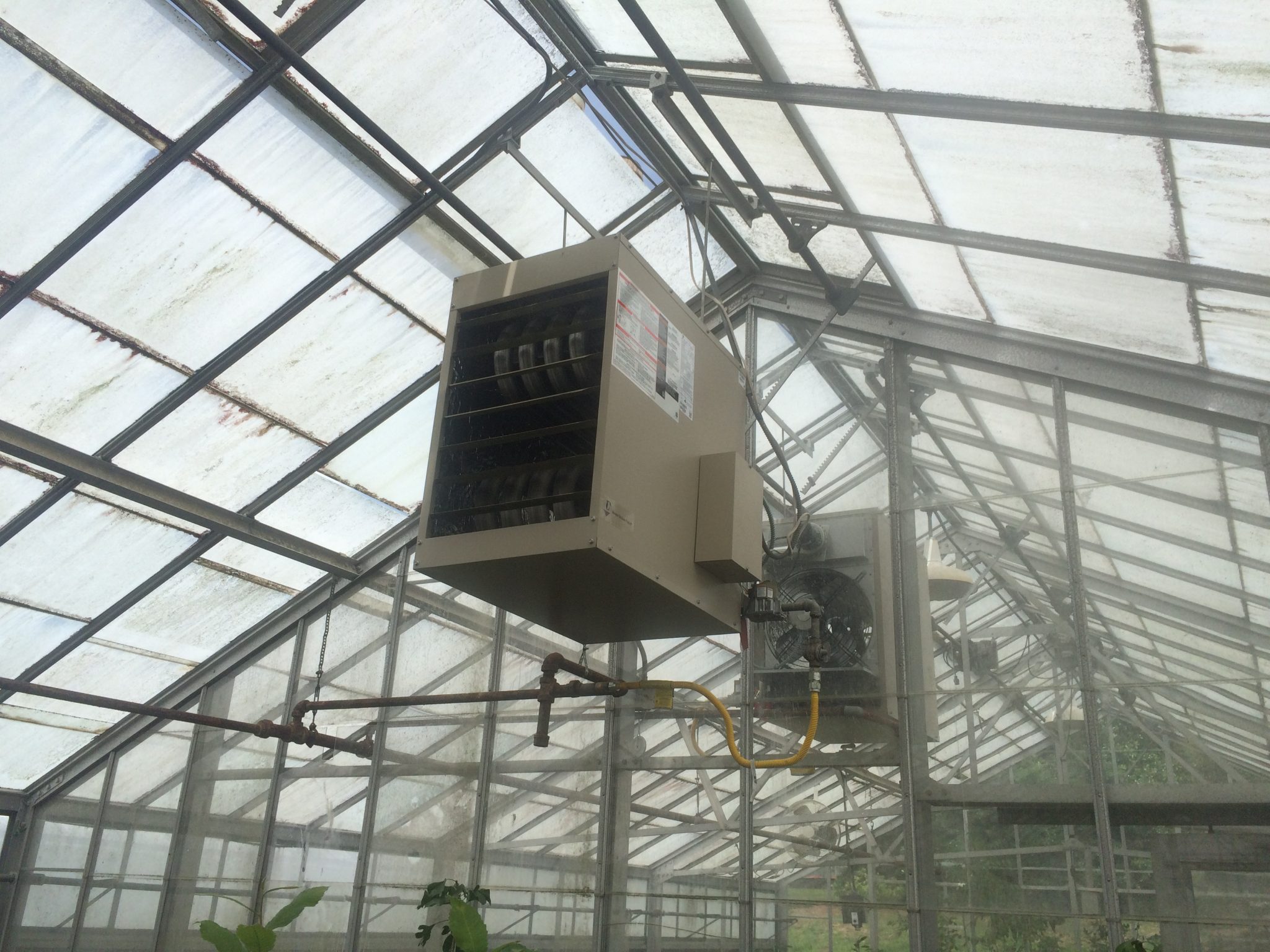
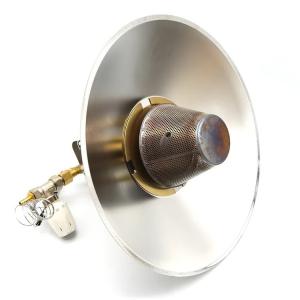
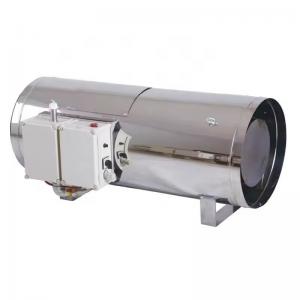
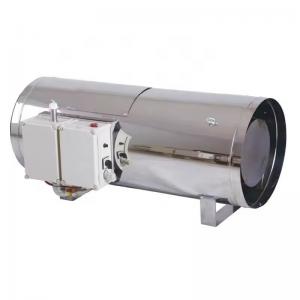
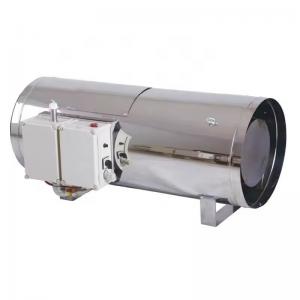
The Gas Brooder Heater is a suspended radiant heater designed to create a warm area beneath its reflector. Gas heats the emitter, and the reflector directs infrared energy toward the litter or pen floor where young animals rest. Commercial poultry farms can use appropriately selected brooders during chick rearing. Suitable configurations can also serve piglet zones in farrowing or nursery buildings. Heater quantity and location depend on the animals, floor layout and required temperature pattern. The compact suspended structure keeps the unit above feeders, drinkers and routine work areas. In new pig farm construction or a steel structure poultry building, gas lines, suspension points, controls and the livestock ventilation system can be planned together. Models differ in fuel pressure, ignition, safety devices and coverage. These details must be confirmed for the selected brooder; no fixed animal capacity or heating area applies to every configuration. |
| Key Features |
|
| Structural Components |
|
| Working Principle / Structural Principle |
Gas reaches the burner at the pressure specified for the selected model. After ignition, the emitter becomes hot and radiates energy toward the area below. The reflector shapes the heating footprint. Animals receive warmth from the heated floor and radiant surfaces within that footprint. Brooder position, suspension height and spacing influence the temperature pattern and must be set for the house layout. Gas brooders operate as part of an occupied livestock building. Adequate fresh-air ventilation is required for combustion and indoor air quality, even while the brooding area is being heated. |
| Technical Specifications |
|
| Applications |
|
| Customization Options |
|
| Installation & Maintenance |
Installation: Plan brooder quantity and positions from the animal type, stocking layout, building heat loss and target floor conditions. Secure each unit to suitable structural supports using the selected model’s suspension instructions. Qualified personnel should install the specified gas regulator, piping or hose, shutoff valve and any electrical or control connections. Maintain the required clearances from litter, curtains, feeders and other combustible materials. Commission the system by checking gas tightness, ignition, flame-failure protection and the heated area below each brooder. Maintenance: Inspect the reflector, emitter, gas fittings, suspension hardware and controls between flocks or production cycles. Remove dust and debris using methods permitted by the model’s manual; check burner openings for blockage. Verify safe ignition and shutdown before animals enter the building. Shut off the gas supply and isolate electrical power, where fitted, before servicing. Qualified personnel should perform gas-system repairs. |
| Project Cases |
Illustrative broiler project: An agricultural engineering company plans rows of suspended gas brooders for a new poultry house. Unit spacing, gas supply and zone controls are coordinated with feeding lines, drinkers and minimum ventilation. Illustrative piglet project: A commercial pig farm evaluates radiant brooders for designated piglet areas. The project team checks pen dimensions, safe mounting positions and the required floor-level heating pattern before specifying equipment. |
| Product FAQ |
1. How many animals can one brooder serve? 2. Can this brooder be used for both chicks and piglets? 3. Can it operate on natural gas or LPG? 4. How is suspension height chosen? 5. Can brooders connect to a farm climate controller? 6. Is ventilation required during brooding? 7. What safety features are available? 8. Can the units be installed in an existing poultry house? 9. What information is needed for a quotation? |
| Product Gallery |   |
- Home
-
Products
- Pig Farming Equipment
- Cattle Farming Equipment
- Sheep & Goat Farming Equipment
- Poultry Farming Equipment
- Feeding & Drinking Systems
- Veterinary & Breeding Equipment
- Testing & Diagnostic Equipment
- Cleaning & Biosecurity Equipment
- Climate Control Equipment
- Livestock Weighing Equipment
- Manure & Waste Management
- Farm Transport & Handling
-
Solutions
- Pig Farm Solutions
- Dairy Farm Solutions
- Beef Cattle Farm Solutions
- Sheep & Goat Farm Solutions
- Layer Farm Solutions
- Broiler Farm Solutions
- Feeding & Drinking System Solutions
- Climate Control Solutions
- Biosecurity & Disinfection Solutions
- Manure & Waste Management
- Smart Farming Solutions
- Farm Renovation and Upgrade Solutions
- Partners
- Projects
- Resources
- News
- About Us
- Contact
Comments & Inquiries
Leave your questions or requirements below. We will reply as soon as possible.