

| Product Showcase | Content | ||||||||||||||||||||||||||||
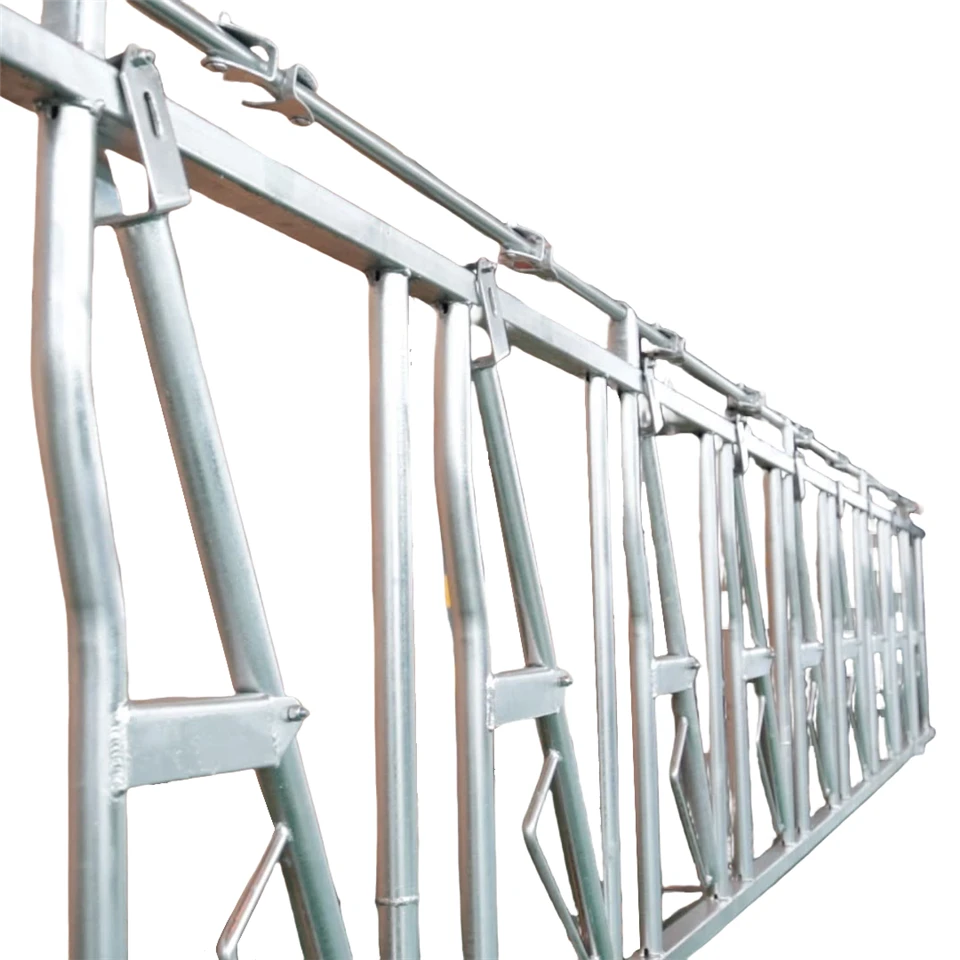
| Product Name | Swinging Self-Locking Cattle Headlock Gate | ||||||||||||||||||||||||||||
| Product Image | 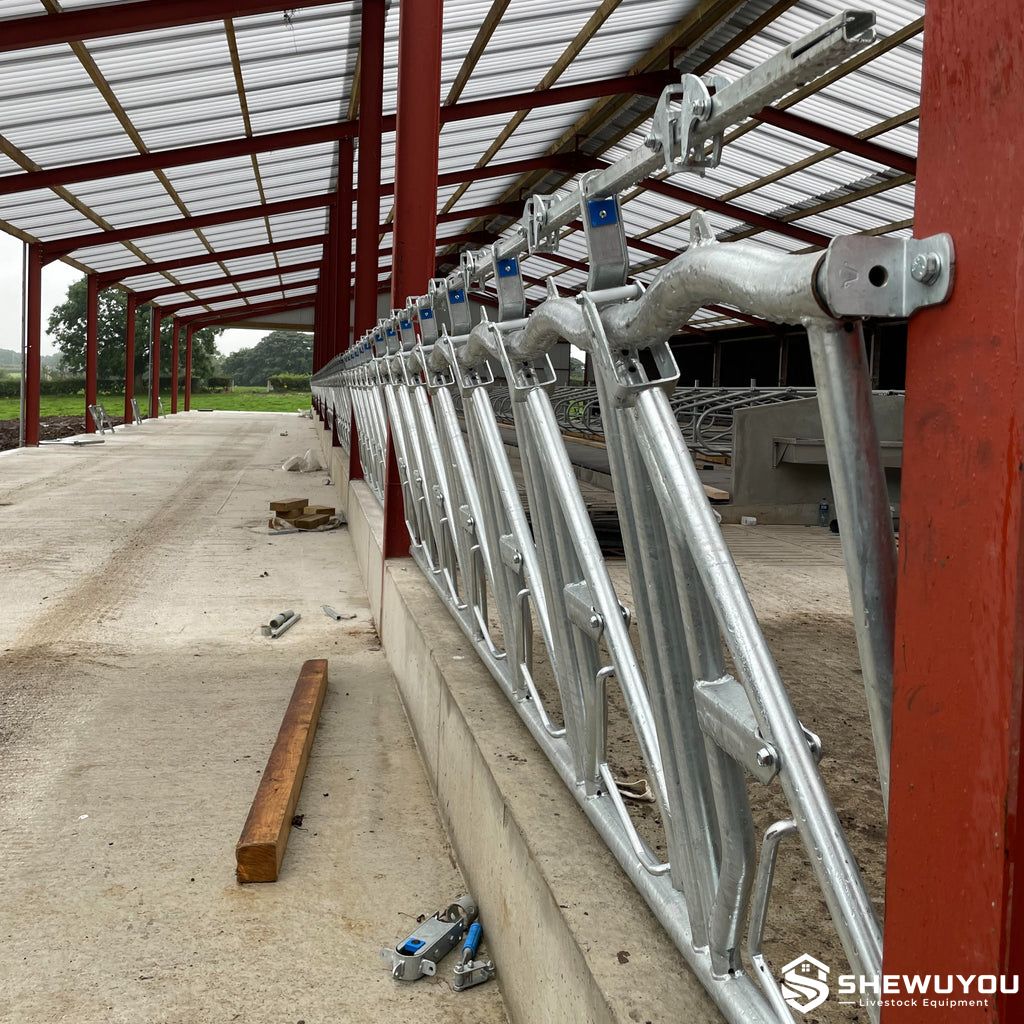 |
||||||||||||||||||||||||||||
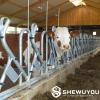
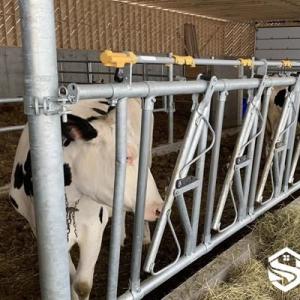
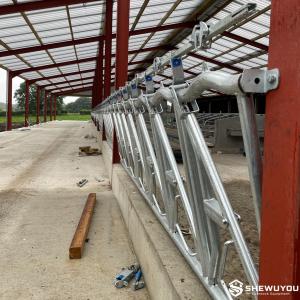
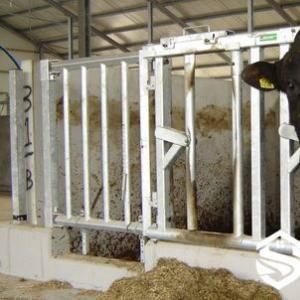
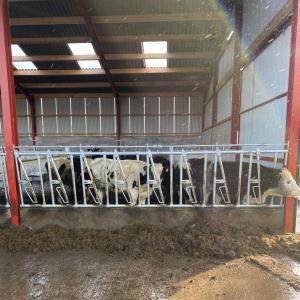
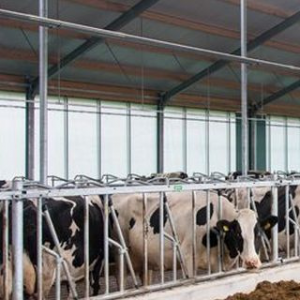
| Product Overview | The Swinging Self-Locking Cattle Headlock Gate combines a multi-position self-locking feed barrier with a rotating gate function for commercial dairy and cattle barns. During normal feeding, the section operates as a conventional cattle headlock, allowing cows to enter individual feeding positions and be restrained when required. By adding a compatible hinge assembly, the complete feed-front section can rotate away from the feed curb to create a wide access opening for cattle movement, machinery, cleaning or barn management. The modular system is particularly suitable for steel-structure dairy barns where feed-front sections must perform more than one function. Panel length, feeding-place width, number of headlocks and gate-support configuration can be selected according to barn layout and project requirements. |
||||||||||||||||||||||||||||
| Key Features |
|
||||||||||||||||||||||||||||
| Structural Components |
|
||||||||||||||||||||||||||||
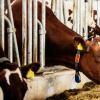
| Working Principle | Feeding Mode: With the gate closed and secured between the support posts, cattle use the individual headlock openings as a normal self-locking feed front. Self-Locking Mode: When restraint is required, the movable bar engages the hidden locking system as the cow lowers its head toward the feed. Individual or Group Release: Individual cattle can be released separately, while compatible fixed sections can be released together using the central control system. Gate Conversion: After all animals are released and the gate latch is disengaged, the complete section pivots around the hinge post. Open Access: The rotated headlock section creates a clear passage for cattle transfer, feed-lane access, manure removal or equipment movement. Return to Feeding Position: The section swings back into alignment with the feed curb and is mechanically secured before returning to normal headlock operation. |
||||||||||||||||||||||||||||
| Technical Specifications |
|
||||||||||||||||||||||||||||
| Applications |
|
||||||||||||||||||||||||||||
| Customization Options |
|
||||||||||||||||||||||||||||
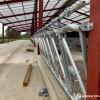
| Installation & Maintenance | Install the hinge-side support post on a structurally sound concrete foundation or approved steel-building support. The post must resist both cattle loading and the cantilever load created when the gate is fully open. Mount the headlock panel with compatible universal fasteners and verify that the section is level before installing the opposite-side gate stop or latch. Longer swinging sections should use an appropriately positioned castor wheel to support the outer end and reduce stress on the hinge assembly. The floor path must remain sufficiently smooth for reliable wheel movement. Adjust the headlock operating system separately from adjacent fixed feed-front sections. Confirm that the gate cannot swing while cattle are restrained. Regularly inspect hinge pins, castor wheel, gate latch, self-locking mechanisms, push buttons, mounting fasteners and support posts. Remove feed and manure accumulation around all moving components. |
||||||||||||||||||||||||||||
| Product FAQ | Q: Can a normal self-locking headlock section be converted into a swinging gate? A: Yes. Compatible sections can be equipped with a dedicated hinge assembly to create a rotating feed-front gate. Q: Does the gate still work as a cattle headlock? A: Yes. When closed and secured, the rotating section functions as a normal multi-position self-locking feed front. Q: Does a long gate require a support wheel? A: A castor wheel is recommended for longer rotating sections to reduce hinge loading and make manual movement easier. Q: Is the rotating gate controlled together with the fixed headlocks? A: The reference rotating section uses a separately operated locking mechanism. Q: What section lengths are available? A: Large-cattle reference sections range from approximately 134 to 325cm, with other dimensions available for heifers, young stock and calves. Q: Can the gate be customized for an existing barn opening? A: Yes. Section length, feeding-place width, support posts, hinge arrangement and fastening components can be selected according to the existing structural opening. Q: What information is needed for quotation? A: Provide the clear opening width, cattle type, required headlock positions, feed-curb dimensions, support-post arrangement and available barn drawings. |
||||||||||||||||||||||||||||
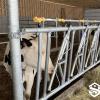
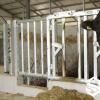
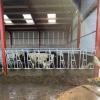
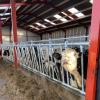
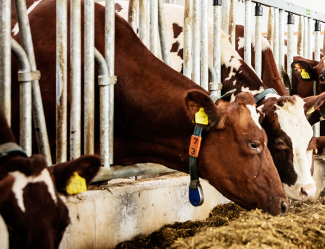
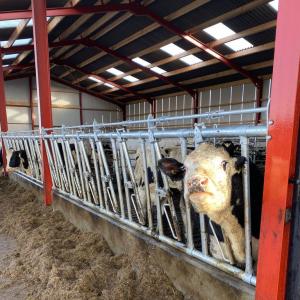
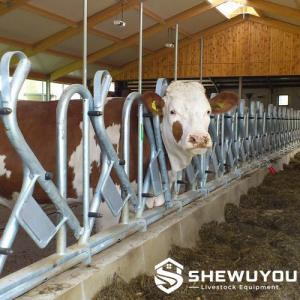
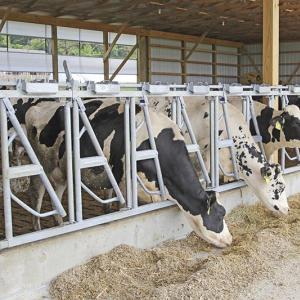
| Product Gallery |  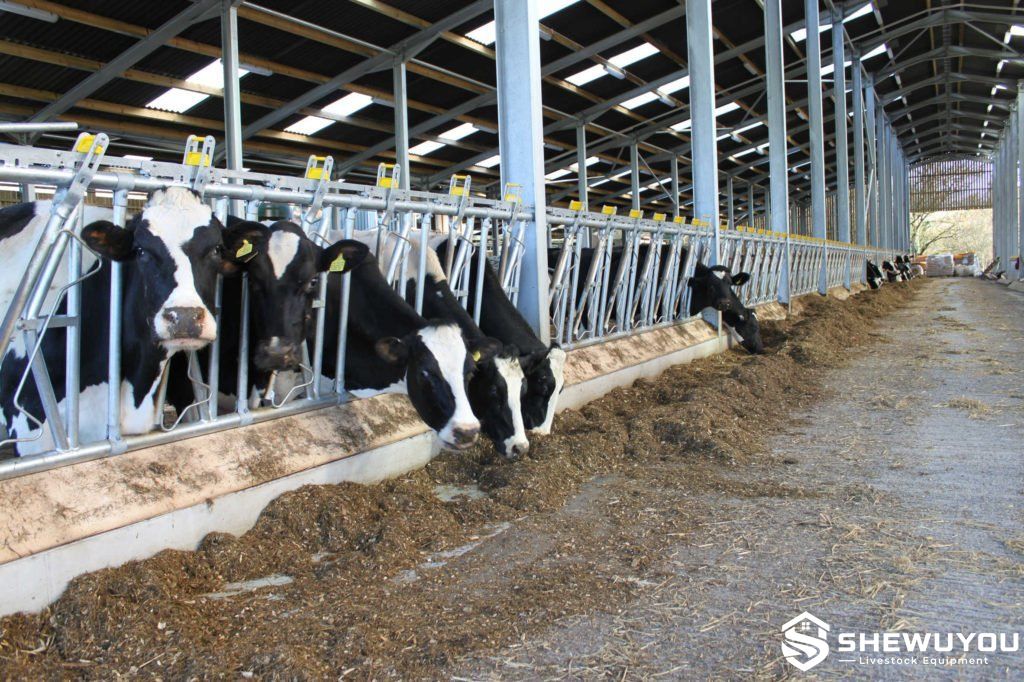 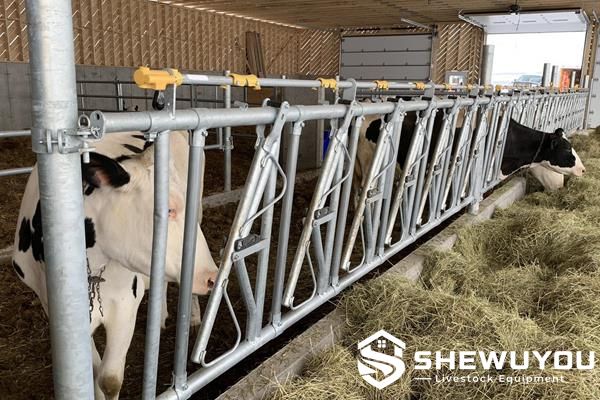 |
- Home
-
Products
- Pig Farming Equipment
- Cattle Farming Equipment
- Sheep & Goat Farming Equipment
- Poultry Farming Equipment
- Feeding & Drinking Systems
- Veterinary & Breeding Equipment
- Testing & Diagnostic Equipment
- Cleaning & Biosecurity Equipment
- Climate Control Equipment
- Livestock Weighing Equipment
- Manure & Waste Management
- Farm Transport & Handling
-
Solutions
- Pig Farm Solutions
- Dairy Farm Solutions
- Beef Cattle Farm Solutions
- Sheep & Goat Farm Solutions
- Layer Farm Solutions
- Broiler Farm Solutions
- Feeding & Drinking System Solutions
- Climate Control Solutions
- Biosecurity & Disinfection Solutions
- Manure & Waste Management
- Smart Farming Solutions
- Farm Renovation and Upgrade Solutions
- Partners
- Projects
- Resources
- News
- About Us
- Contact
Comments & Inquiries
Leave your questions or requirements below. We will reply as soon as possible.