

| Product Showcase | Content | ||||||||||||||||||||||||||||||
| Product Name | Heifer Self-Locking Headlock | ||||||||||||||||||||||||||||||
| Product Image | 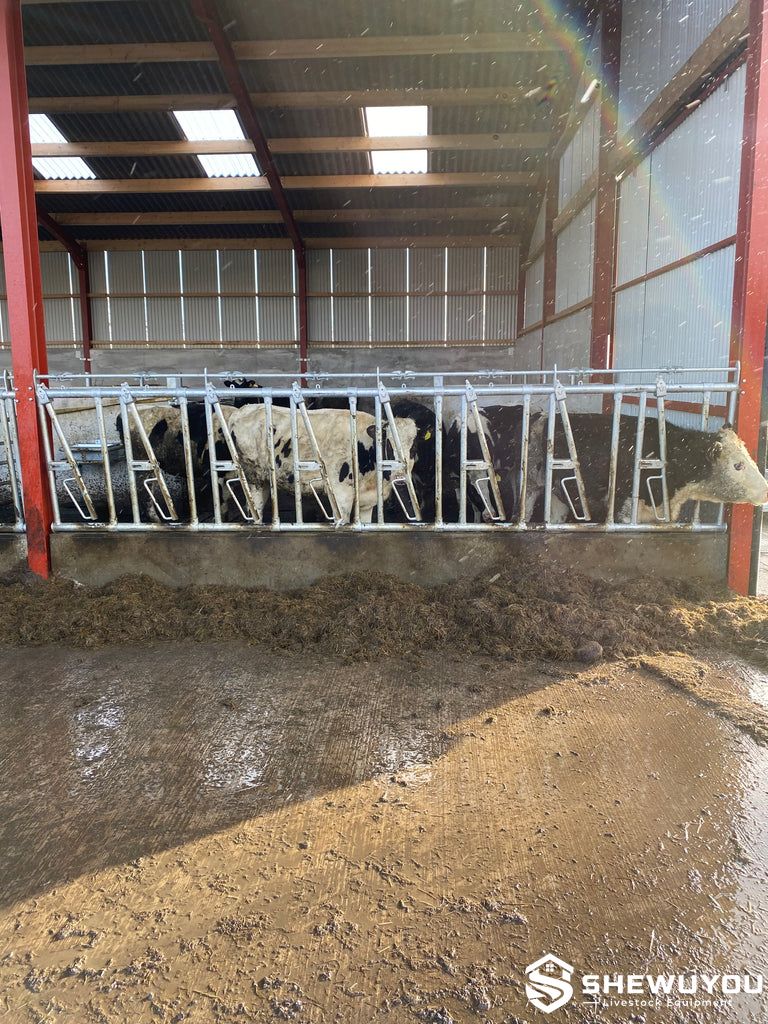 |
||||||||||||||||||||||||||||||
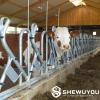
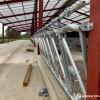
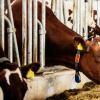
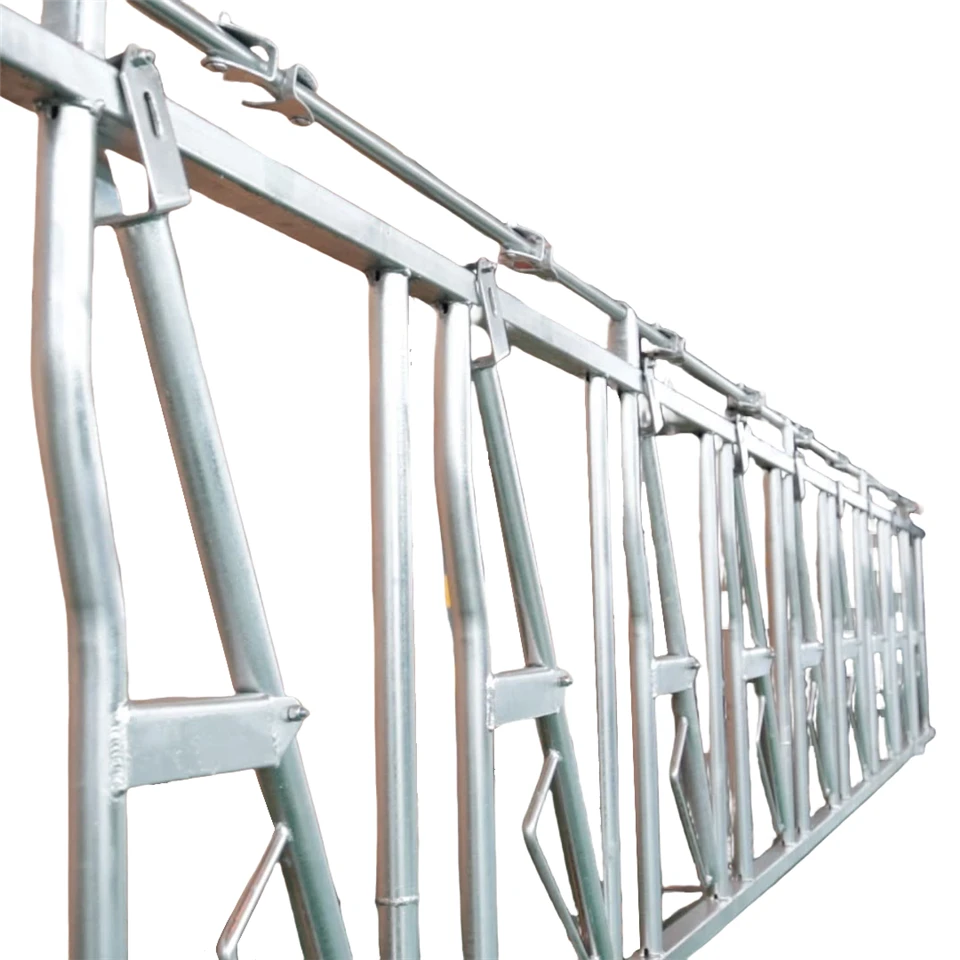
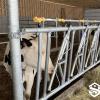
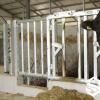
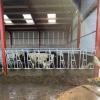
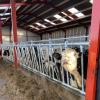
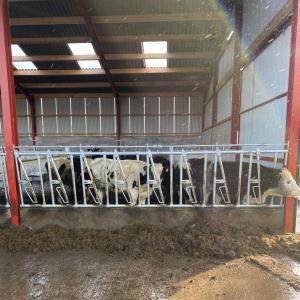
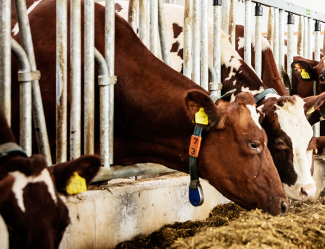
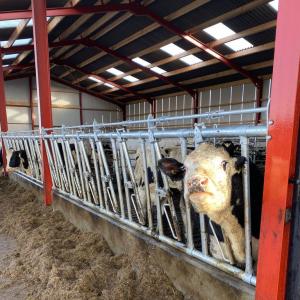
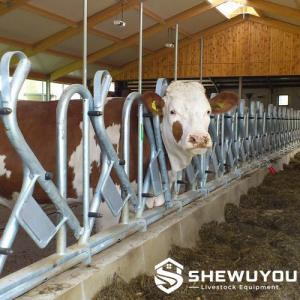
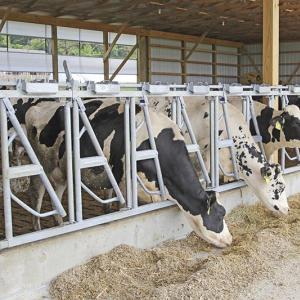
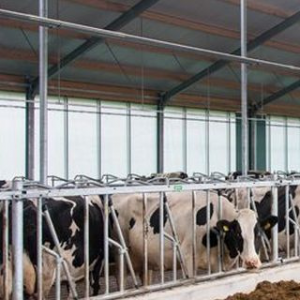
| Product Overview | The Heifer Self-Locking Headlock is a modular feed-front restraint system designed specifically for growing replacement heifers in commercial dairy farms and young-stock housing facilities. Age-specific feeding widths and adjustable neck openings allow the headlock to accommodate developing cattle while maintaining comfortable feed access. For heifers from approximately seven months onward, compatible Twist & Lock configurations allow individual animals to be secured or released quickly for veterinary checks, breeding work and routine herd management. The mechanically operated system requires no electricity or pneumatic supply and can be integrated into new steel-structure dairy barns or existing feed-front renovation projects. |
||||||||||||||||||||||||||||||
| Key Features |
|
||||||||||||||||||||||||||||||
| Structural Components |
|
||||||||||||||||||||||||||||||
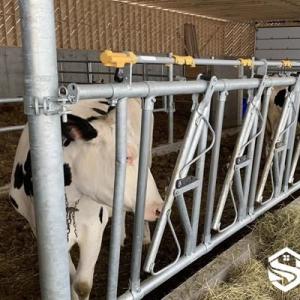
| Working Principle | Free Feeding: Heifers insert their heads through the individual openings to access feed along the concrete feed curb. Automatic Locking: When the system is placed in restraint mode, the pivoting bar moves as the animal lowers its head and engages the mechanical locking mechanism. Temporary Restraint: The animal remains positioned at its feeding place for routine inspection, treatment, vaccination, breeding or identification procedures. Individual Control: Selected heifers can be released separately using the individual release control. Twist & Lock Selection: On compatible configurations for older heifers, individual positions can also be deliberately locked while the remainder of the group stays free. |
||||||||||||||||||||||||||||||
| Technical Specifications |
|
||||||||||||||||||||||||||||||
| Applications |
|
||||||||||||||||||||||||||||||
| Customization Options |
|
||||||||||||||||||||||||||||||
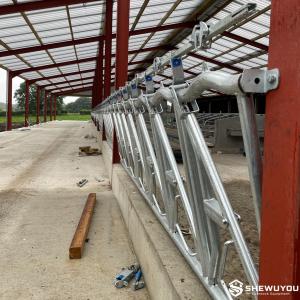
| Installation & Maintenance | Install the headlock sections securely between structural posts along the feed curb. Select the appropriate feeding width and neck-opening range according to heifer age, breed and average body size. Keep all panels level and aligned so the locking bars operate freely. Structural supports must be capable of resisting normal dynamic loads generated by young cattle. Review neck-opening adjustment as the heifers grow. Correct adjustment helps maintain comfortable access while preserving reliable restraint. Regularly inspect pivots, push buttons, Twist & Lock controls, fasteners and frame tubes. Remove accumulated feed and manure around mechanical components and replace damaged or excessively worn parts promptly. |
||||||||||||||||||||||||||||||
| Product FAQ | Q: What age of heifers is this headlock designed for? A: The heifer-focused reference configurations cover approximately seven to 22 months of age. Q: Can the neck opening be adjusted? A: Yes. Reference neck widths are adjustable from approximately 10–17cm for 7–12 month animals and 13–20cm for 13–22 month animals. Q: What is the Twist & Lock function? A: It allows an operator to secure an individual heifer while other animals remain available for normal release or feeding. Q: Can a single heifer be released separately? A: Yes. Compatible configurations use individual push-button release controls. Q: Can the headlock be installed in an existing barn? A: Yes. Panel length, brackets and support-post arrangements can be configured for both renovation and new construction projects. Q: Can section dimensions be customized? A: Yes. Feeding width, neck opening, panel length, number of positions and mounting arrangement can be specified according to farm drawings and project requirements. |
||||||||||||||||||||||||||||||
| Product Gallery | 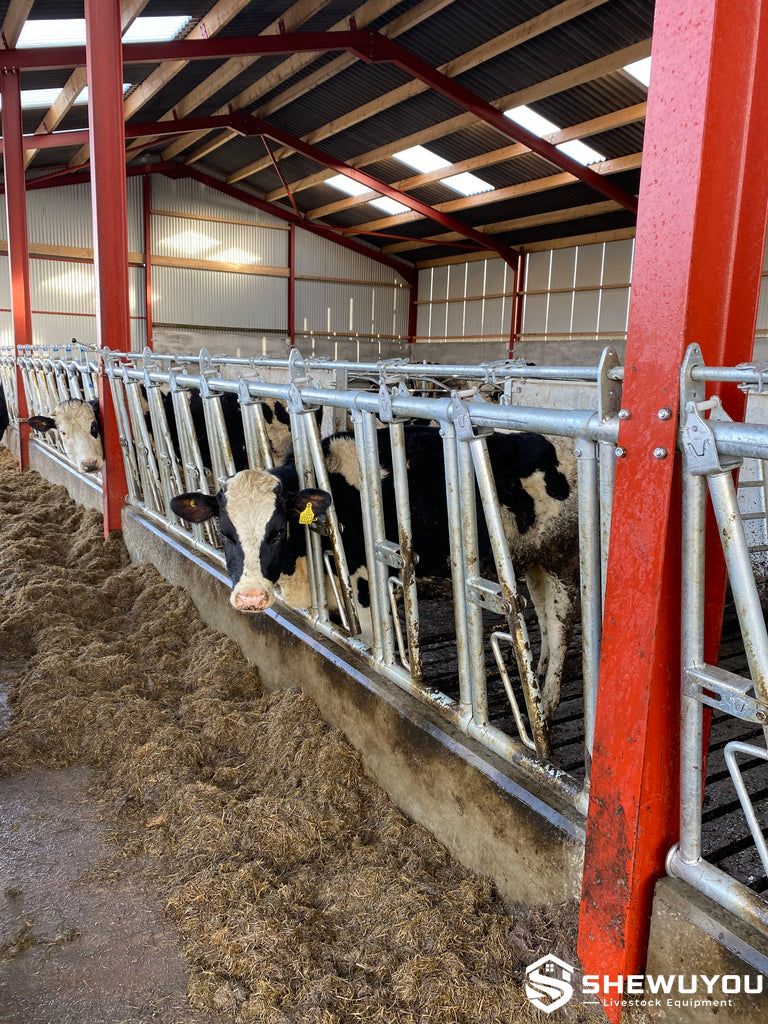 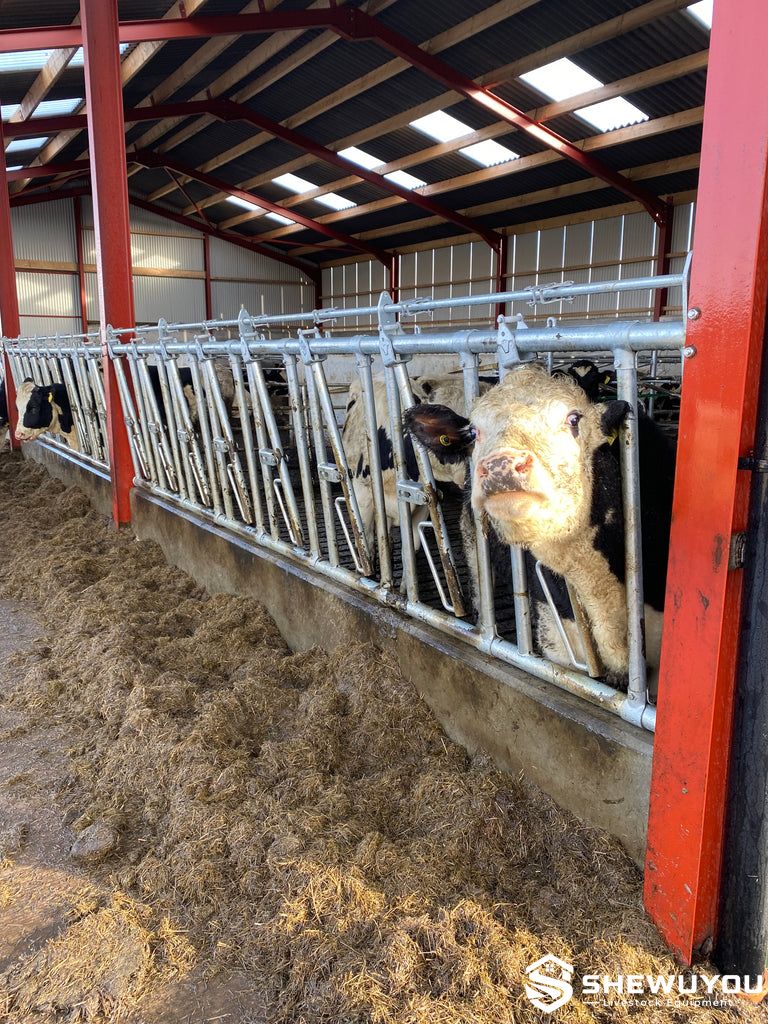 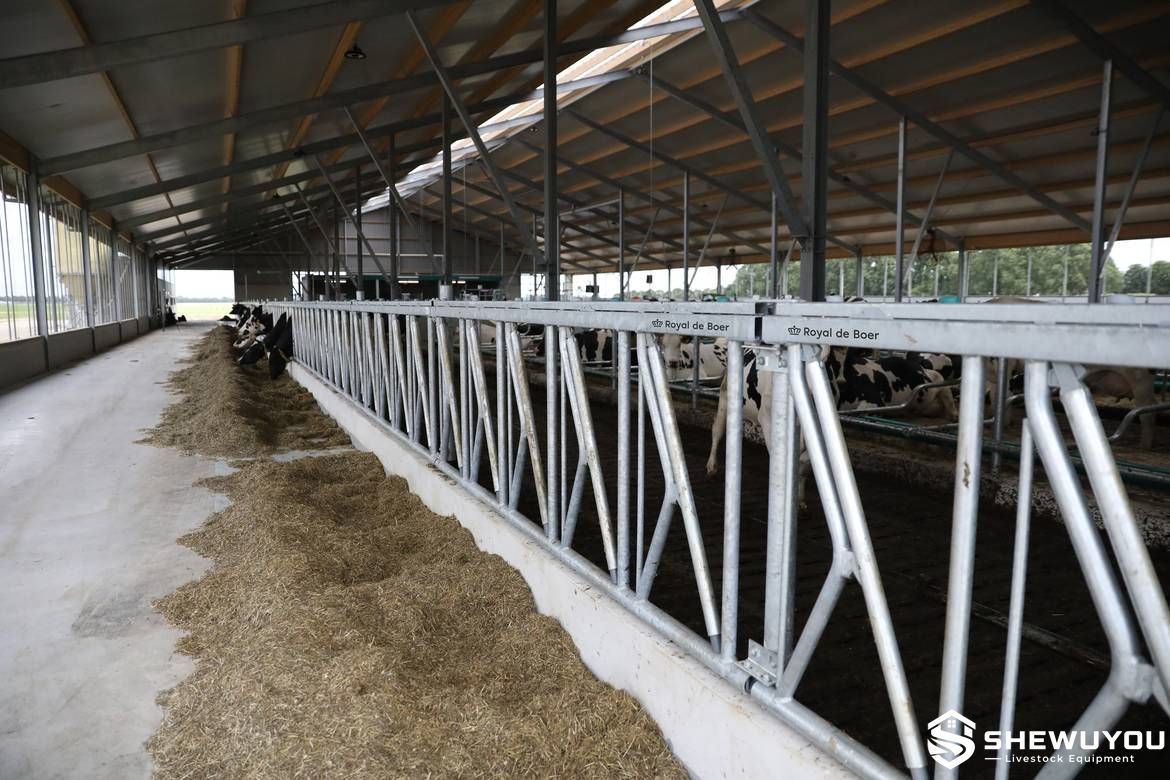 |
- Home
-
Products
- Pig Farming Equipment
- Cattle Farming Equipment
- Sheep & Goat Farming Equipment
- Poultry Farming Equipment
- Feeding & Drinking Systems
- Veterinary & Breeding Equipment
- Testing & Diagnostic Equipment
- Cleaning & Biosecurity Equipment
- Climate Control Equipment
- Livestock Weighing Equipment
- Manure & Waste Management
- Farm Transport & Handling
-
Solutions
- Pig Farm Solutions
- Dairy Farm Solutions
- Beef Cattle Farm Solutions
- Sheep & Goat Farm Solutions
- Layer Farm Solutions
- Broiler Farm Solutions
- Feeding & Drinking System Solutions
- Climate Control Solutions
- Biosecurity & Disinfection Solutions
- Manure & Waste Management
- Smart Farming Solutions
- Farm Renovation and Upgrade Solutions
- Partners
- Projects
- Resources
- News
- About Us
- Contact
Comments & Inquiries
Leave your questions or requirements below. We will reply as soon as possible.