
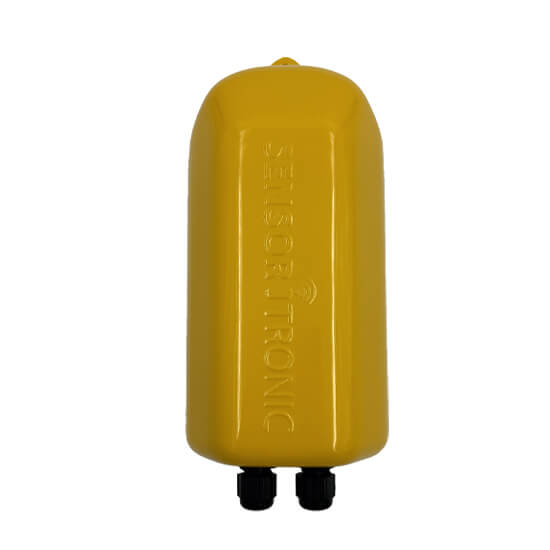
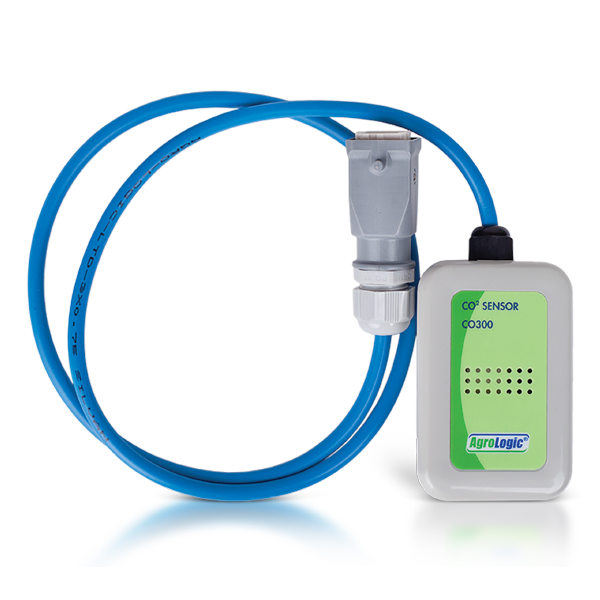
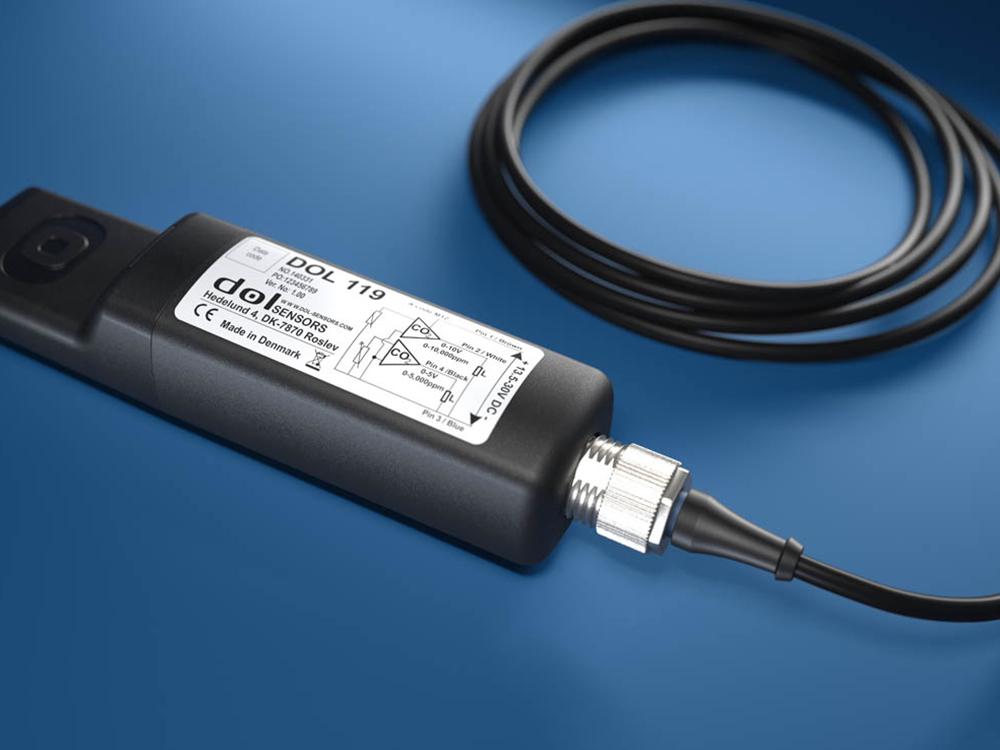
| Product Name | Livestock Temperature Humidity and CO2 Sensor | ||||||||||||||||||||||
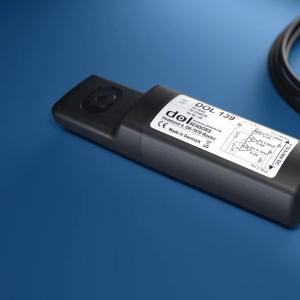
| Product Image | 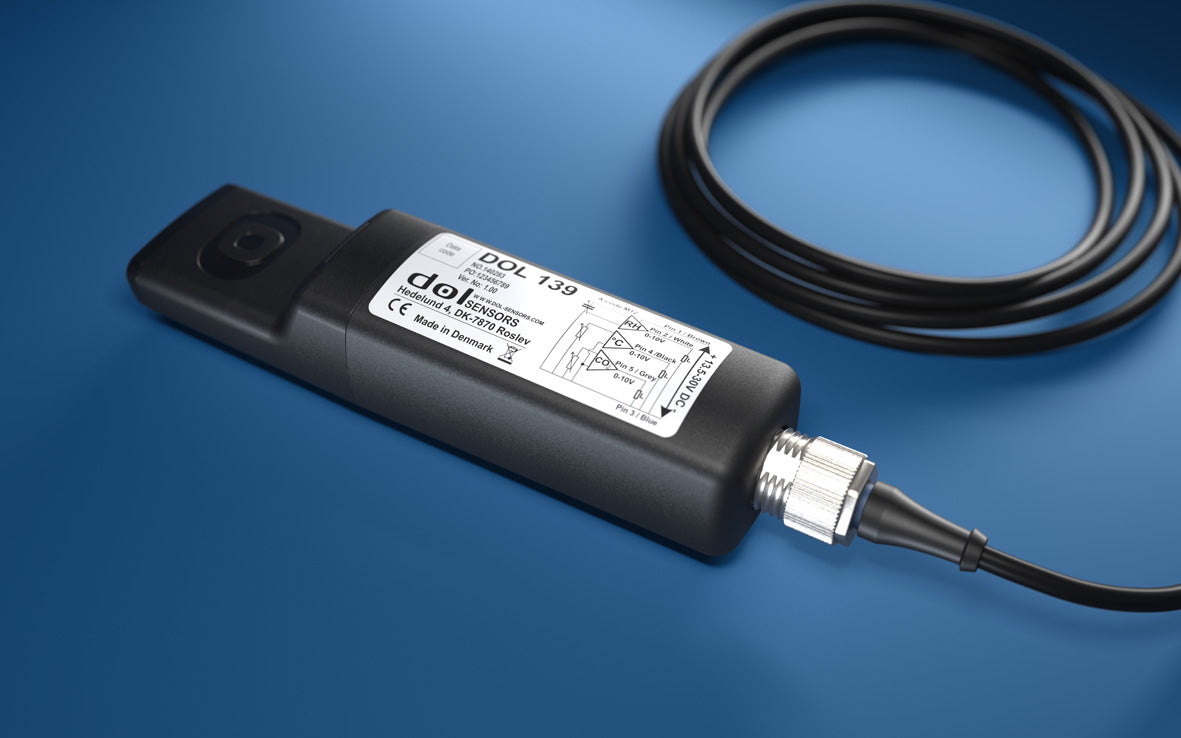 |
||||||||||||||||||||||
| Product Overview | The Livestock Temperature Humidity and CO2 Sensor is a professional 3-in-1 environmental sensor designed to measure carbon dioxide concentration, relative humidity, and ambient temperature with one compact unit. It is developed for continuous climate monitoring in poultry houses, pig barns, cattle buildings, livestock breeding facilities, and other demanding agricultural environments. By combining three important environmental measurements in one sensor, the system reduces the number of individual sensing devices required inside a livestock house. This simplifies installation, reduces wiring and maintenance requirements, and provides essential climate data for livestock ventilation and environmental control systems. The robust housing, protected sensing element, and IP67-rated construction make the sensor suitable for dusty, humid, and corrosive livestock-house conditions. A protection cap can be used during washing and disinfection, including high-pressure cleaning procedures. |
||||||||||||||||||||||
| Key Features |
|
||||||||||||||||||||||
| Structural Components | The sensor consists of a durable protective housing, integrated temperature sensing element, relative humidity sensing element, CO2 sensing module, air-permeable filter, internal signal processing electronics, electrical connector, connection cable, and protective cleaning cap. The sensing section is designed to allow free airflow around the measurement area while protecting internal components from dust, moisture, and livestock-house contamination. The electrical interface connects the sensor to a compatible farm climate controller, monitoring system, or automation panel. A removable protection cap can be positioned on the cable and fitted over the sensing section during washing and disinfection. |
||||||||||||||||||||||
| Working Principle / Structural Principle | Ambient livestock-house air passes around the protected sensing area. The internal sensing elements independently measure carbon dioxide concentration, relative humidity, and temperature. The sensor electronics process these measurements and provide corresponding analog signals to the connected livestock climate controller. The controller can use this environmental information for monitoring, alarm functions, data recording, and automatic management of ventilation, heating, cooling, or other climate-control equipment. Using all three measurements from one location provides farm operators with a more complete indication of livestock-house environmental conditions while simplifying the sensor installation system. |
||||||||||||||||||||||
| Technical Specifications |
|
||||||||||||||||||||||
| Applications |
|
||||||||||||||||||||||
| Customization Options | SHEWUYOU can provide livestock environmental monitoring solutions according to farm size, animal species, house layout, ventilation system, climate-control requirements, and local operating conditions. Available project options can include sensor quantity, installation locations, cable configuration, mounting accessories, environmental controllers, alarm systems, data acquisition equipment, ventilation control equipment, and other livestock-house monitoring components. System configuration is available according to project requirements and can be designed according to local climate and farm conditions. |
||||||||||||||||||||||
| Installation & Maintenance | Install the sensor in a representative livestock-house location with unrestricted airflow around the sensing tip. For standard livestock-house applications, a central position within the building helps provide representative environmental measurements. The sensor should hang freely from the connection cable and should not be exposed to direct sunlight, localized heating sources, or other conditions that could distort measurements. Free airflow must be maintained around the sensing section. After power-up, allow approximately 10 minutes for sensor warm-up before relying on measurements. If the sensor has been exposed to water, condensation, or prolonged high humidity, allow it to operate in an environment below 80% relative humidity until normal measurement performance is restored. During high-pressure cleaning or disinfection, install the supplied protection cap. Inspect the housing, filter, cable, connector, and mounting position regularly and keep the airflow path around the sensor free from excessive contamination. |
||||||||||||||||||||||
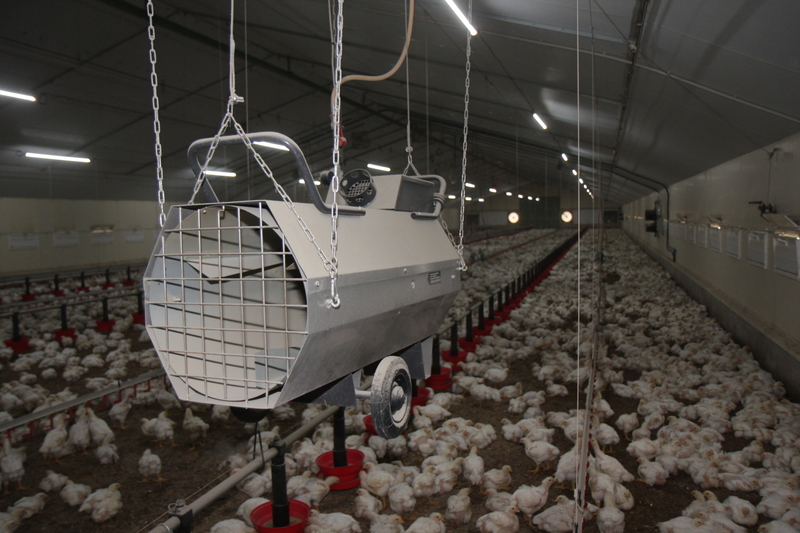
| Project Cases | The Livestock Temperature Humidity and CO2 Sensor can be integrated into complete livestock environmental control projects for poultry farms, pig farms, cattle facilities, and livestock breeding complexes. A typical commercial installation may use several sensors positioned in representative zones throughout a large animal house. Measurement signals can be connected to a centralized climate controller that manages ventilation fans, air inlets, heating equipment, cooling pads, circulation fans, and alarm systems according to environmental conditions. For new farm engineering projects, sensor quantity and installation points can be coordinated with building dimensions, stocking density, ventilation zones, heating configuration, cooling equipment, and the overall farm automation system. |
||||||||||||||||||||||
| Product FAQ | Q: What parameters can this sensor measure? A: It measures carbon dioxide concentration, relative humidity, and temperature with one integrated sensor. Q: What is the CO2 measurement range? A: The reference configuration measures CO2 from 0 to 10,000 ppm. Q: Is it suitable for poultry houses and pig farms? A: Yes. The sensor is specifically designed for livestock houses and other demanding agricultural environments. Q: Can it be connected to an automatic ventilation controller? A: Yes. The analog measurement outputs can be connected to compatible climate controllers according to the control-system configuration. Q: Can the sensor remain installed during barn washing? A: A protective cap is provided to protect the sensing section during washing and disinfection, including high-pressure cleaning. Q: Where should the sensor be installed? A: It should be installed at a representative location with free airflow around the sensing tip and away from direct sunlight or localized heat sources. Q: Can several sensors be used in one livestock house? A: Yes. Multiple sensing points can be used according to building size, ventilation zones, animal density, and project requirements. |
||||||||||||||||||||||
| Product Gallery | 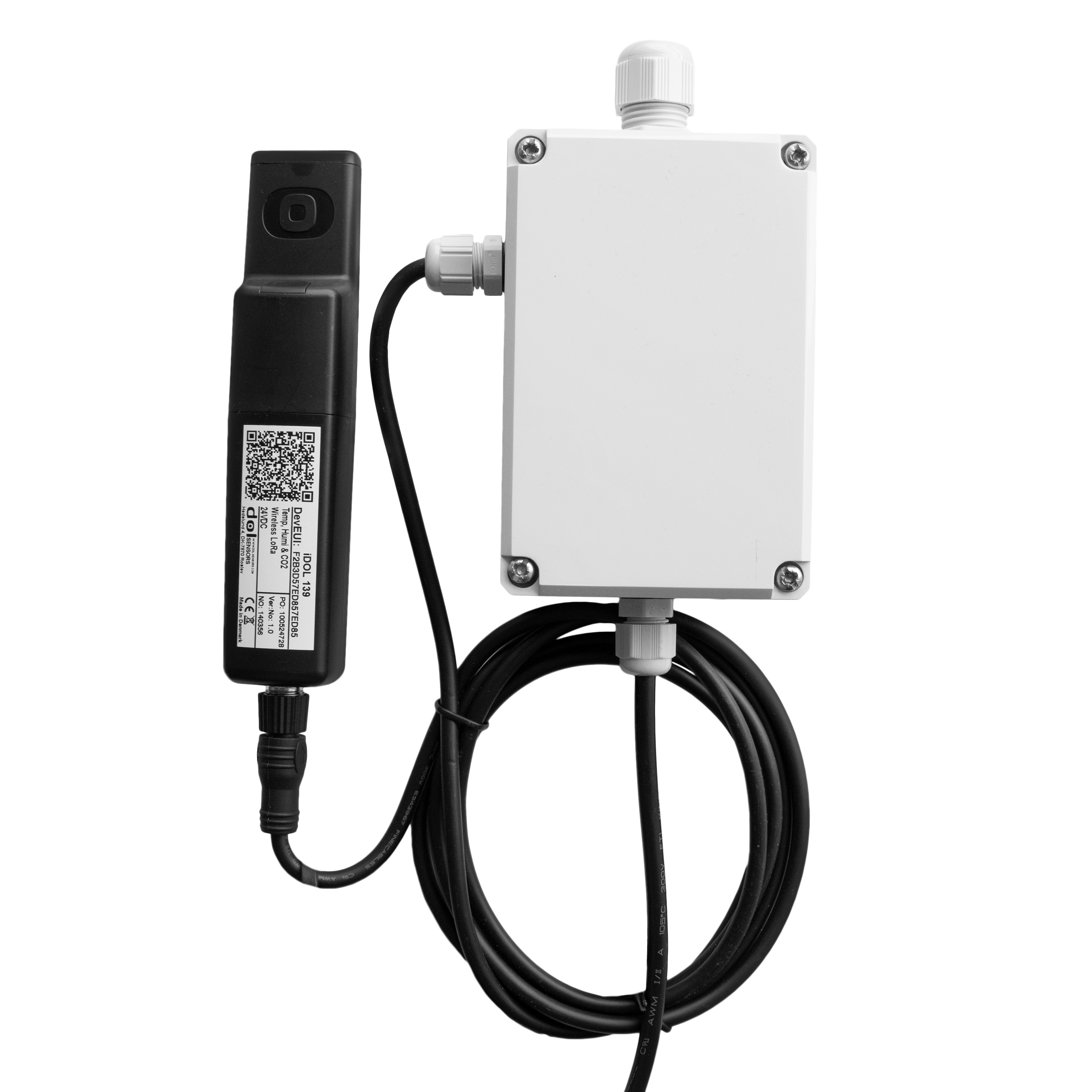  |
- Home
-
Products
- Pig Farming Equipment
- Cattle Farming Equipment
- Sheep & Goat Farming Equipment
- Poultry Farming Equipment
- Feeding & Drinking Systems
- Veterinary & Breeding Equipment
- Testing & Diagnostic Equipment
- Cleaning & Biosecurity Equipment
- Climate Control Equipment
- Livestock Weighing Equipment
- Manure & Waste Management
- Farm Transport & Handling
-
Solutions
- Pig Farm Solutions
- Dairy Farm Solutions
- Beef Cattle Farm Solutions
- Sheep & Goat Farm Solutions
- Layer Farm Solutions
- Broiler Farm Solutions
- Feeding & Drinking System Solutions
- Climate Control Solutions
- Biosecurity & Disinfection Solutions
- Manure & Waste Management
- Smart Farming Solutions
- Farm Renovation and Upgrade Solutions
- Partners
- Projects
- Resources
- News
- About Us
- Contact

Comments & Inquiries
Leave your questions or requirements below. We will reply as soon as possible.