
| Product Name | Livestock House High-Protection CO2 Sensor | ||||||||||||||||||||||||||||||||||
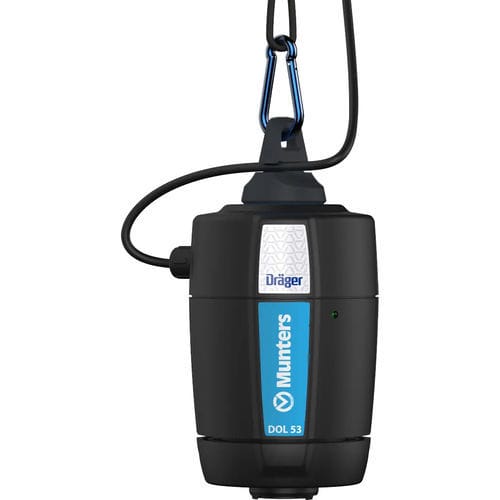
| Product Image | 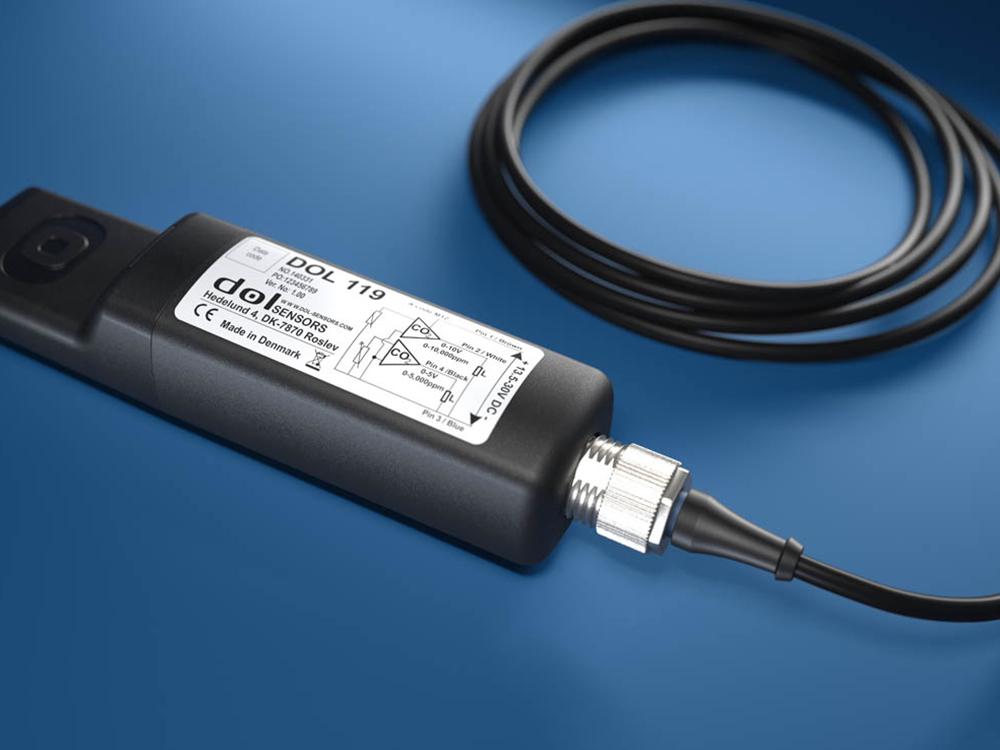 |
||||||||||||||||||||||||||||||||||
| Product Overview | The Livestock House High-Protection CO2 Sensor is a fixed environmental monitoring device designed for continuous carbon dioxide measurement in demanding livestock buildings. It is suitable for poultry houses, pig houses, dairy barns and other intensive animal-production facilities where reliable air-quality data are required for ventilation and climate management. The sensor is designed for installation inside the livestock zone rather than only on a control-room wall, allowing CO2 measurements to better represent the air conditions experienced by the animals. Its rugged IP67 housing, protected sensing area and high-pressure cleaning resistance make it suitable for harsh farm environments involving dust, humidity and regular washing. Different signal-output configurations are available for integration with livestock climate controllers and farm management systems. |
||||||||||||||||||||||||||||||||||
| Key Features | Accurate Continuous CO2 Monitoring: Designed for reliable measurement of carbon dioxide concentration in livestock houses throughout the production cycle. IP67 High-Protection Housing: Rugged enclosure provides strong protection against dust and water ingress for demanding agricultural environments. High-Pressure Cleaning Resistance: The reference design can remain installed during cold-water high-pressure cleaning when the specified protective cap is correctly fitted. Animal-Zone Installation: Suspended installation in the central livestock area provides representative CO2 measurements where animal air quality is most important. Wide CO2 Measurement Capability: Reference configurations provide measurement ranges up to 10,000 ppm, covering normal livestock-house monitoring and elevated CO2 conditions. Dual Measurement Outputs: Selected voltage-output versions provide separate 0–10 V and 0–5 V signals corresponding to different measurement ranges. 4–20 mA Version Available: Industrial current-output configurations are available for integration with compatible PLC, climate-control and farm automation systems. Farm Management Integration: Can be configured for connection to different livestock environmental controllers and centralized farm-management platforms. Easy Retrofit: Adapter solutions are available for replacing older livestock-house CO2 sensor installations according to system configuration. |
||||||||||||||||||||||||||||||||||
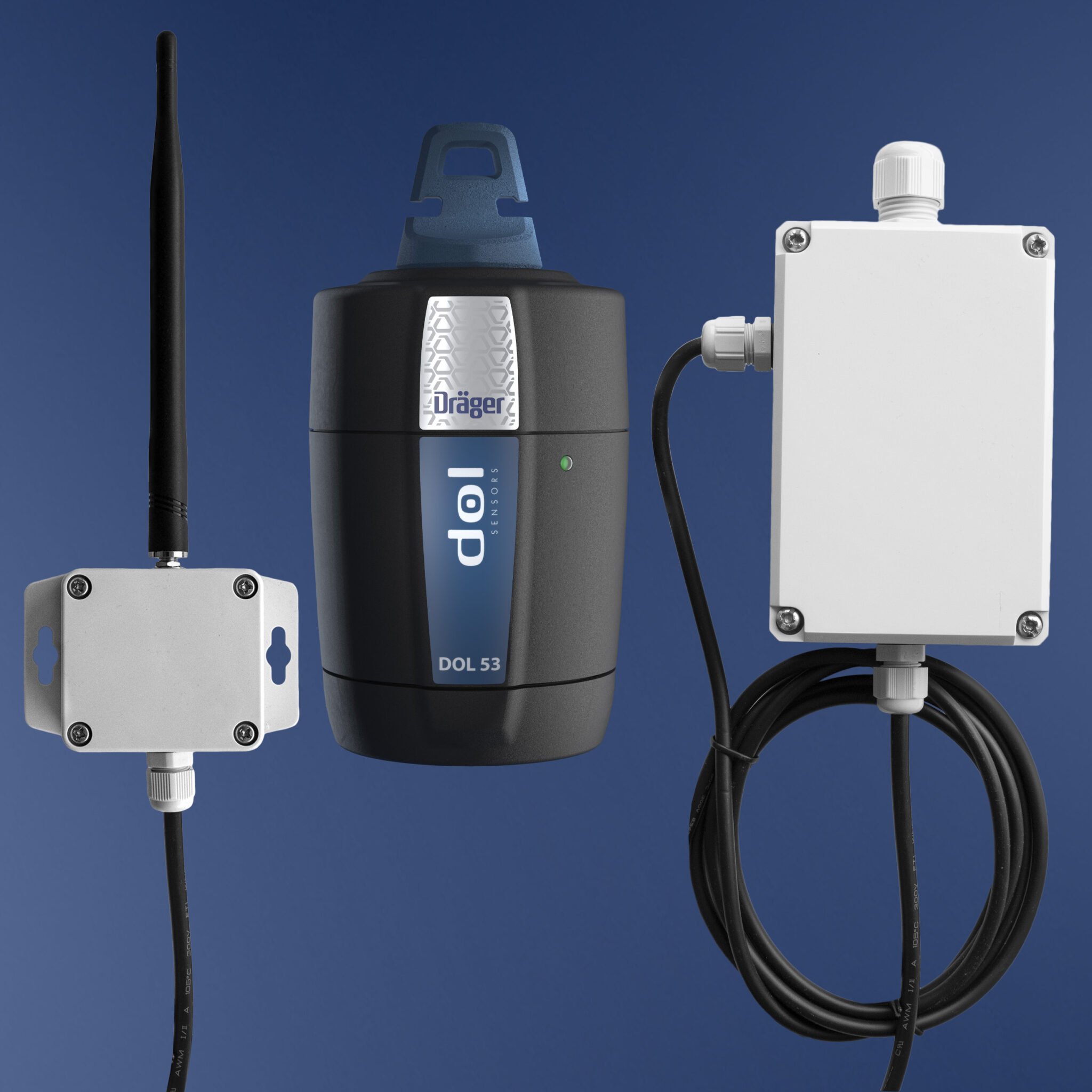
| Structural Components | CO2 Sensing Module: Detects carbon dioxide concentration continuously in the surrounding livestock-house air. Protected Air Inlet: Allows free air exchange around the sensing area while helping protect internal components from the farm environment. Heavy-Duty Sensor Housing: IP67-rated enclosure designed for livestock buildings, poultry houses and industrial environments. Status Indicator: Integrated LED provides operating and fault-condition information according to configuration. M12 Connection: Provides a secure electrical connection for power and signal transmission. Suspension Cable: Supports free-hanging installation at the required measurement position within the animal house. Cleaning Protection Cap: Protects the sensing area during permitted washing and disinfection procedures. Optional Adapter Cable: Available for selected retrofit applications and replacement of earlier sensor installations. |
||||||||||||||||||||||||||||||||||
| Working Principle | The sensor continuously samples the surrounding livestock-house air and measures carbon dioxide concentration using an internal gas-sensing system. The measured concentration is converted into a standardized electrical output for transmission to a compatible climate controller or farm monitoring system. Two measurement ranges can be provided in selected configurations, allowing the same device to support both detailed monitoring of normal animal-zone CO2 levels and supervision of higher concentrations that may occur during insufficient ventilation or direct-combustion heating operation. When connected to an environmental controller, CO2 information can be evaluated together with temperature, humidity, ventilation rate and other climate parameters. The controller can then use this information to support ventilation adjustments and maintain more stable livestock-house air quality. |
||||||||||||||||||||||||||||||||||
| Technical Specifications |
|
||||||||||||||||||||||||||||||||||
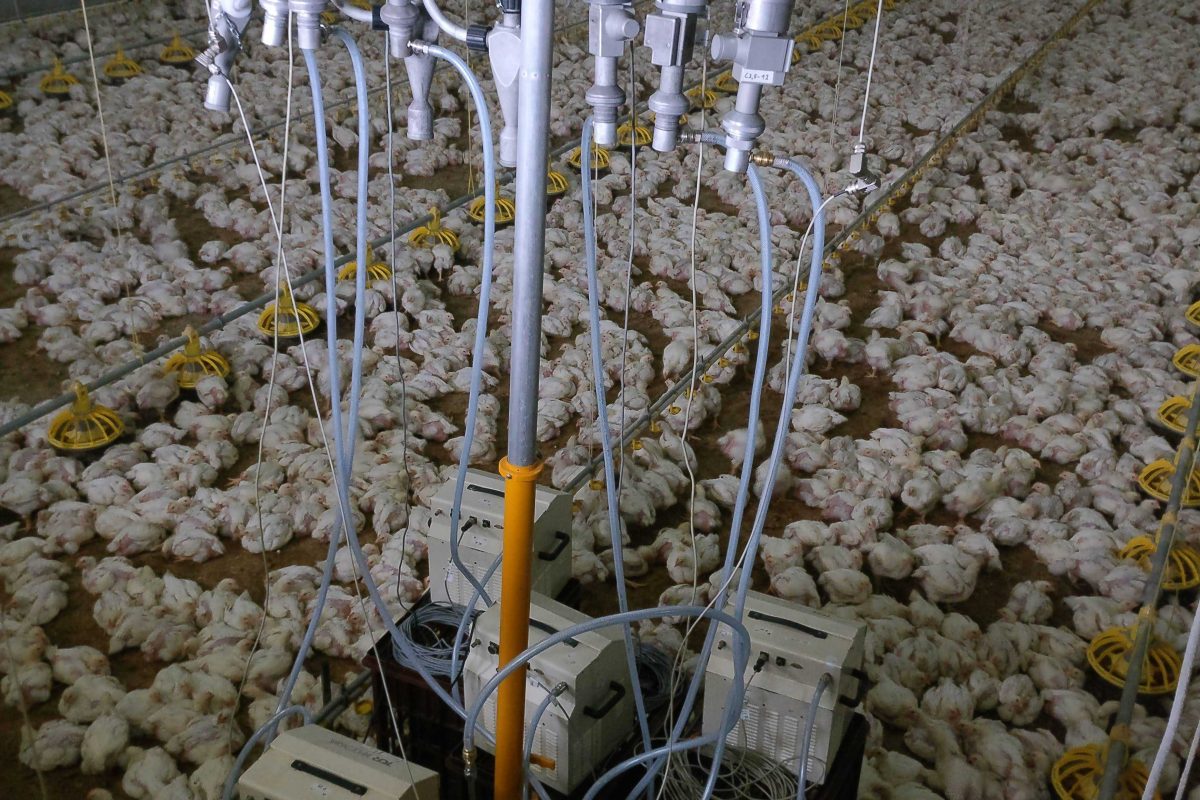
| Applications | Broiler Houses: Supports continuous CO2 monitoring where combustion heating, minimum ventilation and high stocking density can influence indoor air quality. Layer and Breeder Houses: Provides carbon dioxide information for ventilation and environmental management throughout long poultry production cycles. Pig Houses: Suitable for nursery, finishing, gestation and farrowing buildings requiring continuous ventilation monitoring. Direct-Combustion Heating Systems: CO2 monitoring can provide additional information for identifying abnormal air-quality conditions related to combustion and insufficient ventilation. Minimum Ventilation Control: CO2 concentration can be used as an additional environmental reference during cold-weather minimum-ventilation operation. Commercial Livestock Farms: Suitable for centralized climate-management systems in large-scale poultry, swine and cattle facilities. Steel Structure Livestock Buildings: Can be integrated into new steel structure poultry houses, pig houses and other livestock construction projects. Farm Modernization: Suitable for upgrading existing animal houses with continuous digital air-quality monitoring and automated environmental control. |
||||||||||||||||||||||||||||||||||
| Customization Options | The CO2 monitoring solution can be configured according to livestock species, house size, ventilation design and farm-management requirements. Available options may include: • 0–10 V signal configuration • 4–20 mA signal configuration • Controller-specific interface matching • Cable length according to project requirements • Replacement and retrofit adapter solutions • Centralized climate-control integration • CO2 alarm and data-logging functions • Combined CO2, temperature, humidity and NH3 monitoring • Pig house environmental-control packages • Poultry house ventilation-control packages • Steel structure livestock building integration • OEM and distributor configurations System layout can be designed according to local climate and farm conditions. |
||||||||||||||||||||||||||||||||||
| Installation & Maintenance | Install the sensor freely suspended from its cable in a representative central position inside the livestock building. The reference installation guidance specifies a minimum distance of approximately 50 cm above the floor while keeping the device out of reach of animals. Maintain free airflow around the sensing end and avoid installation in direct sunlight or immediately beside fresh-air inlets, heaters, exhaust fans or other locations that could produce unrepresentative measurements. Connect the M12 cable and signal wiring to the compatible controller according to the selected voltage or current-output version. Allow approximately 10 minutes of warm-up time after power-up before relying on measurement data. During cleaning and disinfection, install the specified protective cap before using cold-water high-pressure washing. Hot-water pressure washing, highly compressed air, solvents, corrosive chemicals and alcohol-based disinfectants should be avoided. After exposure to water or condensation, allow the sensor to dry under suitable humidity conditions before expecting fully stabilized measurements. |
||||||||||||||||||||||||||||||||||
| Project Cases | The sensor can be incorporated into environmental-control projects for commercial poultry farms, pig farms, dairy facilities and other intensive livestock operations. In a broiler-house project, sensors can be suspended in representative animal zones and connected to the central climate computer. CO2 information can then be evaluated together with indoor temperature, humidity, heating status, fan operation and air-inlet position. For a commercial pig farm, individual sensors can be installed in nursery, finishing and sow buildings to provide zone-specific air-quality data for ventilation management. During new steel structure livestock-house construction, sensor wiring and mounting positions can be planned together with fans, air inlets, heating equipment, cooling systems and environmental controllers. |
||||||||||||||||||||||||||||||||||
| Product FAQ | Q: What does this sensor measure? A: It continuously measures carbon dioxide concentration in livestock-house air. Q: What is the maximum reference measurement range? A: Selected configurations measure CO2 up to approximately 10,000 ppm. Q: Why is the sensor suspended in the livestock house? A: Central free-hanging installation helps provide measurements that better represent the air conditions experienced by the animals. Q: Is the sensor waterproof? A: The reference product is IP67 rated and designed for harsh livestock-house environments. Q: Can it remain installed during high-pressure washing? A: Yes. Cold-water high-pressure cleaning is supported when the specified protective cap is fitted correctly. Q: Can it connect to a poultry or pig-house climate controller? A: Yes. Voltage and 4–20 mA versions are available for integration with compatible farm-management and climate-control systems. Q: Can it replace an older CO2 sensor? A: Retrofit adapter configurations are available for selected existing installations. Q: How long should the sensor warm up after power-on? A: Approximately 10 minutes is recommended before expecting stabilized measurements. Q: Can several sensors be installed in one livestock complex? A: Yes. Sensor quantity and installation positions can be configured according to individual buildings, ventilation zones and project requirements. Q: Is it suitable for new livestock construction projects? A: Yes. It can be integrated with ventilation, heating, cooling and environmental-control equipment during new pig house, poultry house and steel structure livestock building projects. |
||||||||||||||||||||||||||||||||||
| Product Gallery | 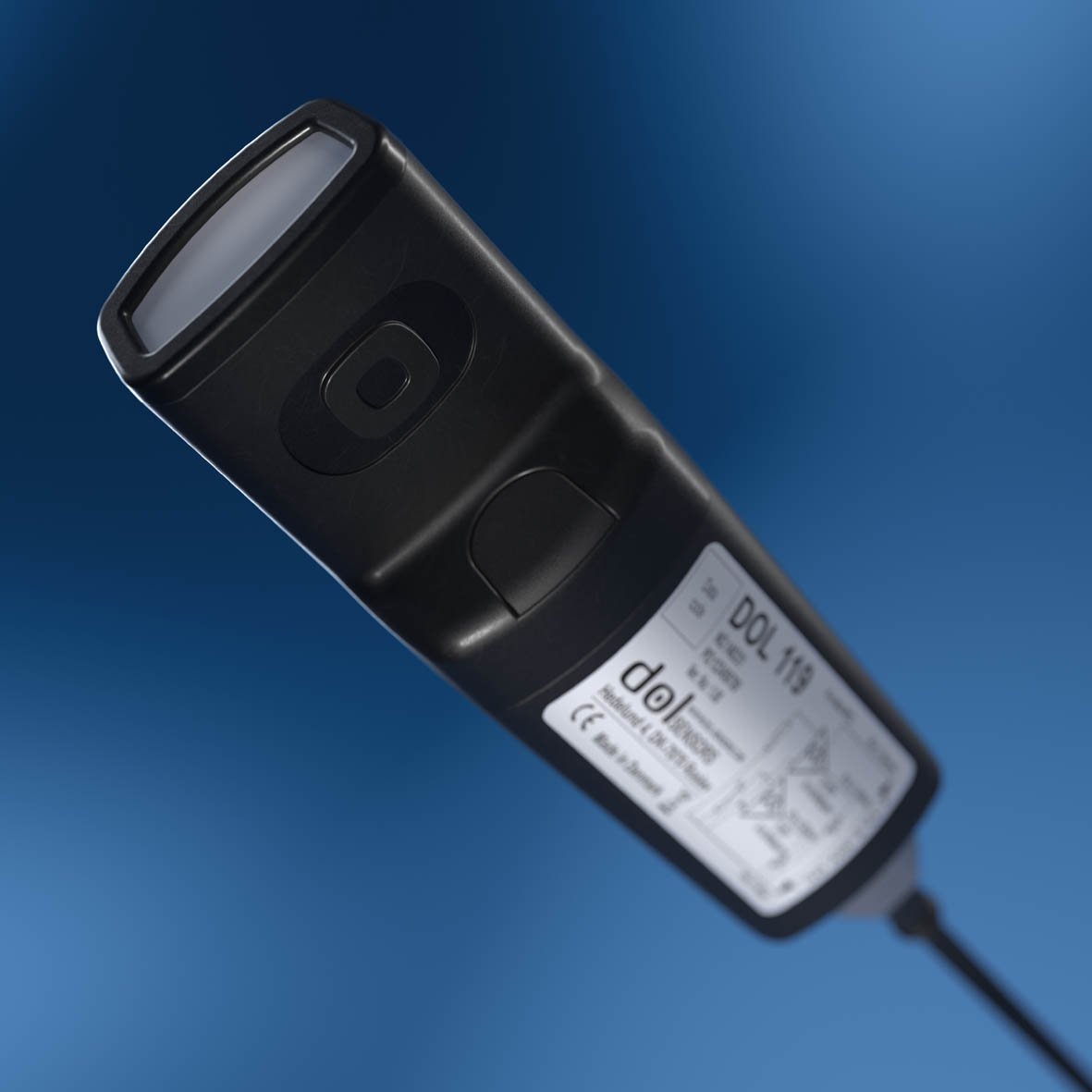  |
- Home
-
Products
- Pig Farming Equipment
- Cattle Farming Equipment
- Sheep & Goat Farming Equipment
- Poultry Farming Equipment
- Feeding & Drinking Systems
- Veterinary & Breeding Equipment
- Testing & Diagnostic Equipment
- Cleaning & Biosecurity Equipment
- Climate Control Equipment
- Livestock Weighing Equipment
- Manure & Waste Management
- Farm Transport & Handling
-
Solutions
- Pig Farm Solutions
- Dairy Farm Solutions
- Beef Cattle Farm Solutions
- Sheep & Goat Farm Solutions
- Layer Farm Solutions
- Broiler Farm Solutions
- Feeding & Drinking System Solutions
- Climate Control Solutions
- Biosecurity & Disinfection Solutions
- Manure & Waste Management
- Smart Farming Solutions
- Farm Renovation and Upgrade Solutions
- Partners
- Projects
- Resources
- News
- About Us
- Contact

Comments & Inquiries
Leave your questions or requirements below. We will reply as soon as possible.