

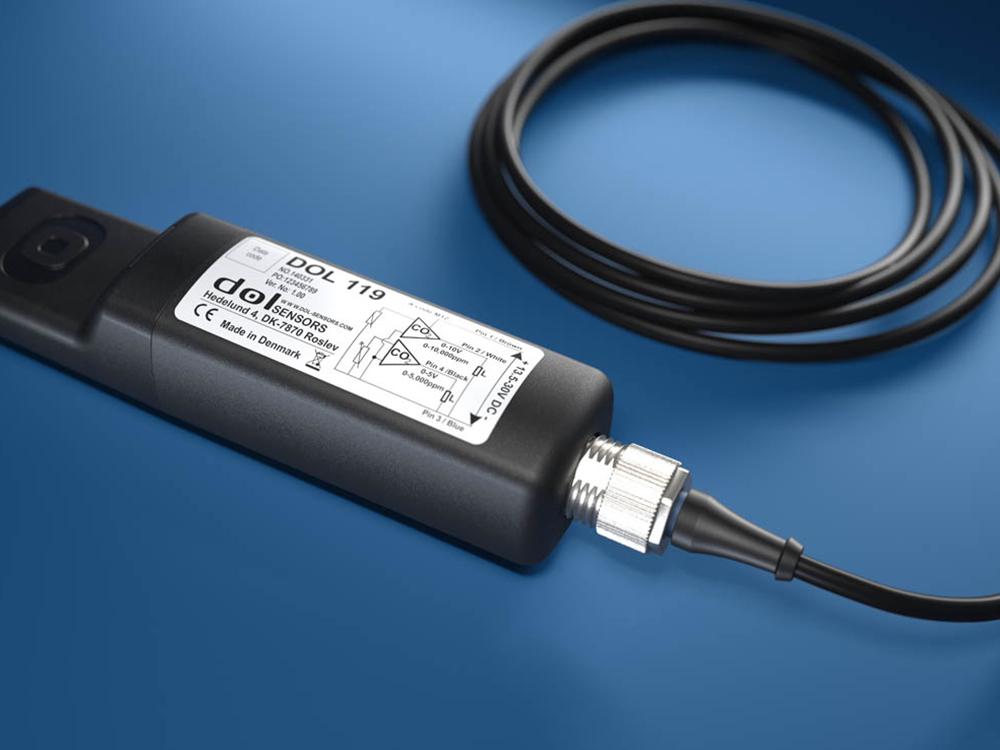
| Product Name | Pig House Remote CO2 Monitoring System | ||||||||||||||||||||||||||||||||||||||||||||
| Product Image | 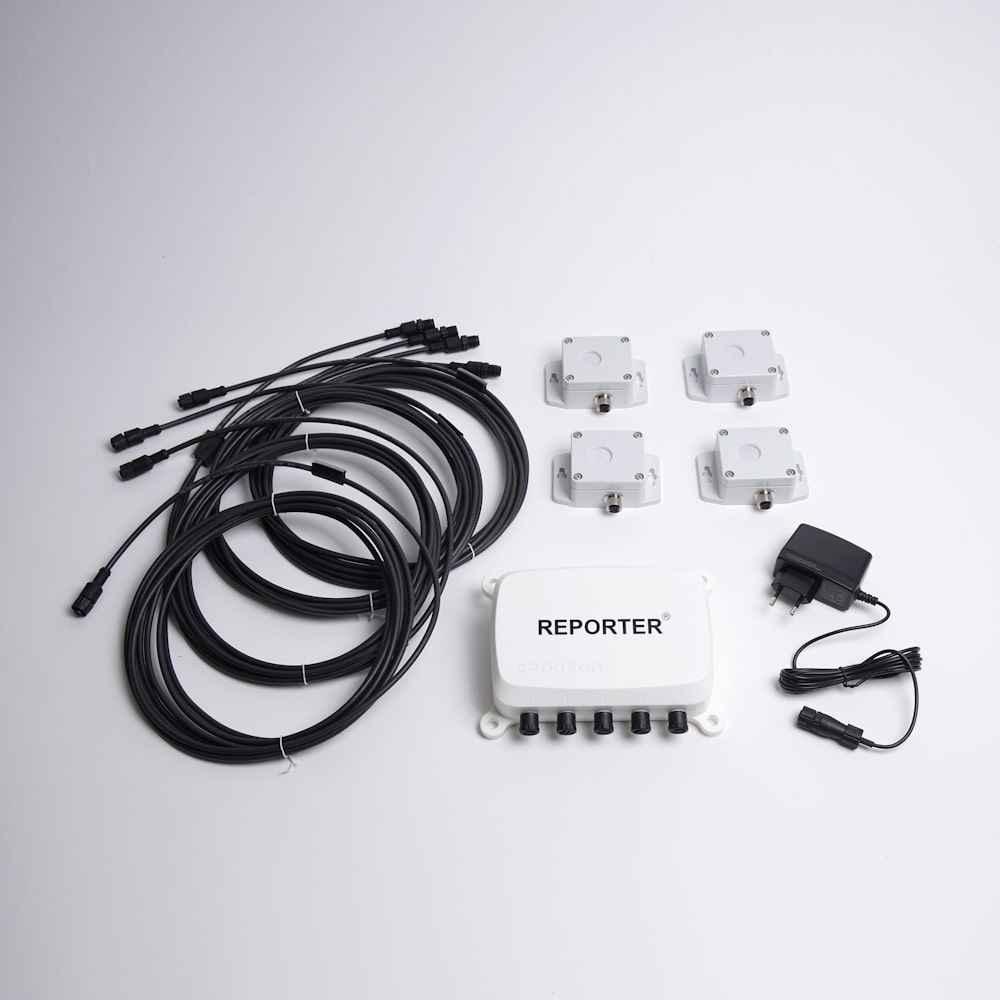 |
||||||||||||||||||||||||||||||||||||||||||||
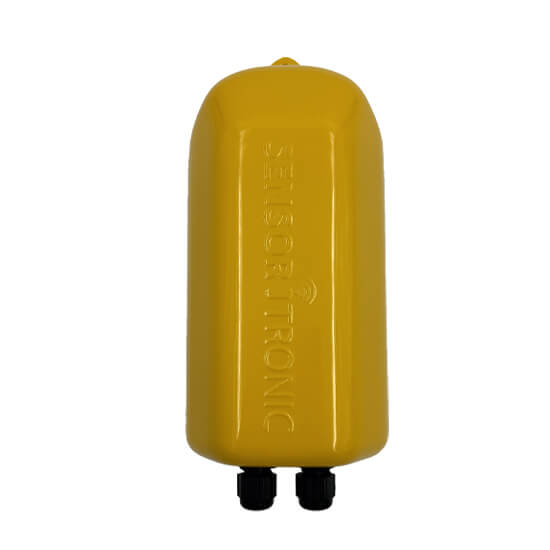
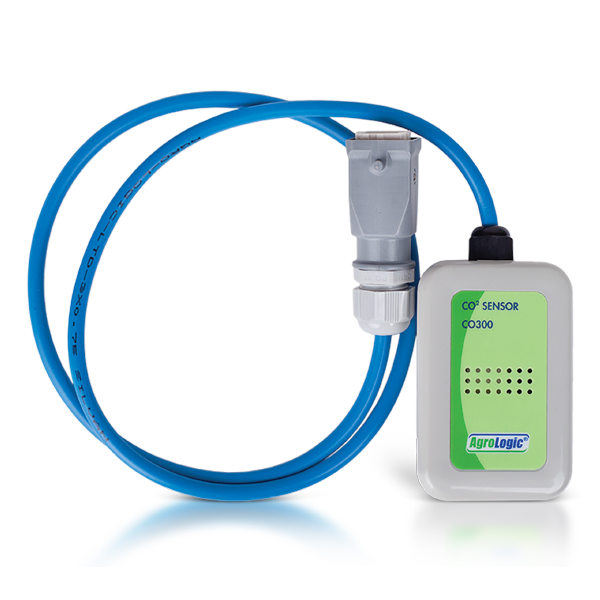
| Product Overview | The Pig House Remote CO2 Monitoring System is a cloud-connected environmental monitoring solution developed for continuous air-quality supervision in commercial swine buildings. The system combines a central remote monitoring module with multiple environmental sensors installed at representative locations inside the pig house. The standard reference kit includes four multipurpose CO2 sensors. Each sensing point can monitor carbon dioxide concentration together with temperature, relative humidity and atmospheric pressure, providing a broader picture of indoor environmental conditions. Measurement data are transmitted through the cellular network to an online dashboard, allowing farm managers to review live readings, historical trends and alarm events remotely from a computer, tablet or smartphone. The system is suitable for gestation houses, farrowing rooms, nursery buildings, finishing barns and other commercial pig farm facilities where reliable ventilation and indoor air-quality management are required. |
||||||||||||||||||||||||||||||||||||||||||||
| Key Features | Four-Point Environmental Monitoring: The reference kit includes four multipurpose CO2 sensors for monitoring several locations within a pig house. CO2, Temperature and Humidity Monitoring: Each compatible sensor measures carbon dioxide together with temperature and relative humidity, while the reference kit also provides atmospheric pressure information. Remote Cloud Monitoring: Measurement data are transmitted to an online dashboard for remote access to live and historical farm environmental information. Cellular Connectivity: The monitoring module uses cellular communication rather than relying on the pig farm's local Wi-Fi network. Configurable Alarm Notifications: Alarm limits can be configured for CO2 concentration, temperature, humidity and atmospheric pressure according to farm management requirements. Power Failure Alarm: The monitoring module can generate a notification when grid power is interrupted, providing an additional safeguard for mechanically ventilated livestock buildings. Plug-and-Play Installation: Sensors connect directly to the central monitoring module, simplifying commissioning and reducing the need for complex programming. Historical Data Logging: Environmental measurements are stored for trend analysis, ventilation assessment and production management. REST API Integration: Sensor data can be accessed through an API for integration with compatible farm management software or third-party systems. Designed for Pig Farms: The kit is specifically intended for hog barns, pigsties and commercial swine production environments. |
||||||||||||||||||||||||||||||||||||||||||||
| Structural Components | Central Remote Monitoring Module: Receives sensor measurements and transfers data to the cloud through the cellular network. CO2 Environmental Sensors: Four sensors are supplied in the reference kit for monitoring carbon dioxide, temperature, relative humidity and atmospheric pressure. CO2 Sensing Element: The current reference sensor uses a Sensirion SCD41 photoacoustic NDIR sensing module for CO2 measurement. Vented Sensor Housing: Allows surrounding air to circulate across the sensing element for representative environmental measurement. Extension Cables: Connect the environmental sensors to the central monitoring module and allow sensors to be positioned inside the livestock building. M12 Connectors: Provide practical plug-and-play electrical connections between sensors, cables and the monitoring module. Grid Power Supply: Provides continuous power for the standard pig-house monitoring kit. Cloud Dashboard: Provides remote visualization, alarm configuration, historical data and measurement interval settings. |
||||||||||||||||||||||||||||||||||||||||||||
| Working Principle | Environmental sensors are positioned at representative locations inside the pig house, preferably close enough to the animal zone to reflect the conditions experienced by the pigs. The CO2 sensing element continuously measures carbon dioxide concentration using photoacoustic NDIR technology. The same sensor assembly also records temperature and relative humidity, while the reference pig-monitoring configuration includes atmospheric pressure measurement. Each sensor is connected by cable to the central monitoring module. The module collects the measurements and transmits them through the cellular data network to a cloud-based dashboard. Farm personnel can review current conditions and historical graphs remotely. If a measured parameter exceeds a configured threshold, the system can generate an alarm notification. A built-in power failure alarm can also notify farm personnel if electrical power to the monitoring system is interrupted, which is particularly useful in mechanically ventilated pig houses. |
||||||||||||||||||||||||||||||||||||||||||||
| Technical Specifications |
|
||||||||||||||||||||||||||||||||||||||||||||
| Applications | Finishing Pig Houses: Supports continuous CO2 monitoring in high-density finishing barns where ventilation demand changes with animal weight and production stage. Nursery Buildings: Helps monitor air quality in temperature-sensitive nursery environments where minimum ventilation must balance heat conservation and fresh-air requirements. Farrowing Houses: Can provide remote environmental information for sow and piglet production areas. Gestation Buildings: Suitable for continuous environmental monitoring in group or individual sow housing. Minimum Ventilation Management: CO2 trends can provide useful supporting information when evaluating winter minimum-ventilation performance. Ventilation Failure Monitoring: Rising CO2 concentration and power-loss alarms can provide early warning of potentially serious environmental-control problems. Remote Farm Management: Farm owners and managers can review environmental conditions without remaining physically present inside the livestock house. Pig Farm Construction Projects: Suitable for inclusion in new commercial pig farm and steel structure livestock-building environmental monitoring systems. Existing Farm Modernization: Can be added to existing pig houses where remote environmental data and cloud-based alarms are required. |
||||||||||||||||||||||||||||||||||||||||||||
| Customization Options | The monitoring system can be configured according to pig-house dimensions, production zones, ventilation design and management requirements. Available options may include: • Number of environmental monitoring points • Sensor locations according to animal and ventilation zones • Additional sensor extension cables • Additional remote monitoring modules for larger projects • CO2 alarm threshold configuration • Temperature alarm configuration • Relative humidity alarm configuration • Atmospheric pressure monitoring • Power-failure notifications • Measurement interval configuration • API integration with compatible software • Central farm monitoring architecture • Grid or alternative power configurations according to project requirements • OEM and distributor project packages System configuration can be designed according to local climate, pig-house construction and farm operating conditions. |
||||||||||||||||||||||||||||||||||||||||||||
| Installation & Maintenance | Install CO2 sensors at representative locations inside the pig building and as close to the animal environment as practical while protecting them from direct animal contact, pressure washing and excessive contamination. Avoid positioning sensors directly in a fresh-air inlet jet, immediately beside an exhaust fan or close to a localized heat source unless the specific area is intentionally being monitored. The reference manufacturer recommends keeping the central monitoring module outside the pig house because prolonged exposure to high ammonia concentrations can damage the device. Its IP67 enclosure allows installation on a suitable exterior wall. Connect each sensor to the monitoring module using the supplied M12 extension cable. The standard reference sensor cable length is 10 m, with a maximum supported sensor-to-module distance of approximately 30 m using compatible extensions. Connect the power supply, register the monitoring module with the cloud dashboard and verify that all sensor channels are transmitting data correctly. The CO2 sensor uses a vented enclosure and is not waterproof. Protect it against direct washing, rain and water spray. Routine maintenance should include checking sensor openings for dust accumulation, inspecting cables and connectors, verifying alarm functions and reviewing sensor readings for unusual drift or communication loss. |
||||||||||||||||||||||||||||||||||||||||||||
| Project Cases | For a commercial finishing pig house, four environmental sensors can be distributed at representative points along the building to monitor differences in CO2 concentration, temperature and humidity caused by airflow, stocking density and ventilation operation. In multi-room pig farm projects, additional monitoring modules can be installed for nursery, farrowing, gestation and finishing areas. Farm managers can then access measurements from different production buildings through a centralized remote monitoring platform. For new steel structure pig houses, sensor cable routes, outdoor monitoring-module positions and electrical power points can be incorporated during construction together with ventilation fans, air inlets, heating equipment, cooling systems and climate controllers. Historical cloud data can also support environmental troubleshooting, ventilation evaluation and seasonal comparison of pig-house operating conditions. |
||||||||||||||||||||||||||||||||||||||||||||
| Product FAQ | Q: What does the system monitor? A: The reference pig-house kit monitors carbon dioxide, temperature, relative humidity and atmospheric pressure. Q: How many CO2 sensors are included? A: The current reference kit includes four multipurpose CO2 sensors. Q: Can I check the pig-house conditions remotely? A: Yes. Data are transmitted over the cellular network to a cloud dashboard that can be accessed through compatible computers, tablets and smartphones. Q: Does the system require farm Wi-Fi? A: No. The reference monitoring module uses its own cellular connection and built-in SIM functionality. Q: Can the system send a high-CO2 alarm? A: Yes. CO2 alarm thresholds can be configured through the remote monitoring dashboard. Q: Can it also provide a power failure alarm? A: Yes. The reference monitoring module includes a power-failure alert function. Q: What technology is used to measure CO2? A: The current reference CO2 sensor uses a Sensirion SCD41 photoacoustic NDIR module. Q: Where should the sensors be installed? A: Sensors should be placed inside the pig house at representative locations close to the animal environment while remaining protected from direct washing and damage. Q: Should the central monitoring module be installed inside the pig house? A: The reference manufacturer recommends installing the monitoring module outside the barn because high ammonia concentrations can damage the device. Q: How long is the sensor cable? A: The current reference sensor includes a 10 m cable, and compatible extensions can provide a total distance of up to approximately 30 m between the sensor and monitoring module. Q: Can the data be connected to other farm software? A: Yes. A REST API is available for compatible third-party data integration. Q: Can the system be expanded for a large pig farm? A: Yes. Additional monitoring modules, sensors and installation layouts can be configured according to project requirements. |
||||||||||||||||||||||||||||||||||||||||||||
| Product Gallery | 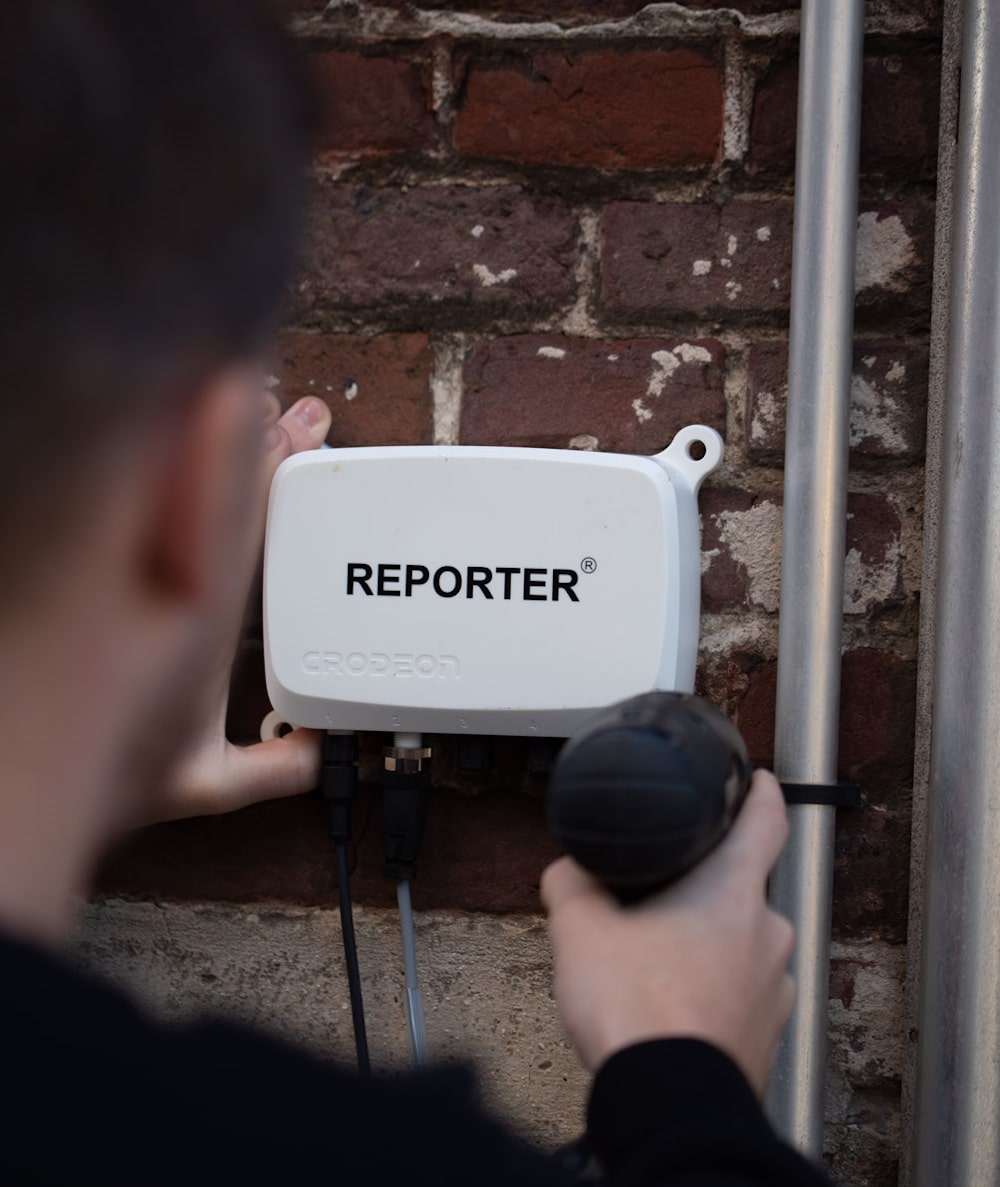 |
- Home
-
Products
- Pig Farming Equipment
- Cattle Farming Equipment
- Sheep & Goat Farming Equipment
- Poultry Farming Equipment
- Feeding & Drinking Systems
- Veterinary & Breeding Equipment
- Testing & Diagnostic Equipment
- Cleaning & Biosecurity Equipment
- Climate Control Equipment
- Livestock Weighing Equipment
- Manure & Waste Management
- Farm Transport & Handling
-
Solutions
- Pig Farm Solutions
- Dairy Farm Solutions
- Beef Cattle Farm Solutions
- Sheep & Goat Farm Solutions
- Layer Farm Solutions
- Broiler Farm Solutions
- Feeding & Drinking System Solutions
- Climate Control Solutions
- Biosecurity & Disinfection Solutions
- Manure & Waste Management
- Smart Farming Solutions
- Farm Renovation and Upgrade Solutions
- Partners
- Projects
- Resources
- News
- About Us
- Contact

Comments & Inquiries
Leave your questions or requirements below. We will reply as soon as possible.