
| Product Name | Fixed Livestock House CO2 Sensor | ||||||||||||||||||||||||||||||
| Product Image | 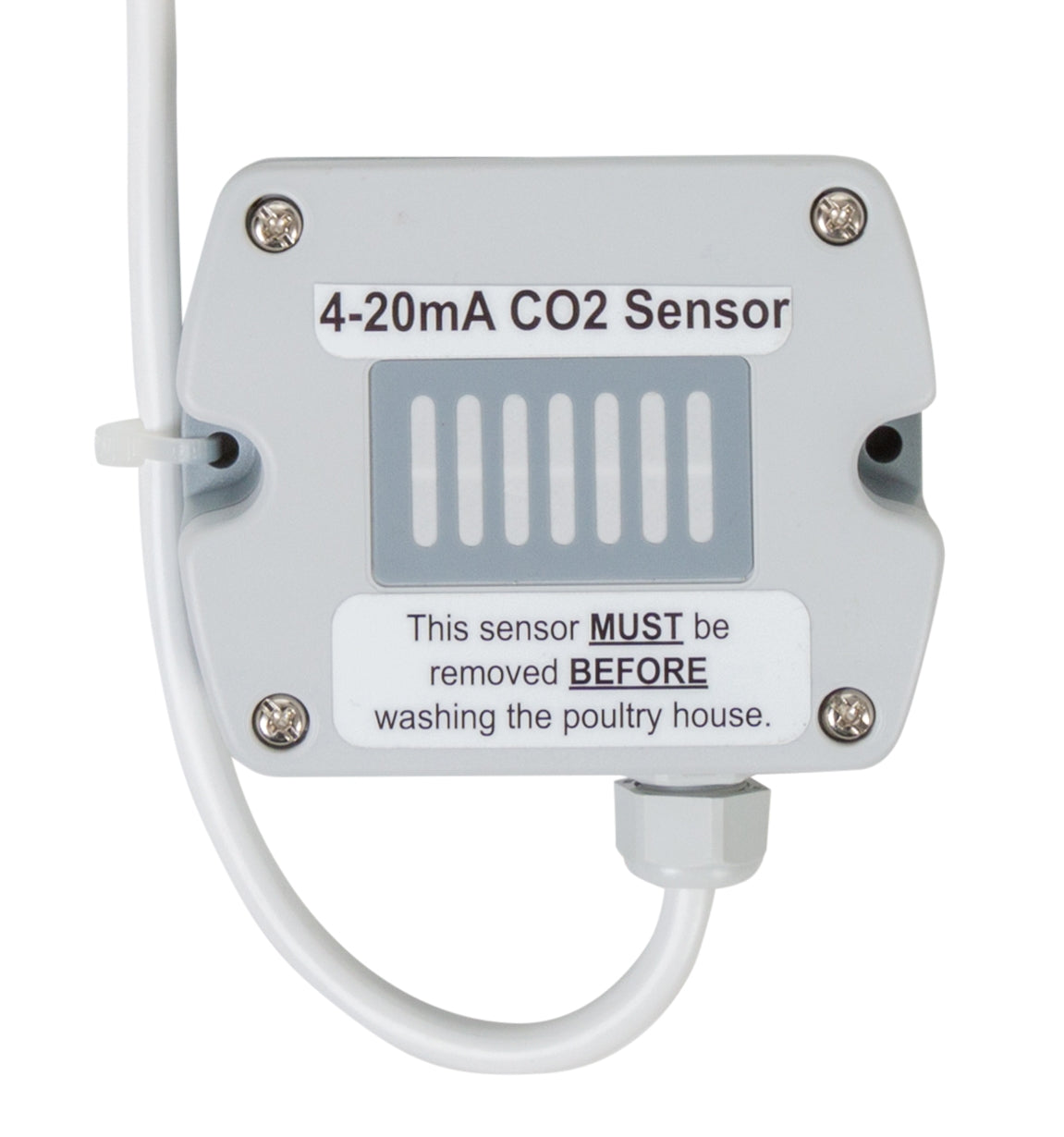 |
||||||||||||||||||||||||||||||
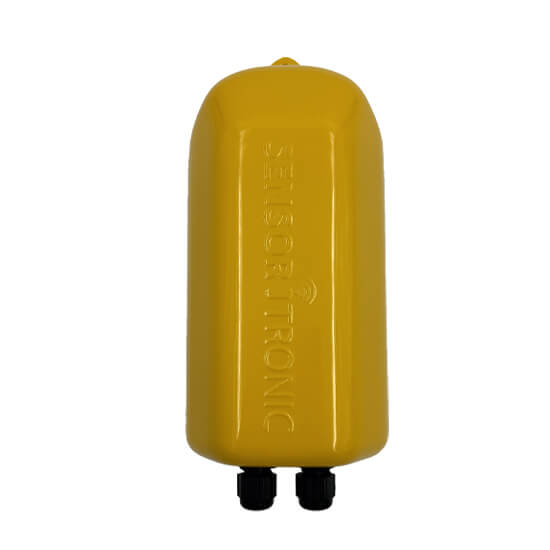
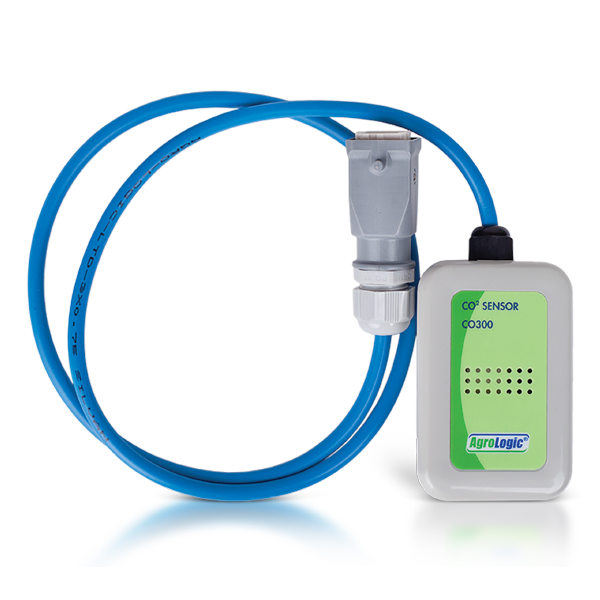
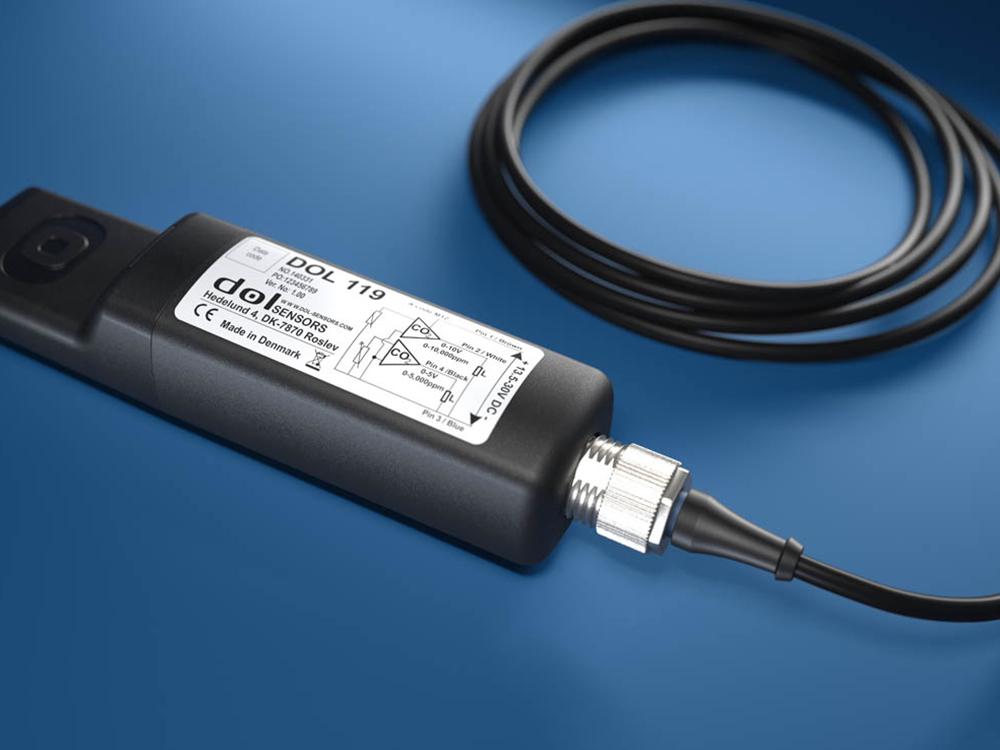
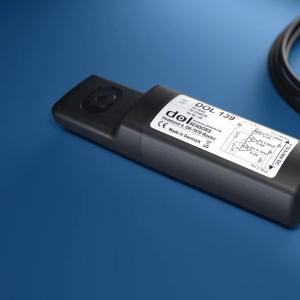
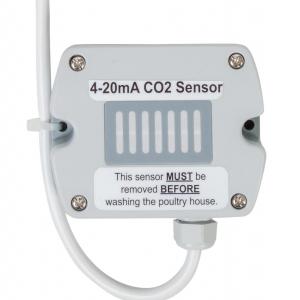
| Product Overview | The Fixed Livestock House CO2 Sensor is a stationary carbon dioxide monitoring device designed for continuous air-quality measurement in commercial livestock buildings. It is suitable for pig houses, poultry houses, dairy barns and other intensive animal-production facilities where ventilation rate and indoor gas concentration must be monitored continuously. The sensor measures carbon dioxide generated by animal respiration and combustion-based heating equipment and converts the measured concentration into an industrial analog signal for transmission to compatible climate controllers, PLC systems or centralized farm-management platforms. The reference livestock configuration provides a measurement range of 0 to 10,000 ppm, a 4–20 mA proportional output and 12 VDC power supply. Its rugged agricultural construction makes it suitable for fixed installation in demanding livestock-house environments. |
||||||||||||||||||||||||||||||
| Key Features | Continuous CO2 Monitoring: Provides uninterrupted carbon dioxide measurement for livestock-house air-quality and ventilation management. Wide 0–10,000 ppm Range: The reference configuration covers the CO2 concentrations required for routine livestock climate monitoring and abnormal-condition detection. 4–20 mA Industrial Output: Standard proportional current output simplifies integration with compatible livestock climate controllers and automation systems. Fast Repeated Measurement: The reference sensor samples approximately every 15 seconds, allowing changing barn conditions to be tracked continuously. Livestock-Environment Design: Rugged construction is intended for agricultural and industrial environments where dust, humidity and continuous operation are common. Ventilation Control Integration: CO2 measurements can be used as an additional input for minimum ventilation, fan operation and environmental-control strategies. Fixed Installation: Permanent mounting provides consistent measurement at a selected representative location within the livestock house. Broad Operating Temperature: The reference configuration is designed for operation across a wide temperature range suitable for many livestock-production climates. Low Daily Maintenance: Once installed and commissioned, the sensor provides automatic monitoring without repeated manual gas measurements. |
||||||||||||||||||||||||||||||
| Structural Components | CO2 Sensing Module: Detects carbon dioxide concentration in ambient livestock-house air. Signal Processing Electronics: Converts the sensor response into a stable proportional output for compatible monitoring and control equipment. Protective Agricultural Housing: Protects internal electronic components from normal livestock-building environmental exposure. Air-Sampling Area: Allows surrounding barn air to reach the CO2 sensing element for continuous measurement. Low-Voltage Power Connection: Supplies electrical power to the sensing and signal-conditioning circuits. 4–20 mA Signal Connection: Transfers measured CO2 concentration to a compatible climate controller or monitoring system. Mounting Hardware: Provides secure fixed installation at the selected livestock-house monitoring location. |
||||||||||||||||||||||||||||||
| Working Principle | The sensor continuously samples the surrounding livestock-house air and determines the carbon dioxide concentration using its integrated gas-sensing system. Internal electronics process the measurement and generate a proportional 4–20 mA signal. In the reference configuration, the output corresponds to a CO2 measurement range from 0 to 10,000 ppm. The signal can be transmitted to a livestock climate controller, PLC or monitoring platform. When carbon dioxide rises above the farm's configured operating target, a compatible control system can increase ventilation or generate an alarm according to its programming. This allows CO2 concentration to be monitored together with temperature, humidity, static pressure and other environmental parameters as part of an integrated livestock-house climate-control strategy. |
||||||||||||||||||||||||||||||
| Technical Specifications |
|
||||||||||||||||||||||||||||||
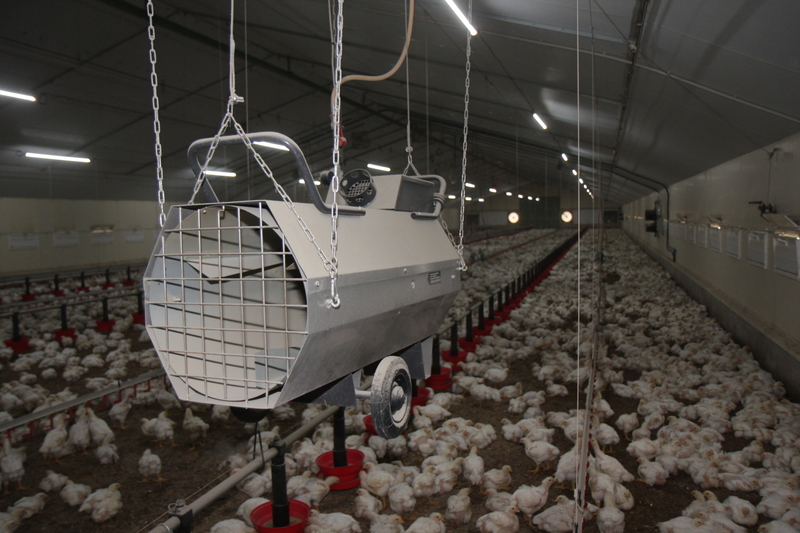
| Applications | Pig Houses: Suitable for farrowing houses, gestation barns, nursery buildings and growing-finishing facilities requiring continuous CO2 monitoring. Poultry Houses: Can be used in broiler, layer and breeder houses to monitor indoor carbon dioxide concentration and support ventilation management. Dairy and Cattle Barns: Suitable for enclosed and mechanically ventilated cattle buildings requiring continuous air-quality monitoring. Minimum Ventilation Control: CO2 concentration provides an additional environmental reference when managing minimum ventilation during cold weather. Direct-Fired Heating Systems: Monitoring can help identify excessive CO2 accumulation where combustion heaters operate inside livestock buildings. Livestock Climate Automation: The analog output can be integrated with compatible environmental controllers for centralized monitoring and automated ventilation strategies. Steel Structure Livestock Buildings: Suitable for integration during new pig farm, poultry house and livestock building construction. Farm Modernization: Existing buildings can be upgraded from manual environmental observation to continuous sensor-based climate monitoring. |
||||||||||||||||||||||||||||||
| Customization Options | The CO2 monitoring solution can be configured according to livestock species, building dimensions, ventilation design and farm-management requirements. Available options may include: • Number of CO2 monitoring points • Sensor installation positions • Cable length according to project requirements • 4–20 mA controller connection • Climate computer integration • PLC and centralized monitoring integration • CO2 alarm functions according to controller configuration • Combined CO2, NH3, temperature and humidity monitoring • Pig house environmental-control packages • Poultry house environmental-control packages • Steel structure livestock building integration • Installation hardware and electrical accessories • OEM and distributor project configurations System design can be adapted according to local climate and farm conditions. |
||||||||||||||||||||||||||||||
| Installation & Maintenance | Install the sensor at a representative location inside the livestock building. The reference installation guidance recommends positioning the sensor around the middle of the livestock house where it can measure representative ambient air. Avoid locations where the sensor is directly exposed to fresh-air jets, exhaust-fan discharge, heaters, water spray or unusual local contamination unless that specific location is intentionally being monitored. Secure the sensor using the appropriate installation hardware and protect the cable from livestock contact, equipment traffic and mechanical damage. Complete the 12 VDC power and 4–20 mA signal connections according to the controller wiring requirements. After power-up, allow approximately 10 minutes for sensor warm-up before evaluating the measurement. For routine cleaning, remove surface contamination using appropriate low-impact cleaning methods. Do not use high-pressure cleaning, highly compressed air, solvents, corrosive chemicals or alcohol-based disinfectants unless specifically approved for the selected configuration. Inspect the housing, sensing area, cable and electrical connections periodically to maintain reliable long-term operation. |
||||||||||||||||||||||||||||||
| Project Cases | Fixed CO2 sensors can be incorporated into complete livestock environmental-control projects for commercial pig farms, poultry complexes, dairy facilities and integrated livestock production sites. In a multi-room pig farm, separate sensors can be installed in nursery, finishing and sow buildings and connected to a centralized climate-management system. CO2 values can then be reviewed together with temperature, humidity, static pressure and ventilation status. In long poultry houses, one or more monitoring points can be positioned according to house length, ventilation zones and heater locations to provide representative carbon dioxide information. For new steel structure livestock buildings, sensor wiring and mounting locations can be planned together with fans, air inlets, cooling systems, heaters and environmental controllers during the construction stage. |
||||||||||||||||||||||||||||||
| Product FAQ | Q: What does this sensor measure? A: It continuously measures carbon dioxide concentration in livestock-house air. Q: What is the measurement range? A: The reference configuration provides a measurement range of 0 to 10,000 ppm. Q: What output signal does the sensor use? A: It provides a standard 4–20 mA proportional analog output for connection to compatible control equipment. Q: How often does the sensor measure CO2? A: The reference configuration has an approximate sampling interval of 15 seconds. Q: Is it suitable for pig houses? A: Yes. It is designed for livestock environments and can be used in commercial pig, poultry, dairy and other animal-production buildings. Q: Can CO2 measurements be used to control ventilation? A: Yes. When connected to a compatible controller, CO2 concentration can be incorporated into ventilation and environmental-control strategies. Q: Where should the sensor be installed? A: A representative central location in the livestock house is generally preferred. Final position should consider animal location, airflow pattern, heaters and ventilation equipment. Q: Does the sensor require a warm-up period? A: Yes. The reference configuration requires less than approximately 10 minutes after power-up before normal measurement operation. Q: Can several sensors be installed in one livestock farm? A: Yes. Multiple sensors can be installed in different production rooms or ventilation zones according to project requirements. Q: Can the sensor be combined with ammonia monitoring? A: Yes. CO2 sensors can be integrated with NH3, temperature, humidity and other environmental sensors through a compatible livestock climate-control system. |
||||||||||||||||||||||||||||||
| Product Gallery |   |
- Home
-
Products
- Pig Farming Equipment
- Cattle Farming Equipment
- Sheep & Goat Farming Equipment
- Poultry Farming Equipment
- Feeding & Drinking Systems
- Veterinary & Breeding Equipment
- Testing & Diagnostic Equipment
- Cleaning & Biosecurity Equipment
- Climate Control Equipment
- Livestock Weighing Equipment
- Manure & Waste Management
- Farm Transport & Handling
-
Solutions
- Pig Farm Solutions
- Dairy Farm Solutions
- Beef Cattle Farm Solutions
- Sheep & Goat Farm Solutions
- Layer Farm Solutions
- Broiler Farm Solutions
- Feeding & Drinking System Solutions
- Climate Control Solutions
- Biosecurity & Disinfection Solutions
- Manure & Waste Management
- Smart Farming Solutions
- Farm Renovation and Upgrade Solutions
- Partners
- Projects
- Resources
- News
- About Us
- Contact
Comments & Inquiries
Leave your questions or requirements below. We will reply as soon as possible.