
| Product Name | CO2 Sensor for Livestock Ventilation Control | ||||||||||||||||||||||||||||||||||||||||
| Product Image | 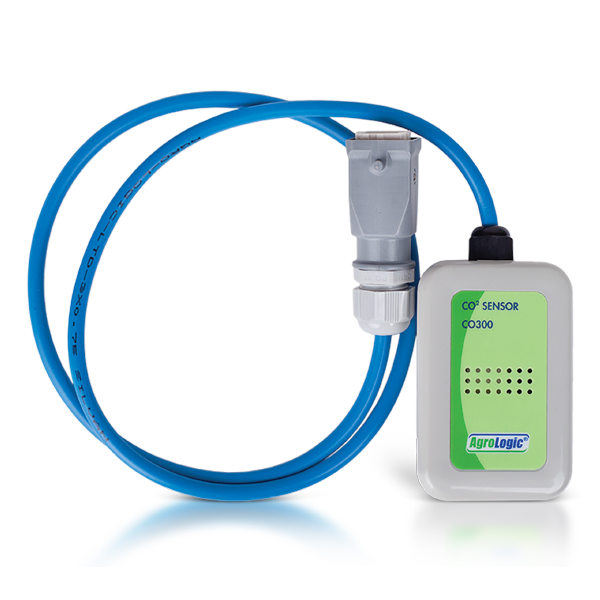 |
||||||||||||||||||||||||||||||||||||||||
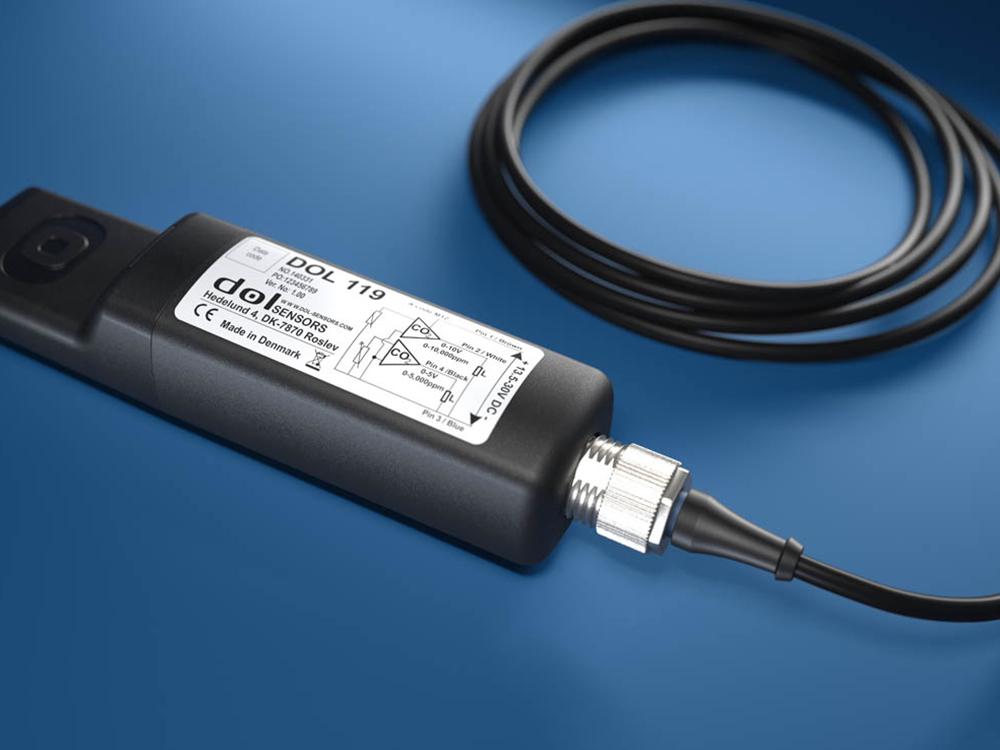
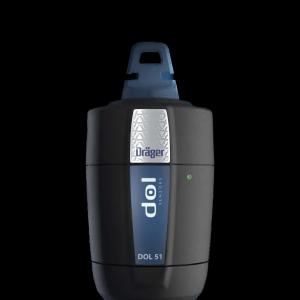
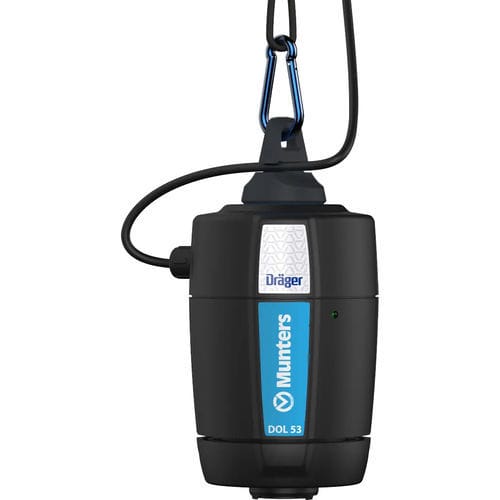
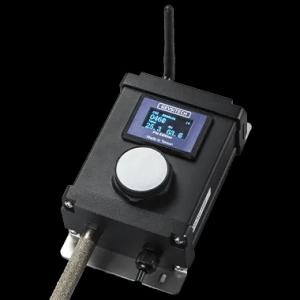
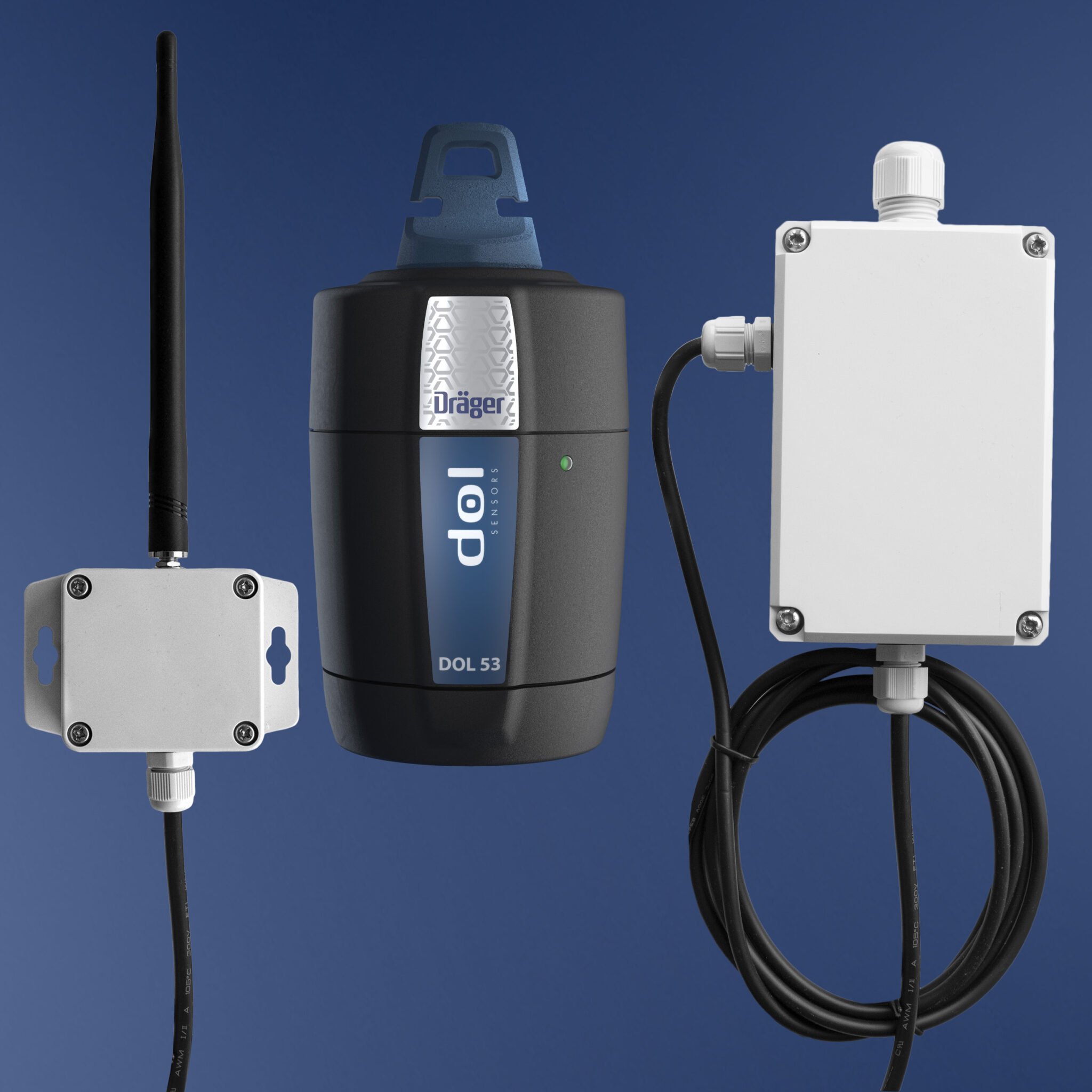
| Product Overview | The CO2 Sensor for Livestock Ventilation Control is a fixed environmental monitoring sensor designed for continuous carbon dioxide measurement in poultry houses, pig houses and other intensive livestock buildings. The sensor measures indoor CO2 concentration and converts the reading into an analog electrical signal that can be connected to compatible livestock climate controllers, ventilation computers or farm automation systems. In mechanically ventilated livestock buildings, carbon dioxide concentration can provide useful information about ventilation performance, combustion heating, animal density and indoor air exchange. By integrating CO2 measurement with temperature, humidity and static-pressure control, commercial farms can develop a more complete environmental management strategy. The reference configuration is designed for harsh agricultural environments and provides a 0–5000 ppm CO2 measurement range with a corresponding 0–5 VDC analog output. |
||||||||||||||||||||||||||||||||||||||||
| Key Features | Continuous CO2 Monitoring: Provides ongoing carbon dioxide measurement inside livestock buildings for environmental management and ventilation assessment. Designed for Agricultural Environments: Suitable for poultry houses, pig houses and other demanding farm applications involving dust, humidity and continuous operation. 0–5000 ppm Measurement Range: The reference configuration covers carbon dioxide concentrations from 0 to 5000 ppm. 0–5 V Analog Output: Converts the measured CO2 concentration into a standard analog signal suitable for compatible livestock climate controllers. Temperature Compensation: The reference sensor incorporates temperature compensation over the specified operating range to support stable measurement performance. No Routine Calibration Requirement: The reference configuration is designed without a scheduled calibration interval under normal operating conditions. Fast System Integration: Low-voltage power and analog signal architecture simplify installation in new or existing livestock-house environmental control systems. Ventilation Control Support: Compatible climate controllers can use CO2 data as an additional parameter for minimum ventilation, variable-speed fan control and staged ventilation management. Suitable for New Farm Construction: Can be integrated during pig farm construction, poultry-house construction and steel structure livestock building projects. |
||||||||||||||||||||||||||||||||||||||||
| Structural Components | CO2 Sensing Module: Detects carbon dioxide concentration in the surrounding livestock-house air. Signal Processing Circuit: Processes the sensing signal and converts the measured CO2 value into a proportional electrical output. Protective Sensor Housing: Encloses the electronic components for stationary operation in agricultural environments. Air Diffusion Openings: Allow representative livestock-house air to reach the sensing area. Power Connection: Supplies low-voltage DC power to the sensor electronics. Analog Output Connection: Provides a 0–5 VDC output signal corresponding to the measured CO2 concentration. Connection Cable: Connects the sensor to compatible climate-control or monitoring equipment. Optional Controller: A livestock climate controller can receive the sensor signal and use CO2 data together with temperature, humidity and static-pressure inputs. |
||||||||||||||||||||||||||||||||||||||||
| Working Principle | The sensor continuously monitors the carbon dioxide concentration of air inside the livestock building. The sensing module detects changes in CO2 concentration and the internal electronics process this information into an analog output signal. In the reference configuration, a concentration of 0 to 5000 ppm is represented by a proportional 0 to 5 VDC output. The connected climate controller interprets the analog voltage and displays or processes the corresponding CO2 level. When integrated with a compatible ventilation controller, CO2 information can be used as an additional environmental input. If CO2 concentration exceeds the programmed management level, the controller can increase ventilation according to its configured control logic. The final ventilation response depends on the farm controller, ventilation program, animal age, building design and local environmental conditions. |
||||||||||||||||||||||||||||||||||||||||
| Technical Specifications |
|
||||||||||||||||||||||||||||||||||||||||
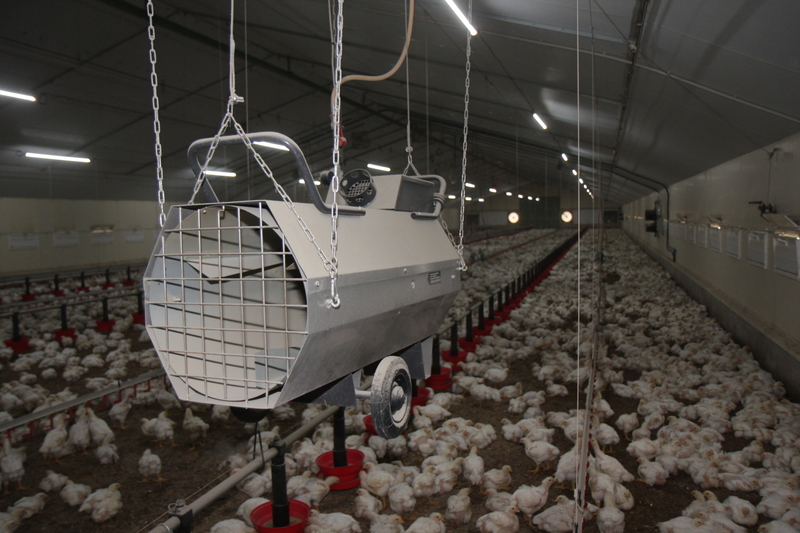
| Applications | Broiler Houses: Supports continuous CO2 monitoring for minimum ventilation and staged ventilation management in commercial poultry production. Layer and Breeder Houses: Suitable for mechanically ventilated poultry buildings requiring centralized environmental control. Pig Houses: Can be installed in farrowing, nursery, gestation and finishing buildings to provide continuous indoor CO2 information. Minimum Ventilation Control: CO2 information can provide an additional reference for evaluating fresh-air exchange during cold-weather minimum ventilation. Variable-Speed Ventilation: Compatible controllers can adjust variable-speed fan operation according to programmed environmental management logic. Tunnel Ventilation Systems: Can be integrated with livestock controllers managing staged and tunnel ventilation systems. Cross Ventilation Systems: Suitable for projects where sidewall fans and air inlets are controlled through a centralized environmental computer. Livestock Environmental Monitoring: Can be combined with temperature, humidity, static-pressure and ammonia sensors for comprehensive barn climate monitoring. Pig Farm Construction Projects: Suitable for integration into electrical and environmental systems during new commercial pig farm construction. Steel Structure Livestock Buildings: Can be incorporated into modern poultry and swine building control systems together with fans, inlets, cooling pads and heating equipment. |
||||||||||||||||||||||||||||||||||||||||
| Customization Options | CO2 monitoring configurations can be adapted according to livestock species, house dimensions, ventilation method and farm automation requirements. Available project options may include: • Sensor quantity according to livestock-house size • Monitoring-point layout according to ventilation zones • Cable length according to project requirements • 0–5 V analog controller integration • Central livestock climate controller • Minimum ventilation control integration • Variable-speed fan control • Tunnel and cross-ventilation control • Combined temperature, humidity, static-pressure, CO2 and NH3 monitoring • Remote alarm and data-monitoring functions according to controller configuration • Pig house and poultry house installation packages • Steel structure livestock building integration • OEM and distributor project configurations Final system design can be developed according to local climate and farm conditions. |
||||||||||||||||||||||||||||||||||||||||
| Installation & Maintenance | Select a representative monitoring position inside the livestock building according to animal height, house dimensions, ventilation layout and airflow pattern. Avoid positioning the sensor directly beside fresh-air inlets, exhaust fans, heaters or other locations where localized conditions may not represent the overall livestock zone. Secure the sensor to a stable wall, column or other protected structural surface. Route the power and signal cables away from animals, moving equipment and areas subject to mechanical damage. Connect the sensor to a compatible 13–24 VDC power supply and the appropriate analog input of the livestock climate controller. Verify wiring polarity and signal configuration before energizing the system. After startup, allow sufficient warm-up time before evaluating final measurement accuracy. Confirm that the controller correctly interprets the 0–5 V signal over the configured 0–5000 ppm range. Inspect the housing and air openings periodically and remove excessive dust without damaging the sensing components. Avoid direct pressure washing or water entry into the electronic enclosure unless specifically permitted by the equipment specification. The reference configuration does not require a routine calibration interval, reducing maintenance requirements in commercial livestock installations. |
||||||||||||||||||||||||||||||||||||||||
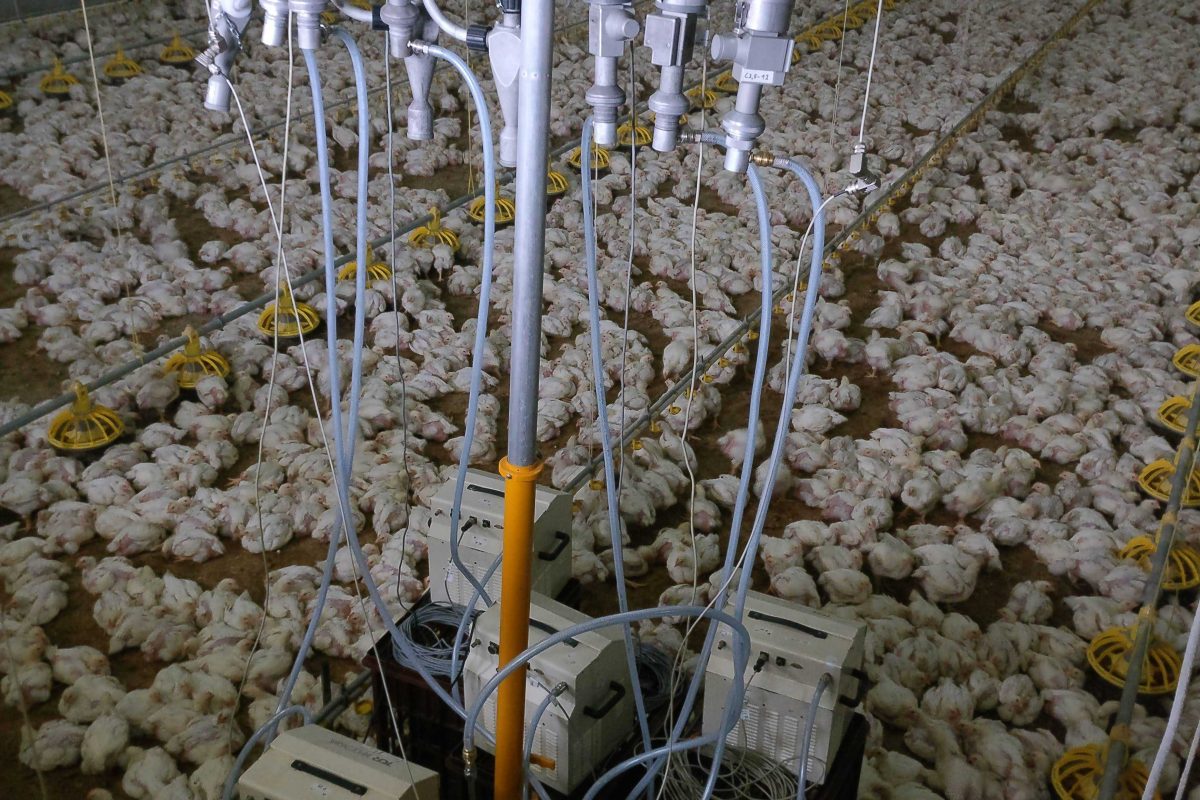
| Project Cases | For a commercial broiler house, the CO2 sensor can be installed in the main bird zone and connected to a central poultry climate controller. The controller can evaluate CO2 together with temperature, humidity and static pressure when determining ventilation requirements. In a commercial pig farm, sensors can be installed in selected farrowing, nursery and finishing buildings. Each house controller can monitor its local CO2 concentration and adjust ventilation according to the programmed environmental strategy. For new steel structure livestock projects, CO2 sensors can be included during the environmental-control design stage together with temperature probes, humidity sensors, static-pressure sensors, fans, air inlets, cooling pads and heating systems. Existing farms can also add CO2 monitoring during ventilation-system modernization without replacing the complete livestock-house control architecture, provided that compatible analog inputs are available. |
||||||||||||||||||||||||||||||||||||||||
| Product FAQ | Q: What does this sensor measure? A: It continuously measures carbon dioxide concentration in livestock-house air. Q: What is the reference CO2 measurement range? A: The reference configuration measures 0 to 5000 ppm CO2. Q: What signal does the sensor provide? A: The reference configuration provides a proportional 0 to 5 VDC analog output corresponding to the 0 to 5000 ppm measurement range. Q: What power supply is required? A: The reference sensor operates from a 13 to 24 VDC supply. Q: Is it suitable for poultry houses? A: Yes. The reference sensor is designed for demanding agricultural environments including poultry farms. Q: Can it be used in pig houses? A: Yes. It is also intended for swine-farm environmental monitoring and ventilation-control applications. Q: Can CO2 readings be used to control ventilation? A: Yes. Compatible livestock climate controllers can use CO2 sensor input as part of their minimum, staged or variable-speed ventilation programs. Q: Does the sensor require frequent calibration? A: The reference configuration specifies no routine calibration interval under normal operating conditions. Q: How long does the sensor need to warm up? A: The reference specification indicates less than approximately two minutes for operation and approximately ten minutes to reach maximum measurement accuracy. Q: Can several sensors be installed on one farm? A: Yes. Sensor quantity can be selected according to livestock-house size, number of buildings and environmental-control zones. Q: Can the CO2 sensor operate together with other farm sensors? A: Yes. Compatible livestock controllers can combine CO2 data with temperature, humidity, static pressure, ammonia and other environmental parameters. Q: Is the system suitable for new livestock-house projects? A: Yes. Sensor wiring and controller integration can be planned during pig farm, poultry farm and steel structure livestock building construction. |
||||||||||||||||||||||||||||||||||||||||
| Product Gallery | 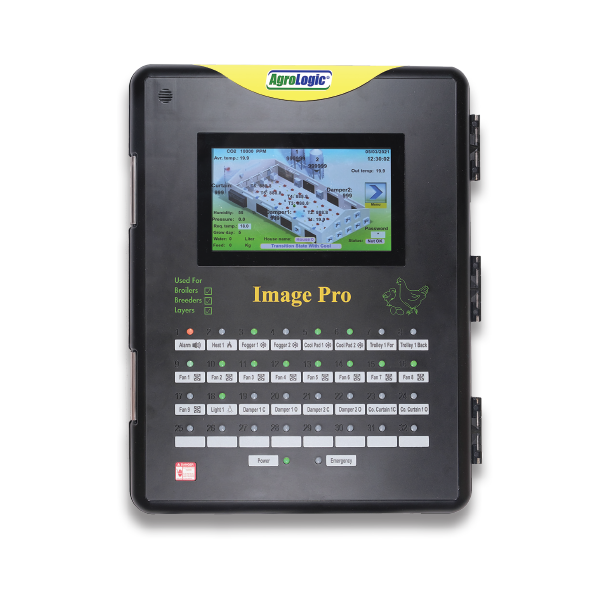 |
- Home
-
Products
- Pig Farming Equipment
- Cattle Farming Equipment
- Sheep & Goat Farming Equipment
- Poultry Farming Equipment
- Feeding & Drinking Systems
- Veterinary & Breeding Equipment
- Testing & Diagnostic Equipment
- Cleaning & Biosecurity Equipment
- Climate Control Equipment
- Livestock Weighing Equipment
- Manure & Waste Management
- Farm Transport & Handling
-
Solutions
- Pig Farm Solutions
- Dairy Farm Solutions
- Beef Cattle Farm Solutions
- Sheep & Goat Farm Solutions
- Layer Farm Solutions
- Broiler Farm Solutions
- Feeding & Drinking System Solutions
- Climate Control Solutions
- Biosecurity & Disinfection Solutions
- Manure & Waste Management
- Smart Farming Solutions
- Farm Renovation and Upgrade Solutions
- Partners
- Projects
- Resources
- News
- About Us
- Contact

Comments & Inquiries
Leave your questions or requirements below. We will reply as soon as possible.