

| Product Name | Livestock Temperature Humidity and CO2 Sensor | ||||||||||||||||||||||||||||||||
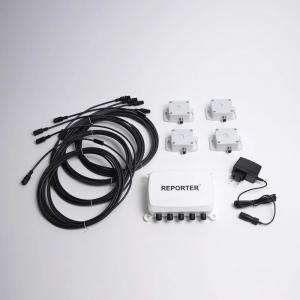
| Product Image | 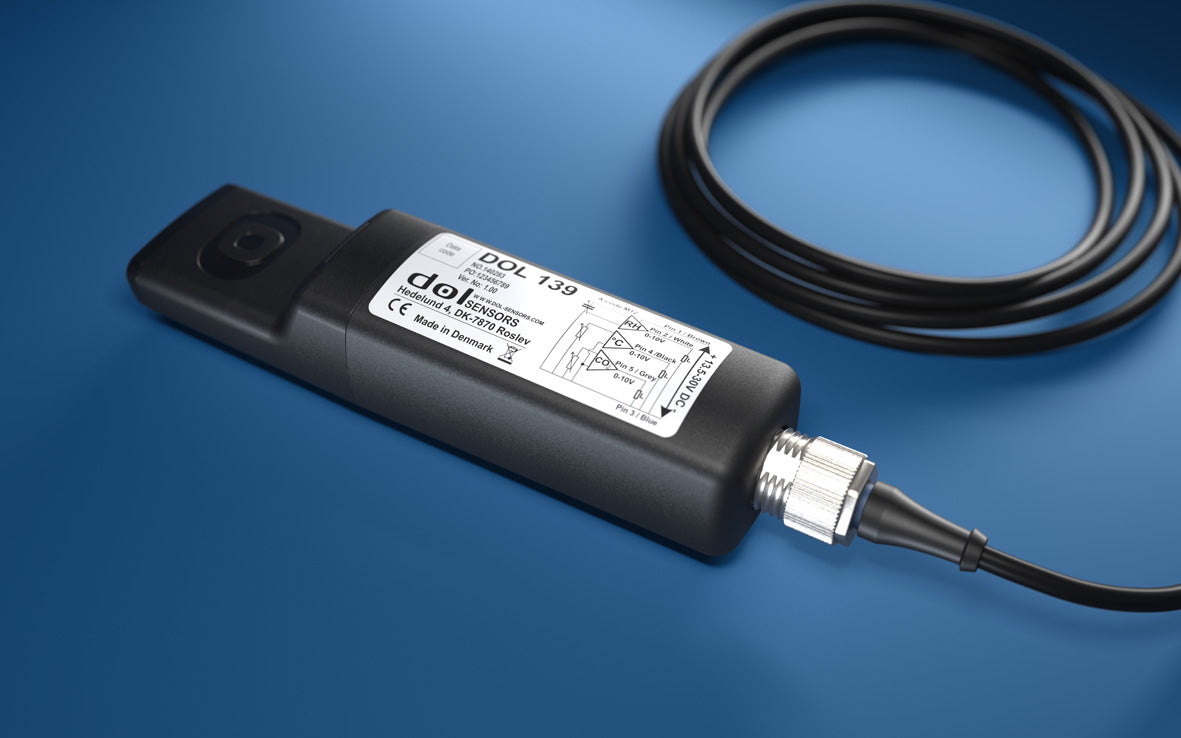 |
||||||||||||||||||||||||||||||||
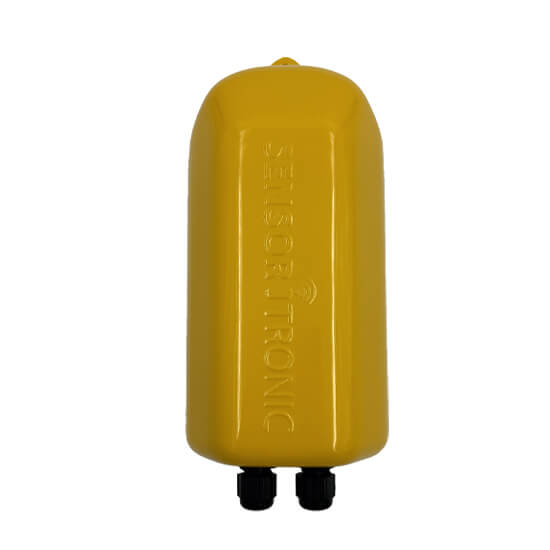
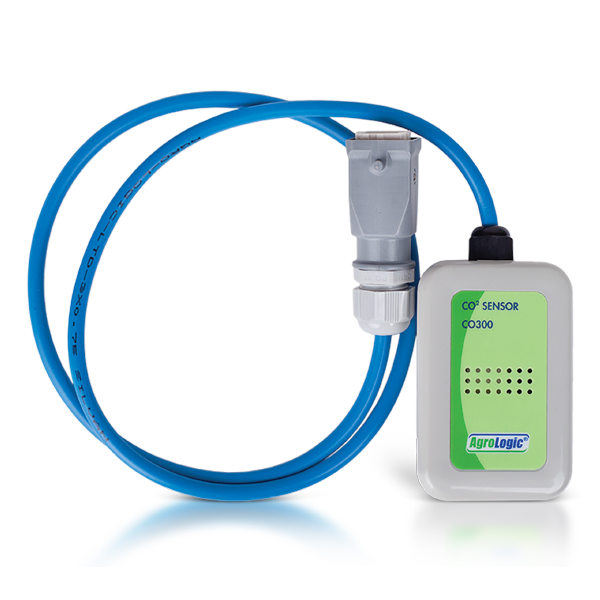
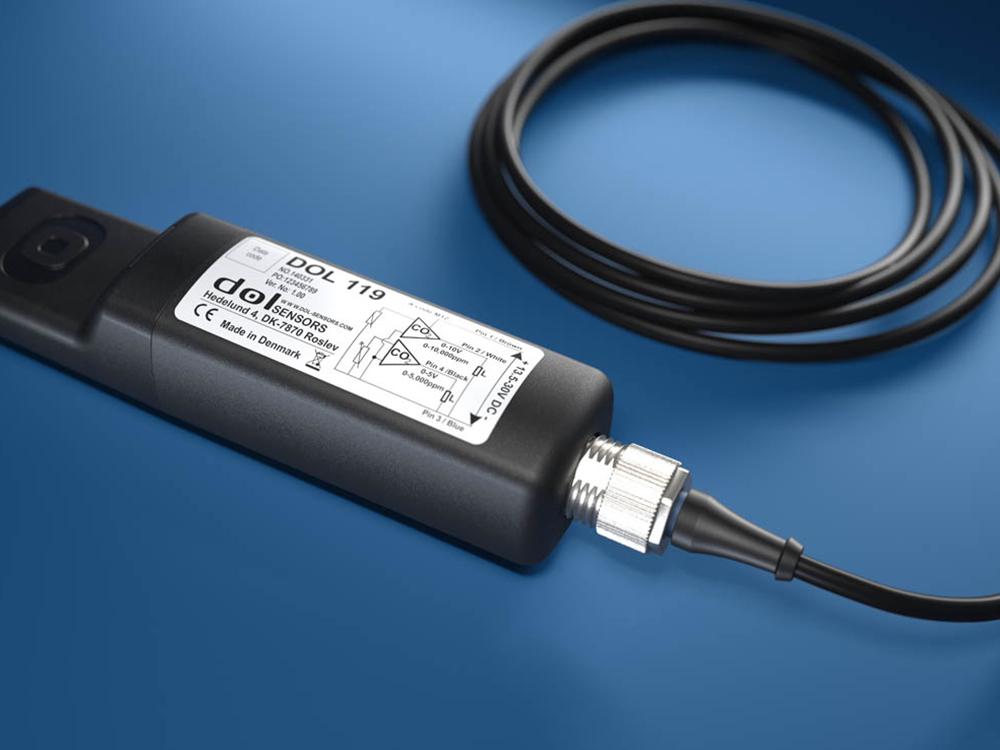
| Product Overview | The Livestock Temperature Humidity and CO2 Sensor is a robust 3-in-1 environmental monitoring device designed for continuous climate measurement in pig houses, poultry houses, cattle buildings and other intensive livestock facilities. One sensor simultaneously measures carbon dioxide concentration, relative humidity and ambient temperature, reducing the need to install separate devices for each environmental parameter. This simplifies wiring, installation and maintenance while providing essential climate data for livestock-house ventilation and environmental management. The sensor is specifically engineered for demanding agricultural environments. A durable enclosure, protective filter and washing cap help protect the sensing components from dust, moisture, disinfection procedures and high-pressure cleaning commonly used in commercial livestock production. |
||||||||||||||||||||||||||||||||
| Key Features | 3-in-1 Climate Monitoring: Measures carbon dioxide, relative humidity and temperature with one livestock-house sensor. Continuous CO2 Measurement: Provides real-time information about carbon dioxide accumulation for ventilation and indoor air-quality management. Humidity Monitoring: Measures relative humidity to support litter management, condensation control and livestock-building climate regulation. Temperature Monitoring: Provides continuous ambient temperature data for heating, cooling and ventilation-control systems. 0–10 V Analog Outputs: Reference configurations provide standardized analog signals suitable for compatible livestock climate controllers and automation equipment. High-Pressure Cleaning Protection: The sensor is supplied with a protective cap designed to protect the sensing area during livestock-house washing and disinfection. IP67 Construction: The reference configuration provides IP67 protection for reliable operation in dusty and humid agricultural environments. Reduced Installation Complexity: Combining three environmental measurements in one unit reduces sensor quantity, cable routing and maintenance requirements. Livestock-Specific Design: Developed for the harsh environmental conditions encountered in pig, poultry and other animal-production facilities. |
||||||||||||||||||||||||||||||||
| Structural Components | CO2 Sensing Module: Measures carbon dioxide concentration in the surrounding livestock-house air. Relative Humidity Sensor: Detects moisture concentration in the air and provides continuous RH data. Temperature Sensor: Measures ambient air temperature for climate-control applications. Protective Filter: Shields the sensing elements from excessive dust and contaminants while allowing representative air exchange. Heavy-Duty Housing: Protects the electronics against the demanding conditions found in commercial livestock buildings. Washing Protection Cap: Covers and protects the sensor during cleaning and disinfection procedures, including high-pressure washing. Connection Cable: Carries power and measurement signals to the environmental controller or farm automation system. Mounting Structure: Allows stationary installation at a representative climate-monitoring location inside the livestock house. |
||||||||||||||||||||||||||||||||
| Working Principle | The sensor continuously samples environmental conditions inside the livestock building and independently measures carbon dioxide concentration, relative humidity and temperature. The CO2 measuring element detects changes in carbon dioxide concentration, while separate sensing elements measure air temperature and relative humidity. Internal electronics process these measurements and convert them into standardized electrical outputs. The resulting signals can be transmitted to a compatible livestock climate controller. The controller can then use temperature, humidity and CO2 data together with programmed setpoints to regulate fans, air inlets, heating equipment, cooling systems or alarms. Combining the three measurements in one sensor provides a more complete picture of livestock-house climate conditions while simplifying the environmental-control installation. |
||||||||||||||||||||||||||||||||
| Technical Specifications |
|
||||||||||||||||||||||||||||||||
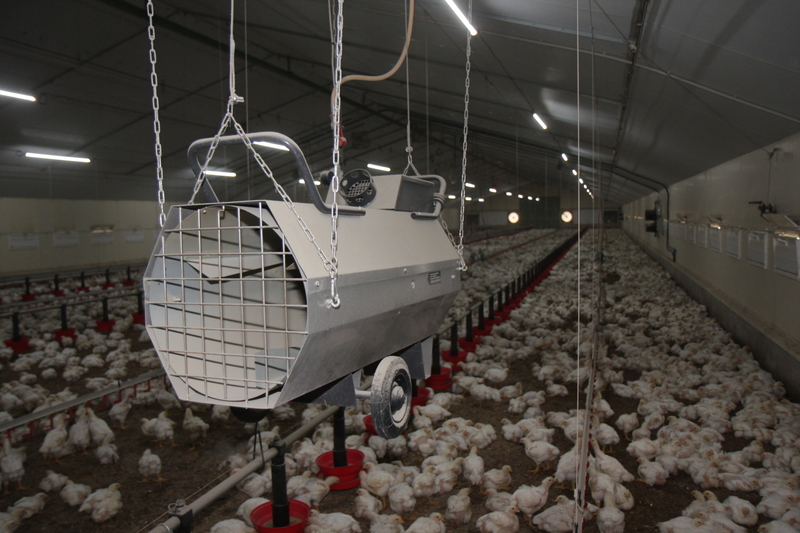
| Applications | Commercial Pig Houses: Suitable for farrowing rooms, nursery buildings, gestation barns, finishing houses and other intensive swine facilities. Poultry Houses: Provides combined temperature, humidity and CO2 monitoring in broiler, layer and breeder buildings. Dairy and Cattle Buildings: Can support environmental monitoring in mechanically ventilated or enclosed cattle housing. Minimum Ventilation Control: CO2 and humidity information can help farm managers optimize minimum ventilation during cold-weather operation. Heating Management: Temperature measurements can provide control feedback for brooders, heaters and other livestock-house heating systems. Cooling and Ventilation: Climate data can be integrated with fans, cooling pads, tunnel ventilation and air-inlet systems. Pig Farm Construction: Suitable for installation during new commercial pig farm construction and environmental-control engineering projects. Steel Structure Livestock Buildings: Can be incorporated into electrical and climate-control systems during steel structure poultry or pig house construction. Farm Modernization: Existing facilities can replace separate temperature, humidity and CO2 sensors with a consolidated three-parameter monitoring solution. |
||||||||||||||||||||||||||||||||
| Customization Options | The sensor and environmental monitoring system can be configured according to livestock species, house dimensions, ventilation design and controller requirements. Available project options may include: • Sensor quantity according to building size • Installation position according to airflow and animal zone • Cable length according to project requirements • 0–10 V climate-controller integration • Central environmental controller connection • Ventilation fan control integration • Heating and cooling equipment integration • Alarm and data-logging functions according to controller configuration • Multi-house centralized climate monitoring • Wireless LoRa-based variant according to project requirements • Pig house, poultry house and dairy barn installation packages • OEM and engineering-project configurations Final system design can be adapted according to local climate and farm conditions. |
||||||||||||||||||||||||||||||||
| Installation & Maintenance | Install the sensor at a representative position inside the livestock building where it can measure normal animal-zone air conditions. For a single-sensor building, a central position is generally preferred when it represents the overall house climate. Avoid installing the sensor directly beside fresh-air inlets, heaters, cooling nozzles, exhaust fans or other locations that may create highly localized temperature, humidity or CO2 conditions. Secure the sensor to a stable mounting point and route the cable safely to the climate controller. Protect wiring from animals, machinery and mechanical damage. After installation, verify all three measurements and confirm that the environmental controller correctly interprets the temperature, humidity and CO2 signals. During normal operation, keep the sensing filter clean and unobstructed. Before washing or disinfecting the livestock house, install the supplied protection cap over the sensing area. The robust IP67 housing and protection cap allow the sensor to remain installed during normal high-pressure cleaning procedures when used according to the applicable operating instructions. |
||||||||||||||||||||||||||||||||
| Project Cases | For a commercial pig finishing house, the sensor can be installed in the main animal zone and connected to the farm climate computer. Temperature, humidity and CO2 data can then be evaluated together to regulate minimum ventilation, tunnel ventilation and heating equipment. In a steel structure broiler house, one or more sensors can be positioned according to house length and ventilation zones. CO2 monitoring supports minimum ventilation, while temperature and humidity data provide additional information for heating, cooling and litter-management decisions. For new livestock construction projects, sensors can be planned together with exhaust fans, air inlets, cooling pads, heating equipment, electrical cabinets and centralized environmental controllers to create an integrated climate-management system. Existing farms can also use the three-in-one configuration to replace multiple older environmental sensors while simplifying wiring and routine maintenance. |
||||||||||||||||||||||||||||||||
| Product FAQ | Q: What does this livestock sensor measure? A: It simultaneously measures carbon dioxide concentration, relative humidity and ambient temperature. Q: What is the CO2 measurement range? A: The reference configuration measures carbon dioxide from 0 to 10,000 ppm. Q: What humidity range can it measure? A: The reference sensor measures relative humidity from 0 to 100% RH. Q: What is the temperature measurement range? A: The reference configuration supports approximately -40°C to +60°C for temperature measurement. Q: Is the sensor suitable for pig houses? A: Yes. It is specifically designed for livestock-house and industrial environments and is suitable for commercial pig buildings. Q: Can it be used in poultry houses? A: Yes. It is suitable for broiler, layer and breeder buildings where temperature, humidity and CO2 monitoring are required. Q: Can the sensor connect to an automatic climate controller? A: Yes. Reference configurations provide 0–10 V outputs for connection to compatible livestock environmental controllers. Q: Does the sensor need to be removed before washing the livestock house? A: The reference design includes a protective washing cap and is designed to withstand livestock-house cleaning and disinfection procedures, including high-pressure cleaning when used correctly. Q: What is the protection rating? A: The reference configuration is rated IP67. Q: Why combine three measurements in one sensor? A: A combined sensor reduces installation complexity, wiring, mounting points and maintenance compared with using separate CO2, humidity and temperature sensors. Q: Can several sensors be installed in one livestock building? A: Yes. Multiple sensors can be installed according to building length, ventilation zones and project requirements. |
||||||||||||||||||||||||||||||||
| Product Gallery | 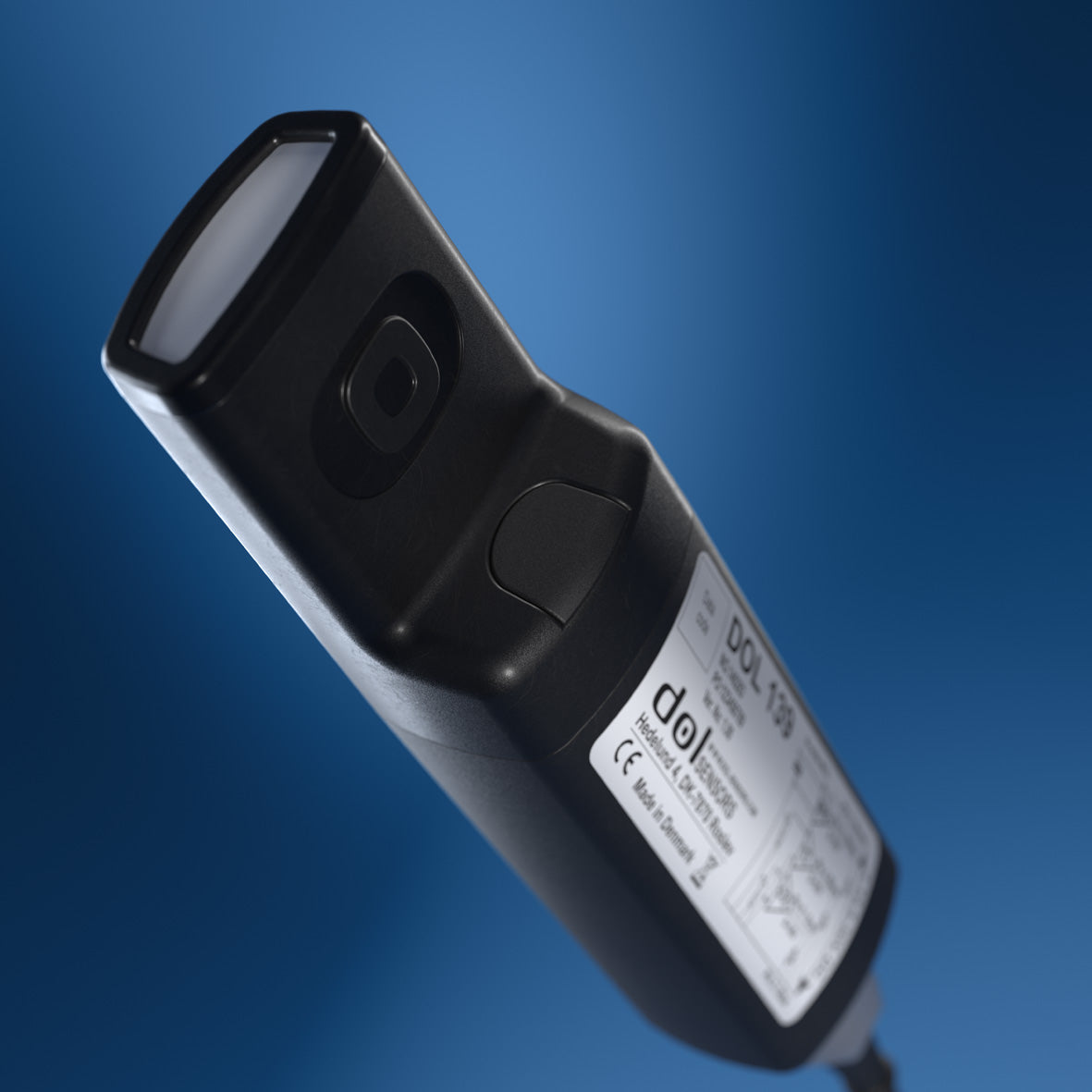 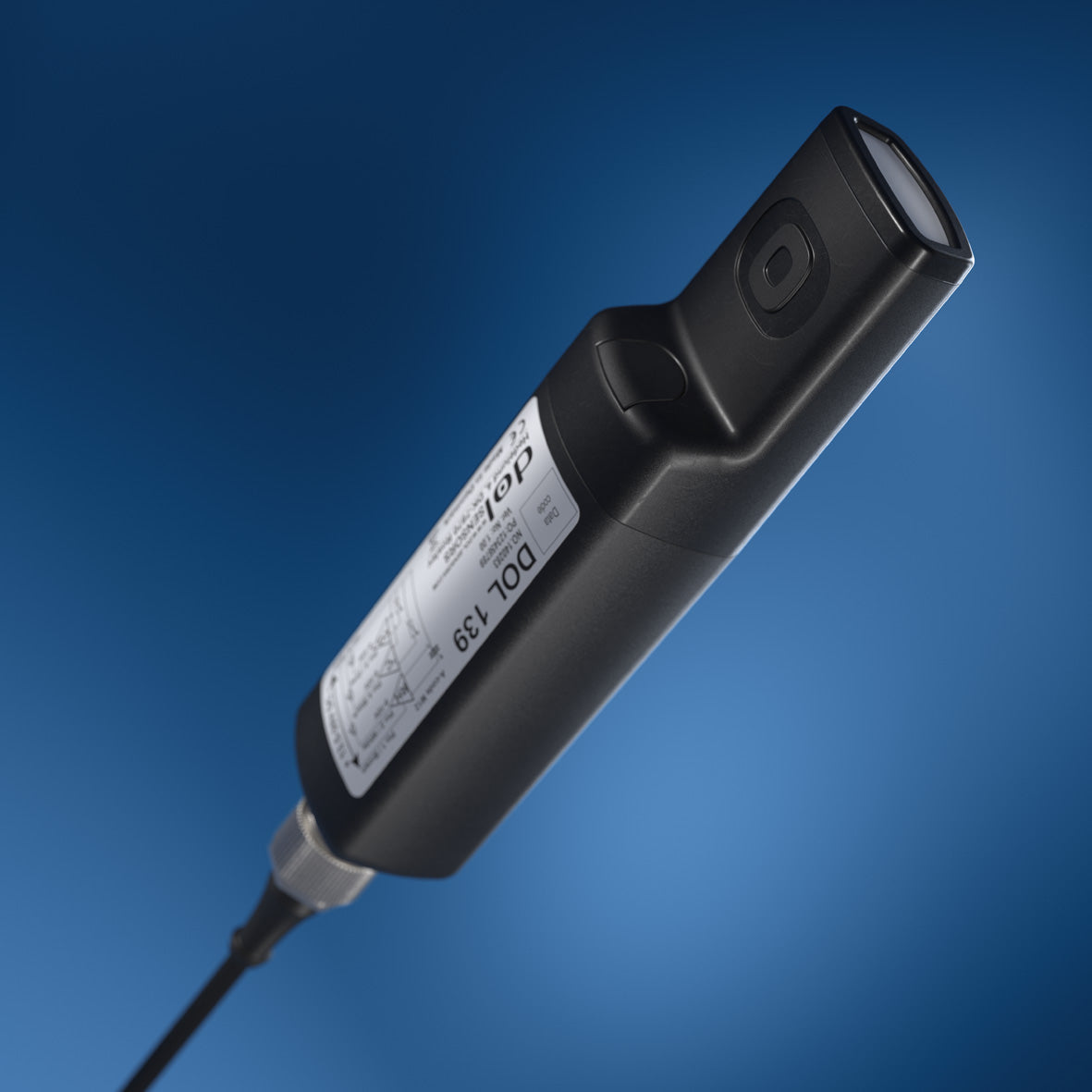 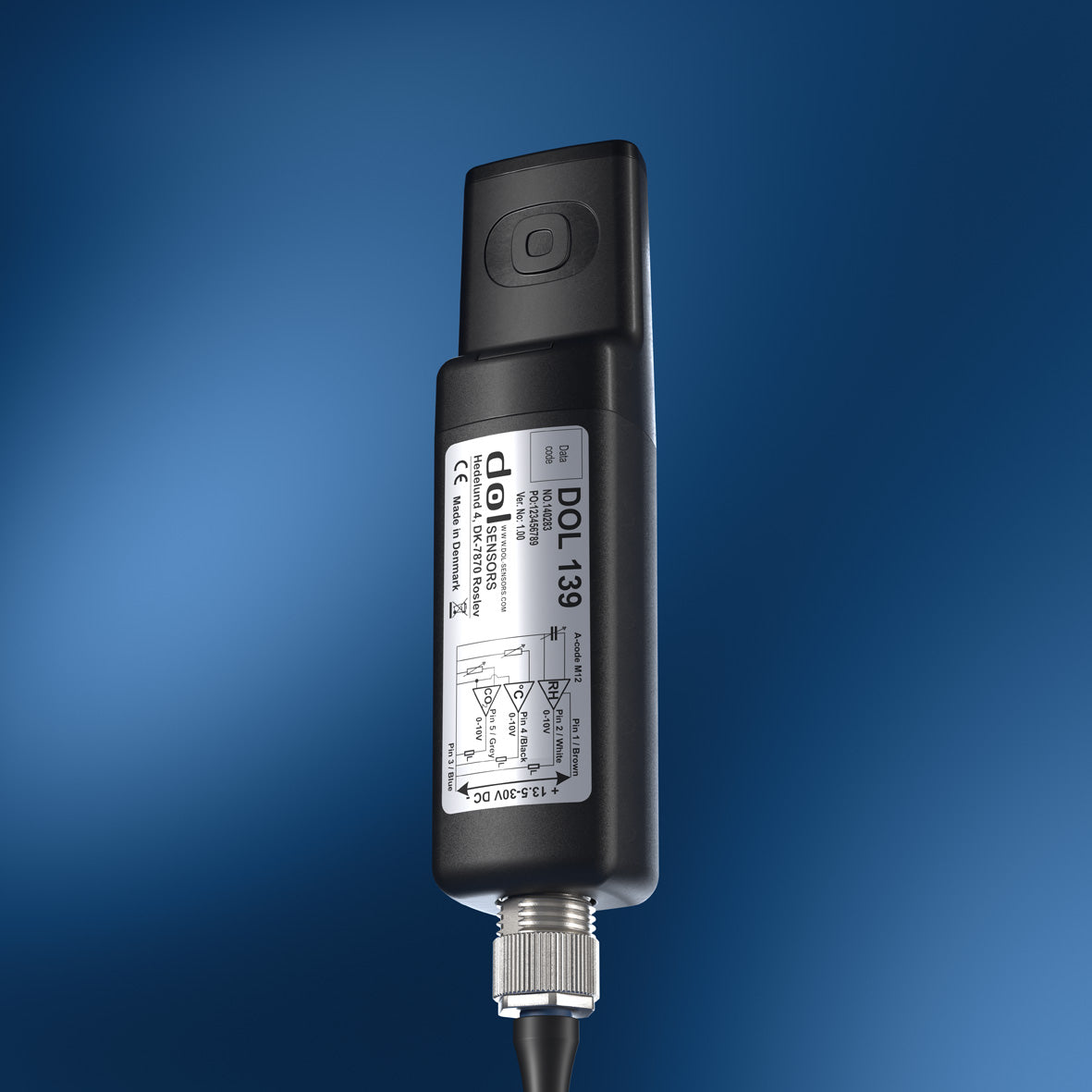 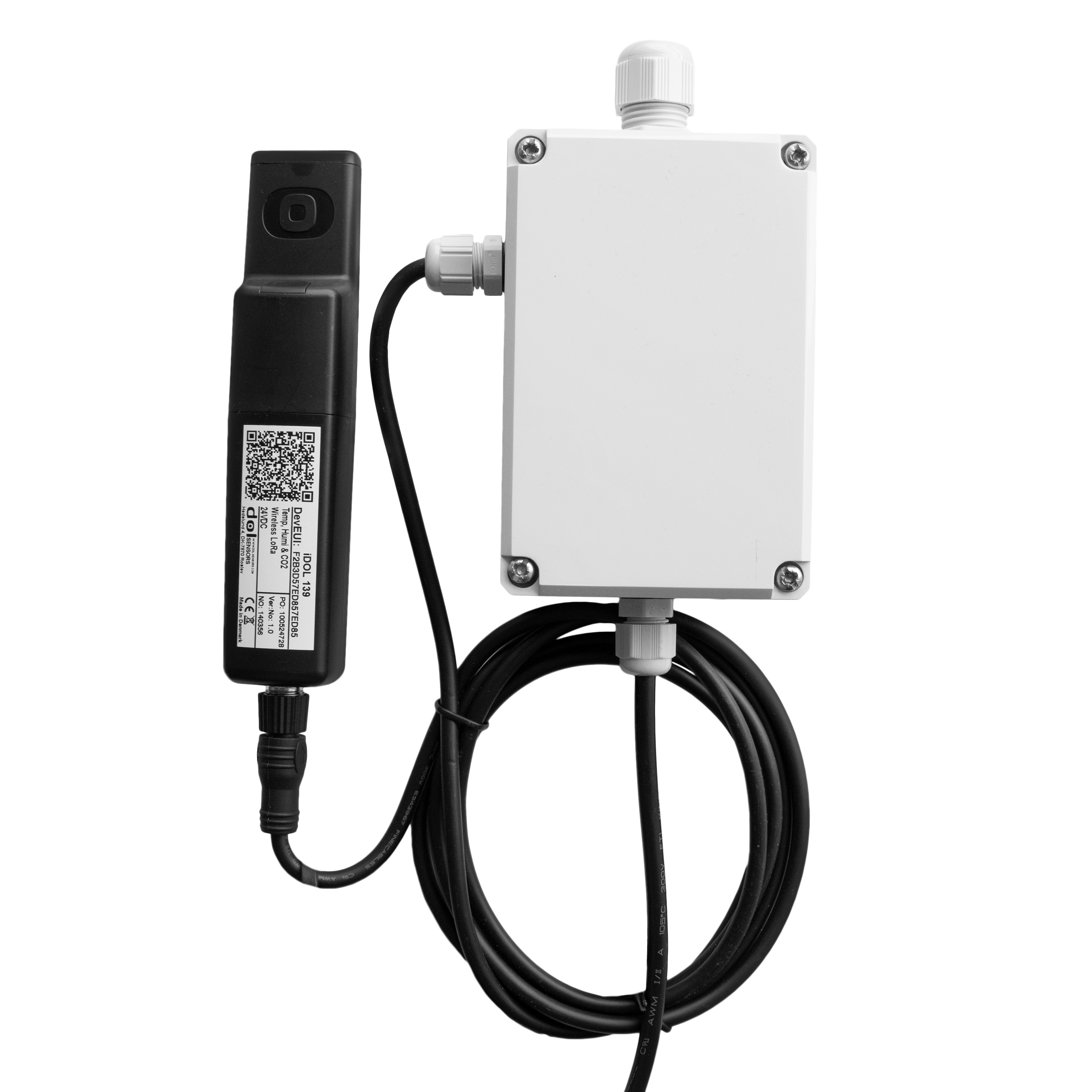 |
- Home
-
Products
- Pig Farming Equipment
- Cattle Farming Equipment
- Sheep & Goat Farming Equipment
- Poultry Farming Equipment
- Feeding & Drinking Systems
- Veterinary & Breeding Equipment
- Testing & Diagnostic Equipment
- Cleaning & Biosecurity Equipment
- Climate Control Equipment
- Livestock Weighing Equipment
- Manure & Waste Management
- Farm Transport & Handling
-
Solutions
- Pig Farm Solutions
- Dairy Farm Solutions
- Beef Cattle Farm Solutions
- Sheep & Goat Farm Solutions
- Layer Farm Solutions
- Broiler Farm Solutions
- Feeding & Drinking System Solutions
- Climate Control Solutions
- Biosecurity & Disinfection Solutions
- Manure & Waste Management
- Smart Farming Solutions
- Farm Renovation and Upgrade Solutions
- Partners
- Projects
- Resources
- News
- About Us
- Contact

Comments & Inquiries
Leave your questions or requirements below. We will reply as soon as possible.