
| Product Showcase | Content | ||||||||||||||||||||||||||||
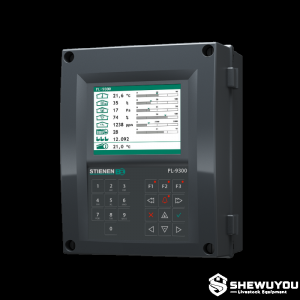
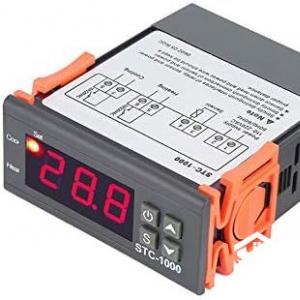
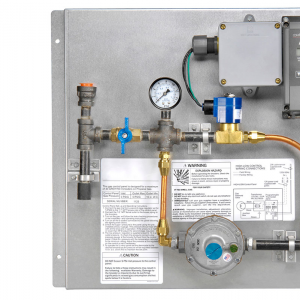
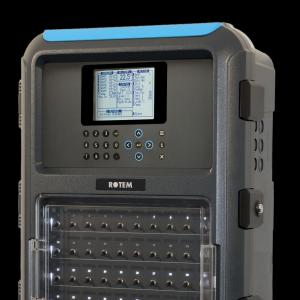
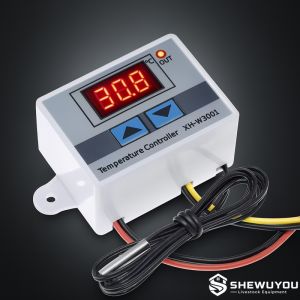
| Product Name | Broiler House Climate & Brooder Controller | ||||||||||||||||||||||||||||
| Product Image | 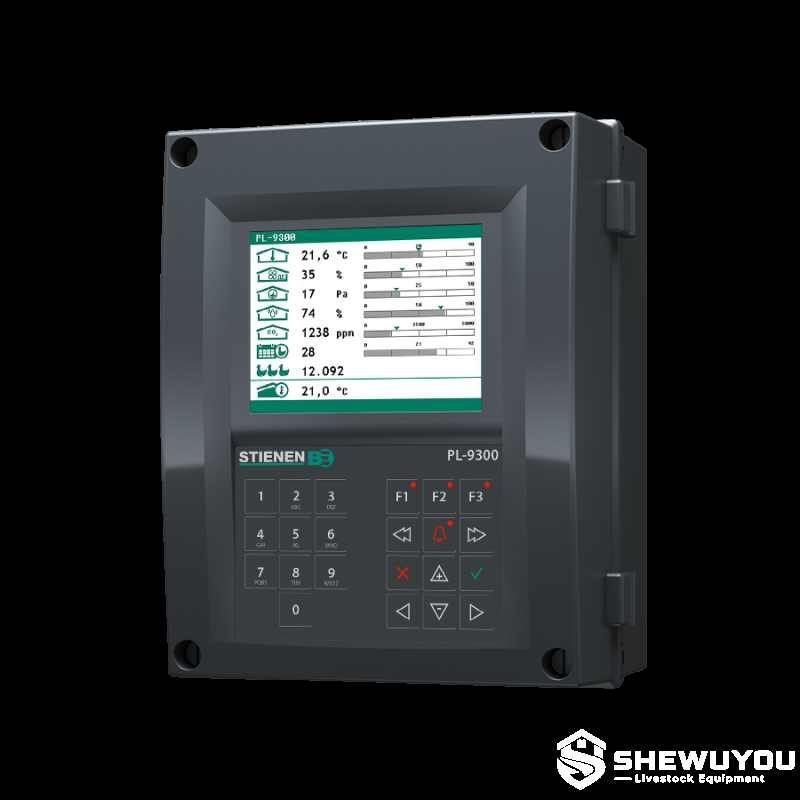 |
||||||||||||||||||||||||||||
| Product Overview |
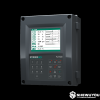
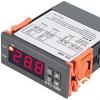
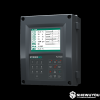
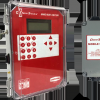
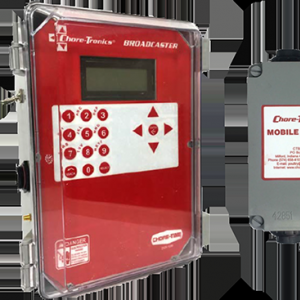
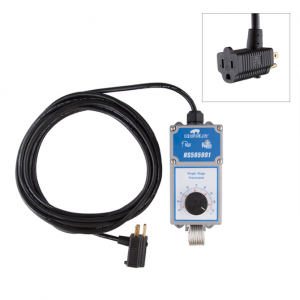
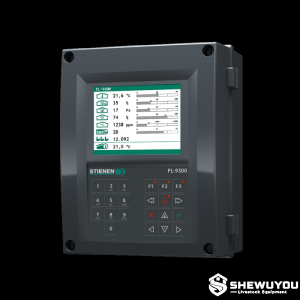
The Broiler House Climate & Brooder Controller is designed as a central control platform for environmental management in modern poultry houses. It can be configured to monitor and manage key climate functions such as temperature, ventilation, heating, cooling, humidity and other selected house-control parameters. For broiler production, stable house conditions are essential throughout the growing cycle. The controller can coordinate different environmental devices according to programmed setpoints, production stage and the actual configuration of the poultry house. Professional poultry climate-control systems commonly combine temperature and humidity monitoring with ventilation, heating, cooling and air-quality management. :contentReference[oaicite:1]{index=1} The modular control concept makes the system suitable for new broiler-house construction, steel structure poultry buildings, farm renovation and automation upgrade projects. Hardware, sensor configuration, control functions and electrical interfaces can be selected according to project requirements. |
||||||||||||||||||||||||||||
| Key Features |
|
||||||||||||||||||||||||||||
| Structural Components |
|
||||||||||||||||||||||||||||
| Working Principle / Structural Principle |
Data Collection: Connected sensors continuously collect relevant environmental information such as temperature and, where configured, humidity, static pressure and air-quality parameters. Control Logic: The controller compares measured conditions with programmed setpoints, production-stage parameters and configured control curves. Equipment Regulation: According to the control logic, output signals are sent to compatible ventilation, heating, cooling, air-inlet, lighting or other equipment. Brooding Control: During the early brooding period, the system can be configured to give greater priority to temperature and heating requirements in designated zones. As birds grow and environmental requirements change, the control strategy can be adjusted according to the production program. Continuous Adjustment: The control cycle repeats continuously, allowing the system to react to changing indoor and outdoor conditions and maintain the configured house environment. |
||||||||||||||||||||||||||||
| Technical Specifications |
Final sensor quantity, relay/output capacity, electrical ratings, communication interfaces, enclosure protection and supported functions should be confirmed according to the selected controller configuration and project design. |
||||||||||||||||||||||||||||
| Applications |
|
||||||||||||||||||||||||||||
| Customization Options |
A commercial poultry house differs in size, ventilation layout, heating method, climate and production strategy. The controller can therefore be configured around the actual engineering requirements of each project.
|
||||||||||||||||||||||||||||
| Installation & Maintenance |
Site Planning: Confirm the poultry-house dimensions, ventilation arrangement, heating system, cooling equipment, sensor positions and electrical supply before installation. Controller Installation: Install the controller in a clean, protected and accessible technical area. For control-cabinet configurations, ensure sufficient working space for wiring, inspection and future service. Sensor Installation: Position temperature and other environmental sensors at representative locations within the poultry house. Avoid direct heat sources, strong drafts, water spray and locations that do not represent the general bird environment. Electrical Connection: Connect power, sensors and controlled equipment according to the approved wiring diagram and applicable local electrical regulations. Electrical installation should be completed by qualified personnel. Commissioning: Check sensor readings, setpoints, ventilation response, heating operation, cooling functions, alarm logic and communication functions before placing the system into routine operation. Maintenance: Periodically inspect sensor accuracy, terminals, cables, enclosure condition and control outputs. Keep sensors clean and unobstructed and include the controller in the poultry house preventive-maintenance program. |
||||||||||||||||||||||||||||
| Product FAQ |
Q1: What does a broiler house climate controller manage? Depending on the selected configuration, it can manage functions such as temperature, ventilation, heating, cooling, humidity and other environmental-control parameters. Professional poultry controllers can also incorporate air-quality and pressure sensors. :contentReference[oaicite:2]{index=2} Q2: Can the controller manage brooder heating? Yes. Brooder and heating control can be incorporated into the climate-control strategy according to the selected heating equipment, house layout and project requirements. Q3: Can it be used in a tunnel-ventilated broiler house? Yes. The control architecture can be designed around tunnel, side-wall, cross or combined ventilation systems according to the poultry-house engineering design. :contentReference[oaicite:3]{index=3} Q4: Can additional sensors be connected? Additional temperature, humidity, pressure or air-quality sensing functions can be provided according to the selected controller architecture and project requirements. Q5: Is the controller suitable for a new poultry farm construction project? Yes. It can be incorporated during the engineering stage together with the poultry-house structure, electrical system, ventilation equipment, heating system, cooling system and alarm arrangement. Q6: Can the controller be customized for different countries? Yes. Electrical specifications, sensor configuration, control capacity, communication functions and installation arrangements can be designed according to destination-country requirements and local farm conditions. |
||||||||||||||||||||||||||||
| Product Gallery | 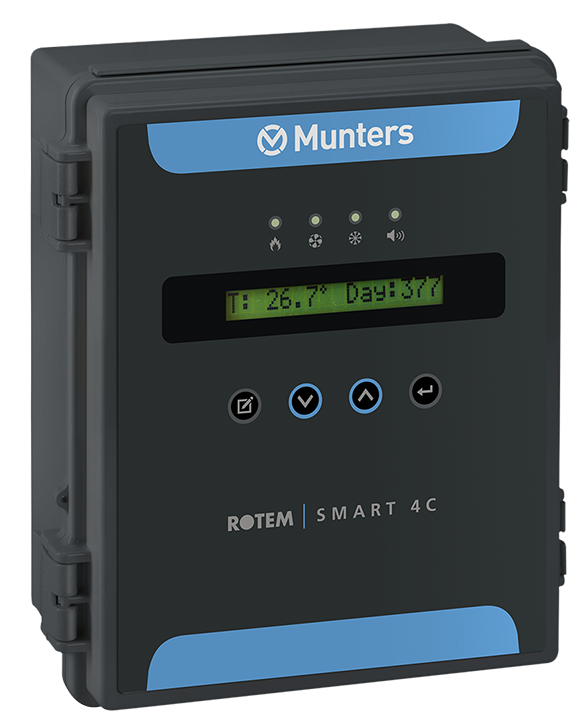 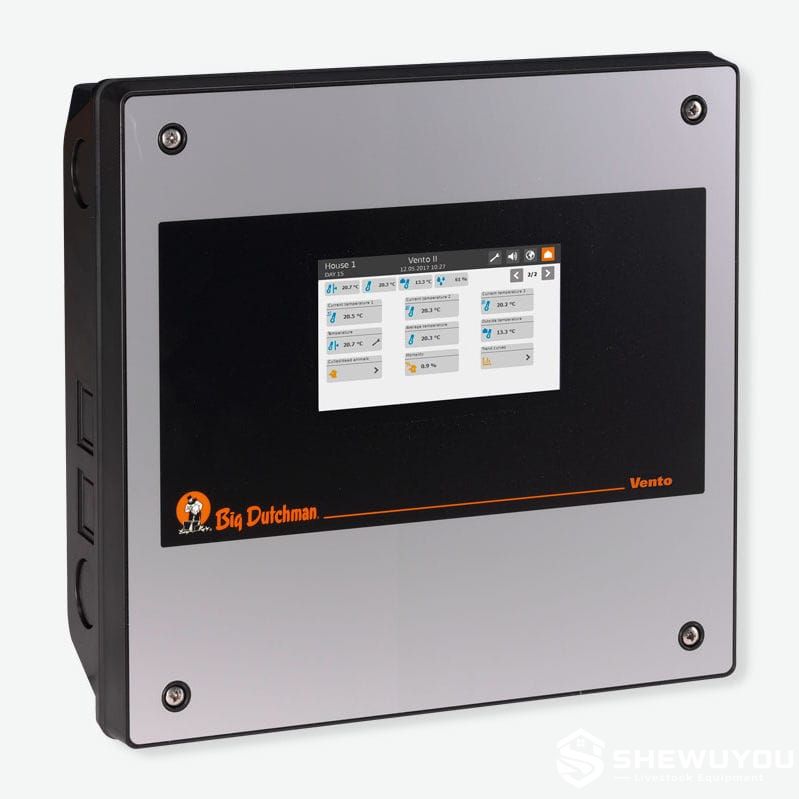 |
- Home
-
Products
- Pig Farming Equipment
- Cattle Farming Equipment
- Sheep & Goat Farming Equipment
- Poultry Farming Equipment
- Feeding & Drinking Systems
- Veterinary & Breeding Equipment
- Testing & Diagnostic Equipment
- Cleaning & Biosecurity Equipment
- Climate Control Equipment
- Livestock Weighing Equipment
- Manure & Waste Management
- Farm Transport & Handling
-
Solutions
- Pig Farm Solutions
- Dairy Farm Solutions
- Beef Cattle Farm Solutions
- Sheep & Goat Farm Solutions
- Layer Farm Solutions
- Broiler Farm Solutions
- Feeding & Drinking System Solutions
- Climate Control Solutions
- Biosecurity & Disinfection Solutions
- Manure & Waste Management
- Smart Farming Solutions
- Farm Renovation and Upgrade Solutions
- Partners
- Projects
- Resources
- News
- About Us
- Contact
Comments & Inquiries
Leave your questions or requirements below. We will reply as soon as possible.