
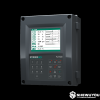
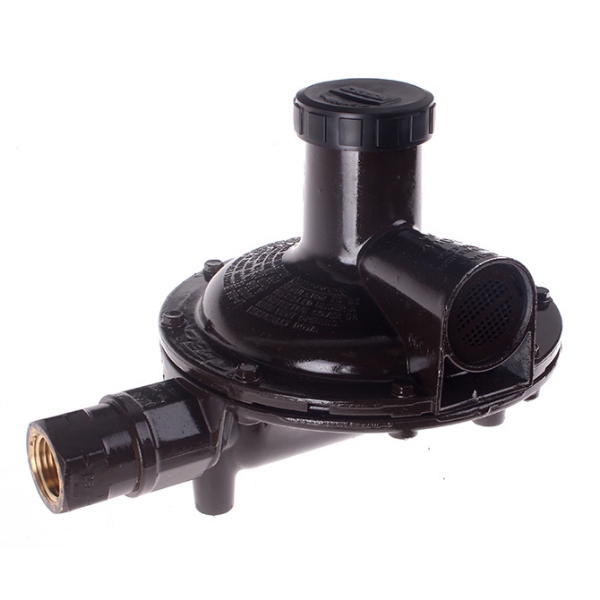
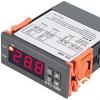
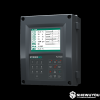
| Product Showcase | Content | ||||||||||||||||||||
| Product Name | Multi-Zone Brooder Temperature Controller | ||||||||||||||||||||
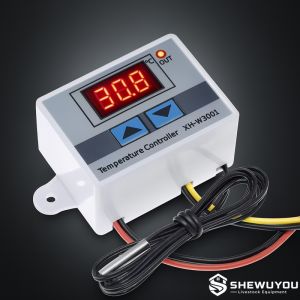
| Product Image | |||||||||||||||||||||
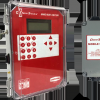
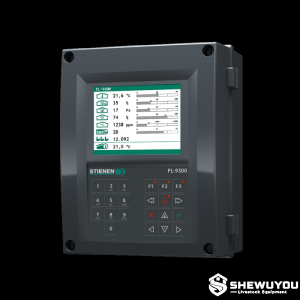
| Product Overview | The Multi-Zone Brooder Temperature Controller is a centralized environmental control solution for commercial livestock buildings where different brooding areas require independent temperature management. It receives temperature information from strategically positioned sensors and controls compatible heating equipment according to programmed set points and operating conditions. Designed for professional poultry and livestock projects, the controller can be configured for multiple brooding rooms, pens or heating zones. It can be integrated with electric brooders, infrared heating systems, gas-fired brooder control systems, heating plates and compatible farm climate-control equipment. The control architecture can be specified according to the building layout, heating method, animal production stage and local farm conditions. |
||||||||||||||||||||
| Key Features |
|
||||||||||||||||||||
| Structural Components | A typical multi-zone brooder temperature control system may include:
|
||||||||||||||||||||
| Working Principle / Structural Principle | Temperature probes continuously measure conditions within each designated brooding zone. The controller compares the measured temperature with the programmed target and determines the required heating response for that zone. When additional heat is required, the corresponding output activates or adjusts the connected brooder system. As the target temperature is approached, the controller can reduce, stage or disconnect the heating output depending on the selected control method. Different zones can operate with different temperature set points, making the system suitable for buildings containing animals at different production stages. For advanced installations, the brooder controller can be coordinated with ventilation, air inlet, cooling, humidity and alarm strategies to form an integrated livestock climate-control system. |
||||||||||||||||||||
| Technical Specifications |
|
||||||||||||||||||||
| Applications |
|
||||||||||||||||||||
| Customization Options | The controller can be engineered as part of a complete farm climate-control package. Customization may include:
|
||||||||||||||||||||
| Installation & Maintenance | Install the controller in a dry, protected and easily accessible service location. Avoid direct radiant heat, water spray, excessive dust and locations subject to abnormal temperature conditions. Temperature probes should be installed at representative animal-zone locations and kept away from direct heat sources, cold walls, air inlets and other positions that may produce misleading readings. Electrical wiring, contactors, relays and heating loads should be selected and connected according to the approved project wiring diagram and applicable local electrical standards. Before commissioning, verify sensor readings, zone assignments, target temperatures, heating response and alarm functions. Routine maintenance should include inspection of sensor cables, terminal connections, enclosure condition and control response. Disconnect electrical power before servicing. |
||||||||||||||||||||
| Product FAQ |
Q: What is a multi-zone brooder temperature controller? Q: Can one controller manage different brooding areas? Q: Can it control different types of brooders? Q: Can it be used in a pig farm? Q: Can the temperature settings change according to animal age? Q: Is the controller suitable for new steel structure livestock buildings? |
||||||||||||||||||||
| Product Gallery |
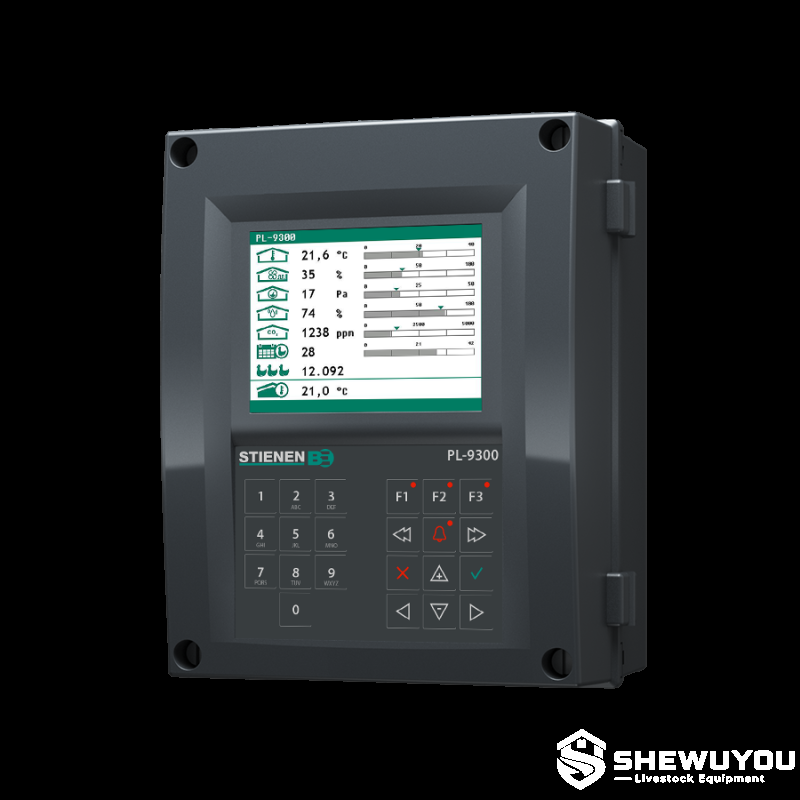
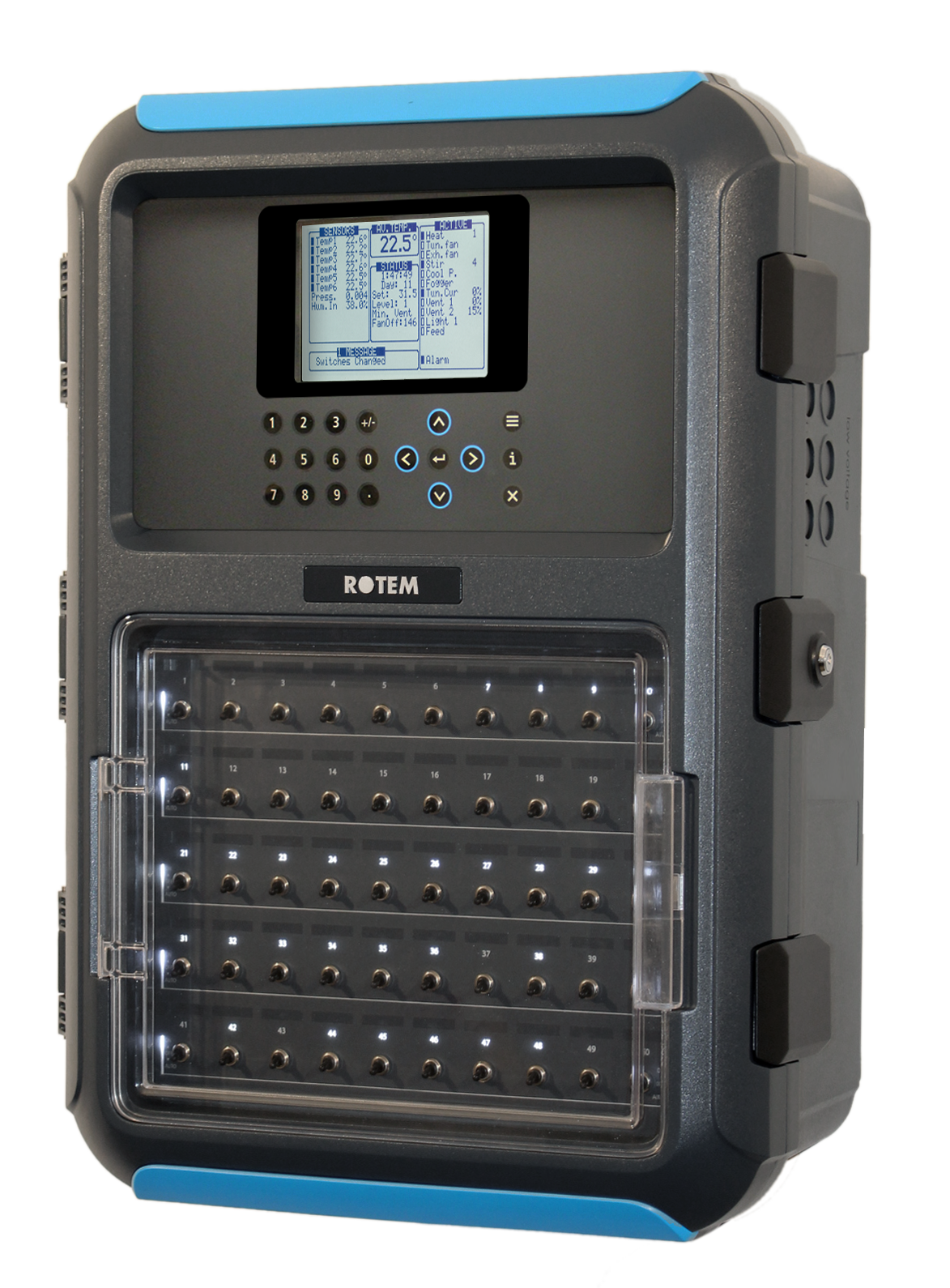
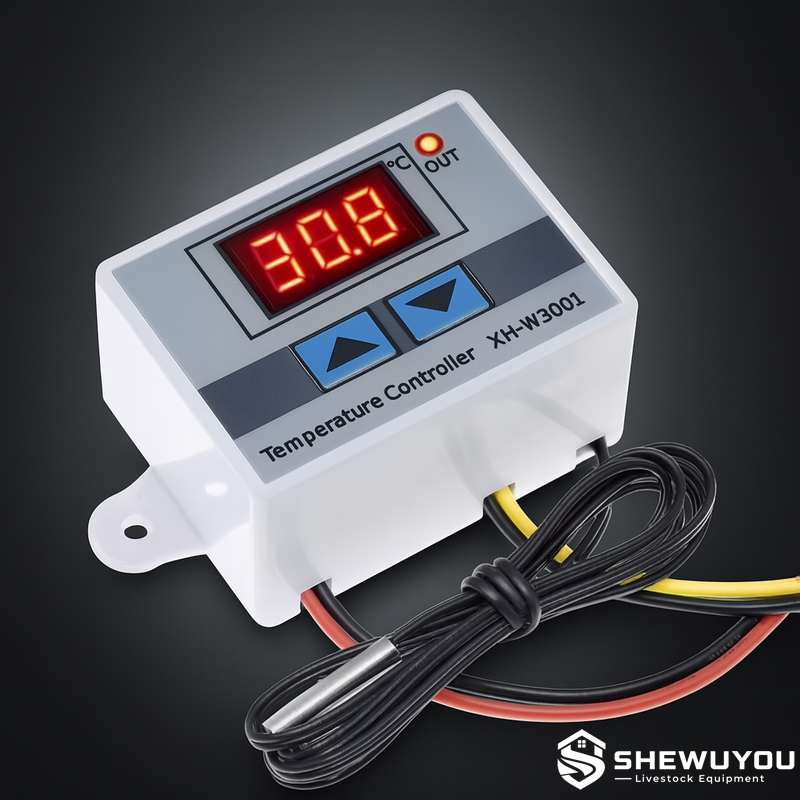
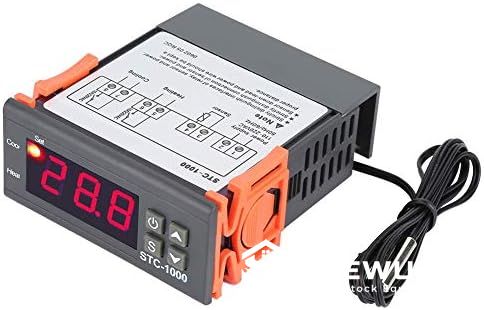
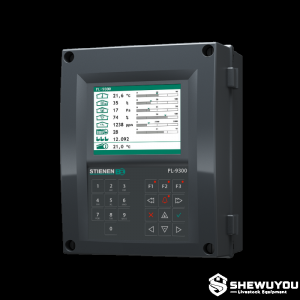
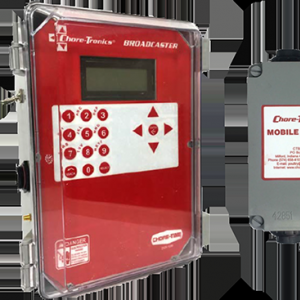
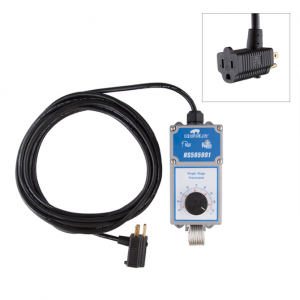
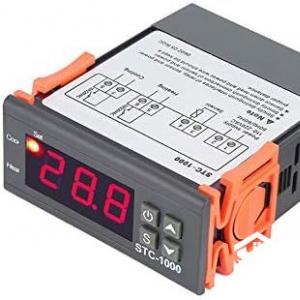
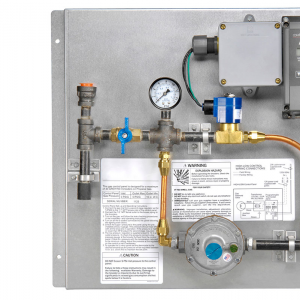
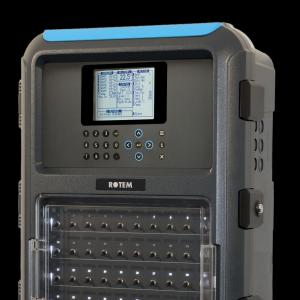
Reference configuration images for livestock climate-control and brooder temperature control applications. |
- Home
-
Products
- Pig Farming Equipment
- Cattle Farming Equipment
- Sheep & Goat Farming Equipment
- Poultry Farming Equipment
- Feeding & Drinking Systems
- Veterinary & Breeding Equipment
- Testing & Diagnostic Equipment
- Cleaning & Biosecurity Equipment
- Climate Control Equipment
- Livestock Weighing Equipment
- Manure & Waste Management
- Farm Transport & Handling
-
Solutions
- Pig Farm Solutions
- Dairy Farm Solutions
- Beef Cattle Farm Solutions
- Sheep & Goat Farm Solutions
- Layer Farm Solutions
- Broiler Farm Solutions
- Feeding & Drinking System Solutions
- Climate Control Solutions
- Biosecurity & Disinfection Solutions
- Manure & Waste Management
- Smart Farming Solutions
- Farm Renovation and Upgrade Solutions
- Partners
- Projects
- Resources
- News
- About Us
- Contact
Comments & Inquiries
Leave your questions or requirements below. We will reply as soon as possible.