
| Product Showcase | Content | ||||||||||||||||||||||||
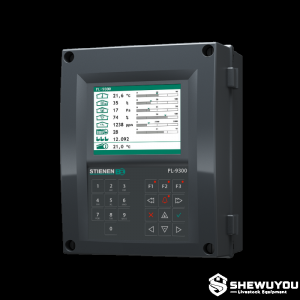
| Product Name | Gas Brooder Temperature Controller | ||||||||||||||||||||||||
| Product Image | 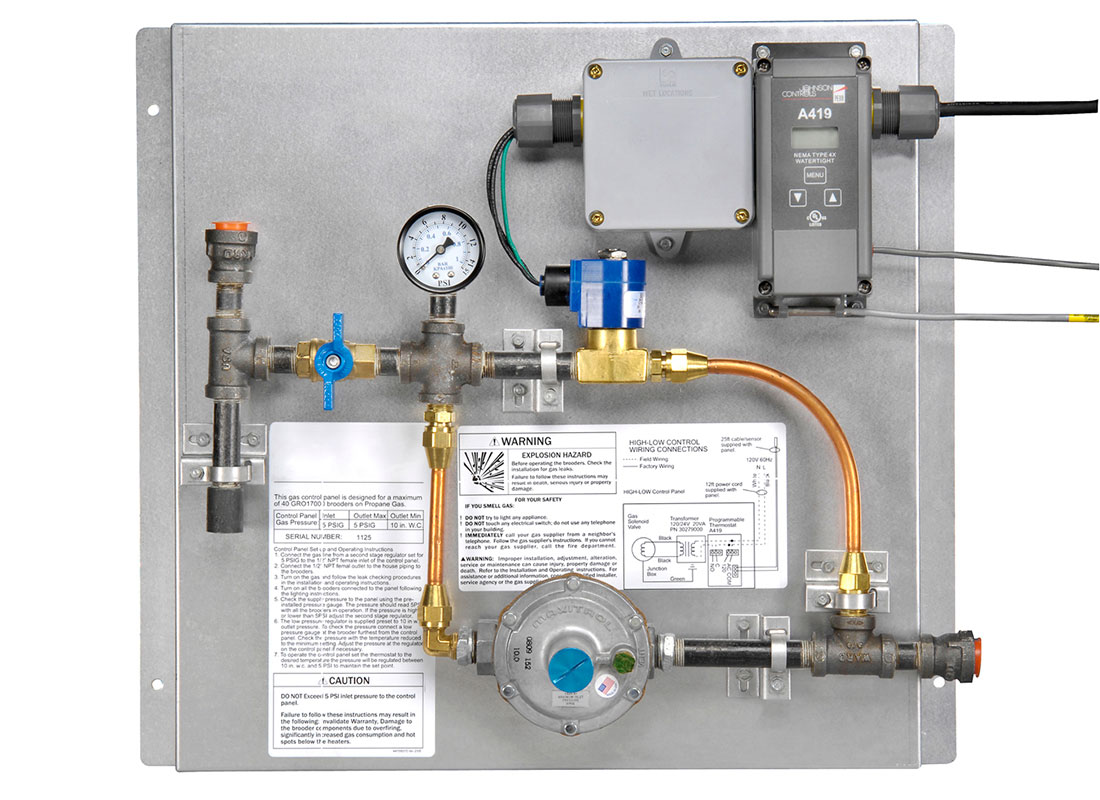 |
||||||||||||||||||||||||
| Product Overview |
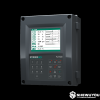
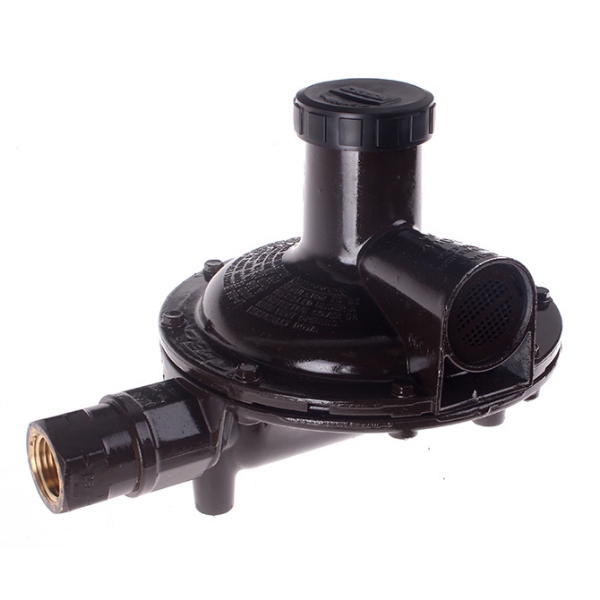
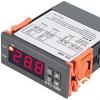
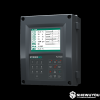
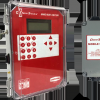
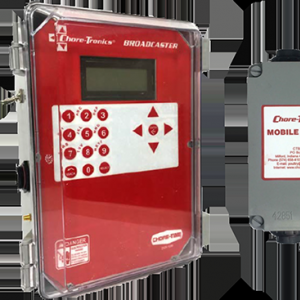
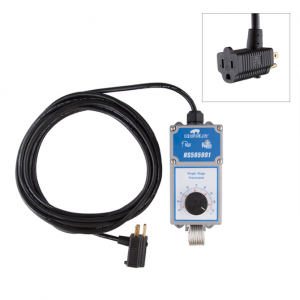
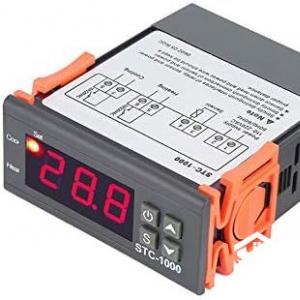
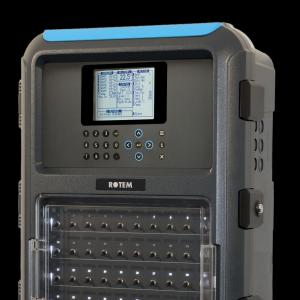
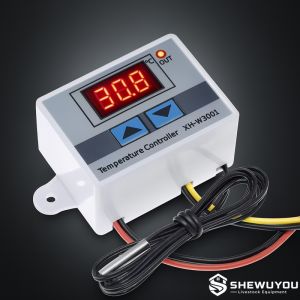
The Gas Brooder Temperature Controller is designed for automatic temperature management of gas-fired poultry brooders in chick houses, broiler farms and other livestock buildings. The controller receives temperature information from one or more sensors and regulates the brooder heating output according to programmed start and stop settings. Depending on system configuration, the controller can operate ON/OFF brooders, high/low fire gas heating systems or proportional heating outputs. It can be used as an individual brooder controller or integrated into a centralized poultry-house climate control system for coordinated heating and ventilation management. |
||||||||||||||||||||||||
| Key Features |
|
||||||||||||||||||||||||
| Structural Components |
|
||||||||||||||||||||||||
| Working Principle |
The assigned temperature sensor continuously measures conditions in the brooding zone. When the temperature falls to the programmed brooder start point, the controller sends a heating command to the gas brooder control circuit. In an ON/OFF system, the brooder operates until the programmed stop temperature is reached. In a high/low fire system, separate low-fire and high-fire stages can be used to match heating demand more closely. Compatible proportional systems can also regulate brooder intensity through a variable control output. Advanced poultry climate controllers may adjust brooder start temperatures automatically over time using a bird-age heating curve, helping match heating requirements to changing flock needs. |
||||||||||||||||||||||||
| Technical Specifications |
|
||||||||||||||||||||||||
| Applications |
|
||||||||||||||||||||||||
| Customization Options |
|
||||||||||||||||||||||||
| Installation & Maintenance |
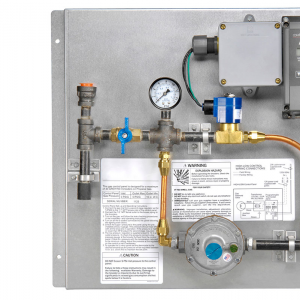
Install the controller in a dry, accessible location protected from direct radiant heat, water spray and excessive dust. Position the temperature sensor at a representative bird-level location rather than immediately beneath the brooder. The controller output must be matched to the gas brooder control system, including the correct relay, solenoid valve, regulator or high/low fire interface. Gas piping, regulators and electrical wiring should be installed according to the brooder manufacturer's instructions and applicable local codes. Before commissioning, verify the start temperature, stop temperature and heating stages. Test the controller to confirm correct brooder ignition, heating response and shutoff operation. Regular maintenance should include inspection of temperature probes, electrical terminals, relay outputs, solenoid valves, pressure regulators and gas connections. Disconnect electrical and gas supplies before servicing. |
||||||||||||||||||||||||
| Product FAQ |
Q: What does a gas brooder temperature controller do? It monitors brooding temperature and automatically controls compatible gas-fired heaters according to programmed heating settings. Q: Can it control high and low brooder heat output? Yes. Compatible systems can use separate high-fire and low-fire control stages to match heating demand. Q: Can it work with several gas brooders? Yes. A properly designed zone control system can operate multiple brooders according to electrical load, gas capacity and heating-zone requirements. Q: Can brooder temperature change automatically as birds grow? Yes. Compatible poultry climate controllers can use age-based brooder temperature curves for automatic adjustment. Q: Can it control proportional gas brooders? Yes. Selected controllers can provide proportional control outputs when matched with compatible brooder control equipment. Q: Where should the temperature sensor be installed? The probe should be positioned at a representative bird-level location away from direct radiant heat, drafts and cold wall surfaces. Q: Can the controller be customized for different farm projects? Yes. Control mode, sensor configuration, voltage, outputs, alarm functions and system integration can be customized according to project requirements. |
||||||||||||||||||||||||
| Product Gallery | 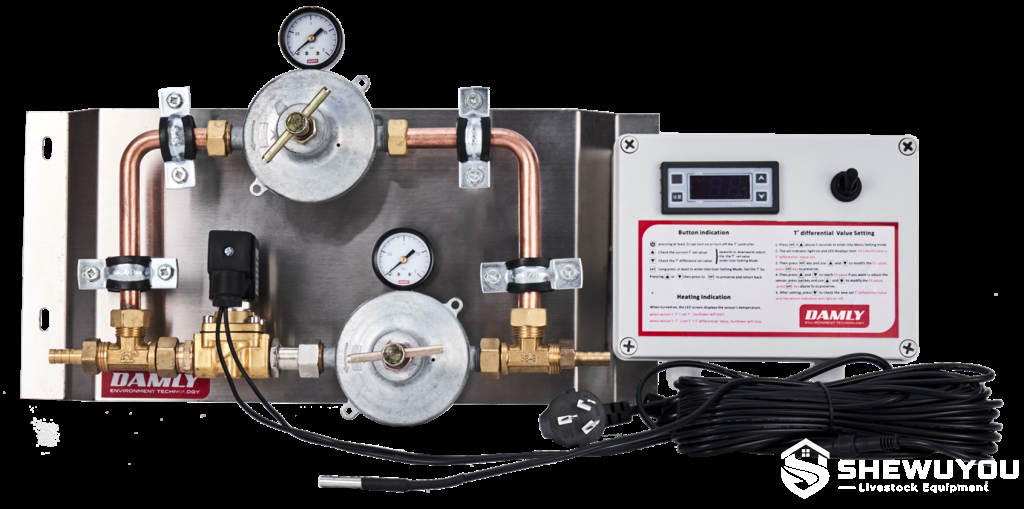 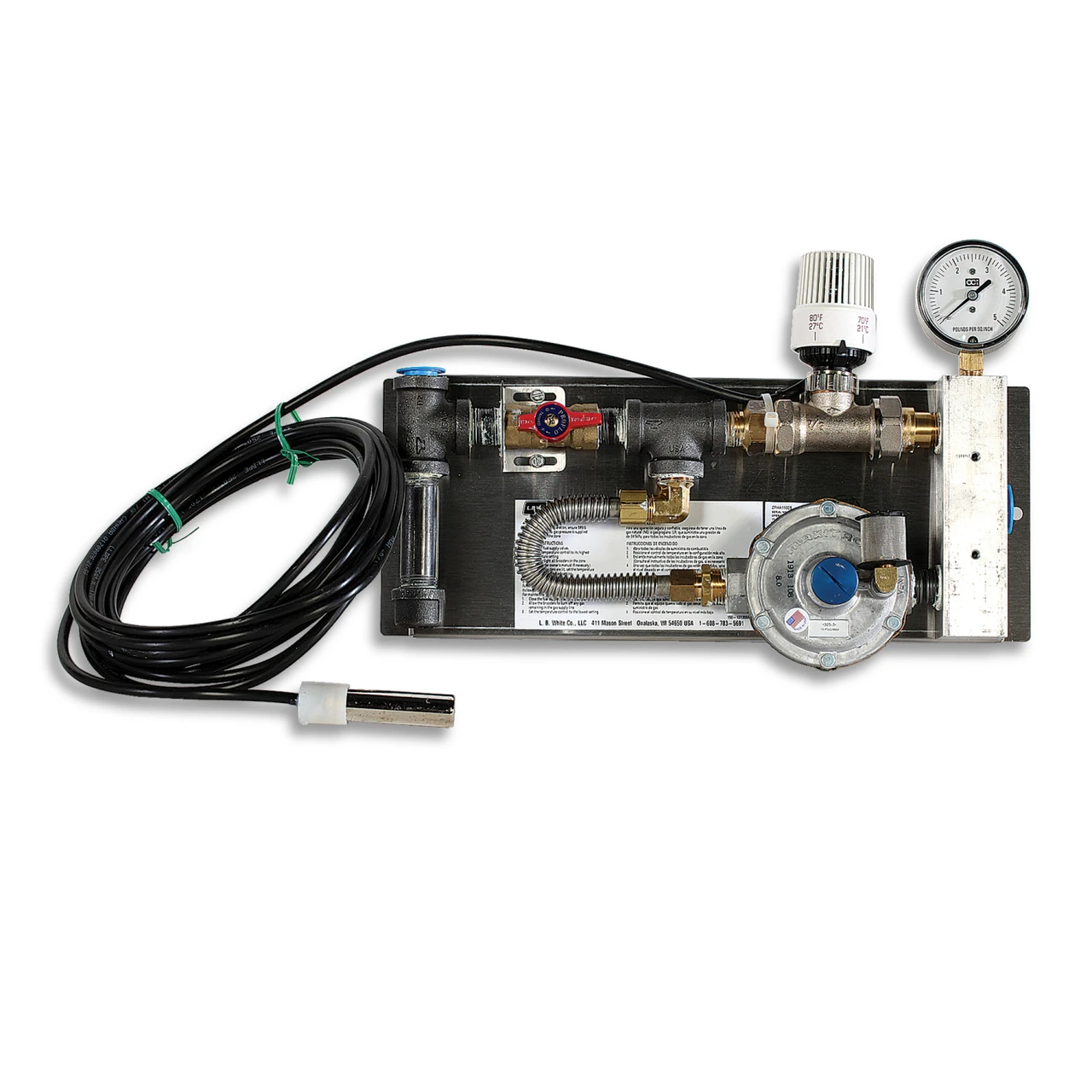 |
- Home
-
Products
- Pig Farming Equipment
- Cattle Farming Equipment
- Sheep & Goat Farming Equipment
- Poultry Farming Equipment
- Feeding & Drinking Systems
- Veterinary & Breeding Equipment
- Testing & Diagnostic Equipment
- Cleaning & Biosecurity Equipment
- Climate Control Equipment
- Livestock Weighing Equipment
- Manure & Waste Management
- Farm Transport & Handling
-
Solutions
- Pig Farm Solutions
- Dairy Farm Solutions
- Beef Cattle Farm Solutions
- Sheep & Goat Farm Solutions
- Layer Farm Solutions
- Broiler Farm Solutions
- Feeding & Drinking System Solutions
- Climate Control Solutions
- Biosecurity & Disinfection Solutions
- Manure & Waste Management
- Smart Farming Solutions
- Farm Renovation and Upgrade Solutions
- Partners
- Projects
- Resources
- News
- About Us
- Contact
Comments & Inquiries
Leave your questions or requirements below. We will reply as soon as possible.