
| Product Showcase | Content | ||||||||||||||||||||
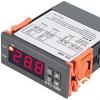
| Product Name | Brooder Temperature Controller with Remote Sensor | ||||||||||||||||||||
| Product Image | 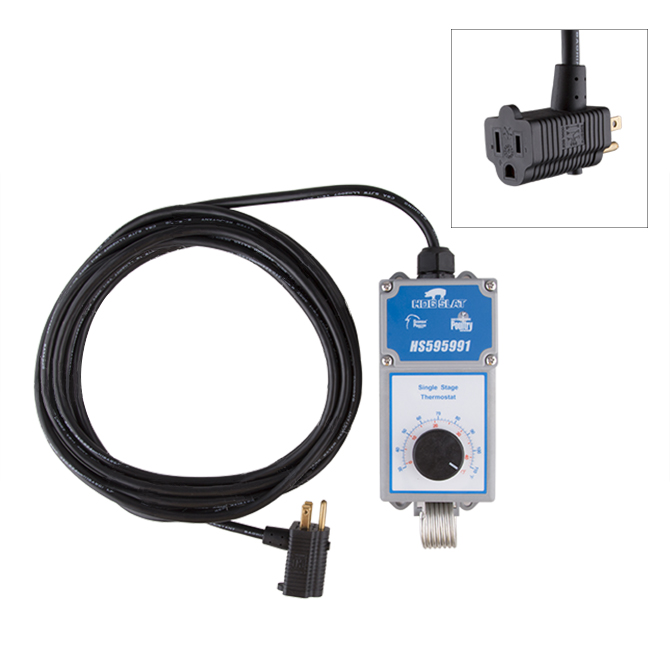 |
||||||||||||||||||||
| Product Overview |
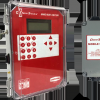
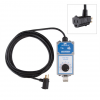
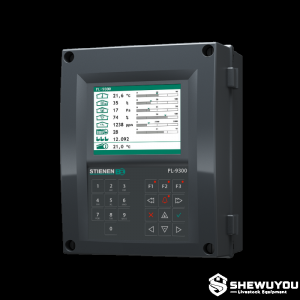
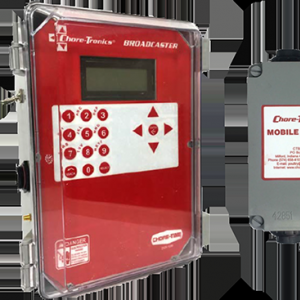
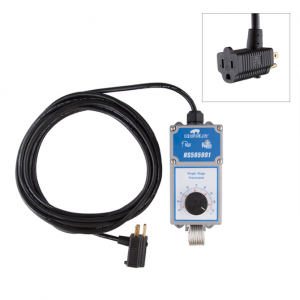
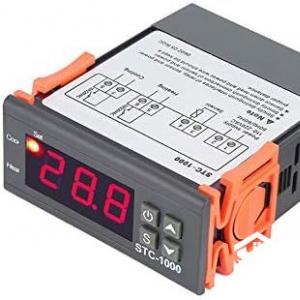
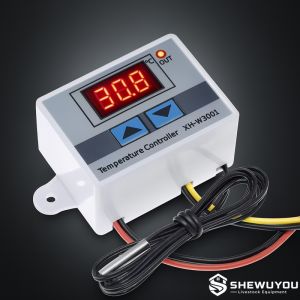
The Brooder Temperature Controller with Remote Sensor provides temperature-based control for localized heating zones in commercial livestock buildings. The remote sensor can be installed at a representative monitoring point close to the target animal area, allowing the heating system to respond to the temperature within the actual brooding zone. This control arrangement is particularly suitable for piglet creep areas, farrowing houses, nursery rooms and other applications where supplemental heat is required in a defined zone. Remote sensing is widely used in professional brooder and livestock heating systems where temperature measurement close to the animal zone is important. The controller can be incorporated into new pig farm construction, steel structure livestock buildings and heating-system retrofit projects. Electrical configuration and heating interface can be selected according to the connected equipment and project requirements. |
||||||||||||||||||||
| Key Features |
|
||||||||||||||||||||
| Structural Components |
|
||||||||||||||||||||
| Working Principle / Structural Principle |
The remote sensor detects temperature at the selected monitoring point. The controller compares the measured temperature with the preset value and activates or regulates the connected heating equipment according to the configured control method. For piglet heating applications, the sensor can be positioned close to the creep or resting area to provide a more representative measurement of the local thermal environment. This arrangement is useful where the temperature near the animals differs from the general room temperature. The sensor should be installed away from direct radiant heat, strong drafts, water spray and other conditions that could cause an unrepresentative temperature reading. |
||||||||||||||||||||
| Technical Specifications |
Final electrical ratings, temperature range, sensor specifications, enclosure protection and control interface should be confirmed according to the selected configuration and project design. |
||||||||||||||||||||
| Applications |
|
||||||||||||||||||||
| Customization Options |
For international livestock projects, the controller can be configured according to the actual barn layout, heating equipment, electrical system and environmental conditions.
|
||||||||||||||||||||
| Installation & Maintenance |
Controller Installation: Mount the controller in a protected and accessible technical location, away from direct water exposure and excessive heat. Sensor Installation: Install the remote sensor at a representative monitoring position close to the target animal zone. Avoid direct radiant heat, strong airflow and water spray. Electrical Connection: Complete wiring according to the approved wiring diagram, selected equipment requirements and applicable local electrical regulations. Cable Protection: Route and secure the sensor cable to minimize exposure to livestock, washing operations, mechanical impact and abrasion. Routine Maintenance: Periodically inspect the controller housing, terminals, sensor cable and sensing element. Keep the sensor clean and unobstructed and include the controller in the farm's regular equipment inspection program. |
||||||||||||||||||||
| Product FAQ |
Q1: What is the purpose of the remote temperature sensor? The remote sensor allows temperature to be measured at the actual target heating zone rather than only around the controller. This is useful for localized piglet and livestock heating applications. Q2: Can this controller be used for piglet heating? Yes. It is suitable for localized heating applications in farrowing houses, piglet creep areas, nursery rooms and other commercial swine facilities when matched with compatible heating equipment. Q3: Where should the remote sensor be installed? The sensor should be installed at a representative animal-level monitoring point within the target heating zone. It should be protected from direct radiant heat, abnormal airflow and water exposure. Q4: Can the controller be integrated into a new pig farm project? Yes. The controller can be incorporated into the heating and electrical design of new livestock buildings, including steel structure pig houses and engineered farm projects. Q5: Can the controller be customized? Yes. Sensor cable length, electrical configuration, mounting arrangement and heating-equipment interface can be customized according to project requirements. |
||||||||||||||||||||
| Product Gallery | 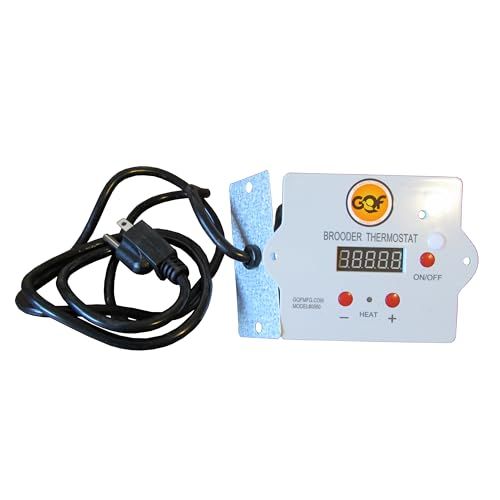 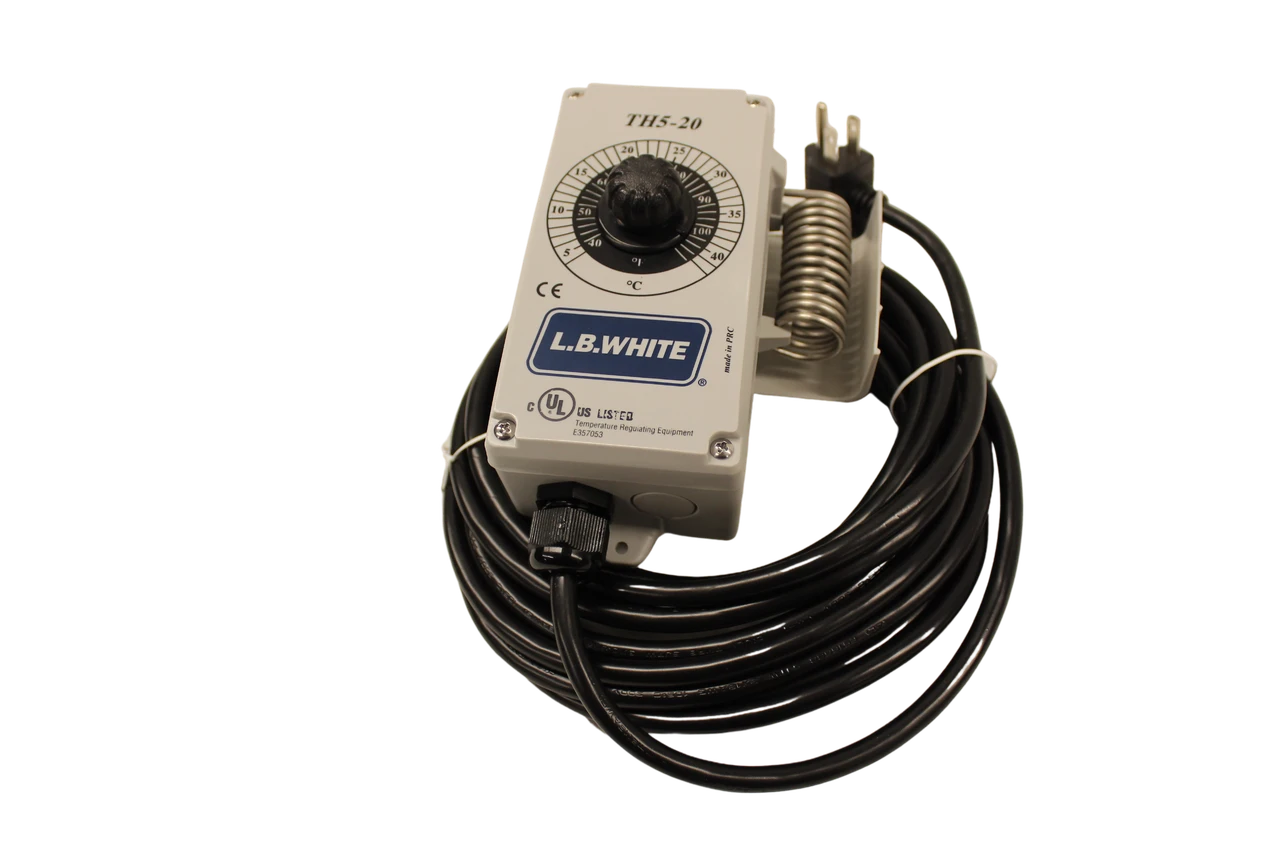 |
- Home
-
Products
- Pig Farming Equipment
- Cattle Farming Equipment
- Sheep & Goat Farming Equipment
- Poultry Farming Equipment
- Feeding & Drinking Systems
- Veterinary & Breeding Equipment
- Testing & Diagnostic Equipment
- Cleaning & Biosecurity Equipment
- Climate Control Equipment
- Livestock Weighing Equipment
- Manure & Waste Management
- Farm Transport & Handling
-
Solutions
- Pig Farm Solutions
- Dairy Farm Solutions
- Beef Cattle Farm Solutions
- Sheep & Goat Farm Solutions
- Layer Farm Solutions
- Broiler Farm Solutions
- Feeding & Drinking System Solutions
- Climate Control Solutions
- Biosecurity & Disinfection Solutions
- Manure & Waste Management
- Smart Farming Solutions
- Farm Renovation and Upgrade Solutions
- Partners
- Projects
- Resources
- News
- About Us
- Contact
Comments & Inquiries
Leave your questions or requirements below. We will reply as soon as possible.