

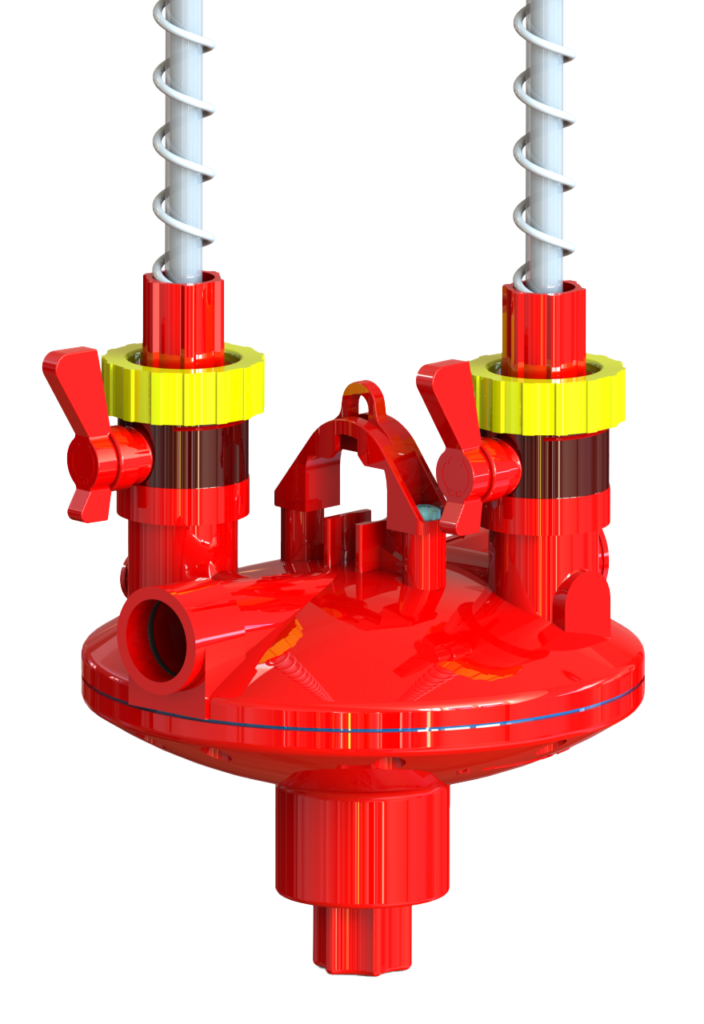

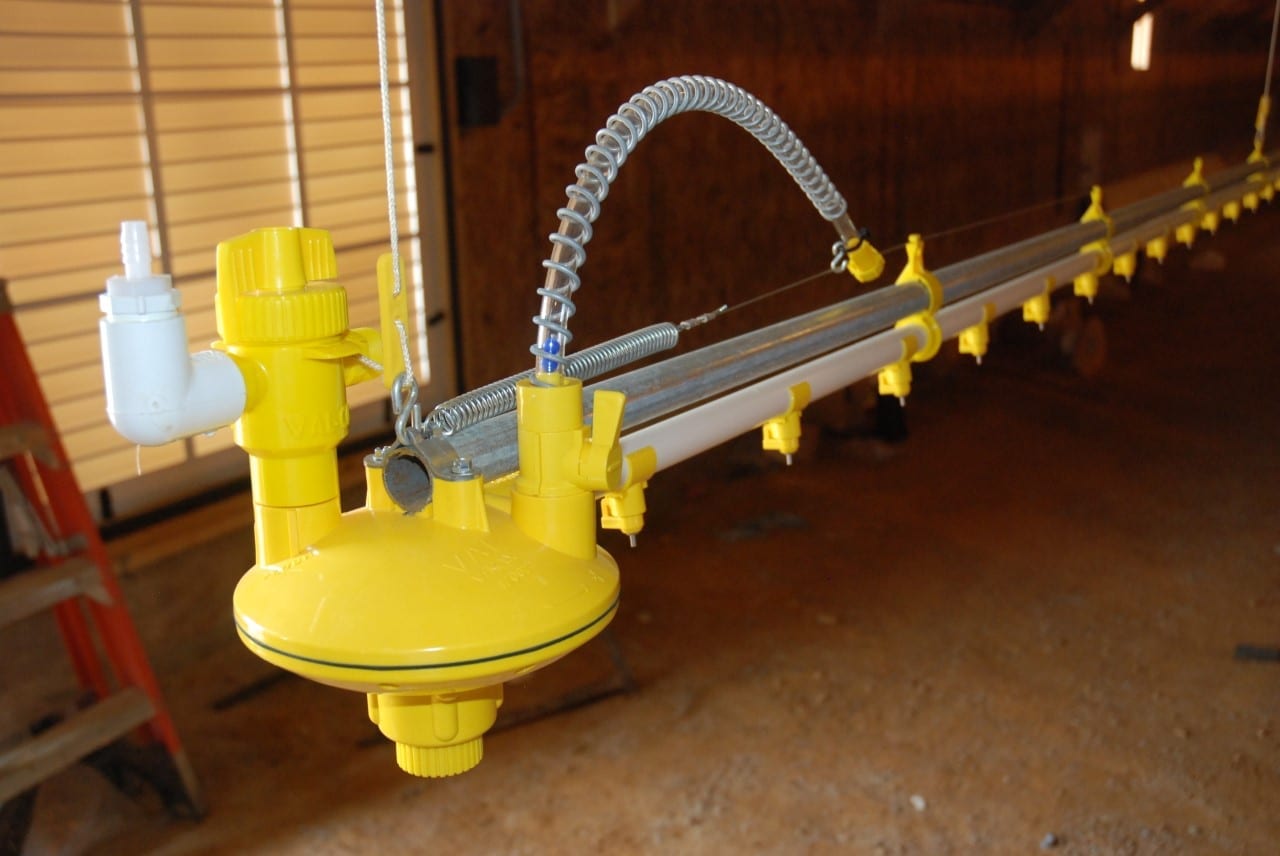


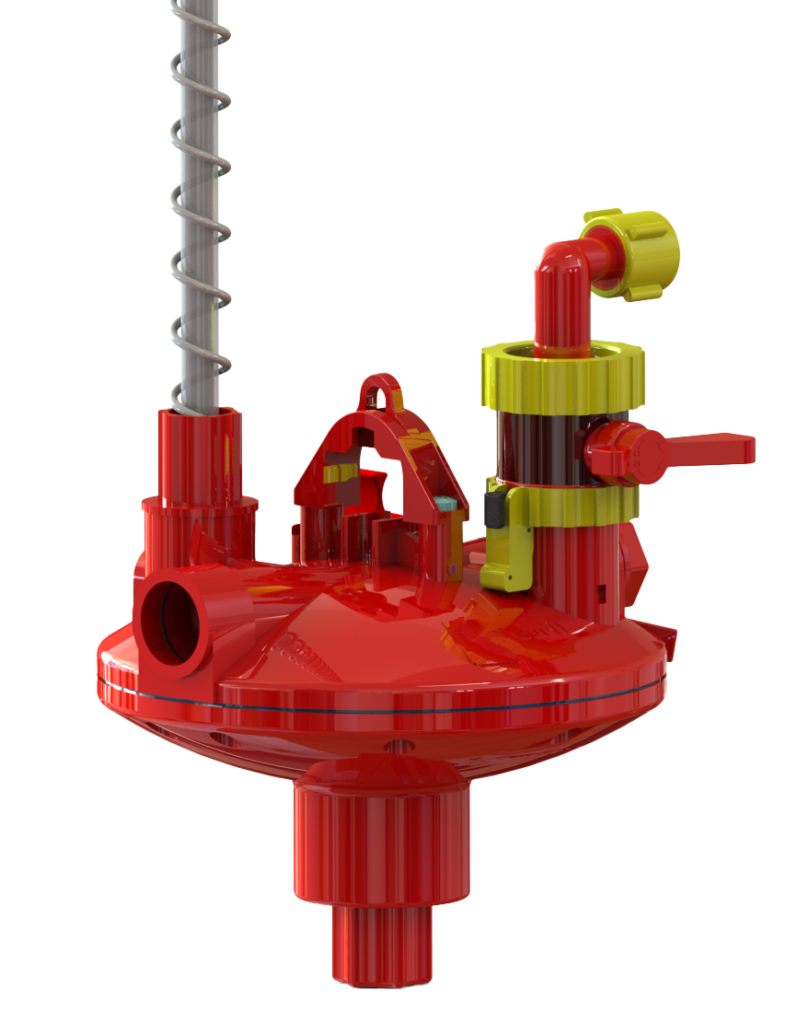
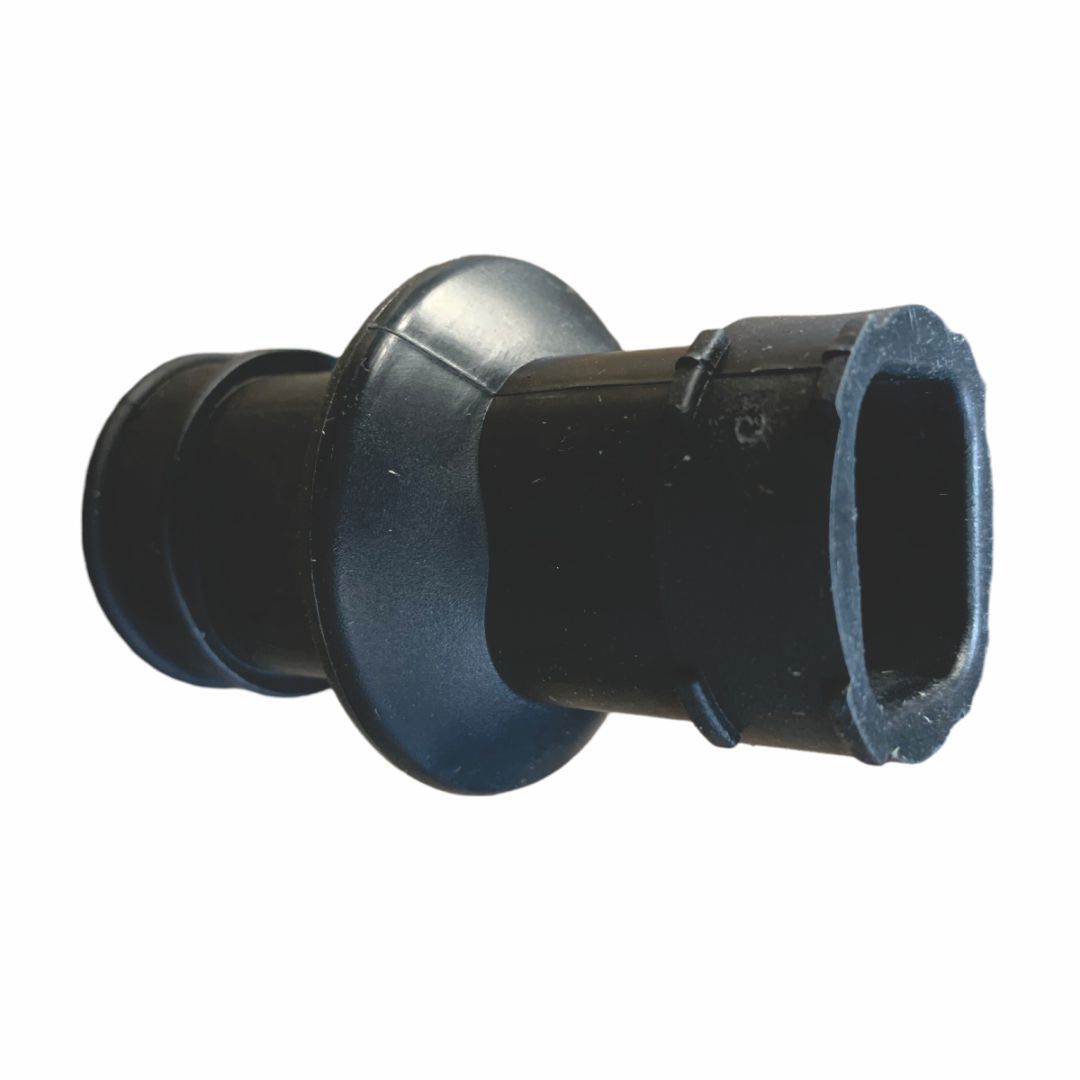
| Product Name | Livestock Nipple Drinker Pressure Regulator | ||||||||||||||||||||
| Product Image | 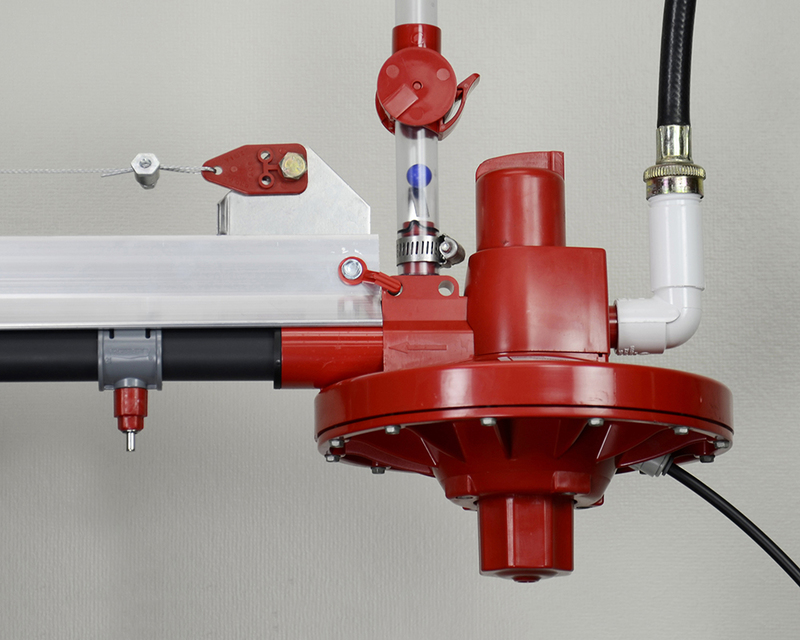 |
||||||||||||||||||||
| Product Overview | The Livestock Nipple Drinker Pressure Regulator is designed to reduce incoming water pressure and maintain a stable supply pressure for nipple drinking systems used in commercial poultry houses, pig farms and other livestock facilities. Correct pressure management is important for maintaining suitable nipple drinker flow, limiting unnecessary water loss and supporting consistent water availability along the drinking line. The regulator is normally installed between the main water supply and the nipple drinker pipeline, where it provides controlled low-pressure water delivery to the system. Depending on the selected configuration, the regulator can include an adjustment mechanism, pressure gauge or visual stand tube, water inlet and outlet connections, mounting components and flushing functions. Connection sizes and operating ranges can be selected according to project requirements. |
||||||||||||||||||||
| Key Features |
|
||||||||||||||||||||
| Structural Components | A typical nipple drinker pressure regulator may include:
|
||||||||||||||||||||
| Working Principle | Water from the farm supply system enters the regulator at a higher pressure. The internal pressure-reducing mechanism automatically restricts or opens the flow passage to produce a lower and more stable outlet pressure. The regulated water then enters the nipple drinking line. When animals activate the nipples, water is released while the regulator continuously compensates for changes in demand to help maintain suitable line pressure. Pressure can be adjusted according to animal age, drinking behavior, nipple type and water line configuration. Some livestock regulators also provide a flush position that increases water movement through the line during cleaning. |
||||||||||||||||||||
| Technical Specifications |
|
||||||||||||||||||||
| Applications |
|
||||||||||||||||||||
| Customization Options |
|
||||||||||||||||||||
| Installation & Maintenance | Install the regulator near the inlet of the nipple drinking line in a position that is accessible for pressure adjustment, inspection and maintenance. The regulator should be protected from animal impact and should not interfere with feeding, manure handling or other livestock equipment. The regulator should normally be positioned at approximately the same height as, or slightly above, the nipple water line when required by the selected drinking system design. This arrangement can help manage unwanted air in the water line. Connect the inlet to the filtered farm water supply and the outlet to the nipple drinking line using suitable hoses, pipes and fittings rated for the available supply pressure. After installation, slowly open the water supply and adjust the regulator to the required operating pressure. Routine maintenance should include checking pressure stability, inspecting seals and connections, cleaning the regulator and verifying that the adjustment and flushing functions operate correctly. Water lines should be flushed regularly as part of the farm drinking water hygiene program. |
||||||||||||||||||||
| Project Cases | Pressure regulators are commonly installed at the beginning of individual nipple drinking lines in commercial poultry and pig farms. Multiple regulators can be used in large livestock houses where several drinking lines or cage tiers require independent pressure control. For new pig farm construction and steel structure building projects, regulator quantity and configuration can be planned together with filters, medicators, nipple pipes, drinking nipples, flushing equipment and main water distribution pipelines. The final system configuration should be selected according to building dimensions, line length, water supply pressure, animal type and required drinking capacity. |
||||||||||||||||||||
| Product FAQ | Q: Why is a pressure regulator needed for nipple drinking lines? A: Nipple drinking systems normally require controlled low water pressure. The regulator reduces higher supply pressure and helps maintain consistent water delivery along the line. Q: Can the water pressure be adjusted? A: Yes. Adjustable configurations allow the working pressure to be changed according to animal age, nipple type and farm management requirements. Q: Can this regulator be used for both pigs and poultry? A: Yes. Suitable configurations can be used with poultry and swine nipple drinking systems when the pressure range, flow capacity and connections are correctly matched. Q: Is a pressure gauge available? A: Yes. Gauge-equipped or visual water-column configurations are available according to project requirements. Q: Can the regulator be used for flushing the drinking line? A: Flush-capable configurations are available. The exact flushing method depends on the selected regulator and drinking system design. Q: Can the connections be customized? A: Yes. Inlet and outlet connections, adapters and mounting components can be selected according to the farm water system. |
||||||||||||||||||||
| Product Gallery |   |
- Home
-
Products
- Pig Farming Equipment
- Cattle Farming Equipment
- Sheep & Goat Farming Equipment
- Poultry Farming Equipment
- Feeding & Drinking Systems
- Veterinary & Breeding Equipment
- Testing & Diagnostic Equipment
- Cleaning & Biosecurity Equipment
- Climate Control Equipment
- Livestock Weighing Equipment
- Manure & Waste Management
- Farm Transport & Handling
-
Solutions
- Pig Farm Solutions
- Dairy Farm Solutions
- Beef Cattle Farm Solutions
- Sheep & Goat Farm Solutions
- Layer Farm Solutions
- Broiler Farm Solutions
- Feeding & Drinking System Solutions
- Climate Control Solutions
- Biosecurity & Disinfection Solutions
- Manure & Waste Management
- Smart Farming Solutions
- Farm Renovation and Upgrade Solutions
- Partners
- Projects
- Resources
- News
- About Us
- Contact




Comments & Inquiries
Leave your questions or requirements below. We will reply as soon as possible.