




| Product Name | Low-Pressure Poultry Water Regulator | ||||||||||||||||||||
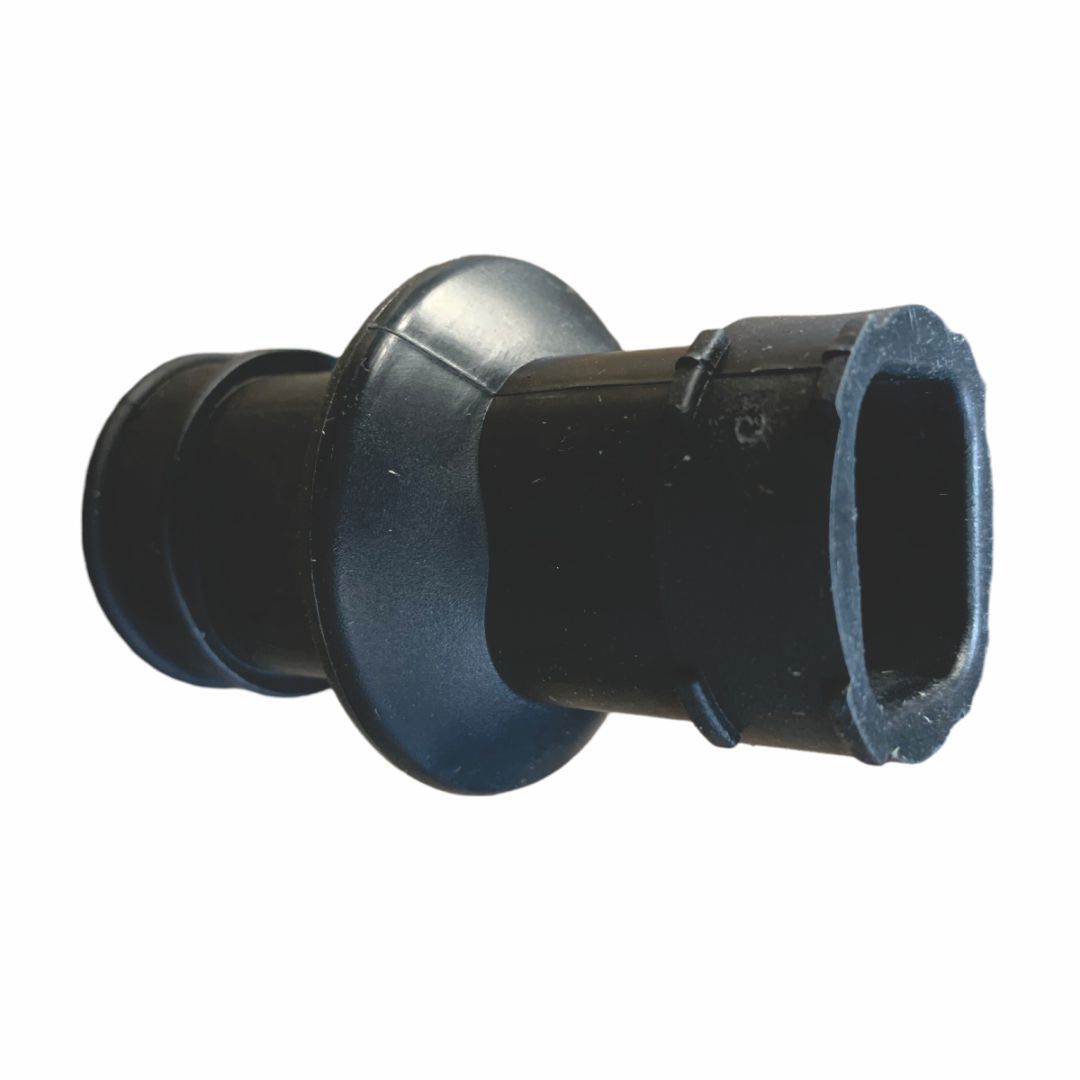
| Product Image |  |
||||||||||||||||||||
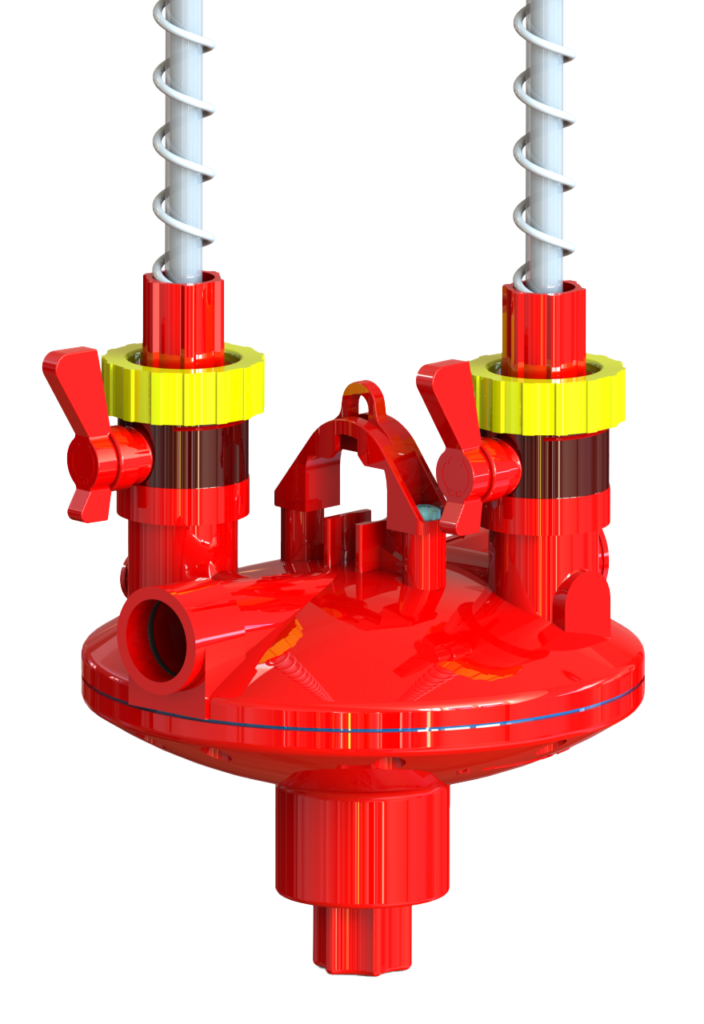
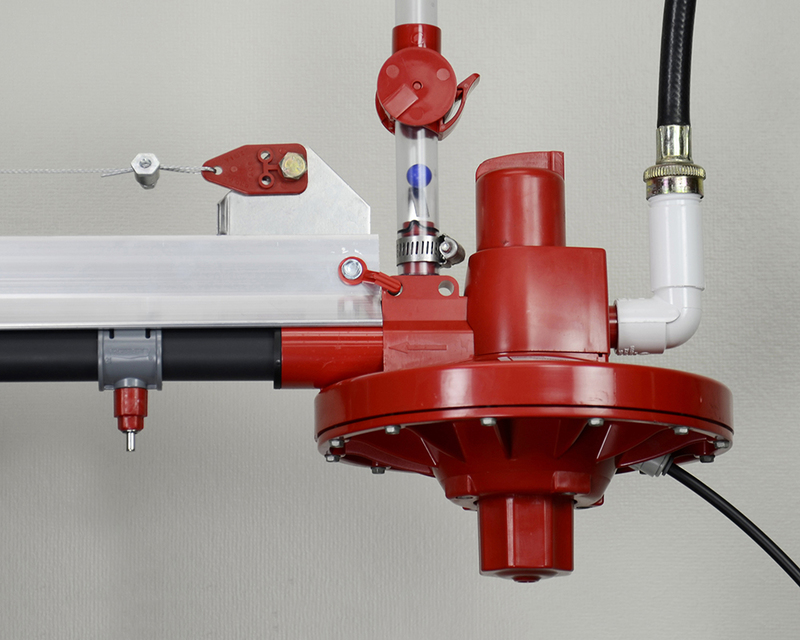
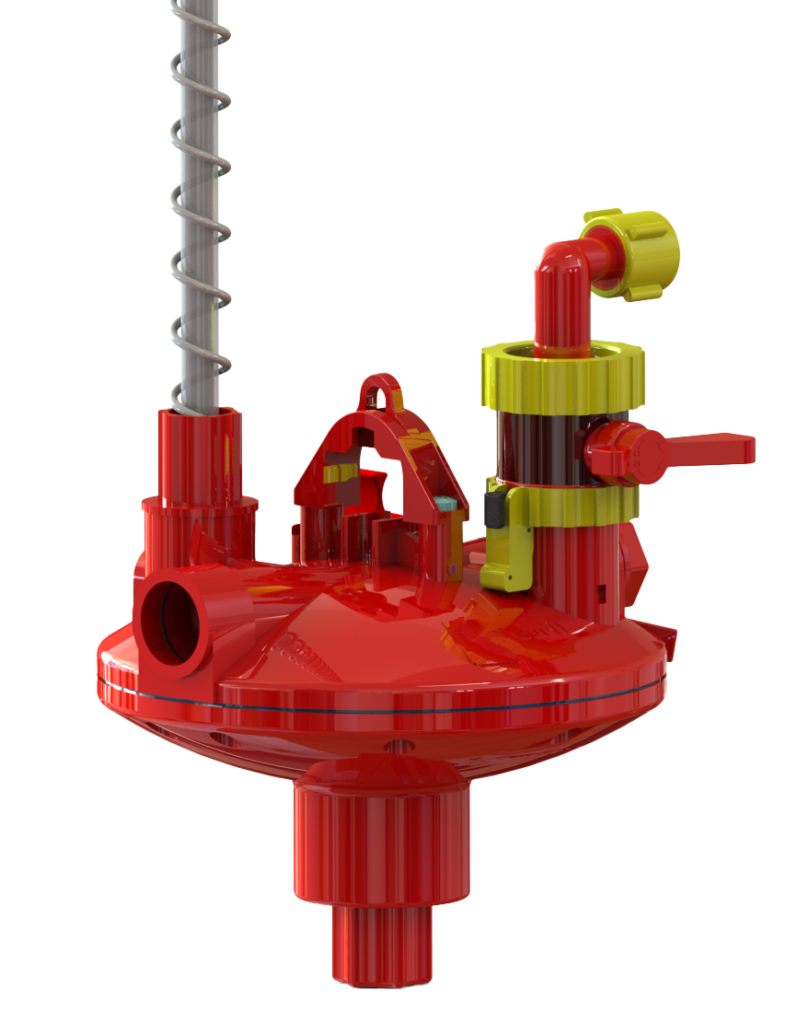
| Product Overview | The Low-Pressure Poultry Water Regulator is designed to reduce incoming water pressure and maintain a stable low-pressure supply for poultry nipple drinking lines. It is an important control component between the farm water supply and the drinking pipeline, helping provide consistent water availability throughout the poultry house. Stable pressure is especially important in commercial nipple drinking systems because excessive pressure may increase leakage and wet litter, while insufficient pressure may limit water availability. The regulator allows water pressure to be adjusted according to bird age, drinking line configuration and farm management requirements. The unit is suitable for broiler, layer, pullet and breeder houses and can be integrated into new livestock equipment installations, poultry farm renovation projects and steel structure building systems. |
||||||||||||||||||||
| Key Features |
|
||||||||||||||||||||
| Structural Components | Typical regulator construction may include:
|
||||||||||||||||||||
| Working Principle | Water from the farm supply system enters the regulator at a higher pressure. The internal pressure-reducing mechanism responds to the regulator setting and restricts the incoming flow until the required downstream pressure is achieved. The regulated water then enters the nipple drinking pipeline at a controlled low pressure. As birds activate the nipples and consume water, the regulator continuously responds to changes in demand to help maintain stable downstream conditions. Correct pressure regulation helps provide consistent nipple operation along the line and supports effective poultry drinking management. |
||||||||||||||||||||
| Technical Specifications |
|
||||||||||||||||||||
| Applications |
|
||||||||||||||||||||
| Customization Options |
|
||||||||||||||||||||
| Installation & Maintenance | Install the regulator at the beginning of the nipple drinking line or at the position specified in the water system design. Confirm the required water-flow direction before connecting the inlet and outlet. The incoming water supply should be filtered to reduce the risk of sediment entering the regulator and nipple drinkers. After installation, check all connections for leakage and adjust the downstream pressure according to bird age, nipple type and drinking-line requirements. During routine operation, inspect the regulator, gauge or water-level indicator, inlet filter and drinking line regularly. Flush the water line according to the farm hygiene program and verify that pressure remains uniform after cleaning or maintenance. For reference configurations, avoid exposing regulator materials to incompatible corrosive chemicals. Cleaning products should be selected according to the material compatibility requirements of the installed drinking system. |
||||||||||||||||||||
| Project Cases | Low-pressure regulators can be incorporated into complete nipple drinking systems for commercial poultry farms. Each drinking line or group of drinking lines can be equipped with pressure control components according to the house layout and water supply design. In large poultry projects, regulators can be supplied together with filters, medication or dosing equipment, drinking pipes, nipple drinkers, drip cups, suspension systems and flushing components. For new livestock equipment installations and steel structure building projects, regulator quantity and configuration can be selected according to building dimensions, drinking-line quantity and farm operating requirements. |
||||||||||||||||||||
| Product FAQ | Q: Why is a low-pressure regulator needed for poultry nipple drinking lines? A: Nipple drinkers operate best within an appropriate low-pressure range. A regulator reduces higher supply pressure and helps maintain stable downstream pressure for consistent drinking-line operation. Q: Can the regulator pressure be adjusted? A: Yes. Adjustable configurations allow operators to set water pressure according to bird age, nipple type and production requirements. Q: Where should the regulator be installed? A: It is normally installed at or near the head of the nipple drinking line after appropriate water treatment or filtration components. Q: Can it help reduce wet litter? A: Proper water pressure can help reduce excessive nipple discharge and leakage. Correct drinking-line height, nipple condition and bird management are also important for controlling wet litter. Q: Can the connection size be customized? A: Yes. Connection arrangements can be selected according to the drinking pipeline and project requirements. Q: Can regulators be supplied as part of a complete poultry water system? A: Yes. Pressure regulators can be supplied together with filtration units, nipple drinking lines, connectors, flushing assemblies and related livestock equipment. |
||||||||||||||||||||
| Product Gallery |  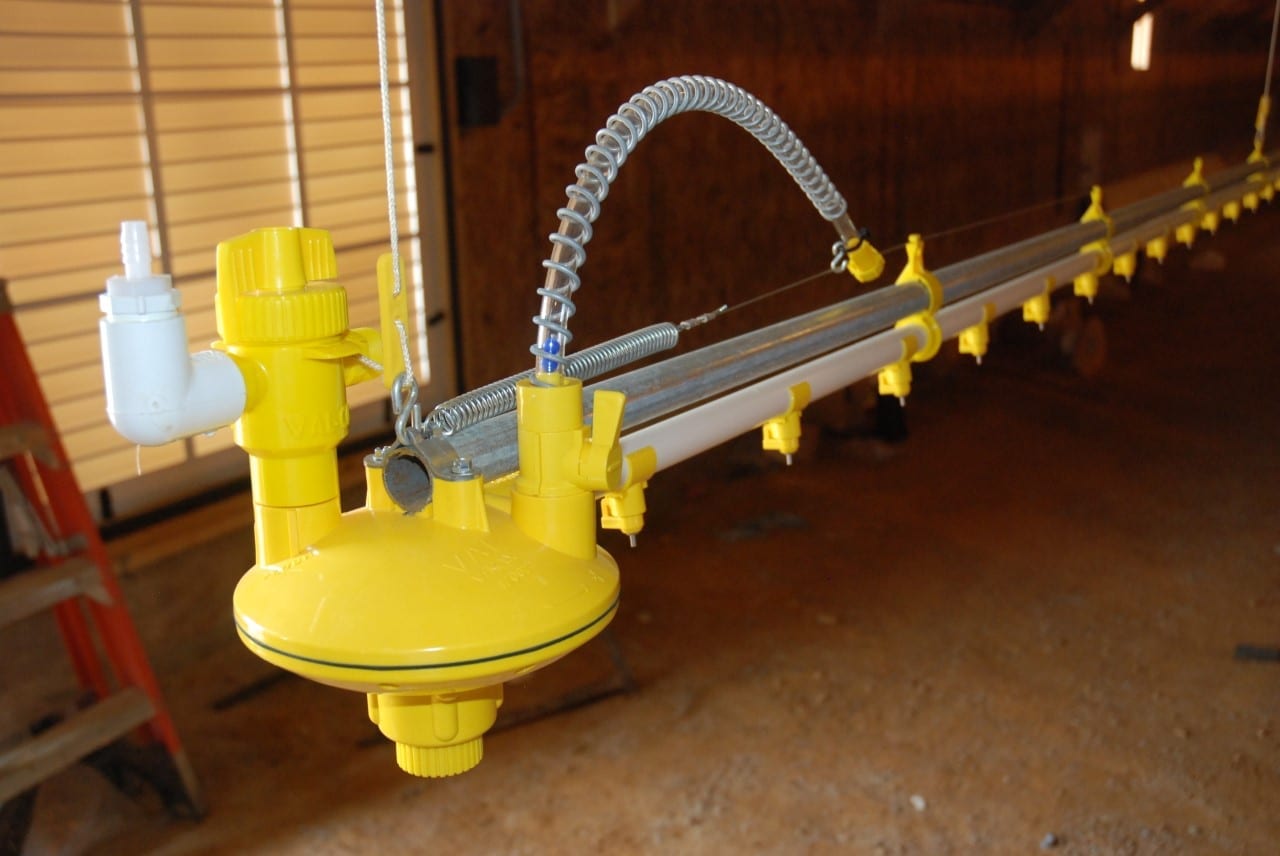 |
- Home
-
Products
- Pig Farming Equipment
- Cattle Farming Equipment
- Sheep & Goat Farming Equipment
- Poultry Farming Equipment
- Feeding & Drinking Systems
- Veterinary & Breeding Equipment
- Testing & Diagnostic Equipment
- Cleaning & Biosecurity Equipment
- Climate Control Equipment
- Livestock Weighing Equipment
- Manure & Waste Management
- Farm Transport & Handling
-
Solutions
- Pig Farm Solutions
- Dairy Farm Solutions
- Beef Cattle Farm Solutions
- Sheep & Goat Farm Solutions
- Layer Farm Solutions
- Broiler Farm Solutions
- Feeding & Drinking System Solutions
- Climate Control Solutions
- Biosecurity & Disinfection Solutions
- Manure & Waste Management
- Smart Farming Solutions
- Farm Renovation and Upgrade Solutions
- Partners
- Projects
- Resources
- News
- About Us
- Contact




Comments & Inquiries
Leave your questions or requirements below. We will reply as soon as possible.