
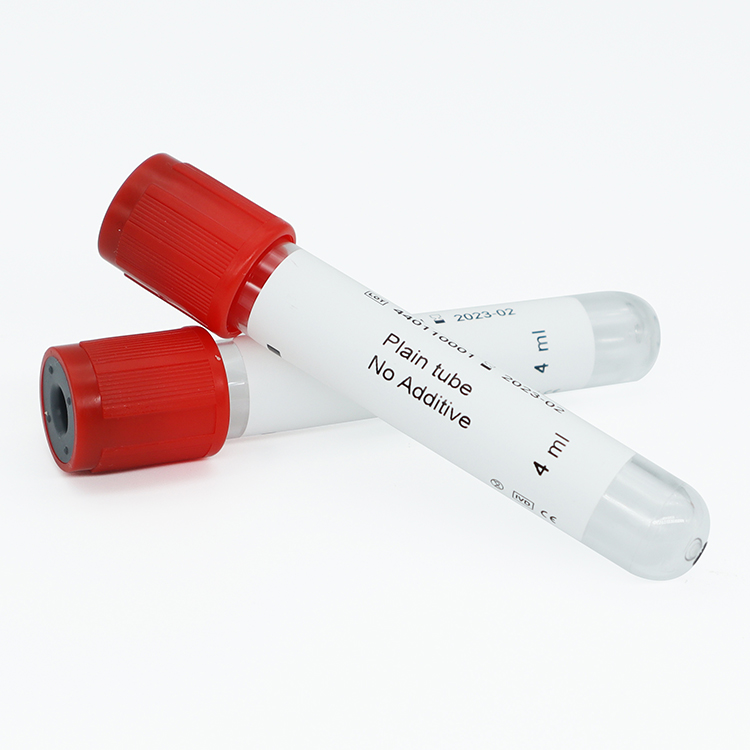

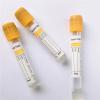

| Product Name | Veterinary ESR Blood Collection Tube | ||||||||||||||||||||||||||
| Product Image |  |
||||||||||||||||||||||||||
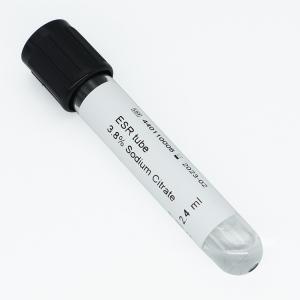
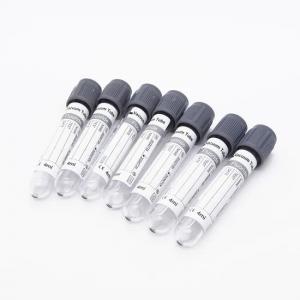
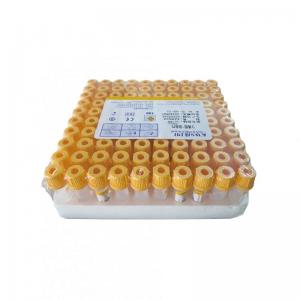
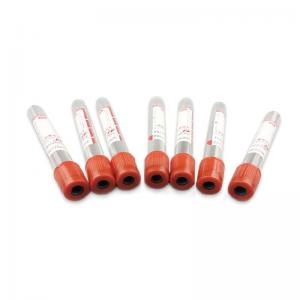
| Product Overview | The Veterinary ESR Blood Collection Tube is a vacuum specimen tube designed for erythrocyte sedimentation rate testing of anticoagulated whole blood. It contains sodium citrate anticoagulant and is commonly supplied with a black closure for rapid laboratory identification. The reference configuration uses 3.8% sodium citrate at a 1:4 citrate-to-blood ratio for Westergren ESR testing. The calibrated vacuum draws the intended blood volume into the tube, helping maintain the required relationship between anticoagulant and specimen. The tube is suitable for veterinary diagnostic laboratories, commercial livestock farms, breeding facilities, animal hospitals and herd health programs where ESR measurement is included in the applicable diagnostic protocol. Veterinary interpretation should always use species-appropriate laboratory procedures and reference values. |
||||||||||||||||||||||||||
| Key Features |
|
||||||||||||||||||||||||||
| Structural Components |
|
||||||||||||||||||||||||||
| Working Principle | During venous blood collection, the tube is inserted into a compatible holder after successful venipuncture. The internal vacuum draws blood through the collection needle until the intended volume is reached. Sodium citrate binds ionized calcium and temporarily inhibits the coagulation process. For ESR testing, the correct citrate-to-blood ratio is important because incorrect filling can alter sedimentation behavior and affect the validity of the result. After collection, the tube should be gently inverted according to the applicable laboratory procedure to ensure uniform mixing of the anticoagulant and blood. The prepared whole blood sample can then be analyzed using a compatible Westergren ESR method or suitable automated ESR analyzer. |
||||||||||||||||||||||||||
| Technical Specifications |
|
||||||||||||||||||||||||||
| Applications |
|
||||||||||||||||||||||||||
| Customization Options |
|
||||||||||||||||||||||||||
| Use & Handling | Select the required tube size according to the veterinary laboratory procedure and expected blood sample volume. Inspect the tube before use and do not use it if the tube is cracked, the closure is loose or the vacuum integrity is questionable. Perform venipuncture using a compatible veterinary blood collection needle and appropriate animal restraint. Insert the tube into the holder and allow the vacuum to draw blood until filling is complete. Correct filling is particularly important for sodium citrate tubes because the anticoagulant-to-blood ratio affects test accuracy. Underfilled or overfilled specimens may not be suitable for reliable ESR analysis. After collection, gently invert the tube several times according to the applicable tube and laboratory instructions. Do not shake vigorously. Samples should be identified, stored and analyzed according to the veterinary laboratory's validated ESR procedure. Used tubes and blood collection components should be discarded according to local veterinary biohazard and sharps-disposal regulations. |
||||||||||||||||||||||||||
| Product FAQ | What is an ESR blood collection tube used for? It is designed to collect anticoagulated whole blood for erythrocyte sedimentation rate testing. What anticoagulant is used in the reference ESR tube? The reference configuration uses 3.8% sodium citrate. What is the citrate-to-blood ratio? A common Westergren ESR configuration uses one part sodium citrate to four parts blood. Why is the correct fill volume important? The intended fill volume maintains the required anticoagulant-to-blood ratio. Incorrect filling can alter specimen characteristics and affect the reliability of the ESR result. Why does an ESR tube commonly have a black cap? Black closures are widely used to identify ESR sodium citrate tubes and help laboratory staff distinguish them from other specimen tube types. Can this tube be used for veterinary samples? Yes, when the veterinary laboratory uses a validated ESR procedure for the relevant animal species. Interpretation should always follow species-specific diagnostic protocols. |
||||||||||||||||||||||||||
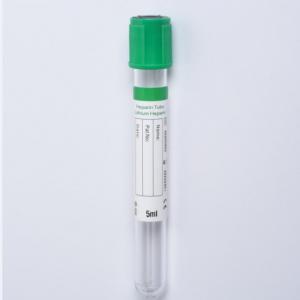
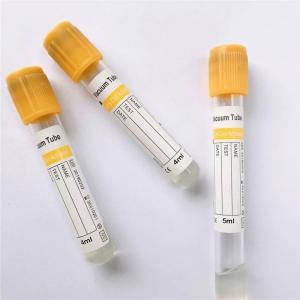
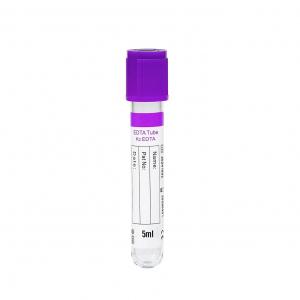
| Product Gallery |  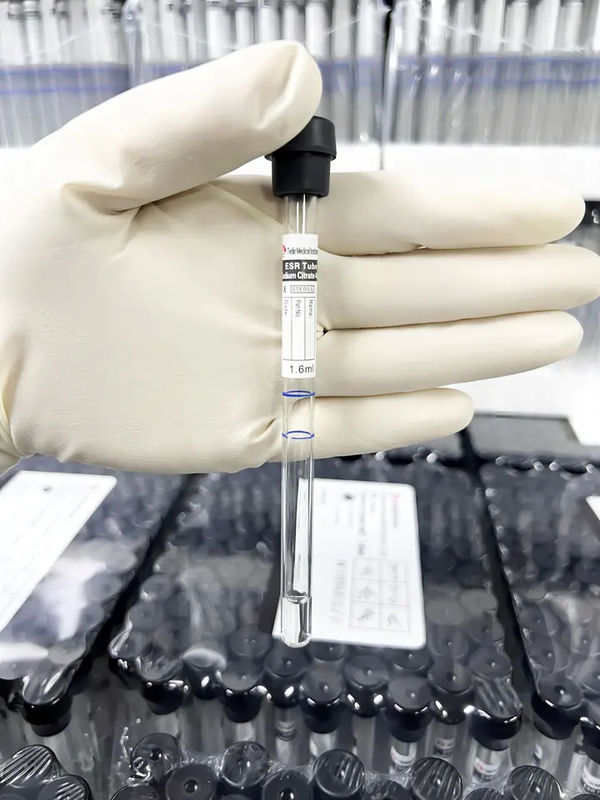 |
- Home
-
Products
- Pig Farming Equipment
- Cattle Farming Equipment
- Sheep & Goat Farming Equipment
- Poultry Farming Equipment
- Feeding & Drinking Systems
- Veterinary & Breeding Equipment
- Testing & Diagnostic Equipment
- Cleaning & Biosecurity Equipment
- Climate Control Equipment
- Livestock Weighing Equipment
- Manure & Waste Management
- Farm Transport & Handling
-
Solutions
- Pig Farm Solutions
- Dairy Farm Solutions
- Beef Cattle Farm Solutions
- Sheep & Goat Farm Solutions
- Layer Farm Solutions
- Broiler Farm Solutions
- Feeding & Drinking System Solutions
- Climate Control Solutions
- Biosecurity & Disinfection Solutions
- Manure & Waste Management
- Smart Farming Solutions
- Farm Renovation and Upgrade Solutions
- Partners
- Projects
- Resources
- News
- About Us
- Contact
Comments & Inquiries
Leave your questions or requirements below. We will reply as soon as possible.