
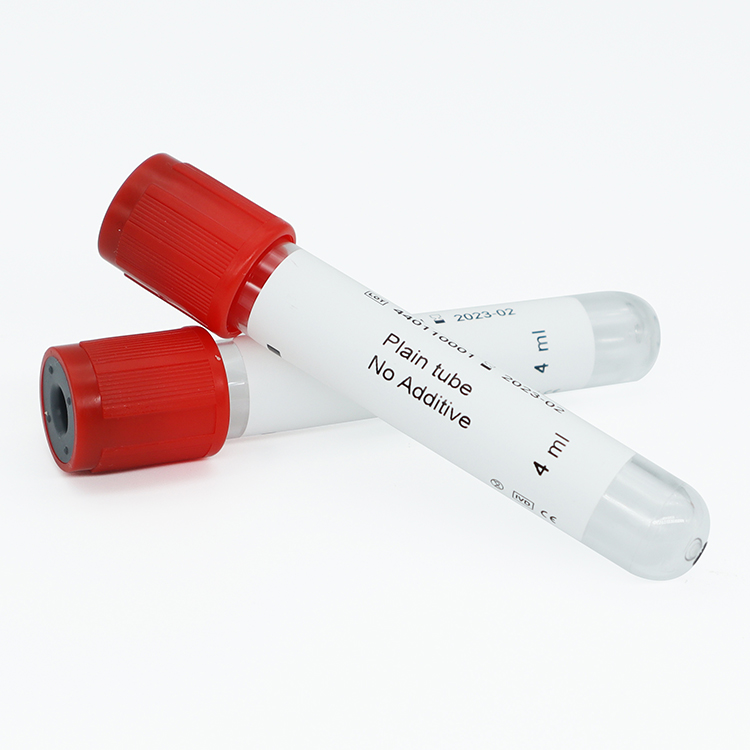



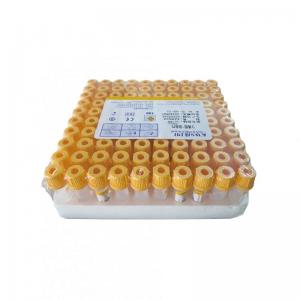
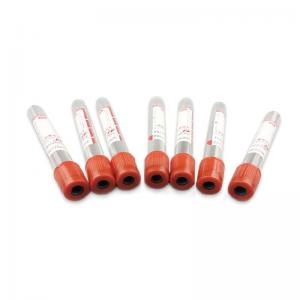
| Product Name | Veterinary Heparin Vacuum Blood Collection Tube | ||||||||||||||||||||||||
| Product Image |  |
||||||||||||||||||||||||
| Product Overview | The Veterinary Heparin Vacuum Blood Collection Tube is designed for collecting anticoagulated whole blood and preparing plasma samples for veterinary chemistry and biochemical testing. The tube is typically coated with lithium heparin or sodium heparin, which helps prevent clot formation during specimen collection and processing. A pre-set internal vacuum draws a defined quantity of blood into the tube when used with a compatible veterinary blood collection needle and holder. The green closure provides rapid visual identification of the heparin tube category and helps simplify sample sorting in veterinary clinics, diagnostic laboratories and commercial livestock operations. The product is suitable for cattle, pigs, goat-farming-equipment/" target="_blank" class="keylink">sheep, goats, horses and other animals where plasma-based laboratory testing is required. It can support routine herd health monitoring, metabolic assessment, biochemical profiling and veterinary diagnostic programs. |
||||||||||||||||||||||||
| Key Features |
|
||||||||||||||||||||||||
| Structural Components |
|
||||||||||||||||||||||||
| Working Principle | The tube contains a controlled internal vacuum. After successful venipuncture, a compatible double-ended collection needle penetrates the tube stopper. The pressure difference automatically draws blood into the tube until the designed fill volume is reached. Heparin acts as an anticoagulant by enhancing the activity of antithrombin and interfering with the coagulation cascade. This helps prevent clot formation and allows whole blood or plasma to be used for appropriate laboratory testing. After collection, the tube should be gently inverted according to the applicable product instructions to ensure complete contact between the blood and anticoagulant. For plasma testing, the specimen can then be centrifuged according to laboratory procedures. |
||||||||||||||||||||||||
| Technical Specifications |
|
||||||||||||||||||||||||
| Applications |
|
||||||||||||||||||||||||
| Customization Options |
|
||||||||||||||||||||||||
| Use & Handling | Select a suitable tube capacity and blood collection needle according to the animal species, vein size and laboratory test requirements. Inspect the tube and closure before use and do not use a tube with visible damage or compromised vacuum integrity. Perform venipuncture using appropriate veterinary restraint and aseptic technique. Insert the vacuum tube into the compatible holder and allow blood to flow until the intended fill volume is reached. After collection, gently invert the tube several times according to the applicable product instructions to ensure proper mixing of blood with the heparin additive. Avoid vigorous shaking because excessive agitation may affect sample quality. For plasma analysis, centrifuge and separate the sample according to laboratory procedures and the requirements of the intended test. Store and transport collected specimens according to laboratory guidelines. Used tubes, needles and contaminated materials should be discarded according to local veterinary biohazard and sharps-disposal regulations. |
||||||||||||||||||||||||
| Product FAQ | What is a veterinary heparin blood collection tube used for? It is mainly used to collect anticoagulated blood for plasma chemistry, biochemical analysis and other laboratory tests that require plasma rather than serum. What type of heparin can be used in the tube? Depending on the configuration, the tube may contain lithium heparin or sodium heparin. Why is the closure green? Green closures are commonly used to identify blood collection tubes containing heparin anticoagulant. Can this tube be used for cattle and pigs? Yes. Appropriate heparin vacuum tubes can be used for cattle, pigs, sheep, goats, horses and other animals when the correct draw volume and veterinary sampling procedure are selected. What is the difference between a heparin tube and an EDTA tube? Heparin tubes are commonly used for plasma chemistry and biochemical testing, while EDTA tubes are primarily used for hematology and blood cell analysis. Can the tube be supplied with a plasma separation gel? Yes. Heparin tubes with a polymer gel separator can be supplied according to laboratory and project requirements. |
||||||||||||||||||||||||
| Product Gallery | 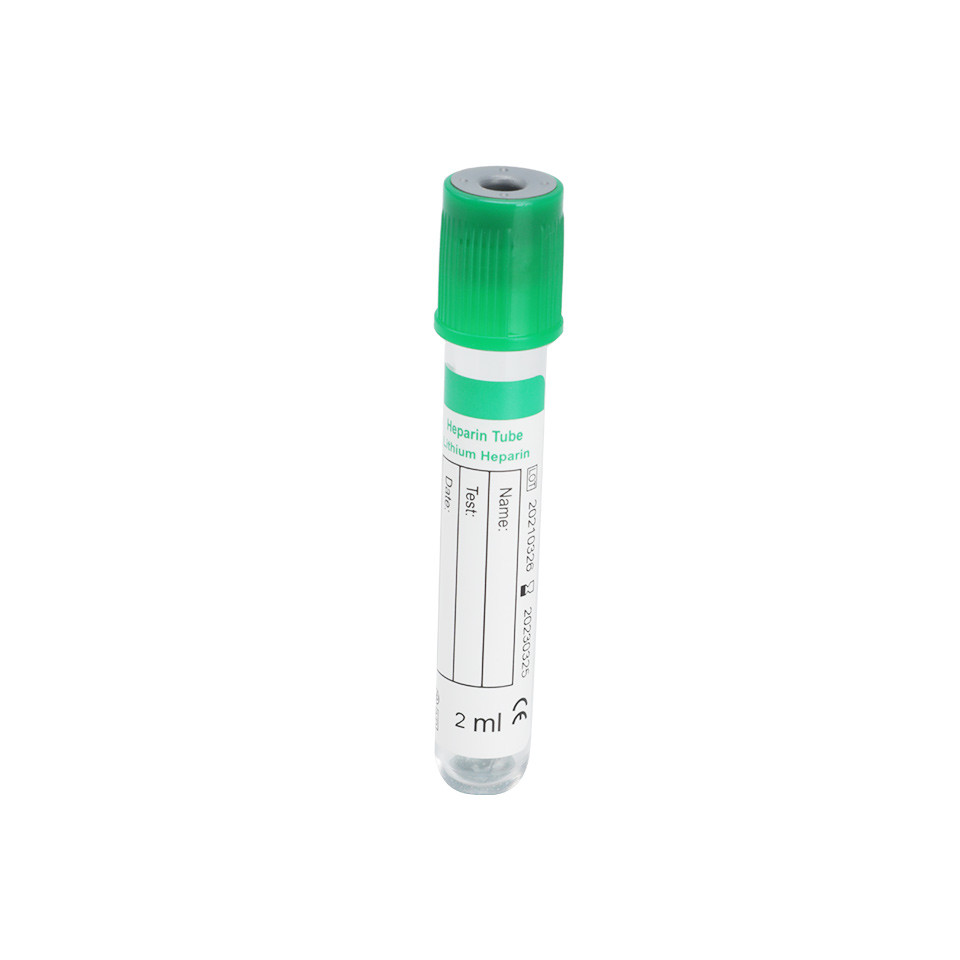  |
- Home
-
Products
- Pig Farming Equipment
- Cattle Farming Equipment
- Sheep & Goat Farming Equipment
- Poultry Farming Equipment
- Feeding & Drinking Systems
- Veterinary & Breeding Equipment
- Testing & Diagnostic Equipment
- Cleaning & Biosecurity Equipment
- Climate Control Equipment
- Livestock Weighing Equipment
- Manure & Waste Management
- Farm Transport & Handling
-
Solutions
- Pig Farm Solutions
- Dairy Farm Solutions
- Beef Cattle Farm Solutions
- Sheep & Goat Farm Solutions
- Layer Farm Solutions
- Broiler Farm Solutions
- Feeding & Drinking System Solutions
- Climate Control Solutions
- Biosecurity & Disinfection Solutions
- Manure & Waste Management
- Smart Farming Solutions
- Farm Renovation and Upgrade Solutions
- Partners
- Projects
- Resources
- News
- About Us
- Contact

Comments & Inquiries
Leave your questions or requirements below. We will reply as soon as possible.