

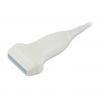
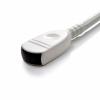
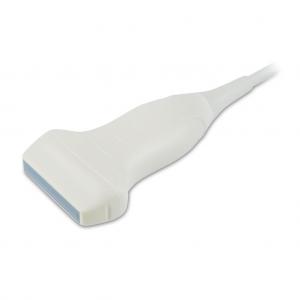
| Product Name | High-Frequency Linear Veterinary Ultrasound Probe | ||||||||||||||||
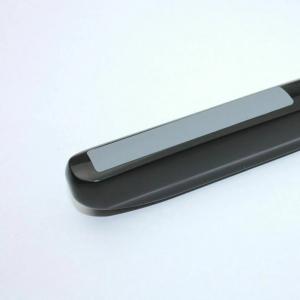
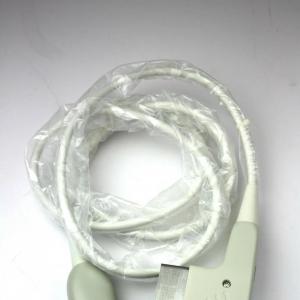
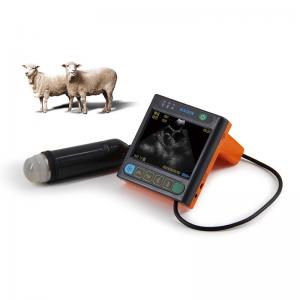
| Product Image | 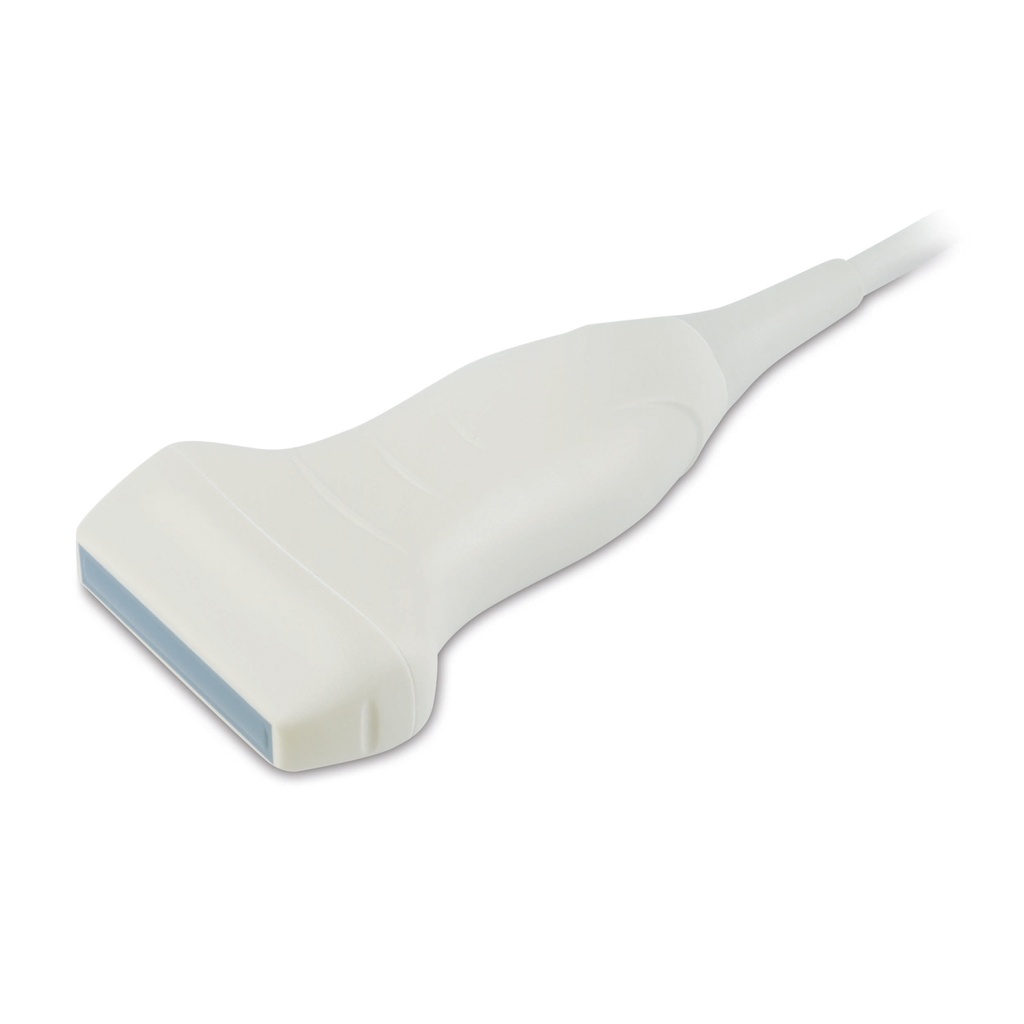 |
||||||||||||||||
| Product Overview | The High-Frequency Linear Veterinary Ultrasound Probe is designed for veterinary examinations requiring detailed visualization of superficial anatomical structures. Its linear-array scanning format produces a rectangular image field that is particularly suitable for evaluating tendons, ligaments, muscles, superficial soft tissues and other structures located close to the body surface. The probe can be used with compatible veterinary ultrasound systems in animal hospitals, breeding operations, livestock farms, equine facilities and mobile veterinary services. Probe frequency, connector type and system compatibility can be configured according to project requirements. |
||||||||||||||||
| Key Features | High-Resolution Superficial Imaging: High-frequency operation is suitable for detailed observation of shallow tissues and fine anatomical structures. Linear-Array Imaging: Provides a rectangular scanning field that is convenient for tendon, muscle, ligament and superficial soft-tissue examinations. Veterinary-Oriented Design: Suitable for diagnostic applications involving livestock, horses, companion animals and other veterinary patients. Ergonomic Handpiece: Designed for stable positioning and convenient handling during routine examinations. Flexible System Matching: Frequency range, connector configuration and compatible ultrasound platform are available according to equipment requirements. Easy Routine Cleaning: Smooth external surfaces facilitate regular cleaning and disinfection required in veterinary working environments. |
||||||||||||||||
| Structural Components | Linear Transducer Array: Generates the ultrasound beam and receives returning echoes for image formation. Acoustic Lens: Provides the contact surface between the probe and the examination area when used with ultrasound coupling gel. Probe Housing: Protects internal transducer components while providing a practical handheld form. Signal Cable: Transfers electrical and ultrasound signal data between the transducer and ultrasound scanner. System Connector: Connector configuration is selected according to the compatible veterinary ultrasound platform. |
||||||||||||||||
| Working Principle | The linear transducer contains multiple piezoelectric elements arranged in a straight array. During scanning, the ultrasound system activates groups of elements to transmit high-frequency sound waves into the tissue. Reflected echoes are received by the probe and processed by the ultrasound scanner to produce real-time diagnostic images. Compared with lower-frequency transducers used for deeper abdominal imaging, high-frequency linear probes are generally selected when greater detail is required in structures located relatively close to the body surface. |
||||||||||||||||
| Technical Specifications |
|
||||||||||||||||
| Applications | Equine Tendon and Ligament Examination: Suitable for detailed evaluation of superficial tendons, ligaments and associated soft tissues. Musculoskeletal Ultrasound: Used for examination of muscles, joints and other superficial musculoskeletal structures. Superficial Soft-Tissue Imaging: Suitable for veterinary examinations where detailed near-field imaging is required. Livestock Veterinary Services: Can support diagnostic work in cattle, goat-farming-equipment/" target="_blank" class="keylink">sheep, goats, pigs and other farm animals when a compatible scanning application is required. Companion Animal Imaging: Suitable for selected superficial and small-parts examinations in dogs, cats and other animals. Mobile Veterinary Work: Can be integrated with compatible portable ultrasound equipment for farm and field examinations. |
||||||||||||||||
| Customization Options | Probe configurations can be selected according to veterinary examination requirements and ultrasound equipment compatibility. Available options may include: • Frequency configuration according to project requirements • Ultrasound system connector matching • Cable configuration available upon request • Probe configuration for livestock, equine or companion animal applications • OEM and project procurement support available upon request Customers are recommended to provide the ultrasound scanner brand, model and required veterinary application before ordering so that probe compatibility can be confirmed. |
||||||||||||||||
| Installation & Maintenance | Before installation, confirm that the transducer connector and probe specification are compatible with the ultrasound scanner. With the ultrasound system powered down or according to the scanner manufacturer's operating procedure, insert the probe connector securely into the designated transducer port. Select the corresponding probe type and veterinary examination preset after system startup. Apply suitable ultrasound coupling gel to the scanning area before examination. Avoid excessive bending, twisting or pulling of the probe cable. After use, remove residual gel and clean the probe using cleaning and disinfection methods compatible with the probe material. Do not immerse the connector or non-immersible portions of the probe unless specifically permitted by the equipment instructions. |
||||||||||||||||
| Project Cases | This type of veterinary linear ultrasound transducer can be supplied as part of ultrasound equipment projects for livestock farms, veterinary clinics, breeding centers, equine facilities, agricultural service companies, distributors and animal-health equipment procurement programs. Probe configuration can be matched to different veterinary ultrasound platforms according to project requirements. |
||||||||||||||||
| Product FAQ | Q: What is a high-frequency linear veterinary ultrasound probe mainly used for? A: It is mainly used for high-detail imaging of superficial anatomical structures such as tendons, ligaments, muscles and other shallow soft tissues. Q: Can the probe be used for equine tendon examinations? A: Linear-array transducers are commonly used for equine tendon, ligament and other superficial musculoskeletal examinations. Q: Is the probe suitable for cattle or pig farms? A: It can be used for appropriate superficial veterinary examinations in livestock when matched with a compatible ultrasound scanner and suitable examination protocol. Q: Can it connect to any veterinary ultrasound machine? A: No. Probe connectors, electronics and supported frequency ranges vary between ultrasound systems. The scanner brand and model should be confirmed before ordering. Q: Can frequency and connector specifications be customized? A: Available configurations depend on the compatible ultrasound platform. Customizable options can be supplied according to project requirements. |
||||||||||||||||
| Product Gallery | 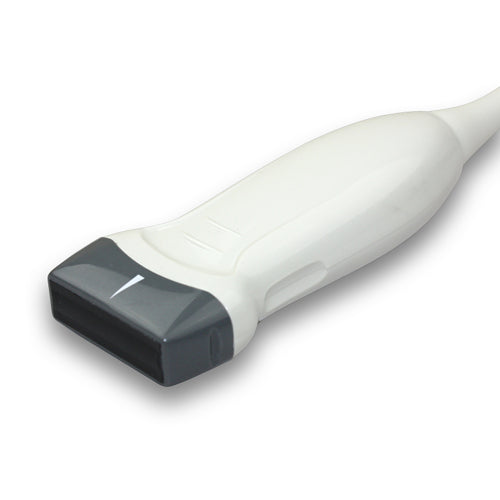 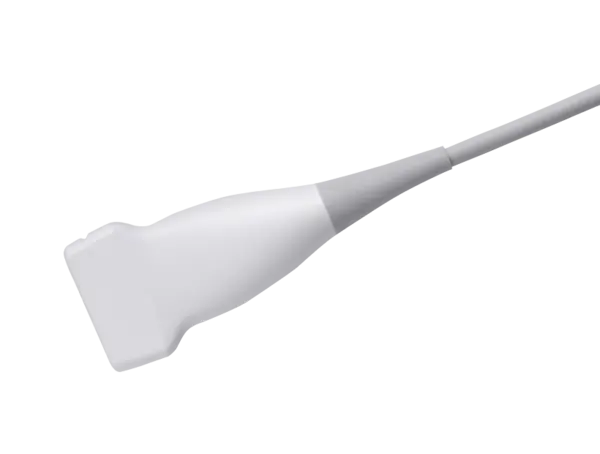 |
- Home
-
Products
- Pig Farming Equipment
- Cattle Farming Equipment
- Sheep & Goat Farming Equipment
- Poultry Farming Equipment
- Feeding & Drinking Systems
- Veterinary & Breeding Equipment
- Testing & Diagnostic Equipment
- Cleaning & Biosecurity Equipment
- Climate Control Equipment
- Livestock Weighing Equipment
- Manure & Waste Management
- Farm Transport & Handling
-
Solutions
- Pig Farm Solutions
- Dairy Farm Solutions
- Beef Cattle Farm Solutions
- Sheep & Goat Farm Solutions
- Layer Farm Solutions
- Broiler Farm Solutions
- Feeding & Drinking System Solutions
- Climate Control Solutions
- Biosecurity & Disinfection Solutions
- Manure & Waste Management
- Smart Farming Solutions
- Farm Renovation and Upgrade Solutions
- Partners
- Projects
- Resources
- News
- About Us
- Contact

Comments & Inquiries
Leave your questions or requirements below. We will reply as soon as possible.