

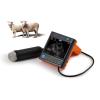
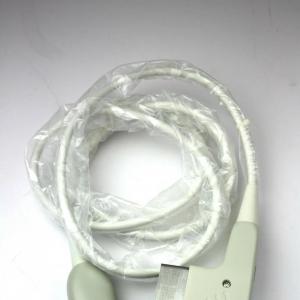
| Product Name | Micro-Convex Veterinary Ultrasound Probe | ||||||||||||||||||||||
| Product Image |  |
||||||||||||||||||||||
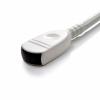
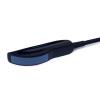
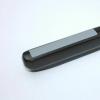
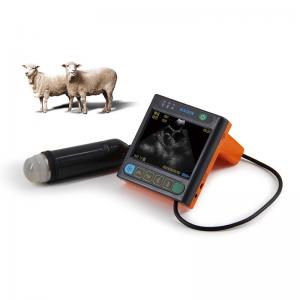
| Product Overview | The Micro-Convex Veterinary Ultrasound Probe is an electronic array transducer designed for diagnostic imaging where a compact acoustic window and wide sector field are required. Its small curved scanning surface makes it especially suitable for small animals, young livestock, abdominal examinations, reproductive evaluation, and selected cardiac or intercostal imaging applications. Compared with a standard convex transducer, the micro-convex design provides a smaller contact footprint, allowing easier positioning between ribs and on compact anatomical regions while retaining useful penetration depth. Veterinary micro-convex probes are commonly used with portable and cart-based ultrasound systems in animal hospitals, breeding centers, livestock farms, mobile veterinary services, and agricultural projects. |
||||||||||||||||||||||
| Key Features |
|
||||||||||||||||||||||
| Structural Components |
|
||||||||||||||||||||||
| Working Principle / Structural Principle | The micro-convex probe contains multiple piezoelectric elements arranged along a compact curved surface. The ultrasound system activates groups of these elements electronically to transmit focused acoustic pulses into the animal body. Echoes reflected from organs, tissues, fluids, and anatomical interfaces return to the transducer and are converted into electrical signals. The ultrasound scanner processes these signals into real-time images. Because the array surface is curved, the scan field expands with depth, providing a sector-shaped image while maintaining a relatively small skin-contact area. This combination is useful for veterinary examinations where access space is limited but sufficient abdominal or internal-organ coverage is still required. |
||||||||||||||||||||||
| Technical Specifications |
|
||||||||||||||||||||||
| Applications |
|
||||||||||||||||||||||
| Customization Options | Probe configuration should be matched to the ultrasound platform, animal species, target examination depth, and veterinary workflow. Available options may include frequency range, curvature radius, cable length, system connector, probe housing configuration, protective accessories, transport packaging, and complete probe combinations. Compatibility with the customer's existing ultrasound system should be confirmed before procurement. Customized configurations are available according to project requirements. |
||||||||||||||||||||||
| Installation & Maintenance | Before connection, verify that the probe model and connector are compatible with the veterinary ultrasound scanner. Connect the probe securely while the system is in the appropriate operating state according to the equipment manufacturer's instructions. Apply suitable veterinary ultrasound coupling gel to the acoustic surface during examination. Avoid dropping the probe, striking the acoustic lens, sharply bending the cable, or pulling the connector by the cable. After use, remove coupling gel and clean or disinfect the probe with compatible products according to manufacturer instructions. Avoid immersion unless the specific probe is rated for immersion. Store the probe in a dedicated holder or protective case with the cable loosely arranged. |
||||||||||||||||||||||
| Project Cases | Micro-Convex Veterinary Ultrasound Probes can be supplied as replacement transducers, optional examination probes, or components of complete veterinary ultrasound packages for animal hospitals, mixed veterinary practices, breeding centers, livestock farms, diagnostic service providers, and equipment distributors. For complete veterinary imaging projects, micro-convex probes can be combined with portable ultrasound scanners, convex probes, linear probes, rectal probes, carrying cases, probe holders, ultrasound gel, examination tables, and related diagnostic accessories according to project requirements. |
||||||||||||||||||||||
| Product FAQ | Q: What is a micro-convex veterinary ultrasound probe? A: It is an electronic curved-array transducer with a smaller contact surface than a conventional convex probe, designed to provide sector-format imaging through restricted acoustic windows. Q: What animals is a micro-convex probe suitable for? A: It is commonly used for dogs, cats, young livestock, sheep, goats, and other animals where a compact probe footprint is useful. Q: What is the main advantage over a standard convex probe? A: The smaller contact surface makes positioning easier on small animals and between ribs while still providing a widening field of view at greater depth. Q: Can it be used for pregnancy examinations? A: Yes. Compatible micro-convex probes can be used for reproductive and pregnancy examinations in suitable animal species. Q: Are different frequencies available? A: Yes. Multi-frequency micro-convex probes are available, with exact frequency ranges depending on the selected model and ultrasound platform. Q: Can I connect the probe to any veterinary ultrasound scanner? A: No. Probe electronics and connectors are system-specific. Compatibility should be confirmed before ordering. Q: Can probe specifications be customized for commercial projects? A: Yes. Frequency, connector, cable, accessory, packaging, and complete ultrasound probe configurations can be supplied according to project requirements. |
||||||||||||||||||||||
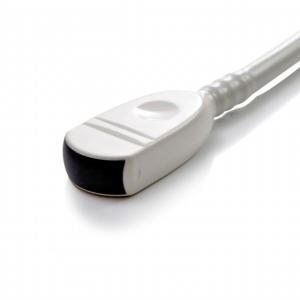
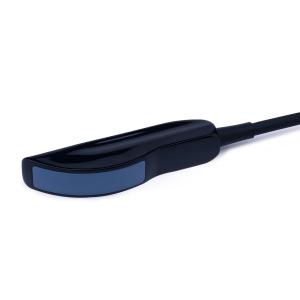
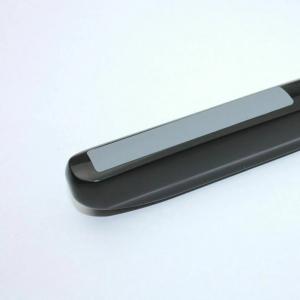
| Product Gallery |   |
- Home
-
Products
- Pig Farming Equipment
- Cattle Farming Equipment
- Sheep & Goat Farming Equipment
- Poultry Farming Equipment
- Feeding & Drinking Systems
- Veterinary & Breeding Equipment
- Testing & Diagnostic Equipment
- Cleaning & Biosecurity Equipment
- Climate Control Equipment
- Livestock Weighing Equipment
- Manure & Waste Management
- Farm Transport & Handling
-
Solutions
- Pig Farm Solutions
- Dairy Farm Solutions
- Beef Cattle Farm Solutions
- Sheep & Goat Farm Solutions
- Layer Farm Solutions
- Broiler Farm Solutions
- Feeding & Drinking System Solutions
- Climate Control Solutions
- Biosecurity & Disinfection Solutions
- Manure & Waste Management
- Smart Farming Solutions
- Farm Renovation and Upgrade Solutions
- Partners
- Projects
- Resources
- News
- About Us
- Contact

Comments & Inquiries
Leave your questions or requirements below. We will reply as soon as possible.