

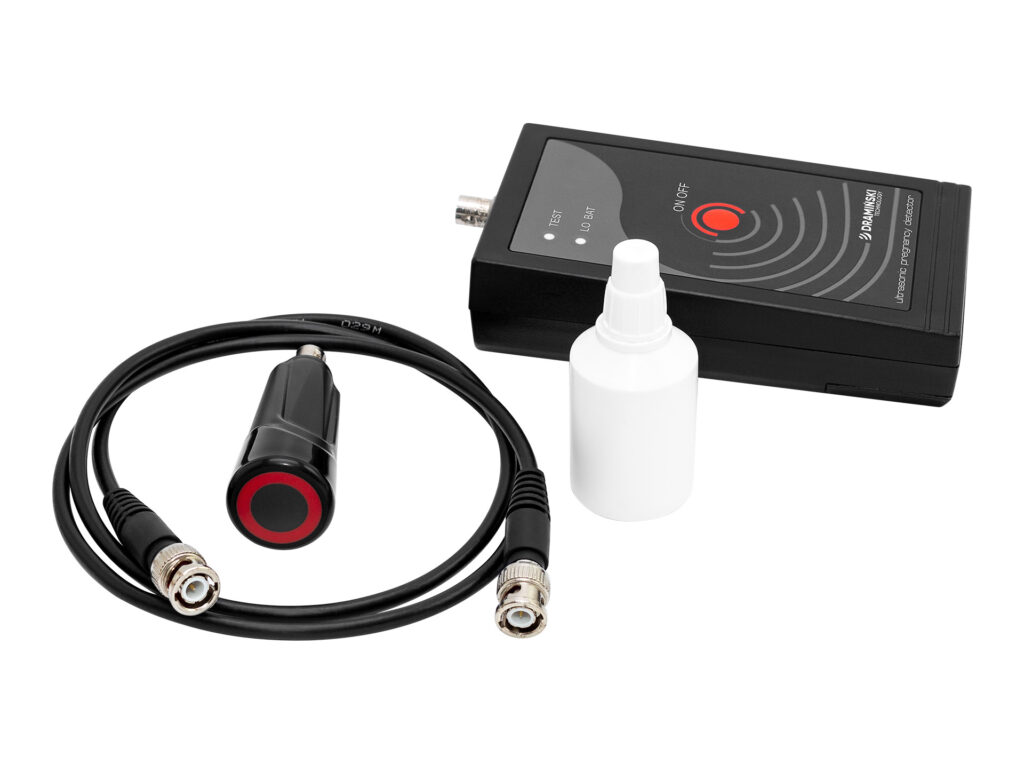
| Product Name | Ultrasonic Pregnancy Detector for Sheep and Goats | ||||||||||||||||||||||||||||||||||
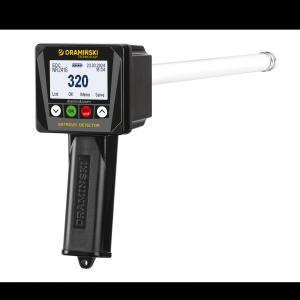
| Product Image | 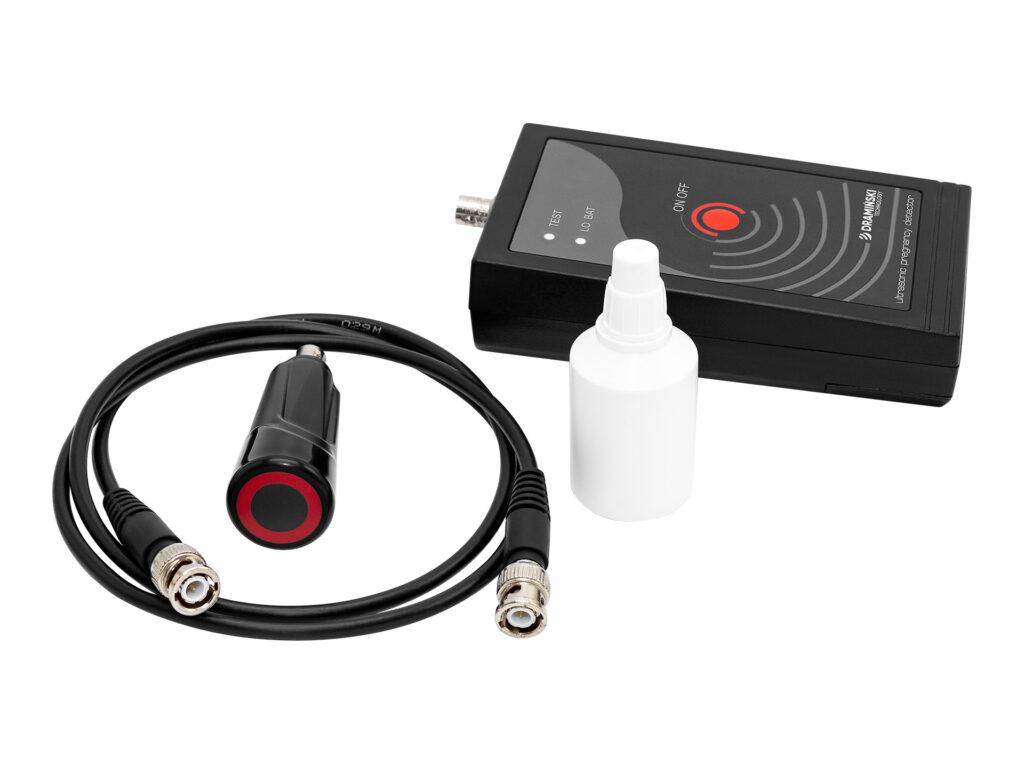 |
||||||||||||||||||||||||||||||||||
| Product Overview | The Ultrasonic Pregnancy Detector for Sheep and Goats is a compact livestock reproduction instrument designed for fast on-farm pregnancy detection in small ruminants. It uses ultrasonic reflection to identify fluid-filled uterine structures associated with pregnancy and converts the detected signal into an easy-to-interpret audible indication. The detector is intended for goat-farming-equipment/" target="_blank" class="keylink">sheep farms, goat farms, breeding centers, veterinary services, artificial insemination programs and commercial livestock operations where rapid separation of pregnant and non-pregnant females can improve reproductive management. Its lightweight handheld construction, external probe and battery-powered operation make the unit suitable for routine examination in barns, handling areas and field conditions without requiring a full imaging ultrasound scanner. |
||||||||||||||||||||||||||||||||||
| Key Features | Ultrasonic Pregnancy Detection: Uses reflected ultrasound to detect fluid-filled uterine structures associated with pregnancy. Designed for Sheep and Goats: Dedicated configuration for pregnancy testing in ewes and does. Early Reproductive Management: Helps identify pregnant and non-pregnant females earlier in the production cycle so animals can be grouped and managed appropriately. Simple Acoustic Indication: The audible signal changes when the probe detects the characteristic ultrasonic reflection associated with amniotic fluid. Compact Portable Design: Lightweight handheld construction supports routine use throughout commercial sheep and goat facilities. Battery Powered: Independent battery operation allows testing in livestock buildings and field locations without access to mains electricity. Low-Battery Indication: Automatic low-power indication helps the operator identify when battery replacement is required. Easy Routine Cleaning: The external probe can be cleaned and disinfected between animals according to livestock biosecurity procedures. |
||||||||||||||||||||||||||||||||||
| Structural Components | Electronic Detector Unit: Generates the ultrasound signal, processes reflected signals and controls the audible pregnancy indication. External Ultrasonic Probe: Applied against the animal's body to transmit and receive ultrasound waves. Probe Cable: Connects the ultrasonic probe to the detector while providing sufficient working freedom around the animal. BNC Connections: Provide detachable electrical connection between the detector, cable and probe. Membrane Control Panel: Provides simple operation suitable for routine farm conditions. Battery Compartment: Houses the replaceable alkaline battery for portable operation. Coupling Medium: Liquid paraffin or another suitable acoustic coupling medium is applied between the probe and skin to improve ultrasound transmission. |
||||||||||||||||||||||||||||||||||
| Working Principle | The detector operates using the reflection of ultrasonic waves. During examination, a suitable acoustic coupling medium is applied to the probe and the probe is positioned against the animal at the recommended abdominal scanning location. The transducer sends an ultrasound beam into the body. When the beam encounters a fluid-filled uterine horn associated with pregnancy, part of the ultrasonic energy is reflected back toward the probe. The electronic unit processes the returning signal. A change from an intermittent acoustic signal to a continuous signal indicates detection of the characteristic fluid reflection used for pregnancy assessment. Correct examination timing and probe placement are important. If an animal is examined too early, testing should be repeated at the recommended stage of gestation. |
||||||||||||||||||||||||||||||||||
| Technical Specifications |
|
||||||||||||||||||||||||||||||||||
| Applications | Sheep Breeding Farms: Supports pregnancy screening of ewes after mating or artificial insemination. Goat Breeding Operations: Helps identify pregnant and non-pregnant does for reproductive and feeding management. Commercial Flock Management: Allows animals to be divided into production groups according to pregnancy status. Feed Management: Pregnancy information can support appropriate allocation of feed and nutritional resources during gestation. Artificial Insemination Programs: Provides a practical method for follow-up pregnancy checks after breeding. Veterinary Field Services: Portable construction is suitable for veterinarians, livestock technicians and breeding advisers working across multiple farms. Livestock Reproductive Programs: Supports breeding efficiency and helps identify females that may need to return to a breeding program. |
||||||||||||||||||||||||||||||||||
| Customization Options | Product configuration can be adapted to different livestock projects and distribution requirements. Available options may include: • Sheep and goat pregnancy detection configuration • Probe and cable package • Acoustic coupling medium • Protective transport case • Replacement battery package • Operating instructions • Distributor packaging • OEM identification options • Accessory combinations according to project requirements Final configuration is available according to farm, distributor and agricultural project requirements. |
||||||||||||||||||||||||||||||||||
| Installation & Maintenance | No fixed installation is required. Connect the probe cable securely to the detector and ultrasonic probe before use. Install the correct battery and confirm normal operation. The animal should remain standing on all four legs during examination because body position can influence the position of internal organs and affect the result. Apply sufficient acoustic coupling medium to the probe and selected examination area. Correct probe position should follow the recommended procedure for sheep or goats. After each animal, clean the probe and remove residual coupling material. Disinfect the probe according to farm hygiene and veterinary biosecurity procedures before examining another animal. Avoid dropping the detector, pulling the probe cable sharply or exposing electrical connectors to excessive moisture. When not in use, clean and dry all components before placing them in the protective storage or transport case. |
||||||||||||||||||||||||||||||||||
| Project Cases | Ultrasonic pregnancy detectors can be supplied for commercial sheep farms, dairy goat farms, meat goat operations, breeding stations, artificial insemination programs, veterinary organizations and agricultural extension projects. In larger flocks, routine pregnancy screening allows farm managers to separate pregnant females from open animals and establish different feeding, breeding and housing groups. For international livestock projects, detector kits can be supplied together with probes, cables, coupling materials, transport cases and operating accessories according to procurement requirements. |
||||||||||||||||||||||||||||||||||
| Product FAQ | Q: How does the pregnancy detector work? A: The probe transmits ultrasonic waves into the animal. Fluid-filled uterine structures associated with pregnancy reflect the ultrasound signal back to the probe, causing the detector's acoustic indication to change. Q: Does the device display an ultrasound image? A: No. This type of pregnancy detector uses an acoustic indication rather than a diagnostic image display. Q: When can sheep be tested? A: The recommended testing window is approximately 50 to 100 days after mating, with around day 70 providing an optimal testing period for the referenced configuration. Q: When can goats be tested? A: The recommended testing window is approximately 40 to 100 days after mating, with approximately 60 to 70 days providing an optimal testing period. Q: Can very early testing produce an uncertain result? A: Yes. If testing is performed too early, the animal should be examined again at the recommended stage of gestation. Q: What signal indicates pregnancy? A: In the referenced operating principle, detection of amniotic fluid changes the acoustic signal from intermittent to continuous. Q: Can a full bladder interfere with testing? A: Yes. A full bladder can produce an ultrasound reflection that may interfere with interpretation, so correct probe position and examination technique are important. Q: Can reproductive disease influence the result? A: Yes. Conditions involving abnormal uterine fluid, including inflammatory disorders, may affect the ultrasonic response and should be considered when interpreting results. Q: Should the animal be standing during examination? A: Yes. The animal should stand on all four legs because sitting can change organ position and reduce measurement reliability. Q: Does the detector require routine calibration? A: The referenced detector configuration does not require additional routine calibration. |
||||||||||||||||||||||||||||||||||
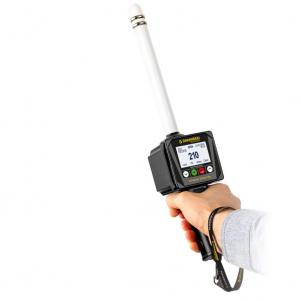
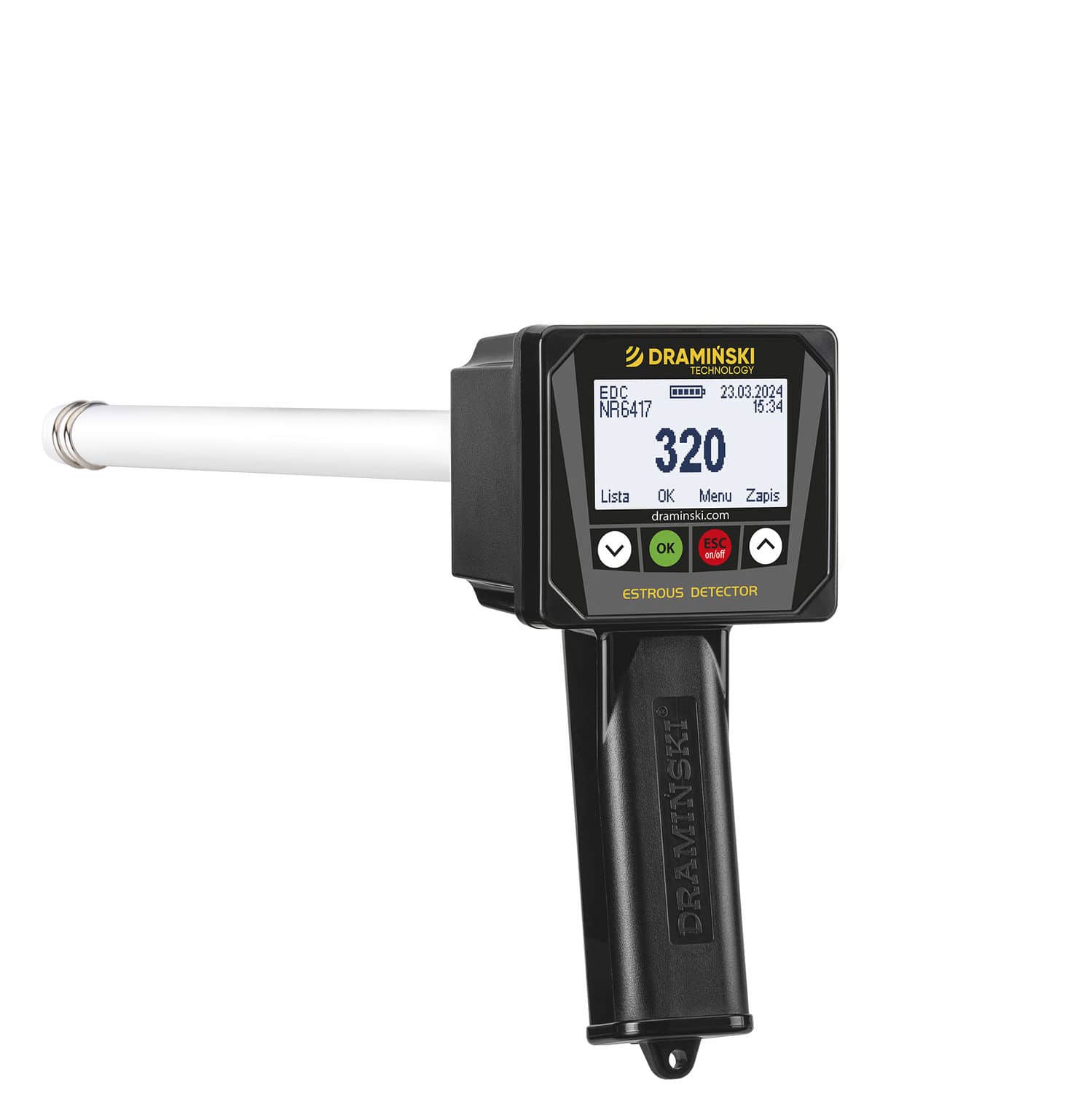
| Product Gallery | 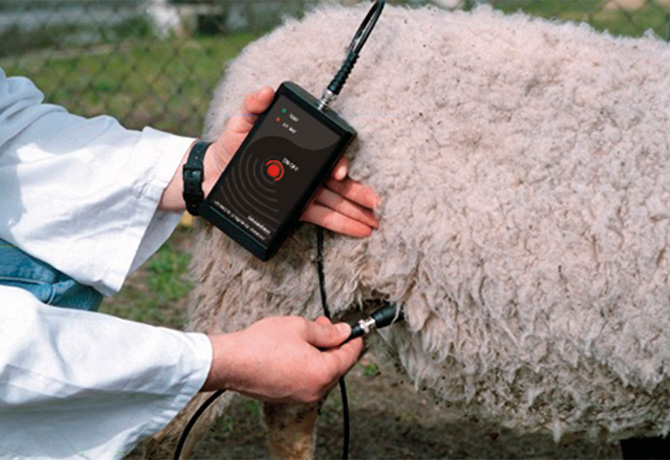  |
- Home
-
Products
- Pig Farming Equipment
- Cattle Farming Equipment
- Sheep & Goat Farming Equipment
- Poultry Farming Equipment
- Feeding & Drinking Systems
- Veterinary & Breeding Equipment
- Testing & Diagnostic Equipment
- Cleaning & Biosecurity Equipment
- Climate Control Equipment
- Livestock Weighing Equipment
- Manure & Waste Management
- Farm Transport & Handling
-
Solutions
- Pig Farm Solutions
- Dairy Farm Solutions
- Beef Cattle Farm Solutions
- Sheep & Goat Farm Solutions
- Layer Farm Solutions
- Broiler Farm Solutions
- Feeding & Drinking System Solutions
- Climate Control Solutions
- Biosecurity & Disinfection Solutions
- Manure & Waste Management
- Smart Farming Solutions
- Farm Renovation and Upgrade Solutions
- Partners
- Projects
- Resources
- News
- About Us
- Contact

Comments & Inquiries
Leave your questions or requirements below. We will reply as soon as possible.