
| Product Name | Ultrasonic Pregnancy Detector for Pigs | ||||||||||||||||||||||||||||||||
| Product Image | 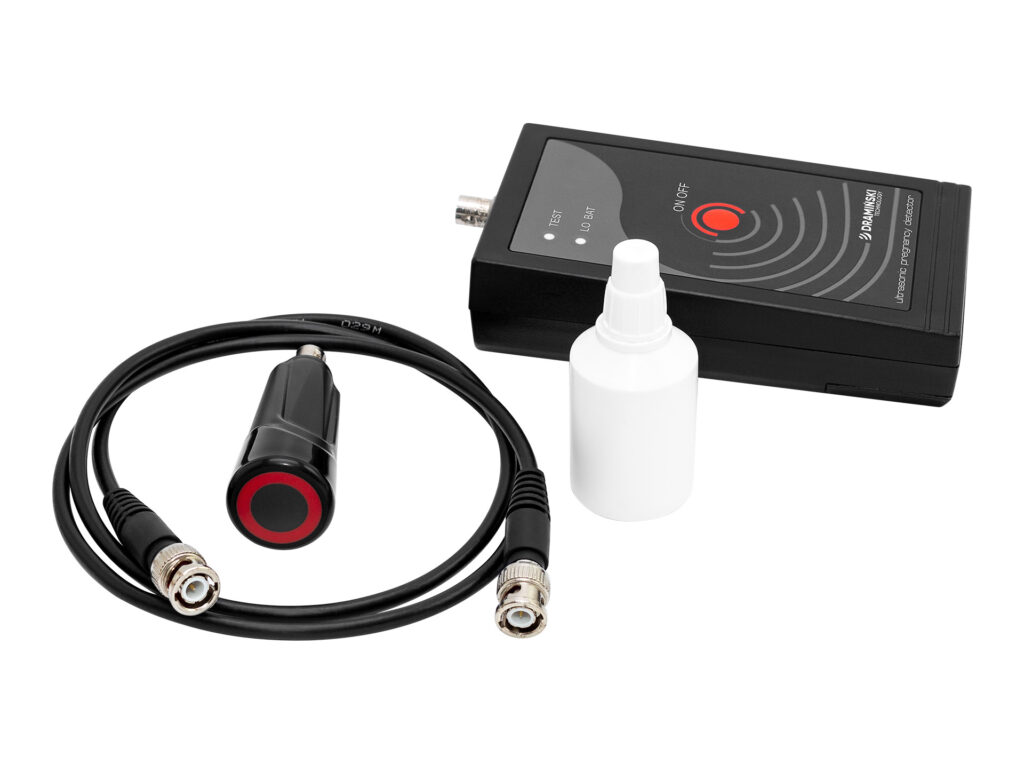 |
||||||||||||||||||||||||||||||||
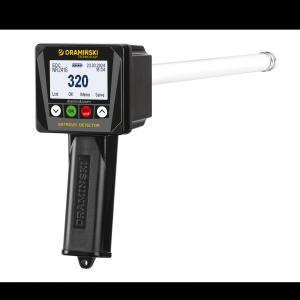
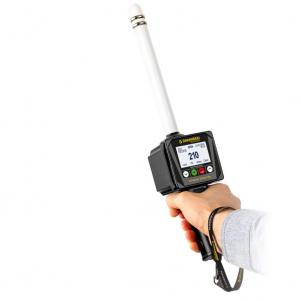
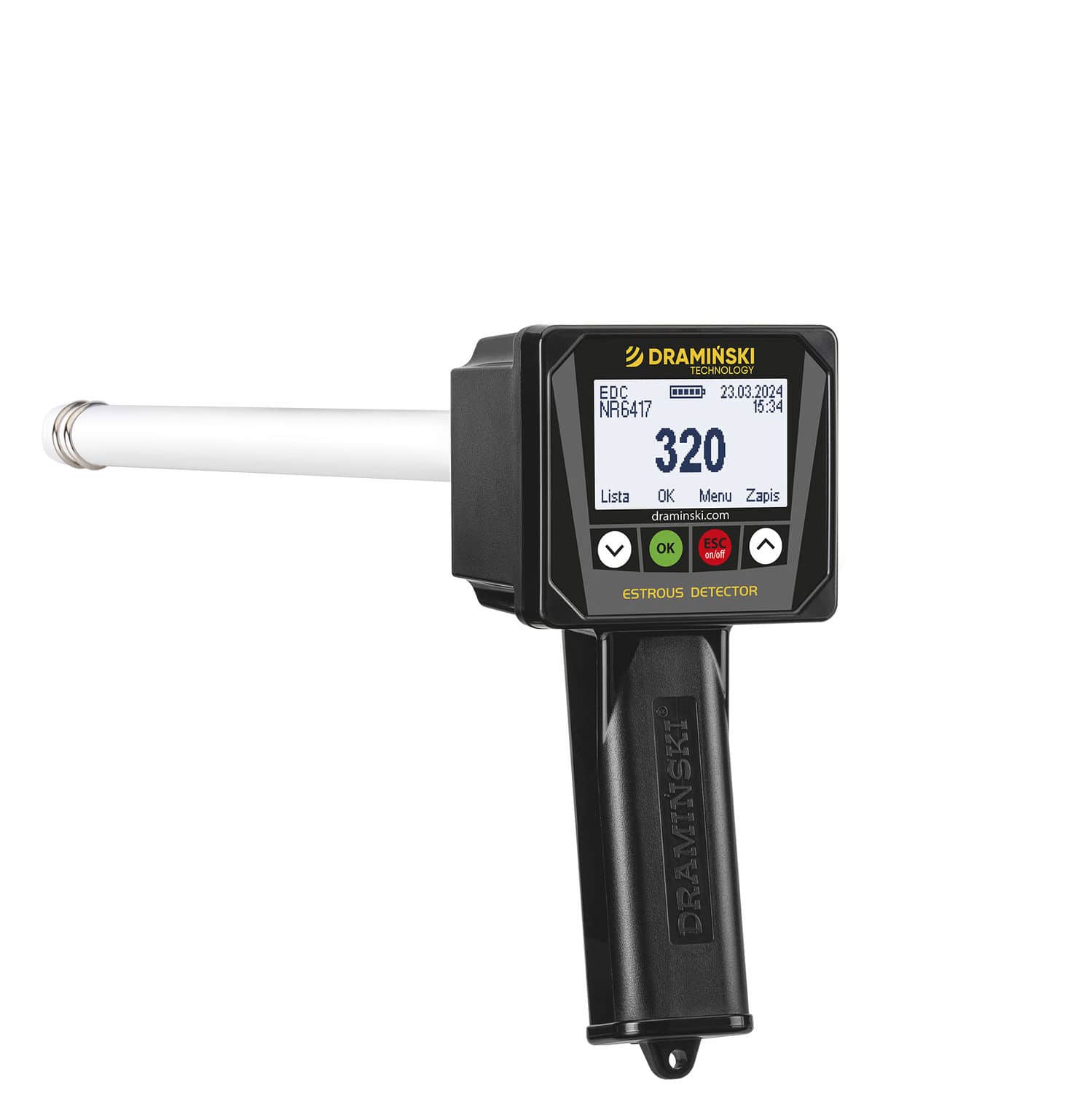
| Product Overview | The Ultrasonic Pregnancy Detector for Pigs is a compact reproductive management instrument designed for rapid pregnancy confirmation in sows. It uses reflected ultrasonic waves to detect fluid-filled uterine structures associated with pregnancy and provides an audible signal to assist operators in determining reproductive status. The device is particularly suitable for commercial pig farms, breeding farms, artificial insemination centers, veterinary services and livestock reproductive management programs. Early identification of pregnant and non-pregnant animals can support more efficient grouping, feeding, breeding schedules and farrowing management. The detector is designed for straightforward field operation and does not require image interpretation, making it suitable for routine use by trained farm personnel and veterinary technicians. |
||||||||||||||||||||||||||||||||
| Key Features | Ultrasonic Pregnancy Detection: Uses reflected ultrasound signals to identify fluid-filled uterine structures associated with pregnancy. Early Pregnancy Screening: Suitable for pregnancy testing during the recommended post-mating period to support timely reproductive decisions. Simple Audible Indication: The signal changes from intermittent to continuous when the detector identifies a characteristic fluid-filled structure. No Imaging Interpretation Required: Unlike B-mode ultrasound scanners, the device is designed for pregnancy confirmation without requiring operators to interpret ultrasound images. Portable Farm Design: Compact dimensions and battery operation make the detector suitable for use directly in sow barns and breeding facilities. Fast Routine Examination: Designed for rapid testing of multiple animals during routine reproductive management. Easy Probe Cleaning: The external probe can be cleaned and disinfected between animals according to farm biosecurity procedures. Low Battery Indication: Automatic battery-status warning helps prevent unexpected interruption during farm use. |
||||||||||||||||||||||||||||||||
| Structural Components | Main Control Unit: Contains the electronic circuit, signal processing components and operating controls. Ultrasonic Probe: Transmits ultrasonic waves into the animal and receives reflected signals from internal fluid interfaces. Probe Cable: Connects the ultrasonic probe to the main control unit. Membrane Keyboard: Provides simple switching and operating control suitable for farm environments. Signal Indicators: Visual and audible indicators provide operating and pregnancy-detection information. Battery Compartment: Houses the replaceable alkaline battery for portable operation. Protective Transport Case: Available as part of the equipment set for organized storage and transportation. |
||||||||||||||||||||||||||||||||
| Working Principle | The detector works on the principle of ultrasonic wave reflection. A coupling medium is applied between the probe and the sow's skin to ensure efficient transmission of the ultrasonic signal. When the probe is positioned at the recommended abdominal location, it sends an ultrasonic beam toward the reproductive tract. If the beam reaches a uterine horn containing amniotic fluid, part of the ultrasound signal is reflected back to the probe. The electronic unit evaluates the returned signal and changes the audible indication when the characteristic fluid-filled structure is detected. An intermittent signal changes to a continuous signal when pregnancy-related fluid is identified. For pigs, the recommended examination window is approximately 18 to 75 days after mating, with approximately 25 to 30 days identified by the reference manufacturer as the optimal testing period. Very early examinations may require repeat testing. |
||||||||||||||||||||||||||||||||
| Technical Specifications |
|
||||||||||||||||||||||||||||||||
| Applications | Commercial Pig Farms: Supports routine pregnancy checking of sows after mating or artificial insemination. Breeding and Nucleus Farms: Helps identify pregnant and open females for more efficient reproductive planning. Artificial Insemination Programs: Provides a practical confirmation tool following insemination and breeding procedures. Farrowing Management: Pregnancy information can support planning of sow movement, farrowing accommodation and production scheduling. Feed Management: Separating pregnant and non-pregnant animals can help farms apply appropriate nutritional programs. Veterinary Field Services: Compact battery-powered construction is suitable for mobile reproductive work across multiple farms. Livestock Reproduction Projects: Can be integrated into reproductive management programs for commercial pig production and agricultural development projects. |
||||||||||||||||||||||||||||||||
| Customization Options | The pregnancy detector can be supplied according to different farm procurement and reproductive management requirements. Available options may include: • Pig pregnancy detector configuration • Ultrasonic probe and cable set • Protective transport case • Coupling liquid or suitable contact medium • Spare battery package • Multilingual operating instructions • Distributor and project packaging • OEM procurement options • Configuration according to project requirements |
||||||||||||||||||||||||||||||||
| Installation & Maintenance | No fixed installation is required. Before use, connect the probe securely to the detector and confirm that the battery has sufficient power. The sow should be safely restrained or calmly positioned. Apply sufficient ultrasonic coupling medium to the probe or examination area to eliminate air between the probe and skin. Position the probe at the recommended abdominal location and adjust the angle carefully until a stable signal is obtained. Avoid directing the probe toward the urinary bladder, as a full bladder may produce a misleading fluid-related signal. After each examination, clean residual coupling material from the probe. Disinfect the probe according to farm hygiene procedures before testing another animal. Avoid dropping the main unit, sharply bending the probe cable or exposing electronic connections to excessive moisture. Store the detector, probe and accessories in the protective case in a clean and dry environment. |
||||||||||||||||||||||||||||||||
| Project Cases | Ultrasonic pig pregnancy detectors can be deployed in commercial sow farms, breeding units, artificial insemination centers, genetic farms and veterinary reproductive service projects. For large pig farms, routine pregnancy testing can be incorporated into weekly breeding schedules to help identify non-pregnant sows earlier, reorganize animal groups and improve the use of gestation housing and feed resources. The detector is particularly suitable for projects requiring a straightforward pregnancy confirmation tool without the additional complexity of a full B-mode ultrasound imaging system. |
||||||||||||||||||||||||||||||||
| Product FAQ | Q: How does the pig pregnancy detector work? A: The probe emits ultrasonic waves and detects reflections from fluid-filled uterine structures. A characteristic signal change indicates that pregnancy-related fluid has been detected. Q: When can a sow be tested? A: The reference testing range is approximately 18 to 75 days after mating, with approximately 25 to 30 days recommended as the optimal period. Q: Does the detector display an ultrasound image? A: No. This type of detector provides a signal-based pregnancy indication rather than a B-mode diagnostic image. Q: How is pregnancy indicated? A: The device changes from an intermittent signal to a continuous signal when it detects a characteristic fluid-filled uterine structure. Q: Can inflammation affect the result? A: Yes. Reproductive tract inflammation or abnormal uterine fluid may affect the measurement and should be considered when interpreting the result. Q: Can the urinary bladder cause a false reading? A: Yes. A full bladder can reflect ultrasound and may create a misleading signal if the probe is positioned incorrectly. Q: Should very early tests be repeated? A: Yes. If testing is performed very early, repeat examination during the recommended period can improve confidence in the result. Q: Is ultrasound coupling liquid required? A: Yes. A suitable coupling medium is used to eliminate air between the probe and skin and improve transmission of the ultrasound signal. Q: Is the device suitable for large commercial pig farms? A: Yes. Its compact design, simple operation and battery power make it suitable for routine herd pregnancy screening. |
||||||||||||||||||||||||||||||||
| Product Gallery | 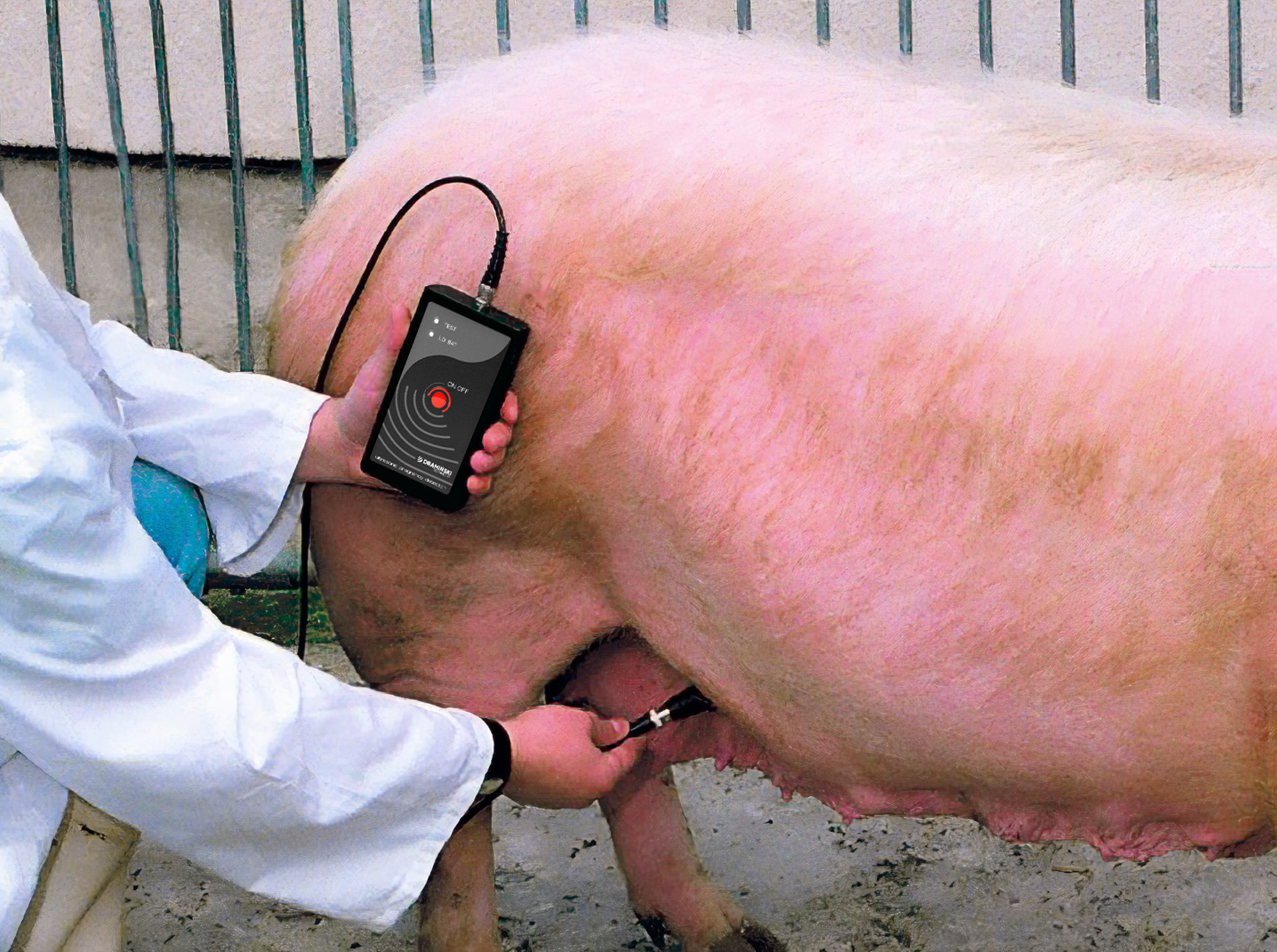 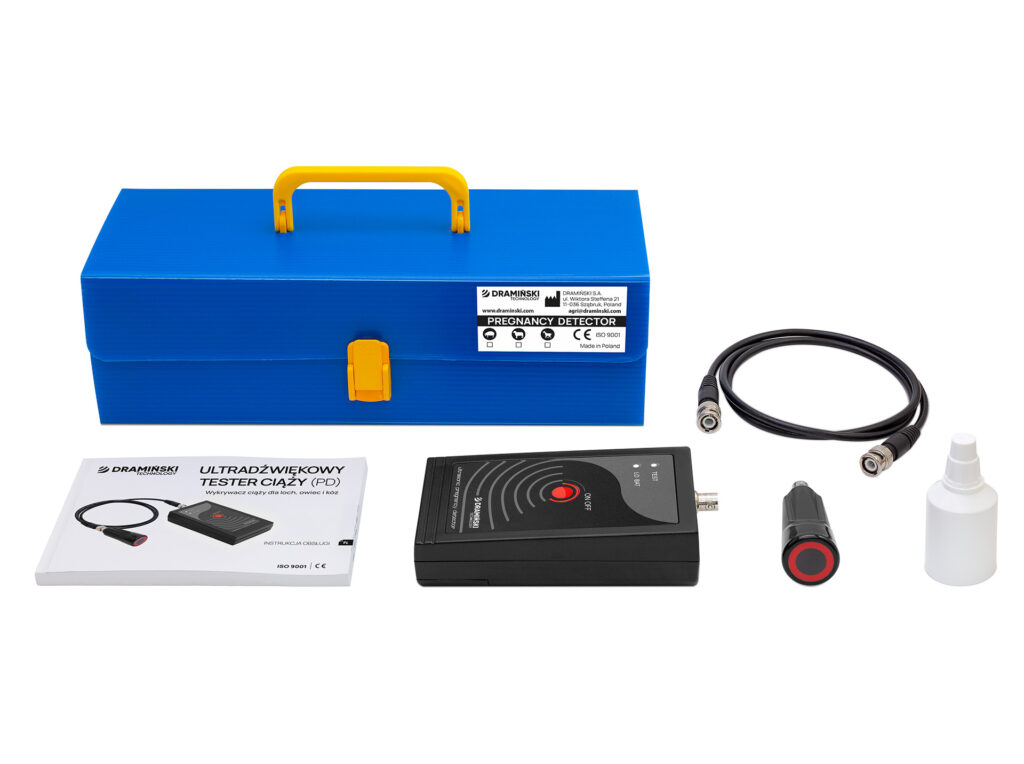  |
- Home
-
Products
- Pig Farming Equipment
- Cattle Farming Equipment
- Sheep & Goat Farming Equipment
- Poultry Farming Equipment
- Feeding & Drinking Systems
- Veterinary & Breeding Equipment
- Testing & Diagnostic Equipment
- Cleaning & Biosecurity Equipment
- Climate Control Equipment
- Livestock Weighing Equipment
- Manure & Waste Management
- Farm Transport & Handling
-
Solutions
- Pig Farm Solutions
- Dairy Farm Solutions
- Beef Cattle Farm Solutions
- Sheep & Goat Farm Solutions
- Layer Farm Solutions
- Broiler Farm Solutions
- Feeding & Drinking System Solutions
- Climate Control Solutions
- Biosecurity & Disinfection Solutions
- Manure & Waste Management
- Smart Farming Solutions
- Farm Renovation and Upgrade Solutions
- Partners
- Projects
- Resources
- News
- About Us
- Contact

Comments & Inquiries
Leave your questions or requirements below. We will reply as soon as possible.