
| Product Showcase | Content | ||||||||||||||||||||||||||||||||
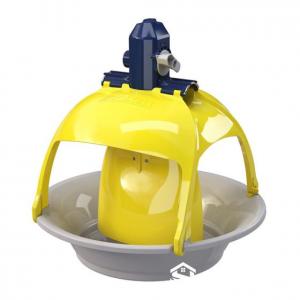
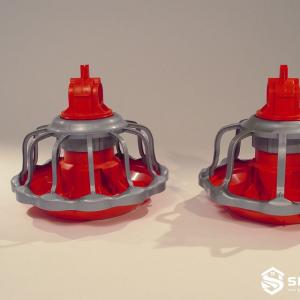
| Product Name | Automatic Layer Feeder Pan | ||||||||||||||||||||||||||||||||
| Product Image | 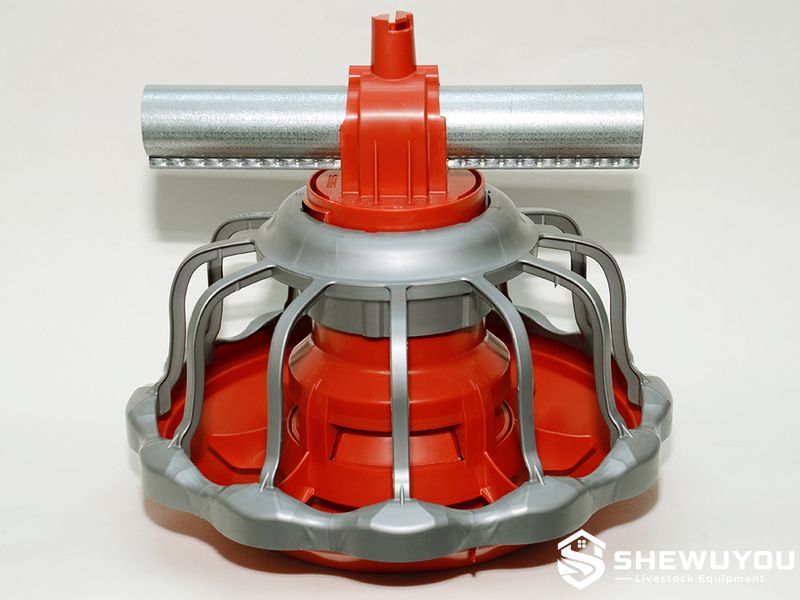 |
||||||||||||||||||||||||||||||||
| Product Overview |
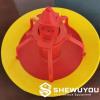
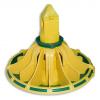
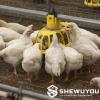
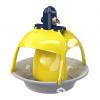
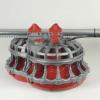
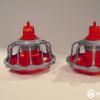
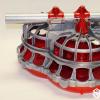
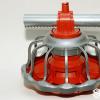
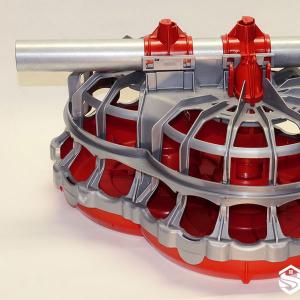
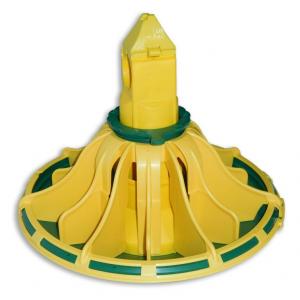
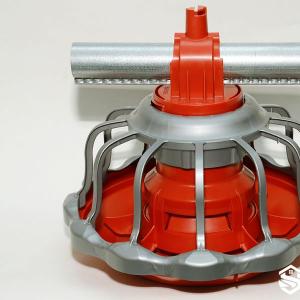
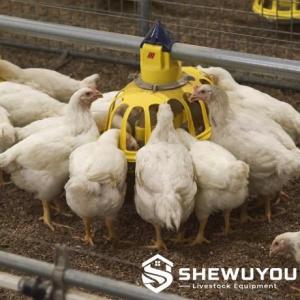
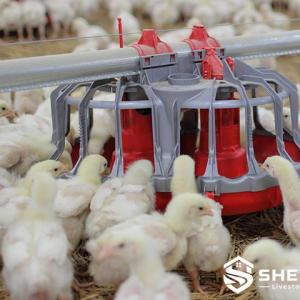
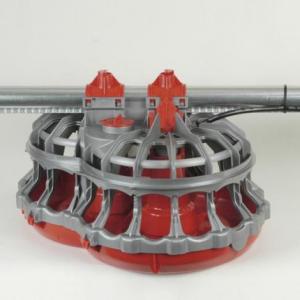
The Automatic Layer Feeder Pan is designed for floor-raised and cage-free laying hens where uniform feed access, low feed waste and reliable automatic distribution are essential. The pan can be integrated into a circulating or auger-based poultry feeding line to deliver fresh feed consistently throughout the layer house. A multi-position grill provides organized feeding spaces around the pan perimeter, helping reduce crowding and competition. Feed-retaining edges, anti-rake features and controlled feed depth help minimize feed loss while allowing hens to eat comfortably. The system is suitable for commercial layer farms, cage-free egg production houses, aviary floor areas and steel structure poultry buildings. Pan spacing, grill configuration, feed level, line length and suspension arrangement can be customized according to flock size and project requirements. |
||||||||||||||||||||||||||||||||
| Key Features |
|
||||||||||||||||||||||||||||||||
| Structural Components |
|
||||||||||||||||||||||||||||||||
| Working Principle / Structural Principle |
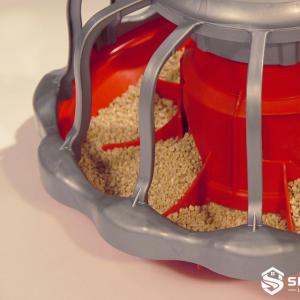
Feed enters the feeding line from a hopper or centralized feed delivery system. An auger or circulating feed mechanism transports the ration through the line and distributes it into feeder pans positioned at regular intervals. The central cone guides feed into the pan while the grill separates the feeding perimeter into individual access positions. Proper feed-level adjustment ensures that hens can reach the ration without excessive feed depth. In circulating pan feeding systems, feed moves through the house rapidly so birds receive a more uniform ration when the system starts. This helps reduce selective feeding and supports consistent flock nutrition. A sensor or control pan can automatically start and stop the feed-line drive according to the selected feeding schedule or feed demand. |
||||||||||||||||||||||||||||||||
| Technical Specifications |
|
||||||||||||||||||||||||||||||||
| Applications |
The Automatic Layer Feeder Pan is particularly suitable for poultry houses where feed must be delivered evenly to a large number of hens while limiting selective feeding and feed wastage. For complete egg-production projects, the pan feeding system can be coordinated with feed silos, automatic feed conveyors, nipple drinking systems, nest boxes, egg collection equipment, manure removal, ventilation and environmental controls. |
||||||||||||||||||||||||||||||||
| Customization Options |
The complete feeding system can be configured according to laying-hen strain, flock size, house dimensions, feed formulation and project requirements. |
||||||||||||||||||||||||||||||||
| Installation & Maintenance |
Feeding Line Layout: Determine the number and spacing of feeder pans according to poultry house dimensions, bird numbers and available feeding space. Suspension Installation: Install ceiling suspension points, cables and hangers so the feeding line remains level and stable. Feed Pipe Assembly: Connect the galvanized feed pipe sections and install the auger or circulating feed components according to system design. Pan Installation: Secure each feeder pan to the feed pipe and confirm that all grill and feed-level components move correctly. Feed Level Setting: Adjust the pan to provide sufficient feed while avoiding excessive depth that can encourage sorting and waste. Feeding Program: Layer birds may benefit from several controlled feeding cycles instead of continuously maintaining excessive feed depth. Routine Cleaning: Remove feed dust and residues regularly and clean pan components thoroughly between flocks. Regular Inspection: Check pans, feed pipes, augers, sensors, motors, suspension cables and control components for wear or damage. |
||||||||||||||||||||||||||||||||
| Project Cases |
Automatic layer feeder pans are suitable for cage-free and floor-raised egg-production houses where uniform ration distribution and controlled feed depth are important for flock performance. In large commercial layer houses, multiple parallel feeding lines can provide sufficient feeding access while reducing manual labor and helping maintain consistent feed availability across the building. For new steel structure poultry projects, feeder-line position, pan spacing, suspension points, silo capacity and automatic control can be planned together with drinking, nesting, ventilation and egg-handling systems. |
||||||||||||||||||||||||||||||||
| Product FAQ |
Q1: What is an automatic layer feeder pan? Q2: How many feeding positions are available? Q3: How does the feeder reduce feed waste? Q4: Can the feeder be used for cage-free layers? Q5: Can the feed level be adjusted? Q6: Can mash feed be used? Q7: Can the feeding line be lifted? Q8: Is automatic start and stop available? Q9: Can this system be integrated with an external feed silo? Q10: Can the layer feeder pan be customized? |
||||||||||||||||||||||||||||||||
| Product Gallery |
|
- Home
-
Products
- Pig Farming Equipment
- Cattle Farming Equipment
- Sheep & Goat Farming Equipment
- Poultry Farming Equipment
- Feeding & Drinking Systems
- Veterinary & Breeding Equipment
- Testing & Diagnostic Equipment
- Cleaning & Biosecurity Equipment
- Climate Control Equipment
- Livestock Weighing Equipment
- Manure & Waste Management
- Farm Transport & Handling
-
Solutions
- Pig Farm Solutions
- Dairy Farm Solutions
- Beef Cattle Farm Solutions
- Sheep & Goat Farm Solutions
- Layer Farm Solutions
- Broiler Farm Solutions
- Feeding & Drinking System Solutions
- Climate Control Solutions
- Biosecurity & Disinfection Solutions
- Manure & Waste Management
- Smart Farming Solutions
- Farm Renovation and Upgrade Solutions
- Partners
- Projects
- Resources
- News
- About Us
- Contact
Comments & Inquiries
Leave your questions or requirements below. We will reply as soon as possible.