
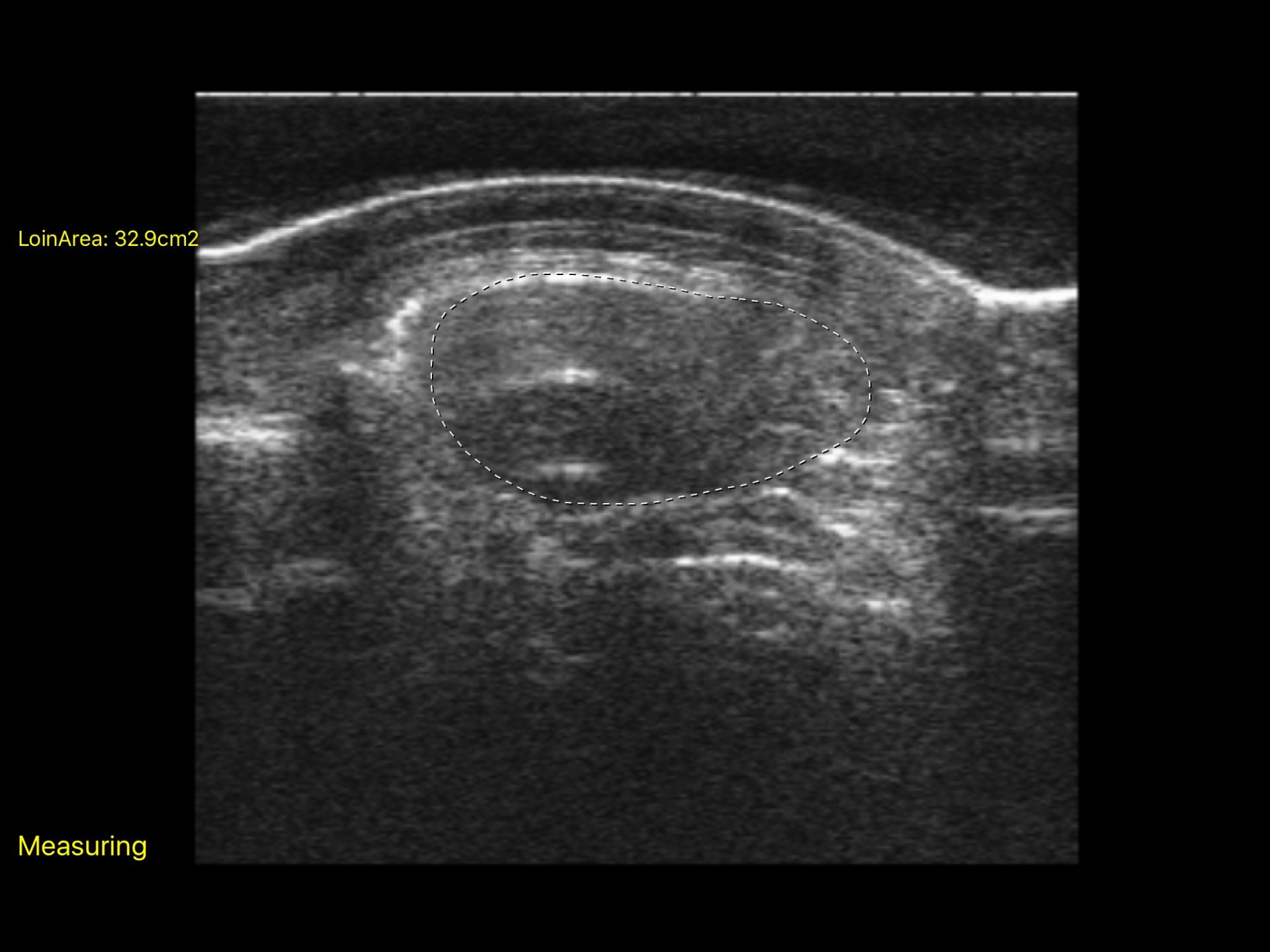


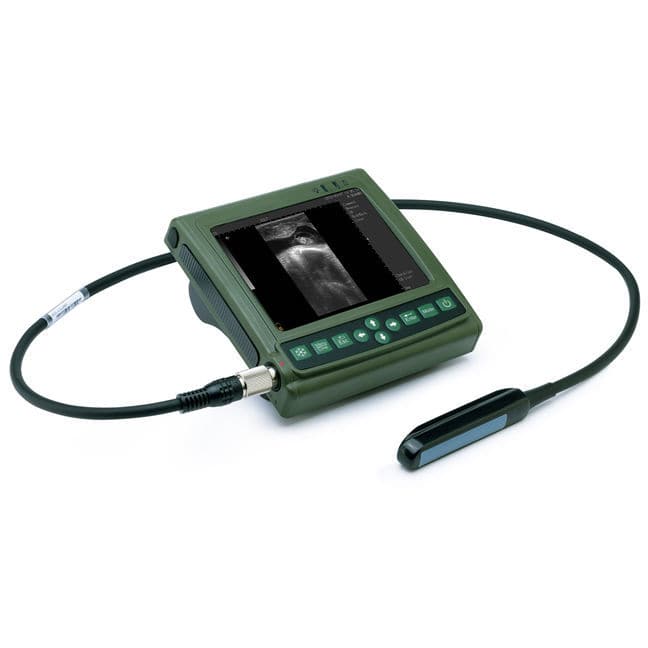
| Product Name | Multi-Species Loin Muscle Thickness Scanner | ||||||||||||||||||||||||||
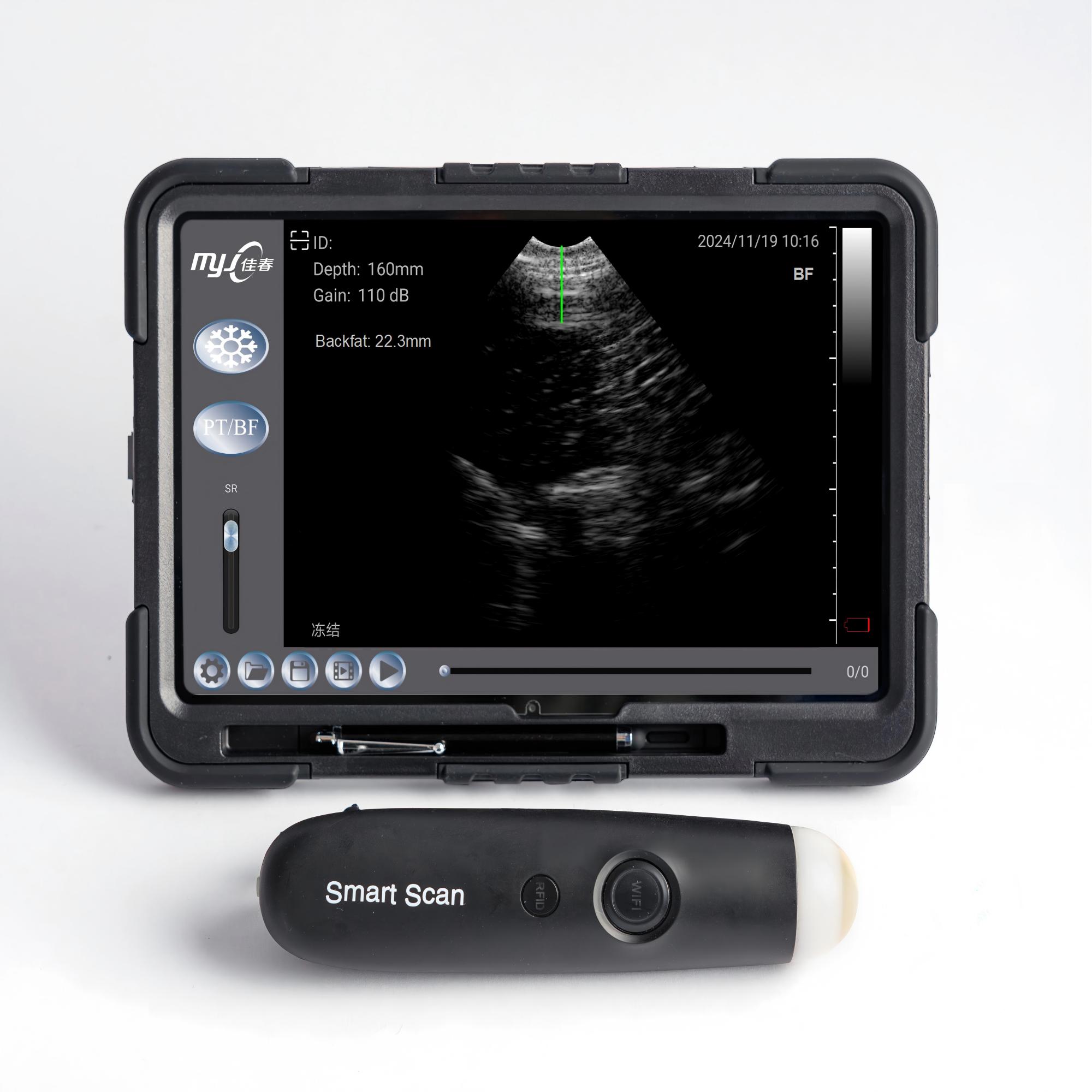
| Product Image | 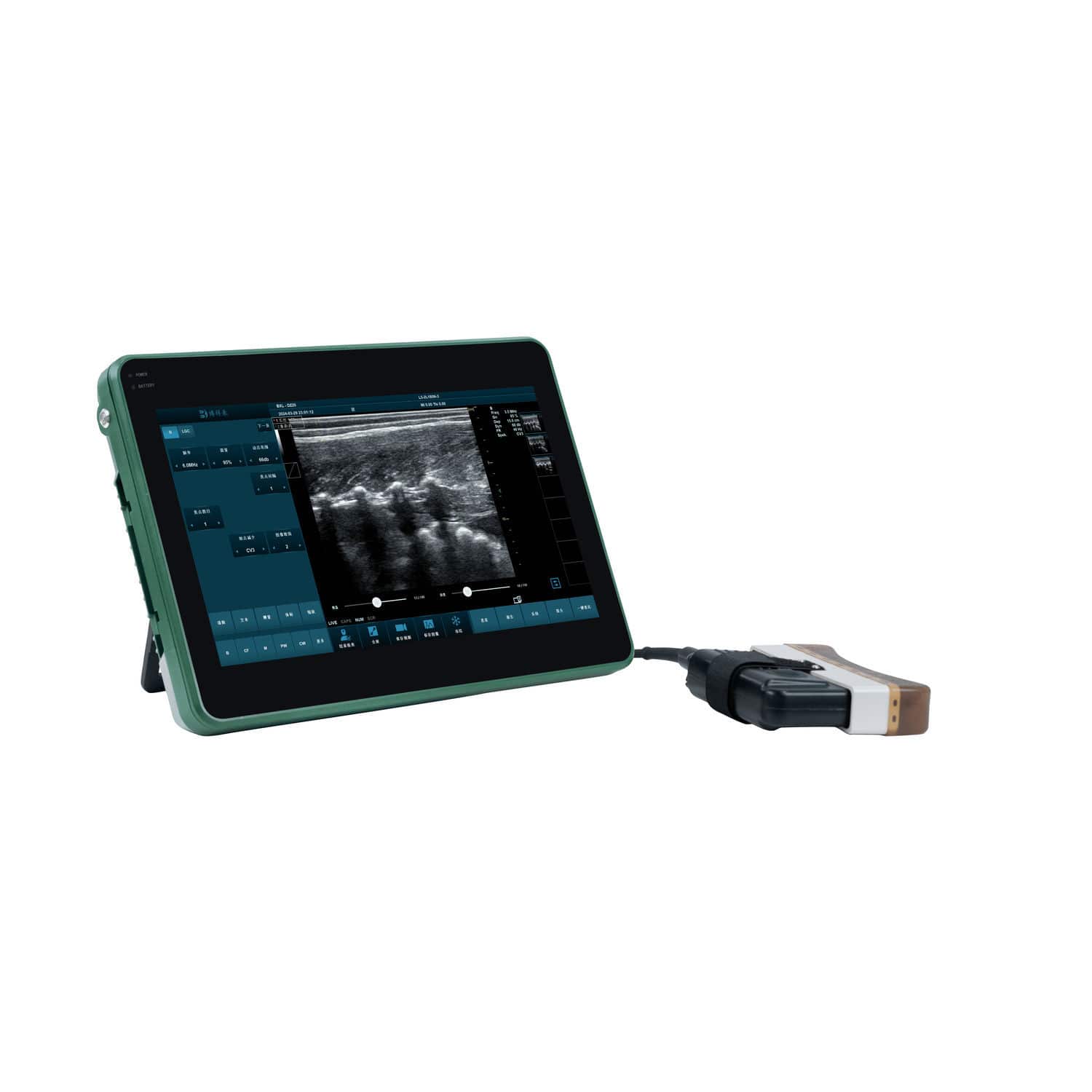 |
||||||||||||||||||||||||||
| Product Overview | The Multi-Species Loin Muscle Thickness Scanner is a professional veterinary ultrasound system developed for non-invasive evaluation of muscle development and body composition in livestock. With an appropriate transducer and measurement software, the system can be used to visualize loin muscle, backfat layers and related tissue structures in live animals. It is suitable for pigs, cattle, goat-farming-equipment/" target="_blank" class="keylink">sheep and other livestock where objective muscle and fat measurements are required for breeding selection, performance testing, nutritional evaluation and livestock research. The portable ultrasound platform combines real-time imaging with measurement functions, making it suitable for commercial farms, breeding companies, livestock testing stations, universities, veterinary organizations and agricultural research projects. |
||||||||||||||||||||||||||
| Key Features | Multi-Species Livestock Application: Suitable for muscle and body composition assessment in pigs, cattle, sheep and other compatible livestock species. Non-Invasive Muscle Measurement: Ultrasound imaging allows loin muscle thickness and related characteristics to be assessed in live animals without slaughter. Backfat and Muscle Evaluation: The same ultrasound platform can support assessment of subcutaneous fat layers and underlying muscle structures when equipped with an appropriate probe. Eye Muscle Area Analysis: Compatible configurations can support cross-sectional loin or eye muscle area measurement for breeding and carcass-trait evaluation. Real-Time Ultrasound Imaging: Displays tissue interfaces during scanning so operators can confirm probe position before taking measurements. Portable Farm Operation: Designed for livestock facilities, breeding barns, performance testing stations and mobile agricultural service applications. Multiple Probe Compatibility: Different transducers can be selected for muscle, backfat, reproductive, abdominal and other veterinary examinations according to project requirements. |
||||||||||||||||||||||||||
| Structural Components | Ultrasound Main Unit: Generates ultrasound signals, processes returning echoes and displays real-time veterinary images. Touchscreen Display: Provides image adjustment, measurement, annotation and system control functions. Loin Muscle / Backfat Probe: A dedicated linear-array livestock transducer can be used for imaging broad areas of fat and muscle tissue. Measurement Software: Provides tools for distance, thickness, area and other quantitative ultrasound measurements according to system configuration. Probe Connection System: Supports compatible veterinary transducers for different livestock scanning applications. Rechargeable Battery: Supports portable field operation where mains electricity may not always be available. Data Interface: Image and data output functions are available according to selected configuration. |
||||||||||||||||||||||||||
| Working Principle | A suitable acoustic coupling medium is applied between the animal's skin and the ultrasound transducer. The probe transmits high-frequency sound waves through the skin, subcutaneous fat and underlying muscle. Echoes returning from different tissue boundaries are received by the probe and converted into a real-time ultrasound image. The operator identifies the surface and lower boundary of the target muscle and then uses the scanner's measurement functions to determine muscle thickness or related dimensions. For eye muscle area evaluation, the probe is positioned at the specified anatomical scanning site to obtain an appropriate cross-sectional image. Measurement software can then be used to outline or calculate the target muscle area according to the selected livestock evaluation protocol. |
||||||||||||||||||||||||||
| Technical Specifications |
|
||||||||||||||||||||||||||
| Applications | Swine Breeding: Suitable for evaluating loin muscle development and backfat characteristics in boars, gilts and other breeding pigs. Beef Cattle Evaluation: Can support muscle development and carcass-related trait assessment in breeding and performance-testing programs. Sheep Breeding: Suitable for evaluating muscle and fat characteristics in breeding sheep and meat-production programs. Genetic Selection: Ultrasound-derived measurements can provide objective phenotypic information for livestock breeding programs. Nutrition and Growth Monitoring: Repeated measurements can support evaluation of muscle development and body composition during different feeding stages. Carcass Trait Evaluation: Live-animal ultrasound measurements can support research and production programs involving muscle area, muscle depth and fat deposition. Livestock Research: Suitable for universities, agricultural institutes and animal science organizations conducting body composition and production-trait studies. |
||||||||||||||||||||||||||
| Customization Options | System configuration can be selected according to animal species, measurement objectives and farm operating conditions. Available options may include: • Dedicated livestock loin muscle and backfat probe • Probe configurations for pigs, cattle or sheep • Eye muscle area measurement functions • Backfat thickness measurement software • Additional veterinary ultrasound probes • Image and data storage functions • Rechargeable battery configuration • Protective carrying case and farm-use accessories • OEM and distributor configurations Final configuration is available according to project requirements. |
||||||||||||||||||||||||||
| Installation & Maintenance | Before scanning, connect the appropriate livestock ultrasound transducer and select a suitable imaging preset for the target animal and anatomical region. Identify the required measurement site according to the farm, breeding organization or research protocol. Prepare the skin where necessary and apply sufficient ultrasound coupling gel or another suitable acoustic coupling material. Position the probe steadily against the scanning area and adjust image depth, gain and other imaging parameters until the skin, fat and muscle interfaces are clearly visible. For repeatable livestock measurements, operators should use consistent anatomical landmarks, probe orientation and scanning pressure. After use, remove coupling material and clean the probe using procedures compatible with the transducer material. Avoid dropping the probe, sharply bending the cable or exposing electrical connectors to moisture. Regularly inspect the transducer surface, cable, connectors, battery and main unit to maintain reliable operation in demanding livestock environments. |
||||||||||||||||||||||||||
| Project Cases | Multi-species muscle thickness scanners can be integrated into livestock breeding and performance testing programs for pig farms, beef cattle operations, sheep farms, genetics companies, agricultural universities and research organizations. For commercial livestock projects, different probe and software combinations can be supplied according to animal species, measurement standards and data-management requirements. The system is also suitable for distributors and agricultural service companies supplying portable livestock ultrasound equipment to multiple farms and breeding projects. |
||||||||||||||||||||||||||
| Product FAQ | Q: What does a loin muscle thickness scanner measure? A: It uses ultrasound to visualize the target muscle and allows the operator to measure muscle depth or thickness in a live animal. Q: Can the same scanner be used for pigs, cattle and sheep? A: Yes. A multi-species veterinary ultrasound platform can support pigs, cattle and sheep when suitable probes, scanning presets and measurement protocols are used. Q: Can it also measure backfat? A: Yes. With an appropriate livestock linear probe and measurement software, the system can be used to assess both backfat and underlying muscle structures. Q: Can the equipment measure eye muscle area? A: Compatible configurations can support eye muscle or loin muscle area analysis from suitable cross-sectional ultrasound images. Q: Is the measurement non-invasive? A: Yes. Ultrasound provides a non-invasive method for evaluating muscle and fat characteristics in live livestock. Q: Is it suitable for livestock breeding programs? A: Yes. Muscle depth, eye muscle area and backfat measurements can provide useful phenotypic data for breeding selection and performance evaluation. Q: Does operator technique affect the results? A: Yes. Consistent anatomical location, probe orientation, coupling and scanning pressure are important for repeatable measurements. Q: Can the probe and software be customized? A: Probe type, measurement functions, accessories and system configuration can be selected according to project requirements. |
||||||||||||||||||||||||||
| Product Gallery | 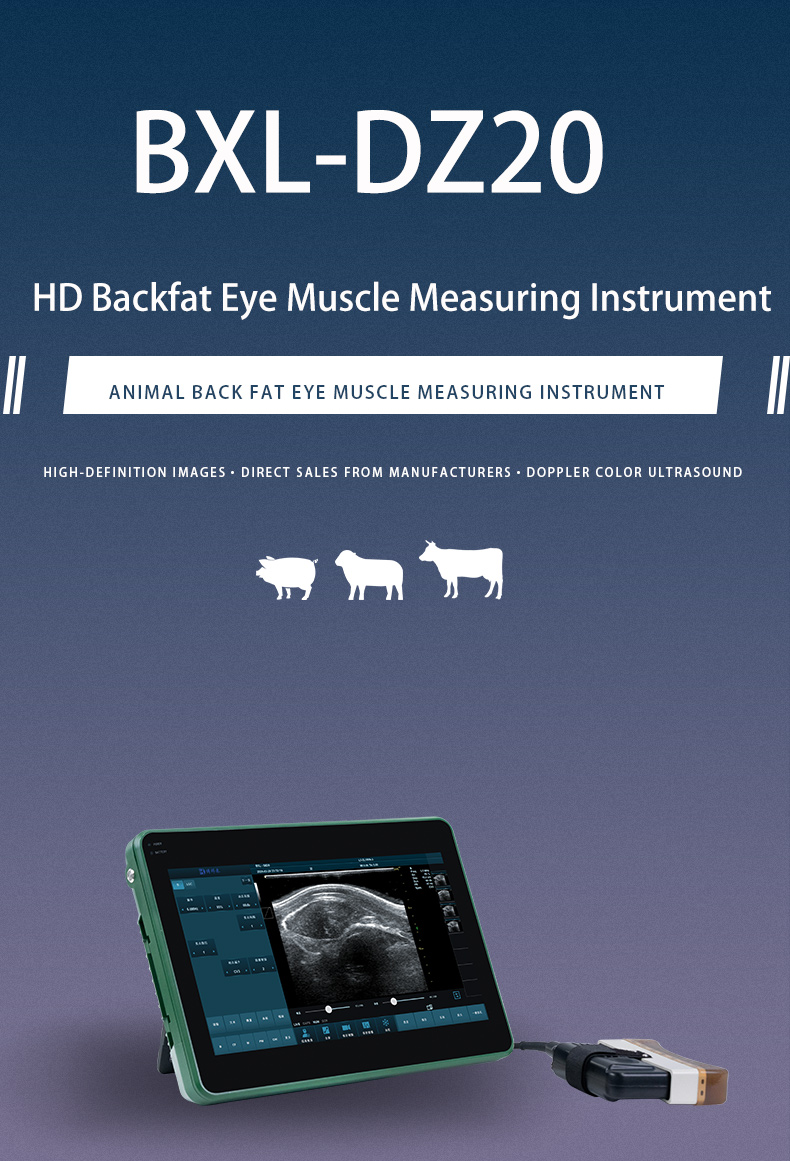 |
- Home
-
Products
- Pig Farming Equipment
- Cattle Farming Equipment
- Sheep & Goat Farming Equipment
- Poultry Farming Equipment
- Feeding & Drinking Systems
- Veterinary & Breeding Equipment
- Testing & Diagnostic Equipment
- Cleaning & Biosecurity Equipment
- Climate Control Equipment
- Livestock Weighing Equipment
- Manure & Waste Management
- Farm Transport & Handling
-
Solutions
- Pig Farm Solutions
- Dairy Farm Solutions
- Beef Cattle Farm Solutions
- Sheep & Goat Farm Solutions
- Layer Farm Solutions
- Broiler Farm Solutions
- Feeding & Drinking System Solutions
- Climate Control Solutions
- Biosecurity & Disinfection Solutions
- Manure & Waste Management
- Smart Farming Solutions
- Farm Renovation and Upgrade Solutions
- Partners
- Projects
- Resources
- News
- About Us
- Contact

Comments & Inquiries
Leave your questions or requirements below. We will reply as soon as possible.