

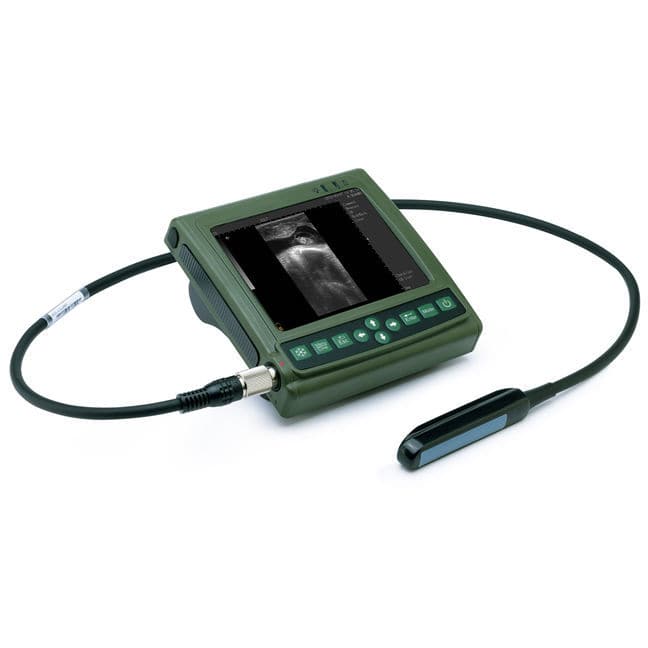
| Product Name | Pig Loin Eye Area Ultrasound Scanner | ||||||||||||||||||||||||
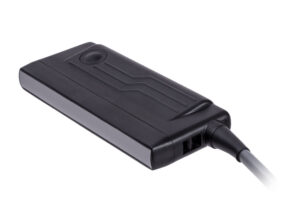
| Product Image | 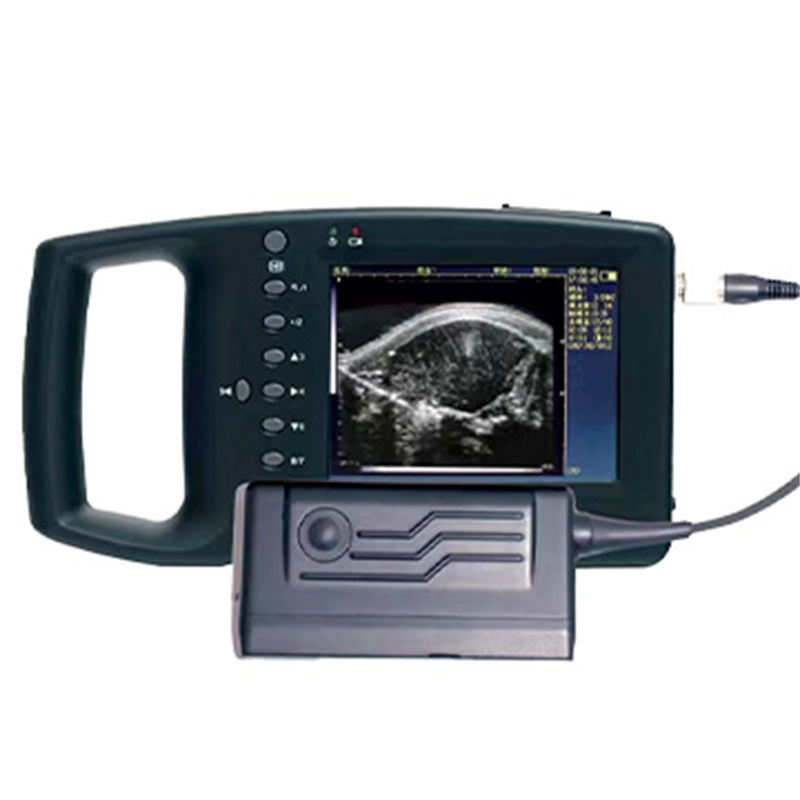 |
||||||||||||||||||||||||
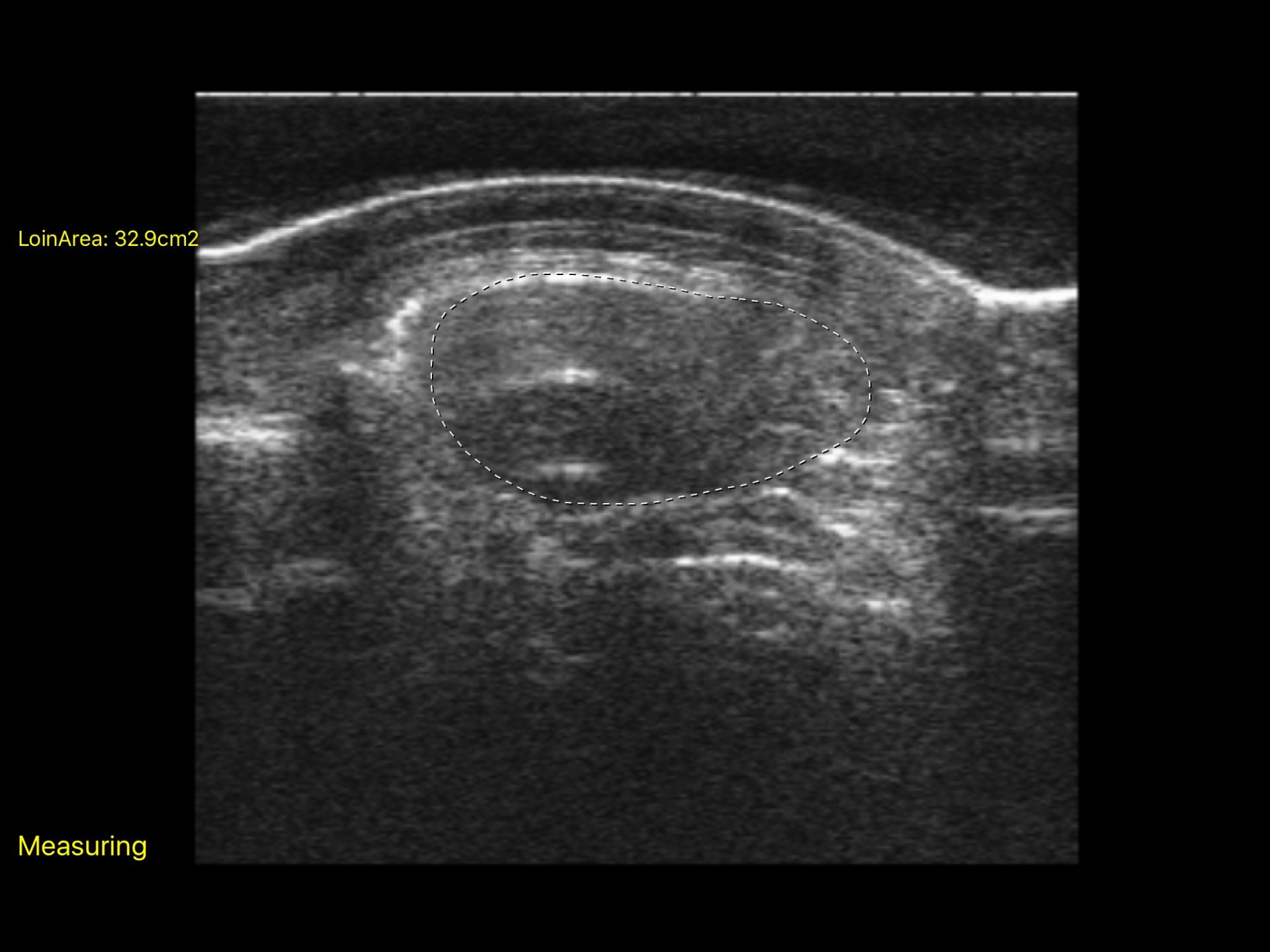
| Product Overview | The Pig Loin Eye Area Ultrasound Scanner is a portable veterinary imaging system developed for non-invasive assessment of loin muscle characteristics in live pigs. When equipped with a dedicated long linear loin-eye probe, the scanner can provide real-time ultrasound images of the longissimus muscle and adjacent backfat layers for muscle depth, loin eye area and body composition evaluation. The system is suitable for pig breeding companies, nucleus farms, commercial swine farms, performance testing stations, universities, livestock research institutes and meat science programs. Ultrasound evaluation allows producers and breeding specialists to collect body composition information from live animals without slaughter, supporting genetic selection, feeding management and production performance analysis. |
||||||||||||||||||||||||
| Key Features | Live-Animal Loin Eye Evaluation: Provides non-invasive ultrasound imaging of loin muscle structures in pigs without requiring slaughter. Dedicated Long Linear Probe: A livestock meat-science probe can provide a wide scanning field suitable for capturing the cross-sectional profile of the loin muscle. Loin Eye Area Analysis: Frozen ultrasound images can be used to trace or calculate the cross-sectional loin eye area when compatible measurement software is provided. Muscle Depth Measurement: Supports quantitative evaluation of loin muscle thickness for breeding and production monitoring. Backfat Assessment: Skin, subcutaneous fat and muscle interfaces can be visualized within the same scan for combined body composition evaluation. Portable Farm Operation: Compact equipment configuration is suitable for livestock barns, breeding stations and mobile animal performance testing. Real-Time B-Mode Imaging: Allows operators to optimize probe position before freezing and measuring the required anatomical section. |
||||||||||||||||||||||||
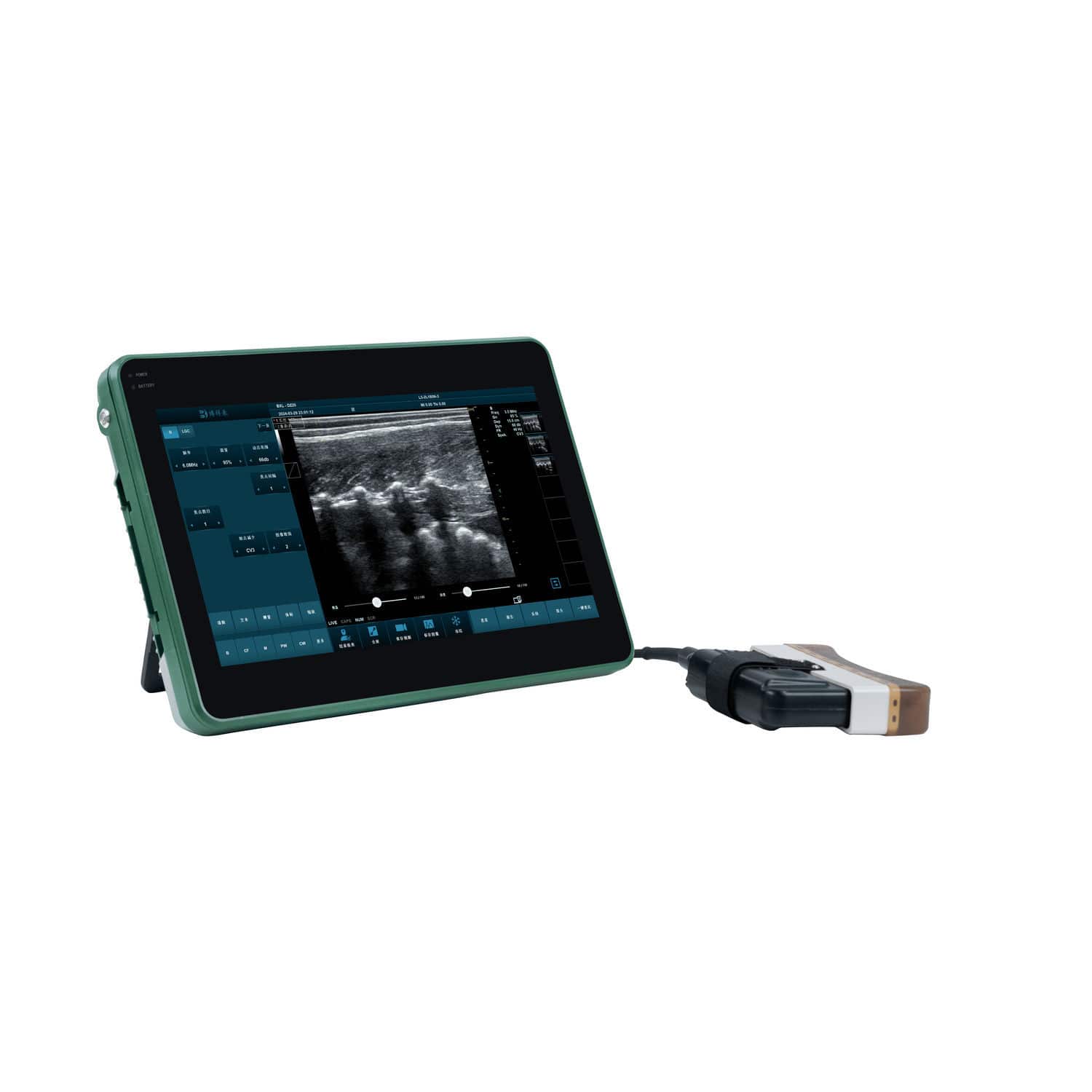
| Structural Components | Ultrasound Main Unit: Generates ultrasound signals, processes returning echoes and displays real-time tissue images. Long Linear Loin-Eye Probe: Designed to obtain a broad imaging section across the loin region for muscle area and depth assessment. Acoustic Probe Pad / Standoff: Depending on configuration, a contoured acoustic pad can help the long probe follow the curvature of the pig's back and maintain more consistent acoustic contact. Display and Control Panel: Provides controls for gain, scanning depth, image freeze, measurement and image review. Measurement Software: Depending on configuration, measurement tools can support distance, area, circumference and body composition analysis. Rechargeable Power System: Supports portable operation for on-farm animal testing. |
||||||||||||||||||||||||
| Working Principle | A suitable ultrasound coupling medium is applied between the probe and the pig's skin to remove air from the acoustic path. The transducer emits ultrasound pulses through the backfat and loin muscle and receives echoes reflected from tissue interfaces. The scanner processes the returning signals into a real-time B-mode image. After the required anatomical section is obtained, the operator freezes the image and identifies the skin, backfat layers, fascia and boundaries of the longissimus muscle. Measurement software can then be used to determine muscle depth, backfat thickness or loin eye cross-sectional area according to the selected testing protocol. Consistent anatomical positioning and operator technique are important for repeatable herd-level measurements. |
||||||||||||||||||||||||
| Technical Specifications |
|
||||||||||||||||||||||||
| Applications | Breeding Pig Selection: Provides objective loin muscle and backfat measurements for comparing boars, gilts and other breeding candidates. Genetic Improvement Programs: Ultrasound-derived muscle and fat traits can be incorporated into performance testing and breeding databases. Nucleus and Multiplier Farms: Suitable for standardized live-animal measurements within structured swine breeding programs. Commercial Pig Production: Supports monitoring of muscle development, fat deposition and responses to feeding programs. Meat Science Research: Useful for studies involving loin eye area, muscle depth, backfat thickness and carcass-related traits. Livestock Performance Testing: Suitable for universities, agricultural institutes, breeding organizations and third-party livestock testing services. |
||||||||||||||||||||||||
| Customization Options | The scanner can be configured according to different swine breeding, production and research requirements. Available options may include: • Long linear loin-eye muscle probe • Probe frequency according to project requirements • Contoured acoustic pad or probe standoff • Backfat and muscle measurement software • Loin eye area tracing and calculation functions • Image and data storage functions • Rechargeable battery package • Protective carrying case • OEM and distributor configurations Final system configuration is available according to project requirements. |
||||||||||||||||||||||||
| Installation & Maintenance | Before scanning, connect the compatible loin-eye probe securely and select the appropriate livestock or muscle measurement preset. Identify the anatomical scanning position specified by the breeding, research or carcass evaluation protocol. Prepare the scanning area when necessary and apply sufficient acoustic coupling material. Place the long linear probe steadily across the loin region. A compatible acoustic pad may be used to improve contact between the flat transducer surface and the curved back of the animal. Adjust gain and scanning depth until the backfat layers and complete muscle boundaries are clearly visible. Freeze a representative image before carrying out area or thickness measurements. After operation, remove residual coupling material and clean the probe using methods compatible with the transducer construction. Avoid dropping the probe, sharply bending the cable or allowing moisture to enter electrical connectors. |
||||||||||||||||||||||||
| Project Cases | Pig loin eye ultrasound systems can be incorporated into breeding farm performance testing programs, genetic improvement projects, commercial swine production systems and livestock research facilities. For large-scale pig farms and breeding companies, repeated ultrasound measurements can be linked with animal identification, pedigree, growth and feed-performance records to support structured herd evaluation. Equipment configuration, probe selection and software functions can be specified according to the customer's testing protocol and project requirements. |
||||||||||||||||||||||||
| Product FAQ | Q: What does a pig loin eye area ultrasound scanner measure? A: With the appropriate probe and software, it can be used to evaluate loin eye cross-sectional area, loin muscle depth and backfat thickness in live pigs. Q: Does the pig need to be slaughtered for loin eye measurement? A: No. Ultrasound provides a non-invasive method for visualizing and measuring muscle and fat characteristics in live animals. Q: Why is a long linear probe used? A: The extended transducer aperture provides a wider field of view that is better suited to capturing the cross-sectional profile of the loin muscle. Q: Can the same scan measure backfat? A: Yes. When the relevant tissue interfaces are visible, compatible measurement software can be used to evaluate both backfat and muscle characteristics. Q: Is it suitable for breeding farms? A: Yes. Loin muscle and backfat measurements can provide quantitative data for performance testing and breeding selection programs. Q: Is operator training required? A: Training is recommended because consistent anatomical positioning, probe orientation, acoustic contact and tissue boundary identification directly affect measurement repeatability. Q: Can the scanner configuration be customized? A: Yes. Probe type, measurement software, storage functions and accessory packages can be configured according to project requirements. |
||||||||||||||||||||||||
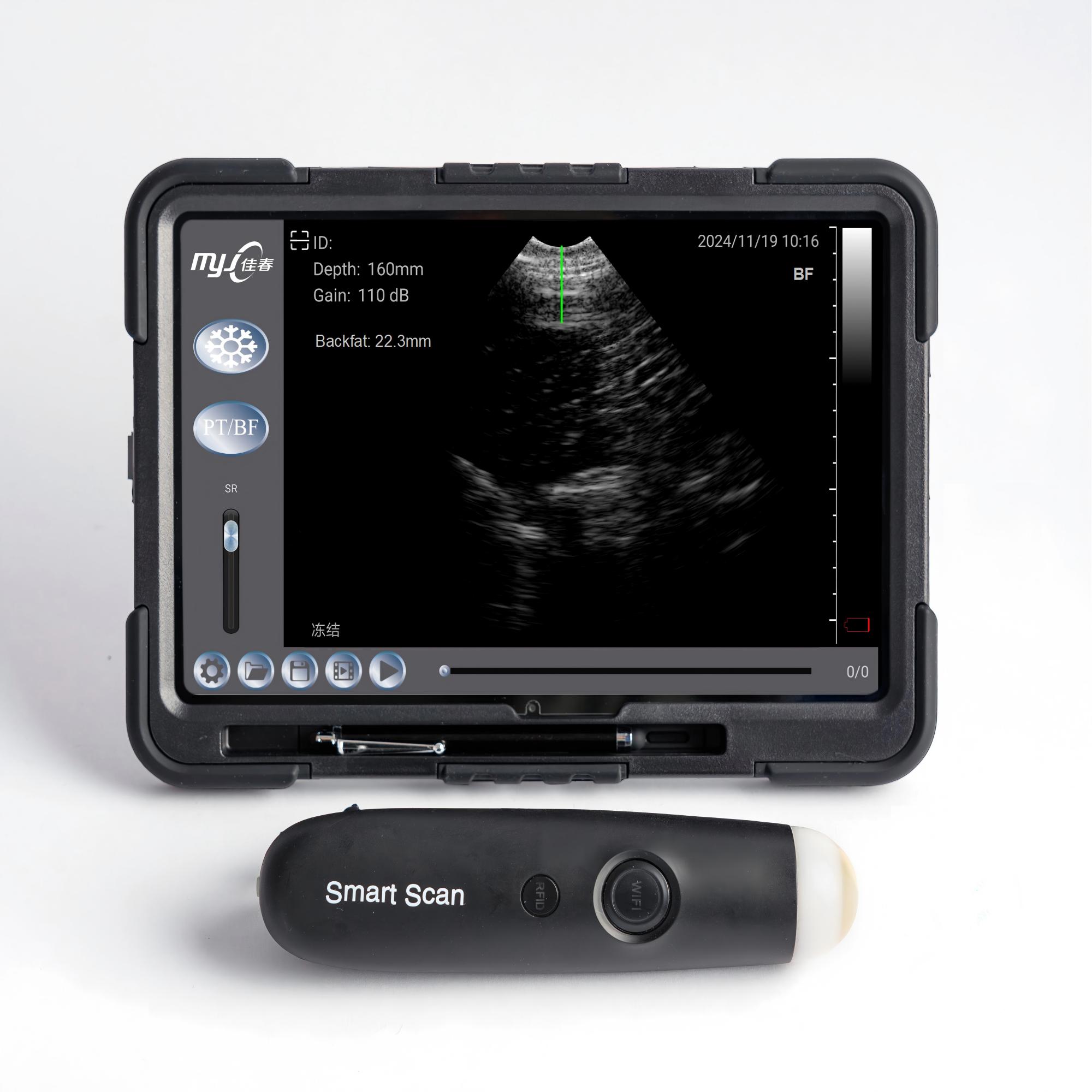
| Product Gallery | 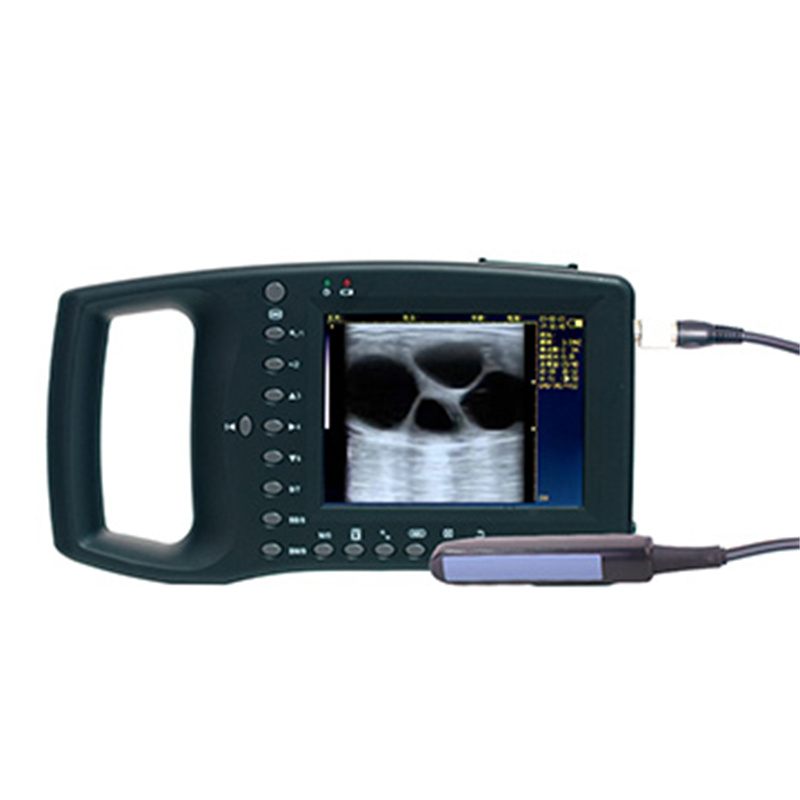 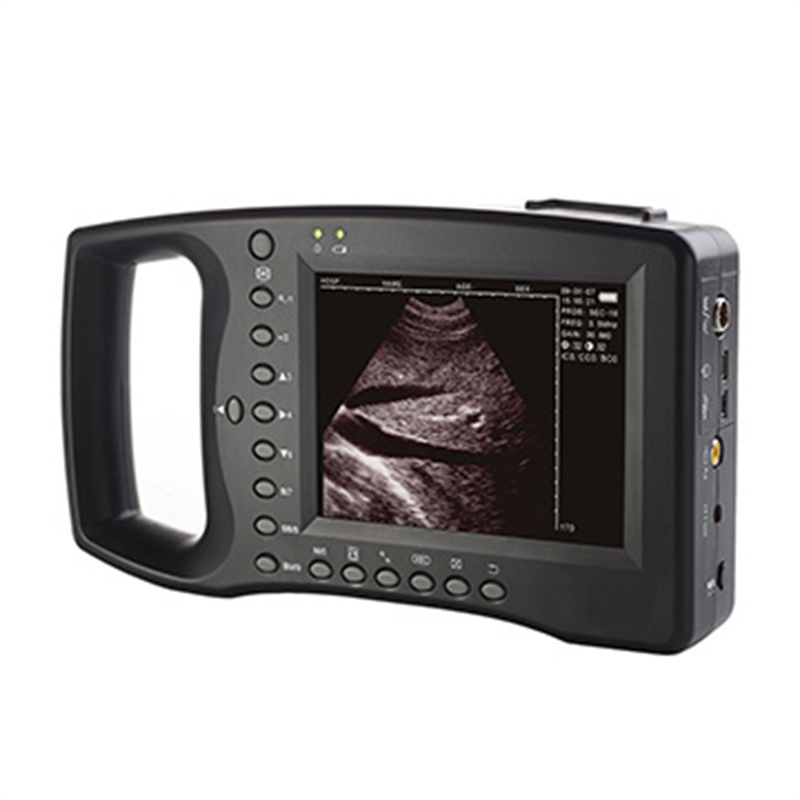 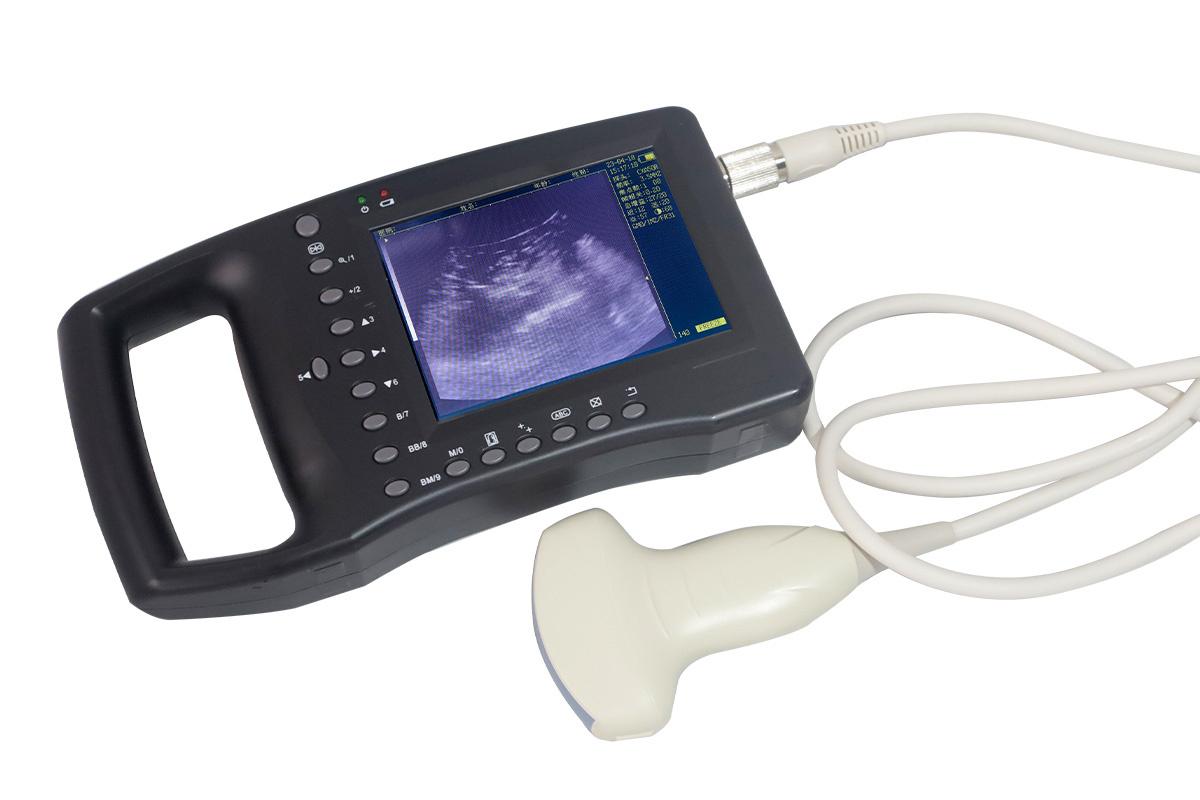 |
- Home
-
Products
- Pig Farming Equipment
- Cattle Farming Equipment
- Sheep & Goat Farming Equipment
- Poultry Farming Equipment
- Feeding & Drinking Systems
- Veterinary & Breeding Equipment
- Testing & Diagnostic Equipment
- Cleaning & Biosecurity Equipment
- Climate Control Equipment
- Livestock Weighing Equipment
- Manure & Waste Management
- Farm Transport & Handling
-
Solutions
- Pig Farm Solutions
- Dairy Farm Solutions
- Beef Cattle Farm Solutions
- Sheep & Goat Farm Solutions
- Layer Farm Solutions
- Broiler Farm Solutions
- Feeding & Drinking System Solutions
- Climate Control Solutions
- Biosecurity & Disinfection Solutions
- Manure & Waste Management
- Smart Farming Solutions
- Farm Renovation and Upgrade Solutions
- Partners
- Projects
- Resources
- News
- About Us
- Contact

Comments & Inquiries
Leave your questions or requirements below. We will reply as soon as possible.