

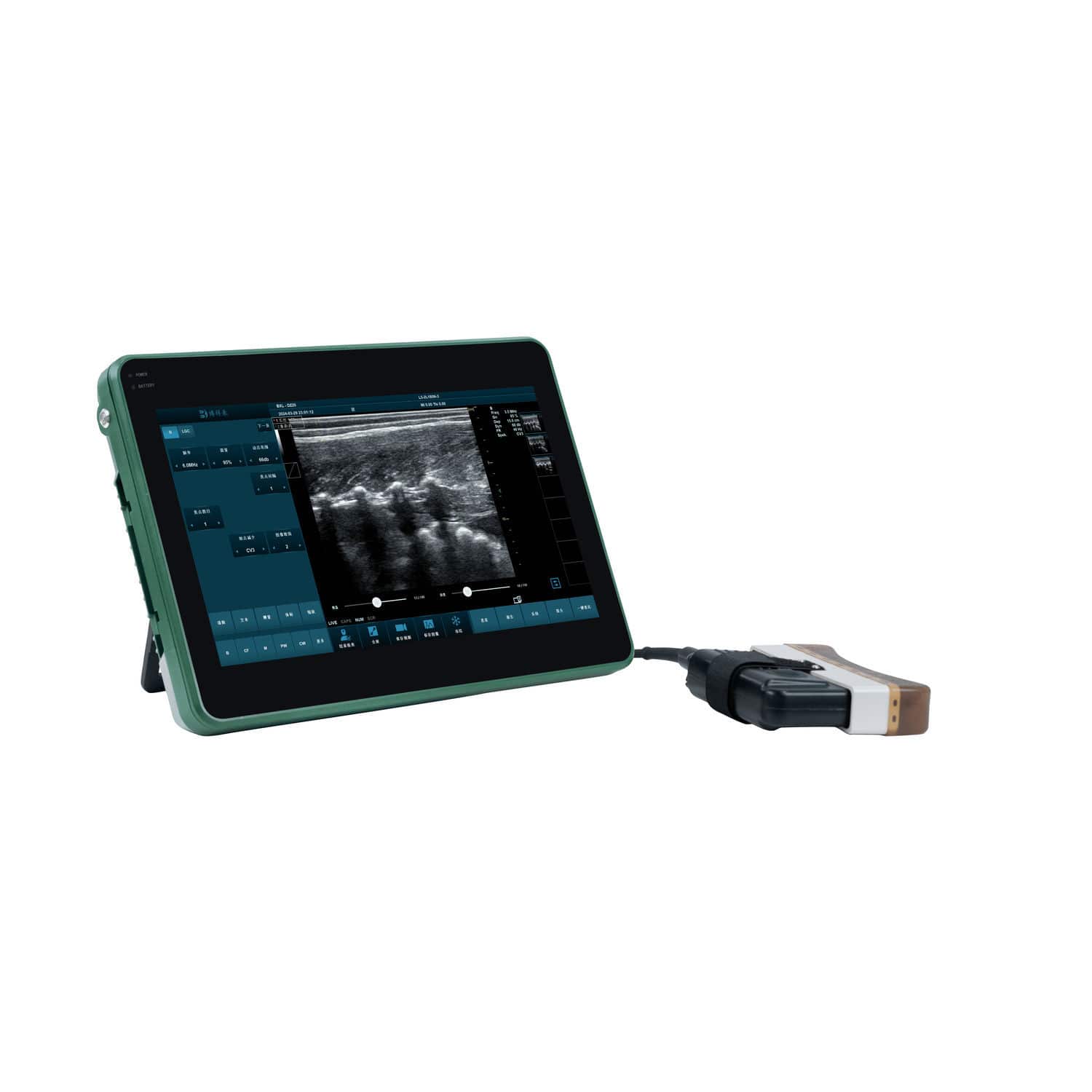

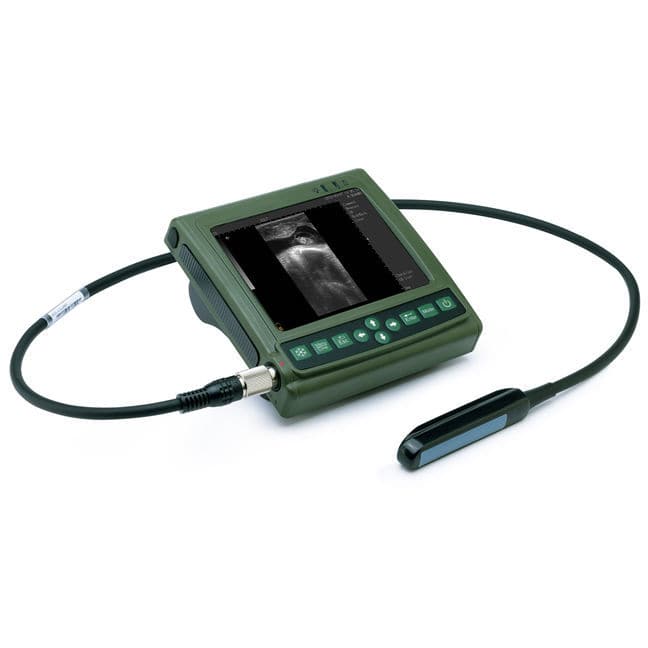
| Product Name | Sheep Loin Muscle Area Ultrasound Scanner | ||||||||||||||||||||||||||
| Product Image | 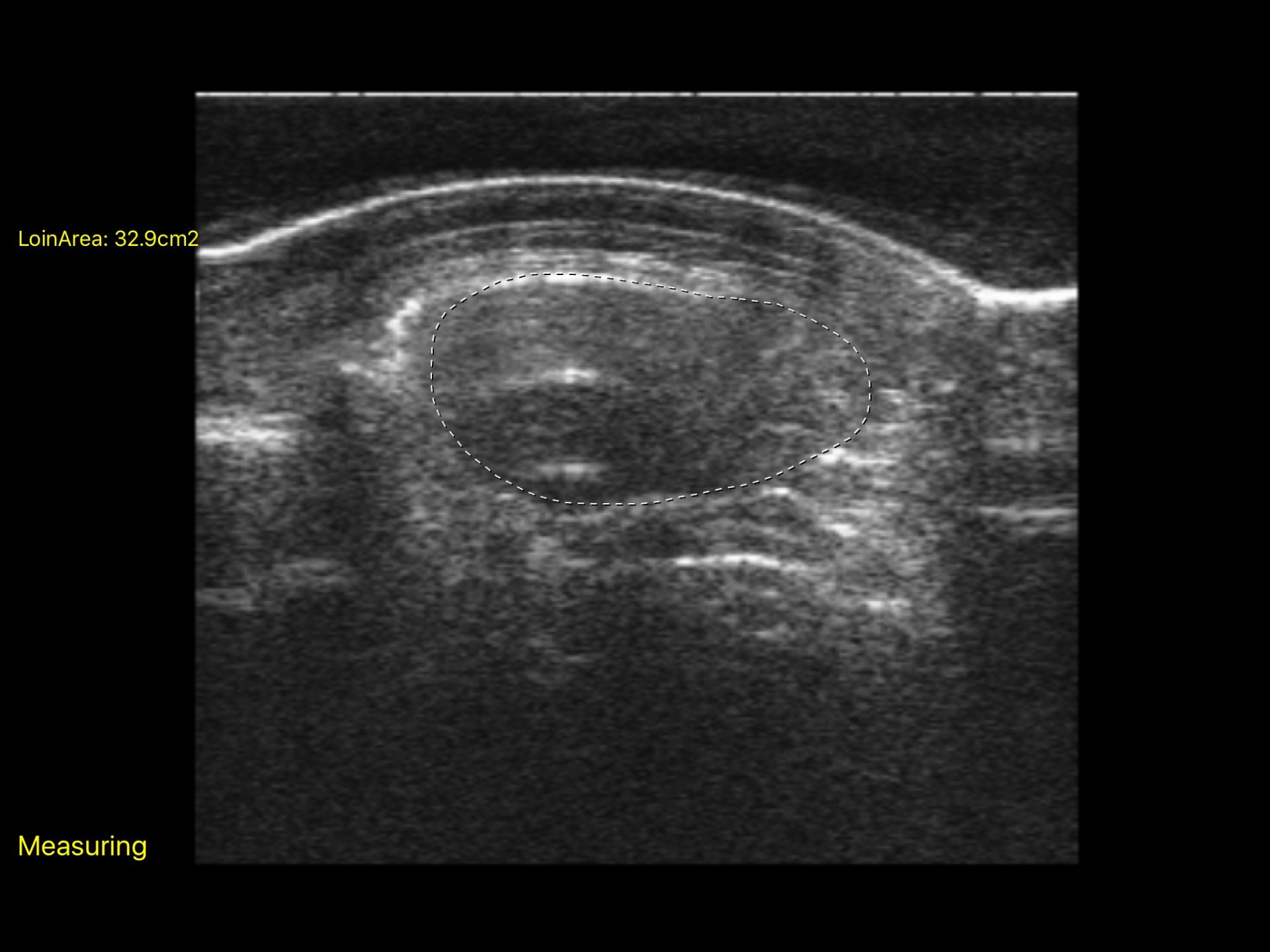 |
||||||||||||||||||||||||||
| Product Overview | The Sheep Loin Muscle Area Ultrasound Scanner is a portable livestock imaging system developed for non-invasive assessment of loin muscle and backfat characteristics in live goat-farming-equipment/" target="_blank" class="keylink">sheep. When equipped with a suitable long linear transducer and standoff pad, the system can obtain transverse ultrasound images of the loin region for measurement of muscle area, perimeter, depth and related carcass traits. It is suitable for sheep breeding farms, genetic improvement programs, ram performance testing, meat sheep production, livestock research institutes, universities and agricultural service organizations. |
||||||||||||||||||||||||||
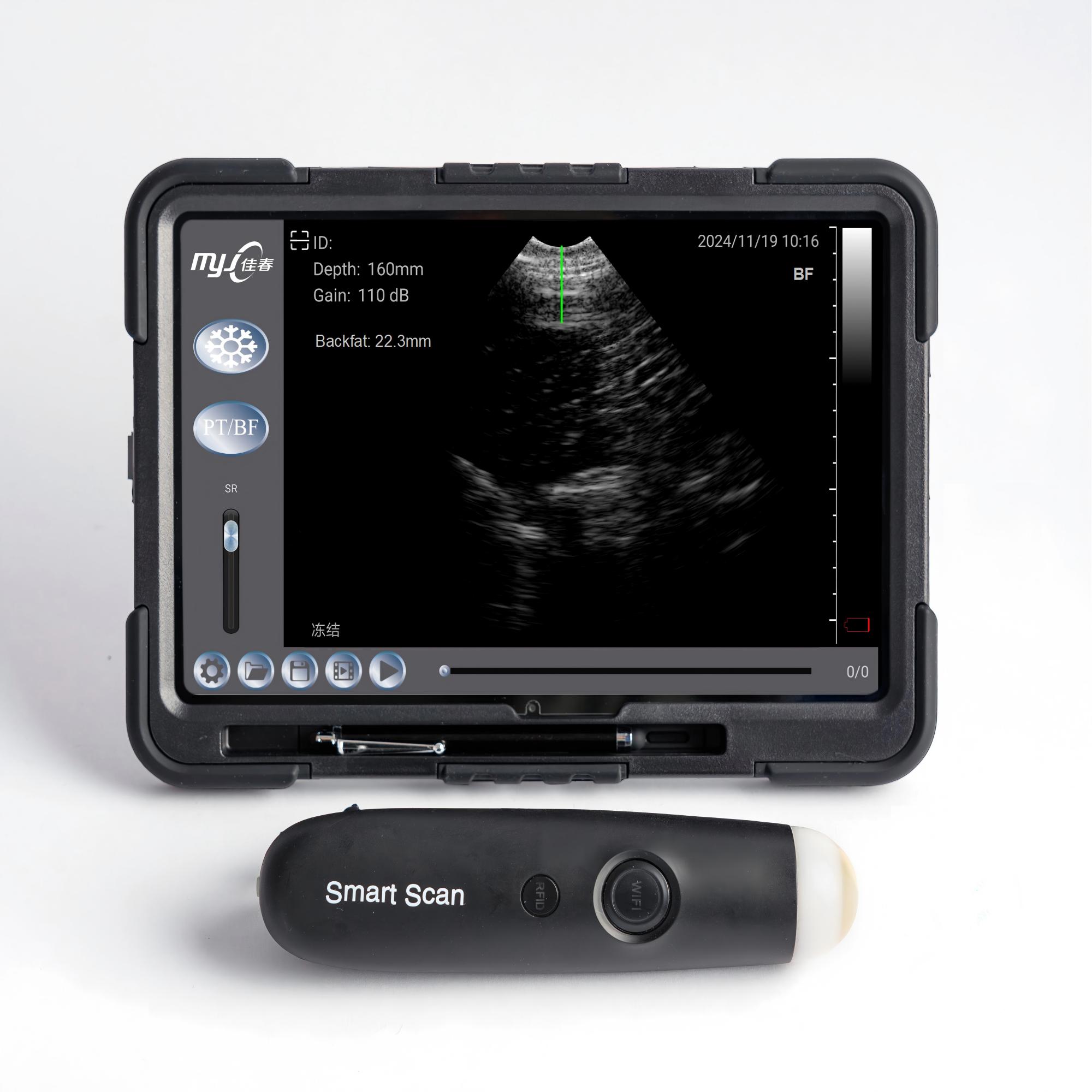
| Key Features | Non-Invasive Loin Muscle Evaluation: Allows operators to assess loin muscle characteristics in live sheep without slaughtering the animal. Loin Muscle Area Measurement: Supports transverse scanning and measurement of the perimeter and area of the loin eye when used with the appropriate probe and standoff. Backfat Assessment: Can also be used to evaluate subcutaneous fat thickness as part of sheep body composition and carcass trait assessment. Long Linear Probe Configuration: A large scanning surface helps display a wider cross-section of the loin region for muscle scoring applications. Portable Farm Operation: Compact construction supports use in sheep barns, breeding stations, performance testing centers and field livestock programs. Quantitative Measurement Tools: Measurement functions may include distance, perimeter and area according to scanner configuration. Breeding Program Support: Ultrasound-derived muscle and fat measurements can provide objective information for genetic selection and carcass performance programs. |
||||||||||||||||||||||||||
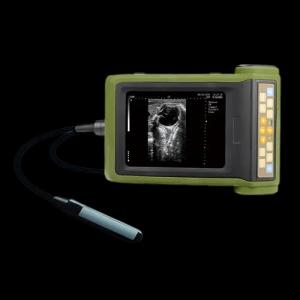
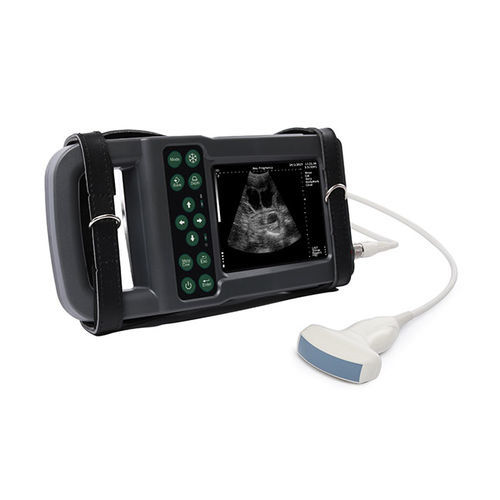
| Structural Components | Portable Ultrasound Main Unit: Processes ultrasound signals and displays real-time B-mode images. Long Linear Backfat / Muscle Probe: Designed to provide a wide scanning field for livestock loin muscle and backfat measurements. Standoff Pad: Helps conform the linear probe to the curved body surface and supports full transverse visualization of the loin eye. LCD Display: Provides real-time visualization of skin, fat, muscle and underlying anatomical structures. Measurement Software: Supports quantitative evaluation of dimensions such as distance, perimeter and area according to system configuration. Rechargeable Battery System: Supports portable operation in barns and field environments. |
||||||||||||||||||||||||||
| Working Principle | The scanner uses real-time B-mode ultrasonography to visualize the loin muscle and surrounding tissues in live sheep. A suitable acoustic coupling medium is applied to the scanning area and the long linear transducer is positioned over the selected loin location. For transverse loin eye imaging, a compatible standoff pad can be placed between the probe and animal to improve contact and help display the complete muscle cross-section. Ultrasound pulses pass through the skin, subcutaneous fat and muscle. Echoes reflected from tissue boundaries are converted into grayscale images. The operator can then trace or measure the muscle boundary to obtain loin muscle area and related dimensions. |
||||||||||||||||||||||||||
| Technical Specifications |
|
||||||||||||||||||||||||||
| Applications | Sheep Breeding Selection: Provides objective measurements of loin muscle and fat traits for ram and ewe performance evaluation. Meat Sheep Genetic Programs: Ultrasound-derived loin measurements can be incorporated into breeding records and genetic improvement programs. Ram Performance Testing: Suitable for evaluating muscle development and carcass-related traits in young breeding rams. Carcass Trait Prediction: Live-animal ultrasound can be used to estimate loin muscle and fat characteristics associated with carcass composition. Commercial Meat Sheep Farms: Supports evaluation of growth, muscling and finishing condition before breeding or marketing decisions. Livestock Research: Suitable for universities, animal science institutes and research programs studying growth, nutrition, body composition and carcass performance. |
||||||||||||||||||||||||||
| Customization Options | System configuration can be selected according to flock size, breeding objectives and measurement requirements. Available options may include: • Long linear backfat and muscle transducer • Different probe frequency configurations • Loin eye standoff pad • Measurement and analysis software • Image storage and data export functions • Additional rechargeable battery • Waterproof or protective field carrying bag • Transport case • OEM and distributor configurations Final specifications can be customized according to project requirements. |
||||||||||||||||||||||||||
| Installation & Maintenance | Before use, connect the compatible linear transducer securely to the scanner and select the appropriate livestock measurement preset. Identify the required anatomical scanning location according to the breeding, testing or research protocol. Wool at the contact area may require preparation to ensure adequate acoustic coupling. Apply sufficient coupling medium and position the probe or standoff steadily over the loin region. Adjust depth, gain and focus until the muscle boundaries are clearly visible. Freeze the optimal image before performing area, perimeter or depth measurements. After scanning, remove coupling material and clean the probe and standoff using methods compatible with their materials. Avoid dropping the transducer, sharply bending the probe cable or allowing moisture to enter electrical connectors. |
||||||||||||||||||||||||||
| Project Cases | Sheep loin muscle ultrasound systems can be integrated into ram performance testing, pedigree flock recording, meat sheep breeding programs, university research projects and commercial flock improvement programs. For larger agricultural projects, individual ultrasound records can be combined with live weight, pedigree and growth data to support long-term breeding and carcass performance evaluation. |
||||||||||||||||||||||||||
| Product FAQ | Q: What does a sheep loin muscle ultrasound scanner measure? A: Depending on system configuration, it can measure loin muscle area, muscle depth, muscle width, perimeter and backfat thickness in live sheep. Q: Can loin muscle area be measured without slaughtering the sheep? A: Yes. Real-time ultrasound provides a non-invasive method for estimating loin muscle and fat characteristics in live animals. Q: Why is a long linear probe used? A: A long linear transducer provides a wider imaging field, helping the operator visualize the complete transverse loin muscle section. Q: What is the purpose of the standoff pad? A: The standoff improves contact between the long linear probe and the curved body surface and helps display the full loin eye for perimeter and area measurement. Q: Can this scanner also measure backfat? A: Yes. A compatible livestock linear probe can support both muscle and subcutaneous fat measurements. Q: Is it suitable for sheep breeding programs? A: Yes. Loin muscle area, muscle depth and backfat measurements can provide useful objective data for breeding and performance recording programs. Q: Can probe and software configurations be customized? A: Yes. Probe type, frequency, analysis functions, data storage and accessories can be supplied according to project requirements. |
||||||||||||||||||||||||||
| Product Gallery |  |
- Home
-
Products
- Pig Farming Equipment
- Cattle Farming Equipment
- Sheep & Goat Farming Equipment
- Poultry Farming Equipment
- Feeding & Drinking Systems
- Veterinary & Breeding Equipment
- Testing & Diagnostic Equipment
- Cleaning & Biosecurity Equipment
- Climate Control Equipment
- Livestock Weighing Equipment
- Manure & Waste Management
- Farm Transport & Handling
-
Solutions
- Pig Farm Solutions
- Dairy Farm Solutions
- Beef Cattle Farm Solutions
- Sheep & Goat Farm Solutions
- Layer Farm Solutions
- Broiler Farm Solutions
- Feeding & Drinking System Solutions
- Climate Control Solutions
- Biosecurity & Disinfection Solutions
- Manure & Waste Management
- Smart Farming Solutions
- Farm Renovation and Upgrade Solutions
- Partners
- Projects
- Resources
- News
- About Us
- Contact

Comments & Inquiries
Leave your questions or requirements below. We will reply as soon as possible.