

| Product Name | Smart Cattle Temperature Monitoring Ear Tag | ||||||||||||||||||||||||||||
| Product Image | 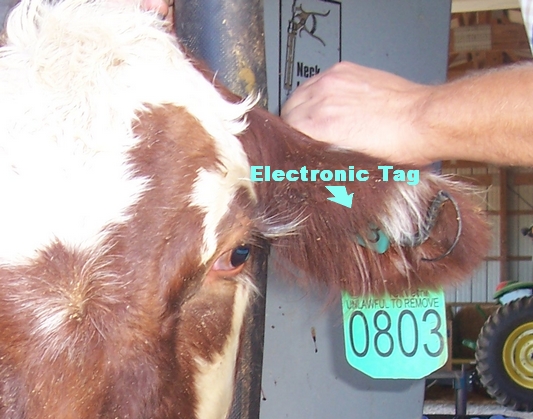 |
||||||||||||||||||||||||||||
| Product Overview | The Smart Cattle Temperature Monitoring Ear Tag is an electronic livestock monitoring device designed to collect individual animal temperature and activity data for digital herd management. Installed on the animal's ear, the sensor can continuously monitor physiological and behavioral changes and transmit data to a compatible farm monitoring platform. The system is suitable for feedlots, dairy farms, beef cattle operations, backgrounding yards, breeding farms and large-scale livestock projects where continuous individual-animal monitoring can improve daily inspection efficiency. Temperature and activity trends can help farm personnel identify cattle that deviate from their normal baseline so animals requiring further observation can be located and assessed earlier. Smart monitoring should be used as a management support tool rather than as a replacement for veterinary diagnosis. |
||||||||||||||||||||||||||||
| Key Features | Continuous Temperature Monitoring: Electronic sensing technology collects temperature-related data from the animal throughout the monitoring period. Activity Monitoring: An integrated motion sensor can record animal activity and identify changes from individual baseline behavior. Individual Animal Tracking: Each electronic ear tag can be associated with a unique animal identification number for herd-level data management. Automatic Data Transmission: Sensor information can be transmitted through a compatible antenna, gateway or wireless livestock communication network to the management platform. Abnormality Alerts: Software can analyze temperature and activity trends and flag animals requiring closer inspection. Reduced Manual Observation Workload: Continuous monitoring can support more targeted cattle inspections instead of relying only on visual observation of the entire herd. Farm-Ready Construction: Housing and attachment structures can be designed for routine exposure to dust, moisture and daily cattle movement. |
||||||||||||||||||||||||||||
| Structural Components | Electronic Ear Tag Housing: Protects the sensor electronics, communication components and internal power supply. Temperature Sensor: Collects temperature-related data from the ear or ear-canal region according to the selected sensor configuration. Motion Sensor: A built-in accelerometer can monitor changes in animal movement and activity. Wireless Communication Module: Transfers monitoring data to a farm antenna, receiver or gateway. Battery: Provides independent power for continuous field operation. Ear Tag Pin and Retention System: Secures the electronic tag to the animal using a livestock ear-tagging method. Optional Visual Indicator: Selected configurations may include an LED or other identification feature to help workers locate flagged animals. |
||||||||||||||||||||||||||||
| Working Principle | After the electronic ear tag is assigned to an individual animal, integrated sensors continuously collect temperature and activity information. In systems using ear-temperature sensing, temperature fluctuations are measured near the ear or ear canal while an accelerometer records animal movement. The collected data is transmitted to an on-farm receiver or antenna and then forwarded through a gateway to the livestock monitoring platform. Software compares current measurements with historical animal data or herd-level patterns. When an animal shows an unusual change in temperature, activity or combined behavior, the platform can generate an alert for further observation. Selected systems can also activate a visual indicator on the ear tag to simplify identification of the animal in a pen. This monitoring approach is designed to provide real-time or near-real-time management information and support earlier investigation of abnormal animals. :contentReference[oaicite:0]{index=0} |
||||||||||||||||||||||||||||
| Technical Specifications |
|
||||||||||||||||||||||||||||
| Applications | Feedlot Health Monitoring: Supports continuous observation of temperature and activity changes across large groups of cattle. Beef Cattle Operations: Provides individual-animal monitoring data for commercial beef production and backgrounding facilities. Dairy Herd Monitoring: Can be integrated into digital herd management systems where individual activity and health trends need to be monitored. Early Animal Assessment: Animals with unusual sensor patterns can be identified for closer visual examination and veterinary evaluation. Large-Scale Livestock Projects: Suitable for operations seeking centralized monitoring of hundreds or thousands of animals. Remote Herd Management: Compatible software can deliver monitoring information to farm computers or mobile devices, depending on the system configuration. |
||||||||||||||||||||||||||||
| Customization Options | Smart cattle monitoring systems can be configured according to farm size, livestock management objectives and communication infrastructure. Available options may include: • Temperature-only or temperature-and-activity monitoring • Individual electronic identification integration • Wireless gateway and antenna quantity according to farm coverage • Mobile and web-based monitoring platforms • LED animal identification function where available • Data reporting and alert settings • API or farm management system integration where supported • Custom livestock identification and tag coding • OEM and distributor configurations Communication distance, battery life, sensor range and software functions should be confirmed according to the selected model and project requirements. |
||||||||||||||||||||||||||||
| Installation & Maintenance | Before installation, assign each electronic ear tag to the correct animal identification record in the monitoring platform. Use a compatible livestock ear-tag applicator and select an appropriate position in the ear. Avoid major blood vessels and prominent cartilage ridges. Correct placement helps improve tag retention and reduces the risk of irritation. :contentReference[oaicite:1]{index=1} Install farm antennas or gateways in suitable positions according to the communication coverage requirements of cattle pens, handling areas and livestock buildings. After installation, confirm that the tag is communicating correctly and that animal data appears in the management platform. Inspect electronic tags regularly for damage, excessive dirt, loose attachment or abnormal movement. Check antenna, gateway and network status as part of routine farm maintenance. Monitor the animal after tagging for signs of irritation or infection and follow appropriate veterinary procedures if a problem is observed. |
||||||||||||||||||||||||||||
| Project Cases | Smart cattle monitoring ear tags can be deployed in feedlots, dairy farms, beef farms, breeding operations and livestock demonstration projects requiring individual-animal monitoring and centralized digital management. A complete project can include electronic tags, strategically positioned antennas, a communication gateway and cloud or local data-management software. Commercial systems use this architecture to collect individual temperature and activity information and deliver alerts to farm personnel. :contentReference[oaicite:2]{index=2} System quantity and communication layout can be designed according to cattle population, pen arrangement, building structure and local farm conditions. |
||||||||||||||||||||||||||||
| Product FAQ | Q: What does a smart cattle monitoring ear tag measure? A: Depending on the configuration, it can monitor temperature, animal activity and other behavioral data used by the herd management platform. Q: Can the ear tag detect sick cattle automatically? A: The system can identify abnormal temperature or activity patterns and flag animals for further assessment. Final diagnosis and treatment decisions should be made by qualified farm personnel and veterinarians. Q: How is temperature measured? A: The sensing method depends on the tag design. Commercial cattle monitoring systems can use an infrared thermistor to capture temperature data associated with the ear or ear-canal region. :contentReference[oaicite:3]{index=3} Q: Can it also monitor animal activity? A: Yes. Selected electronic ear tags use a built-in accelerometer to monitor movement and compare current activity with the animal's normal baseline. :contentReference[oaicite:4]{index=4} Q: How is the information sent to farm staff? A: The tag transmits data through the farm communication network to a gateway and software platform. Alerts and animal reports can then be viewed on compatible computers or mobile devices. Q: Is this suitable for large feedlots? A: Yes. Networked electronic monitoring systems are particularly useful where large cattle populations make continuous individual visual observation difficult. Q: Does the system replace veterinary examination? A: No. It is a monitoring and decision-support system designed to identify animals that may require closer assessment. Q: Can the system configuration be customized? A: Yes. Tag quantity, antenna coverage, gateway configuration, software functions and data integration can be selected according to project requirements. |
||||||||||||||||||||||||||||
| Product Gallery | 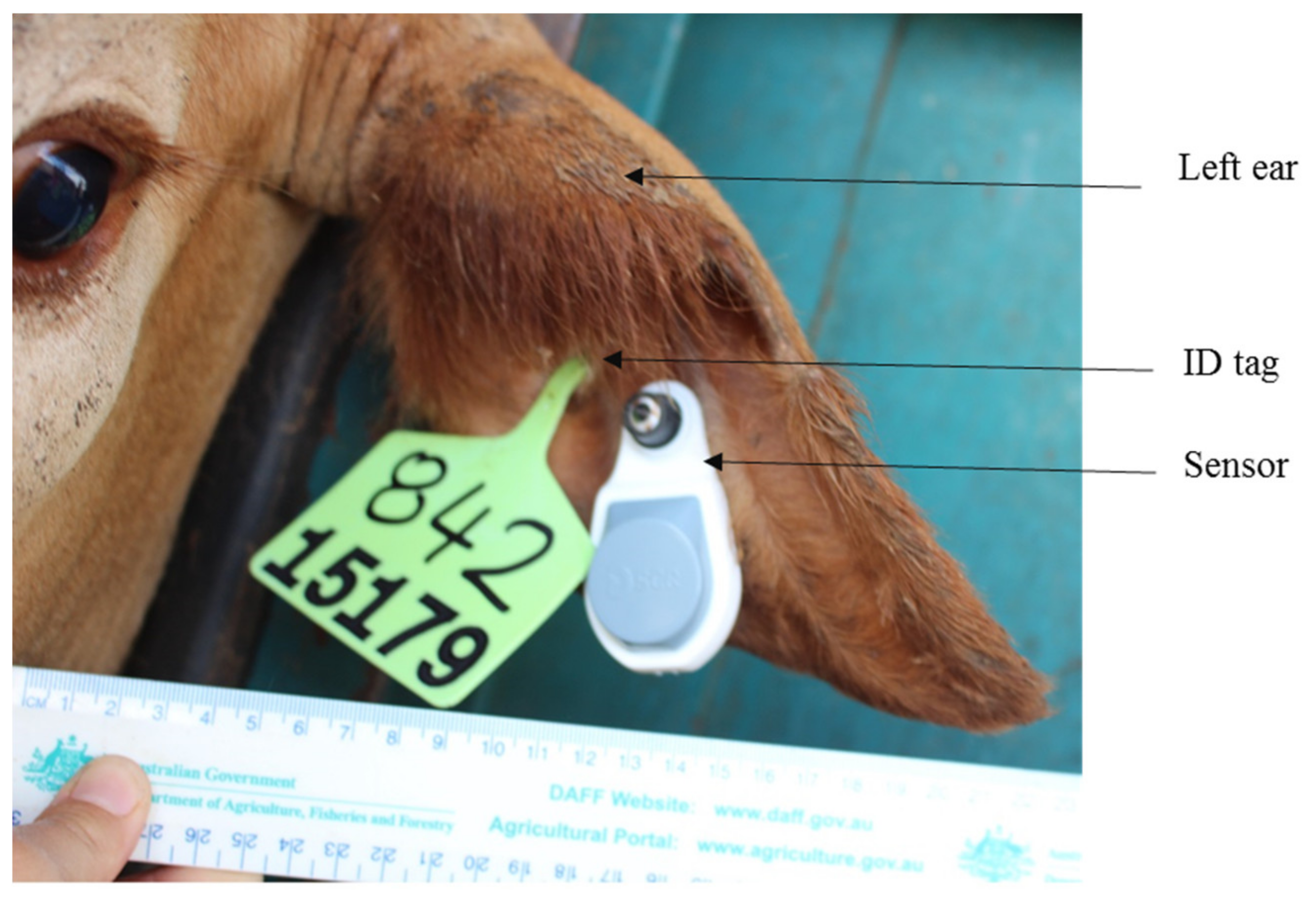 |
- Home
-
Products
- Pig Farming Equipment
- Cattle Farming Equipment
- Sheep & Goat Farming Equipment
- Poultry Farming Equipment
- Feeding & Drinking Systems
- Veterinary & Breeding Equipment
- Testing & Diagnostic Equipment
- Cleaning & Biosecurity Equipment
- Climate Control Equipment
- Livestock Weighing Equipment
- Manure & Waste Management
- Farm Transport & Handling
-
Solutions
- Pig Farm Solutions
- Dairy Farm Solutions
- Beef Cattle Farm Solutions
- Sheep & Goat Farm Solutions
- Layer Farm Solutions
- Broiler Farm Solutions
- Feeding & Drinking System Solutions
- Climate Control Solutions
- Biosecurity & Disinfection Solutions
- Manure & Waste Management
- Smart Farming Solutions
- Farm Renovation and Upgrade Solutions
- Partners
- Projects
- Resources
- News
- About Us
- Contact
Comments & Inquiries
Leave your questions or requirements below. We will reply as soon as possible.