

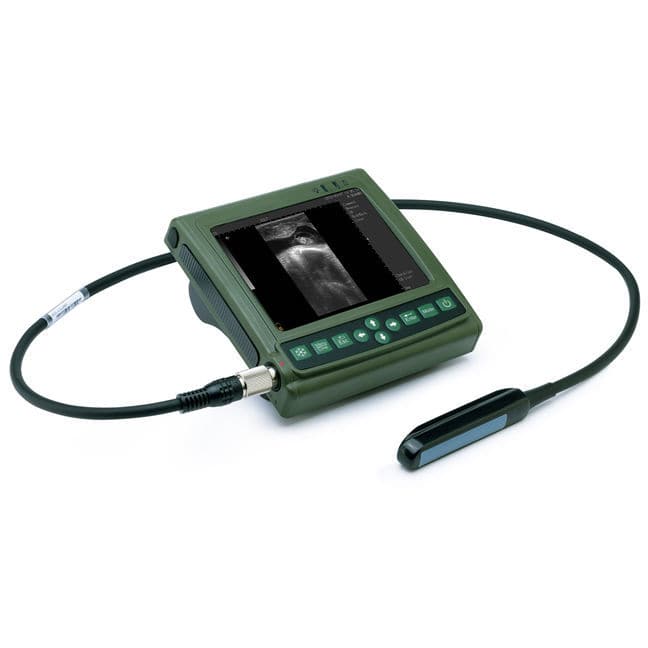
| Product Name | Swine Backfat and Loin Muscle Measurement Scanner | ||||||||||||||||||||||||||||||||||
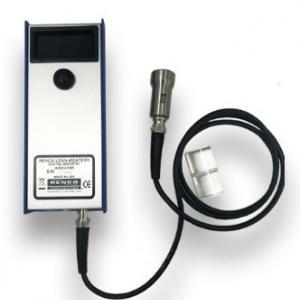
| Product Image | 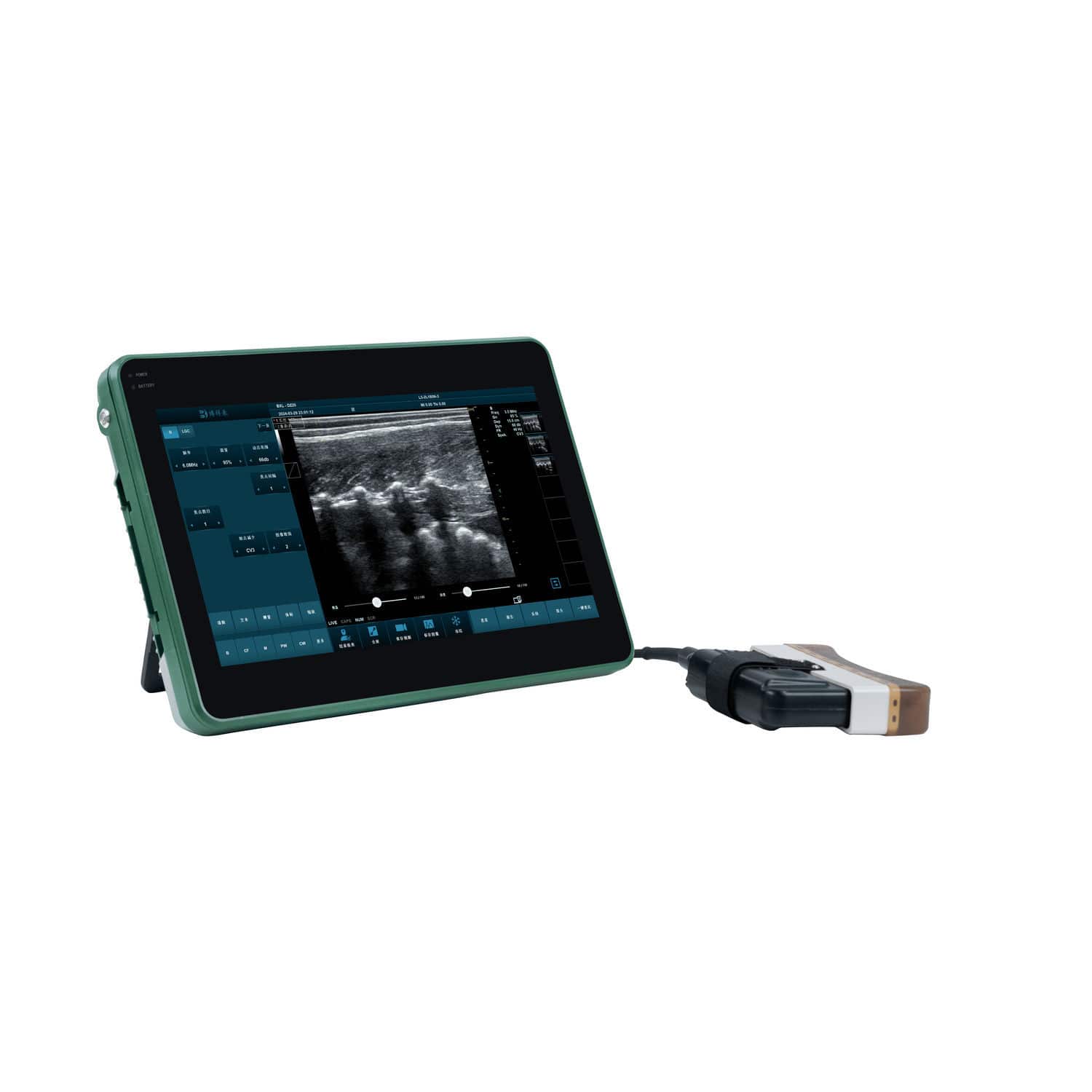 |
||||||||||||||||||||||||||||||||||
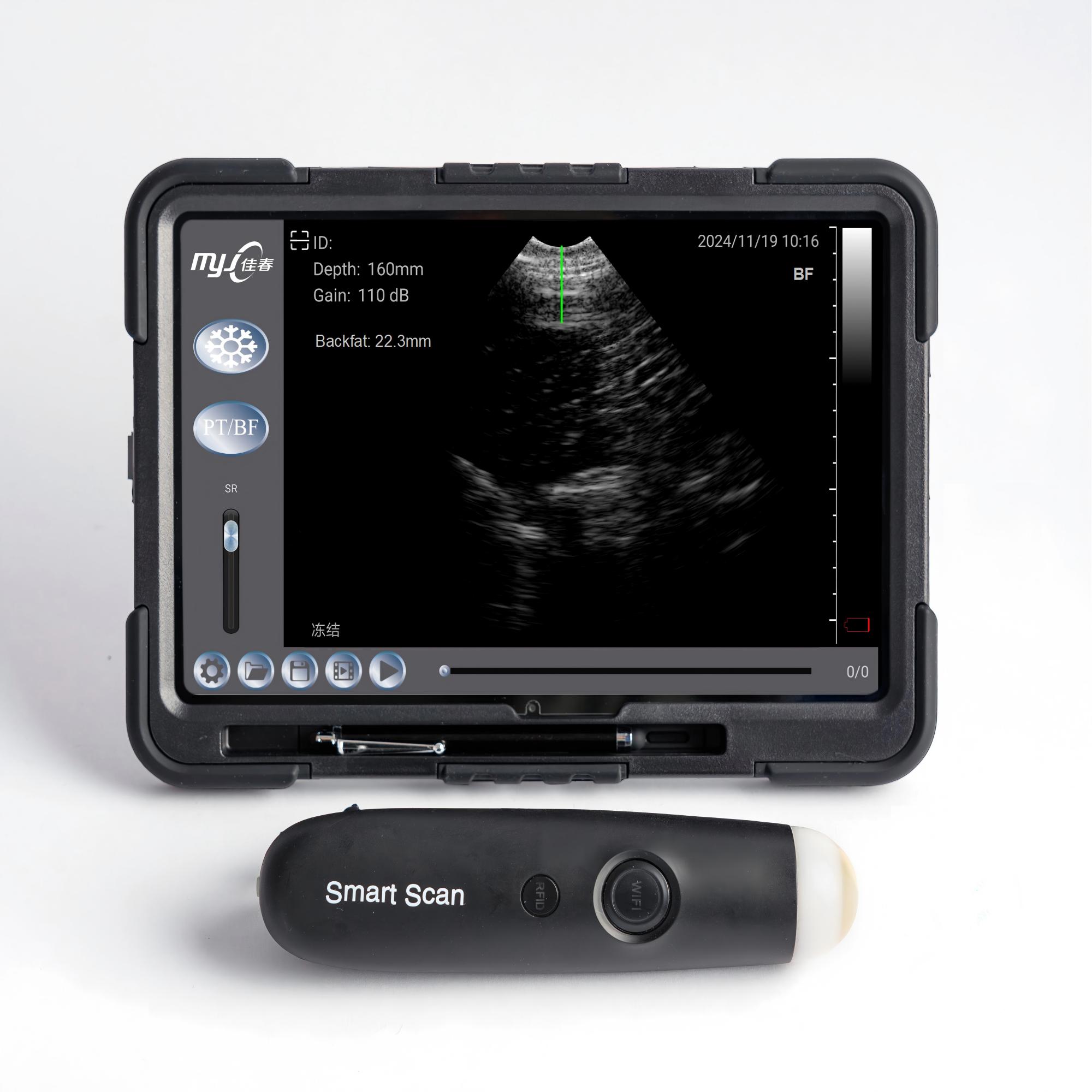
| Product Overview | The Swine Backfat and Loin Muscle Measurement Scanner is a professional veterinary ultrasound system developed for non-invasive evaluation of backfat thickness, loin muscle development and related carcass traits in live pigs. By combining real-time ultrasound imaging with a dedicated livestock backfat linear probe, the system allows trained operators to identify skin, subcutaneous fat layers and loin muscle structures before performing quantitative measurements. It is suitable for nucleus breeding farms, genetic selection programs, commercial pig farms, livestock testing centers, veterinary institutions, agricultural universities and animal production research projects. |
||||||||||||||||||||||||||||||||||
| Key Features | Non-Invasive Live Pig Measurement: Measures important fat and muscle traits without slaughtering the animal, making repeated evaluation possible during the production cycle. Backfat Thickness Assessment: Real-time ultrasound images allow operators to distinguish subcutaneous fat layers and measure fat depth at designated anatomical locations. Loin Muscle Evaluation: Supports visualization and measurement of loin muscle structures for breeding and production analysis. Dedicated Livestock Probe: Compatible with an animal-specific long linear backfat and eye-muscle transducer designed for livestock body composition scanning. High-Definition Touchscreen: Large touchscreen operation facilitates image adjustment, measurement, annotation and review during farm and laboratory use. Portable Farm Configuration: Integrated handle, adjustable support structure and battery operation make the scanner suitable for movement between barns and livestock testing areas. Multiple Imaging Functions: Supports B-mode and additional veterinary ultrasound imaging modes according to selected system configuration. Data Storage Capability: Images and videos can be stored for animal records, breeding analysis and later review. |
||||||||||||||||||||||||||||||||||
| Structural Components | Ultrasound Main Unit: Processes transmitted and reflected ultrasound signals and generates real-time tissue images. Touchscreen Display: Provides access to scanning parameters, measurement functions, image storage and diagnostic controls. Backfat and Loin Muscle Probe: Long linear-array transducer designed to cover a wide scanning region over the pig's back and loin. Probe Cable and Connector: Provides signal transmission between the ultrasound transducer and main unit. Measurement Software: Supports distance, depth, area and other quantitative measurements according to the selected software package. Rechargeable Battery: Allows portable operation for livestock facilities where mains power may not always be available. Support Stand and Carrying Handle: Facilitate positioning, transport and operation within commercial farm environments. |
||||||||||||||||||||||||||||||||||
| Working Principle | A suitable ultrasound coupling medium is applied between the transducer and the animal's skin to eliminate air and improve acoustic transmission. The linear probe emits ultrasound waves through the skin, subcutaneous fat and underlying loin muscle. Different tissue boundaries reflect part of the ultrasound energy back to the transducer. The scanner processes these returning echoes and generates a real-time image showing the relevant tissue layers. The operator identifies the required anatomical interfaces and uses the integrated electronic measurement tools to determine backfat depth, muscle thickness or related loin characteristics. Accurate results depend on standardized scanning position, correct probe orientation, sufficient acoustic coupling and consistent measurement procedures. |
||||||||||||||||||||||||||||||||||
| Technical Specifications |
|
||||||||||||||||||||||||||||||||||
| Applications | Breeding Pig Selection: Provides objective backfat and loin muscle data for boar, gilt and sow evaluation in genetic improvement programs. Nucleus and Multiplier Farms: Suitable for standardized performance testing and selection of breeding candidates. Commercial Pig Farms: Supports monitoring of body composition, growth performance and production condition. Feed and Nutrition Evaluation: Changes in backfat and muscle development can be used as supplementary information when evaluating feeding strategies. Carcass Trait Research: Live-animal ultrasound data can support research involving carcass composition, lean development and meat production traits. Livestock Testing Stations: Suitable for agricultural institutes, universities, breeding companies and independent performance testing organizations. Large-Scale Swine Projects: Can be integrated into commercial pig farm management programs where repeated animal measurement and digital records are required. |
||||||||||||||||||||||||||||||||||
| Customization Options | System configuration can be selected according to swine breeding objectives, measurement standards and commercial farm operating requirements. Available options may include: • Dedicated livestock backfat and loin muscle linear probe • Alternative veterinary ultrasound probes • Measurement and analysis software packages • Regional power supply configuration • Image and data storage functions • Wireless keyboard and mouse • Protective transportation case • Mobile support or cart configuration • OEM and distributor packaging • Bulk procurement solutions for breeding companies and livestock projects Final configuration is customizable according to project requirements. |
||||||||||||||||||||||||||||||||||
| Installation & Maintenance | Before scanning, connect the appropriate backfat probe securely and select the corresponding veterinary examination preset. Determine the anatomical measurement location according to the breeding, production or research protocol. Prepare the skin when necessary and apply sufficient ultrasound coupling medium. Position the long linear probe steadily against the animal and adjust gain, depth, focus and image parameters until the skin, fat layers and underlying muscle boundaries can be clearly identified. After each examination, remove residual coupling material and clean the probe using methods compatible with the transducer material. Do not immerse electrical connectors unless specifically permitted by the equipment instructions. Avoid dropping the probe, twisting the cable or exposing the scanner to excessive moisture. Regularly inspect the touchscreen, battery, probe surface, cable and connector for damage. |
||||||||||||||||||||||||||||||||||
| Project Cases | Swine backfat and loin muscle scanners can be supplied for nucleus breeding farms, genetics companies, commercial pig farms, livestock testing centers, agricultural universities and meat production research programs. In commercial projects, the equipment can be used at selected growth or breeding stages to collect standardized ultrasound measurements for animal comparison, breeding records and production analysis. Probe configuration, software functions and accessory packages can be selected according to farm scale, testing frequency and project requirements. |
||||||||||||||||||||||||||||||||||
| Product FAQ | Q: What does this swine ultrasound scanner measure? A: It is primarily designed to support measurement of pig backfat thickness, loin muscle depth and related loin muscle characteristics using real-time ultrasound imaging. Q: Is the measurement non-invasive? A: Yes. Ultrasound allows fat and muscle structures to be evaluated through the skin without surgical procedures or slaughter. Q: Is a special probe required for backfat measurement? A: A dedicated long linear livestock backfat probe is recommended for consistent swine backfat and loin muscle scanning. Q: Can it be used for breeding pig selection? A: Yes. Backfat and loin muscle measurements can provide useful objective information for breeding selection and performance testing programs. Q: Can images and measurement records be saved? A: Image and video storage functions are available according to the selected system configuration. Q: Can it operate inside commercial pig barns? A: Yes. The portable design, rechargeable battery and livestock-oriented construction make it suitable for farm and field applications when appropriate operating and hygiene procedures are followed. Q: Can other veterinary probes be connected? A: Multiple probe types may be available depending on the ultrasound platform. Compatibility should be confirmed according to the required animal and examination application. Q: Can the configuration be customized for a large breeding project? A: Yes. Probe type, software, accessories, power configuration and procurement package can be customized according to project requirements. |
||||||||||||||||||||||||||||||||||
| Product Gallery | 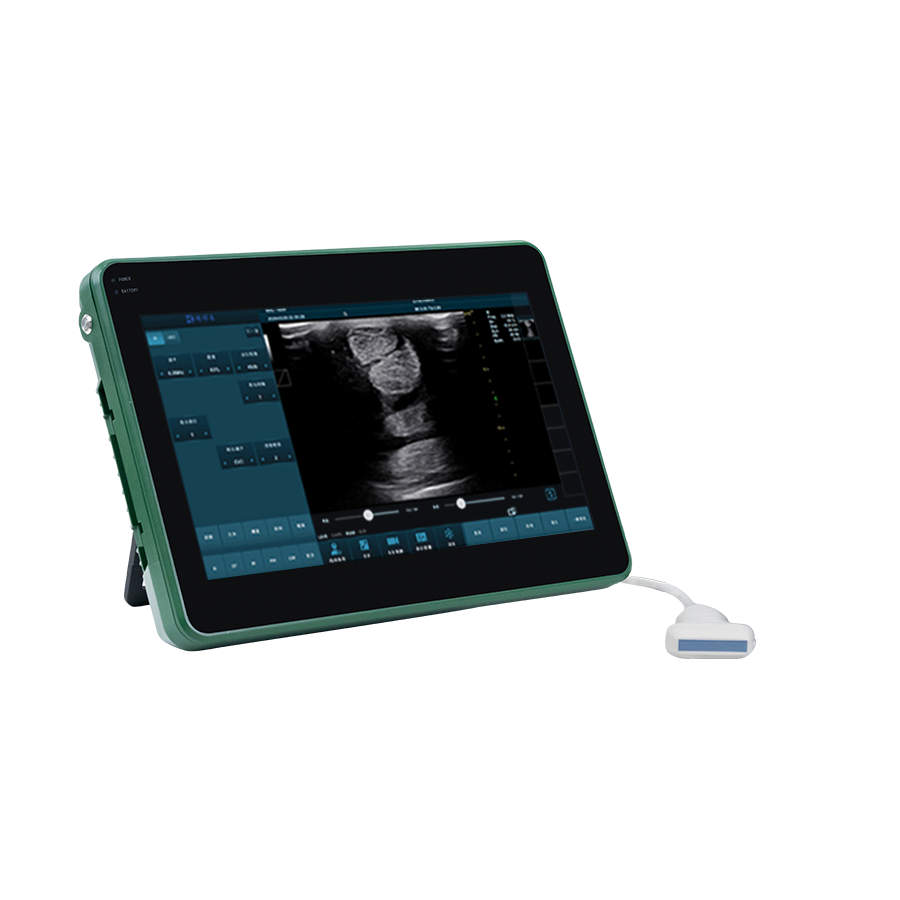 |
- Home
-
Products
- Pig Farming Equipment
- Cattle Farming Equipment
- Sheep & Goat Farming Equipment
- Poultry Farming Equipment
- Feeding & Drinking Systems
- Veterinary & Breeding Equipment
- Testing & Diagnostic Equipment
- Cleaning & Biosecurity Equipment
- Climate Control Equipment
- Livestock Weighing Equipment
- Manure & Waste Management
- Farm Transport & Handling
-
Solutions
- Pig Farm Solutions
- Dairy Farm Solutions
- Beef Cattle Farm Solutions
- Sheep & Goat Farm Solutions
- Layer Farm Solutions
- Broiler Farm Solutions
- Feeding & Drinking System Solutions
- Climate Control Solutions
- Biosecurity & Disinfection Solutions
- Manure & Waste Management
- Smart Farming Solutions
- Farm Renovation and Upgrade Solutions
- Partners
- Projects
- Resources
- News
- About Us
- Contact
Comments & Inquiries
Leave your questions or requirements below. We will reply as soon as possible.