
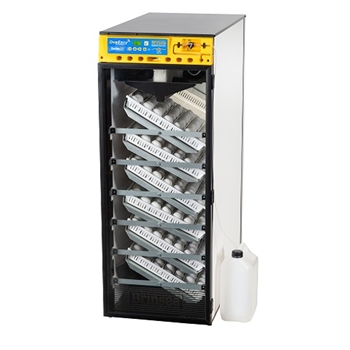
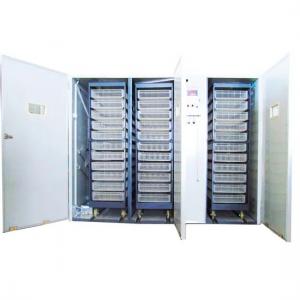
| Product Name | Duck Egg Incubator | ||||||||||||||||||||||||||
| Product Image | 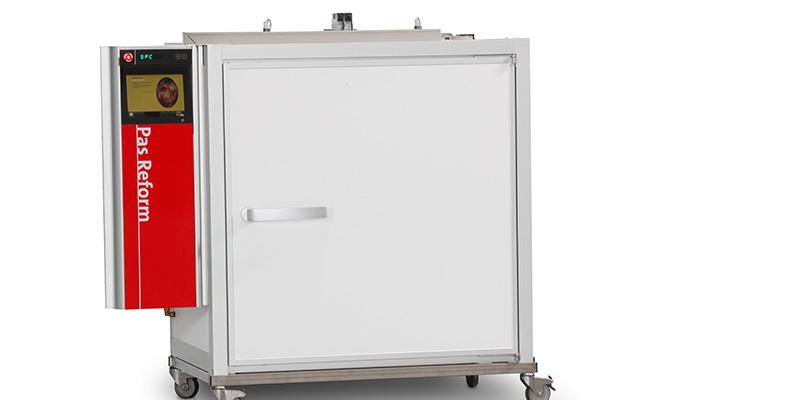 |
||||||||||||||||||||||||||
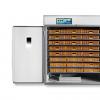
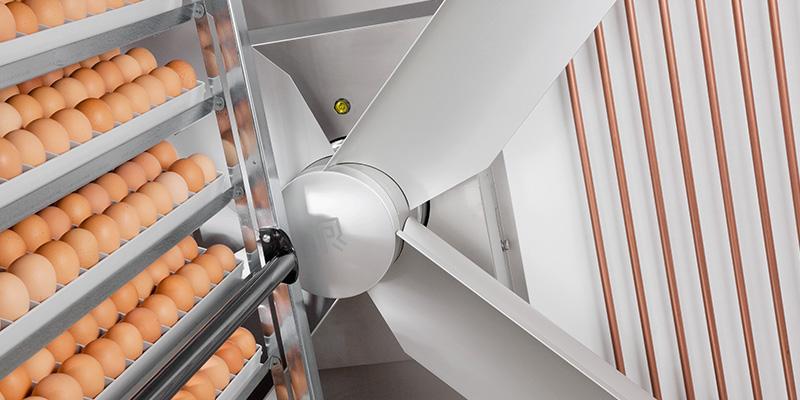
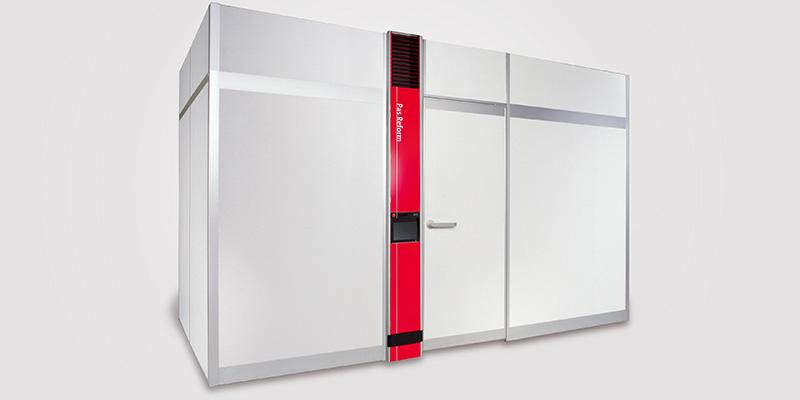
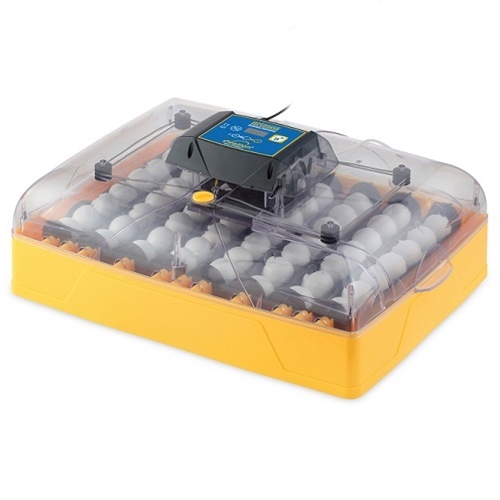
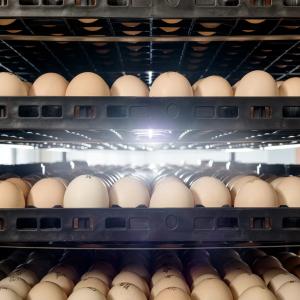
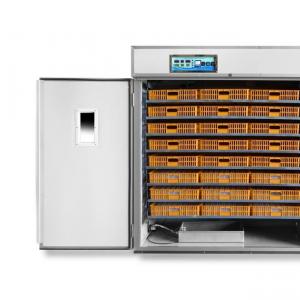
| Product Overview | The Duck Egg Incubator is a commercial hatchery solution designed to provide stable and controlled incubation conditions for fertile duck eggs. It can be configured as a setter, a hatcher or a combined setting and hatching unit according to hatchery capacity and production workflow. The system integrates automatic egg turning, temperature control, humidity control and forced-air circulation to support uniform embryo development. Duck-specific trays with an open grid structure can help promote even movement of air around larger eggs and improve heat and humidity distribution throughout the incubation chamber. The incubator is suitable for duck breeding farms, commercial hatcheries, waterfowl production projects and integrated poultry operations requiring reliable and repeatable incubation performance. |
||||||||||||||||||||||||||
| Key Features |
|
||||||||||||||||||||||||||
| Structural Components |
|
||||||||||||||||||||||||||
| Working Principle | Fertile duck eggs are placed on duck-specific setter trays and loaded into the incubation chamber. The control system regulates temperature, humidity and ventilation according to the programmed incubation profile. During the setter stage, the automatic turning mechanism periodically rotates the trays to change egg position. Reliable commercial systems may rotate eggs through a wide mechanical turning angle at programmed intervals. The open structure of duck egg trays allows air to circulate freely around the eggs, supporting more uniform heat and humidity distribution. At the transfer stage, eggs can be moved into hatching baskets or a dedicated hatcher, depending on the selected system configuration. |
||||||||||||||||||||||||||
| Technical Specifications |
|
||||||||||||||||||||||||||
| Applications |
|
||||||||||||||||||||||||||
| Customization Options | The Duck Egg Incubator can be configured according to hatchery production volume, duck breed, egg size, available building space and required level of automation. Customization options may include egg capacity, tray quantity, cabinet dimensions, setter or hatcher configuration, turning system, control interface, ventilation arrangement, humidification system and electrical specification. Complete hatchery layouts can be designed according to local climate and farm conditions, production targets and future expansion requirements. |
||||||||||||||||||||||||||
| Installation & Maintenance | The incubator should be installed on a stable, level floor in a clean hatchery environment with adequate ventilation and service access. Electrical supply, cooling water and drainage should be prepared according to the selected equipment configuration. Before each incubation cycle, trays, baskets and internal surfaces should be cleaned and disinfected according to hatchery biosecurity procedures. Routine maintenance includes checking temperature and humidity sensors, egg turning components, fans, door seals, heating elements, cooling circuits and electrical connections. Moving components should be inspected regularly to maintain reliable operation. |
||||||||||||||||||||||||||
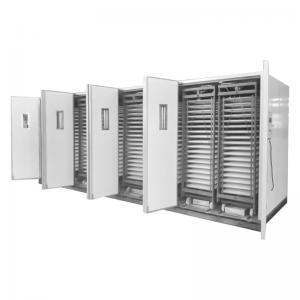
| Project Cases | In commercial duck production projects, incubators can be integrated with egg receiving, storage, pre-warming, setting, candling, transfer, hatching and duckling handling areas. For specialised hatcheries, compact combined setter-hatcher units can provide flexible production capacity. Larger projects can use multiple incubation sections or modular systems to support phased expansion and different production batches. |
||||||||||||||||||||||||||
| Product FAQ | Q: Is this incubator designed specifically for duck eggs? A: Yes. The system can be equipped with duck-specific trays and incubation settings suitable for commercial duck hatchery operations. Q: Can it perform both setting and hatching? A: Yes. Depending on the selected configuration, the unit can operate as a setter, a hatcher or a combined setter-hatcher. Q: Does the incubator turn duck eggs automatically? A: Yes. Commercial configurations can include automatic mechanical egg turning at programmed intervals. Q: Can the capacity be customized? A: Yes. Egg capacity can be designed according to hatchery output requirements and available installation space. Q: Can the incubator be integrated into a complete hatchery project? A: Yes. It can be combined with egg handling, candling, transfer, hatching, climate control and washing equipment. Q: What information is required for quotation? A: Recommended information includes duck breed, weekly egg setting volume, required capacity, setter or hatcher configuration, local electrical supply, available building dimensions and required automation level. |
||||||||||||||||||||||||||
| Product Gallery | 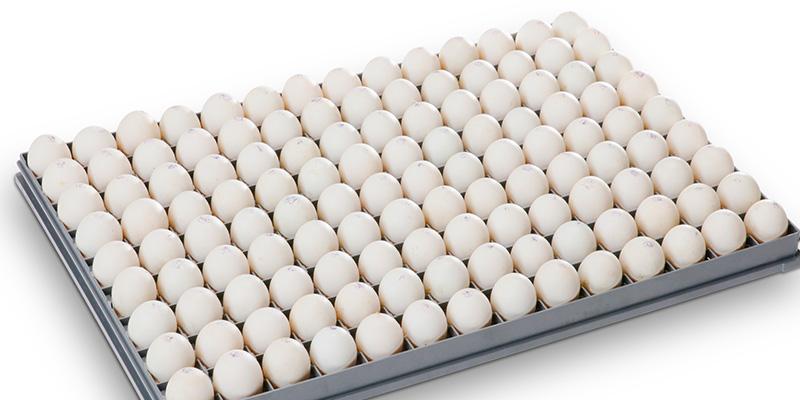 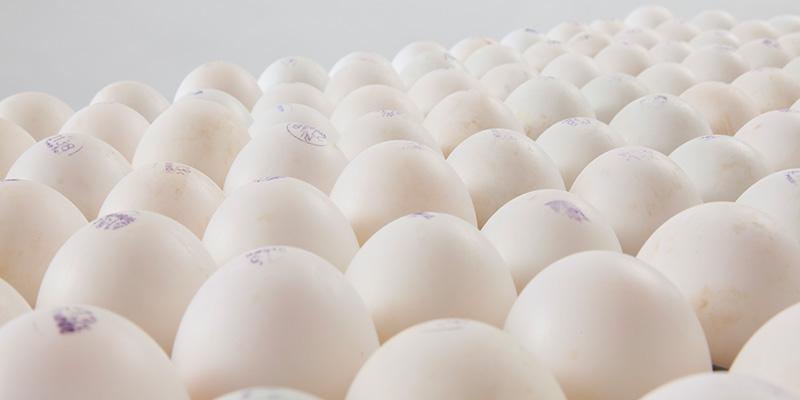 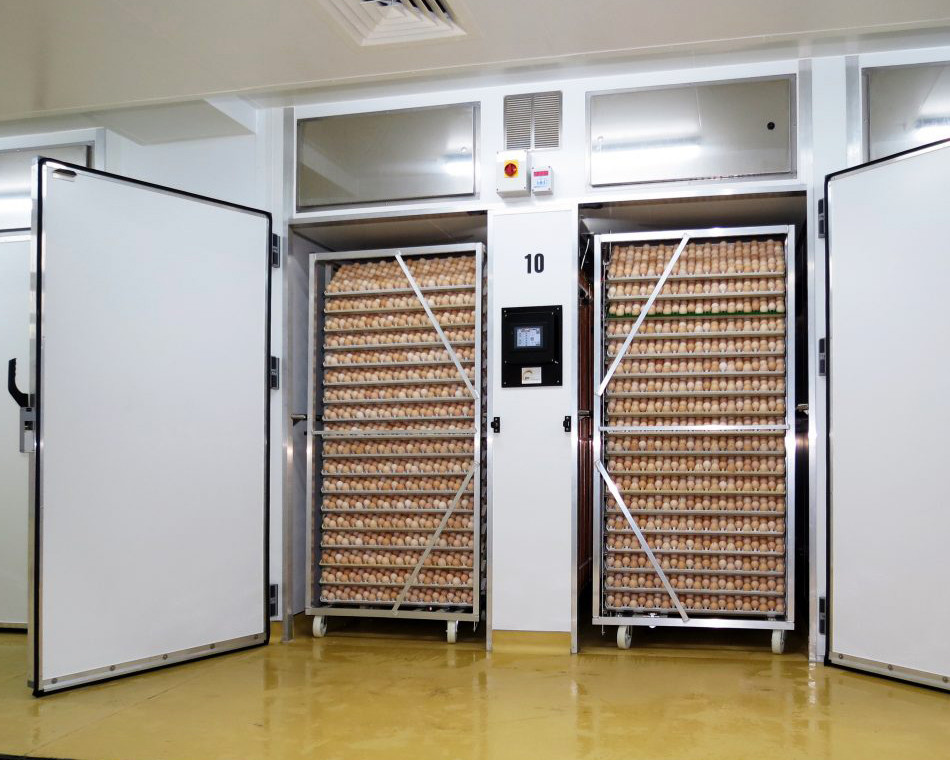 |
- Home
-
Products
- Pig Farming Equipment
- Cattle Farming Equipment
- Sheep & Goat Farming Equipment
- Poultry Farming Equipment
- Feeding & Drinking Systems
- Veterinary & Breeding Equipment
- Testing & Diagnostic Equipment
- Cleaning & Biosecurity Equipment
- Climate Control Equipment
- Livestock Weighing Equipment
- Manure & Waste Management
- Farm Transport & Handling
-
Solutions
- Pig Farm Solutions
- Dairy Farm Solutions
- Beef Cattle Farm Solutions
- Sheep & Goat Farm Solutions
- Layer Farm Solutions
- Broiler Farm Solutions
- Feeding & Drinking System Solutions
- Climate Control Solutions
- Biosecurity & Disinfection Solutions
- Manure & Waste Management
- Smart Farming Solutions
- Farm Renovation and Upgrade Solutions
- Partners
- Projects
- Resources
- News
- About Us
- Contact
Comments & Inquiries
Leave your questions or requirements below. We will reply as soon as possible.