
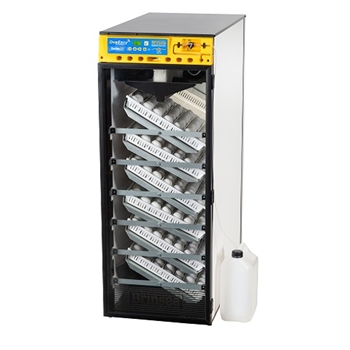
| Product Name | Single-Stage Poultry Incubator | ||||||||||||||||||||||||||||||
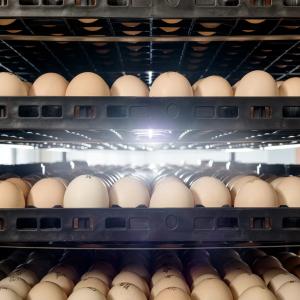
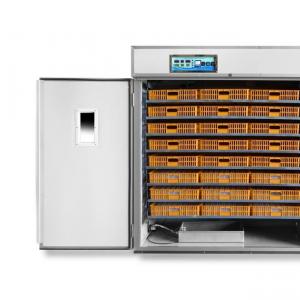
| Product Image | 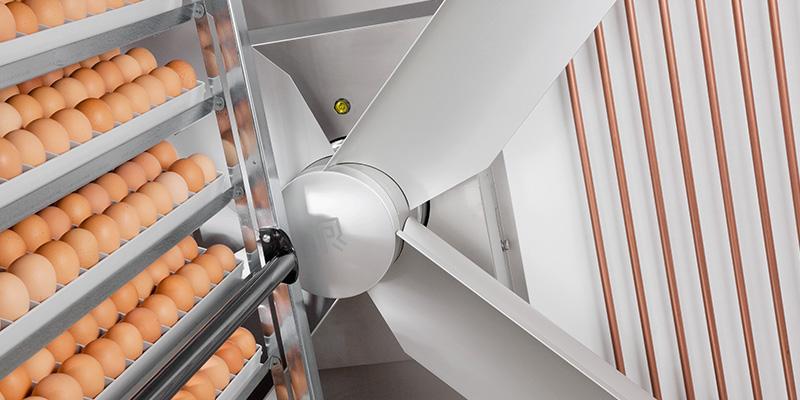 |
||||||||||||||||||||||||||||||
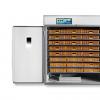
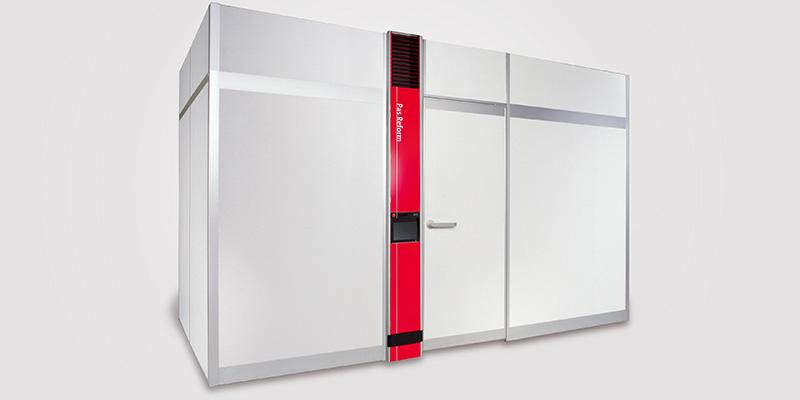
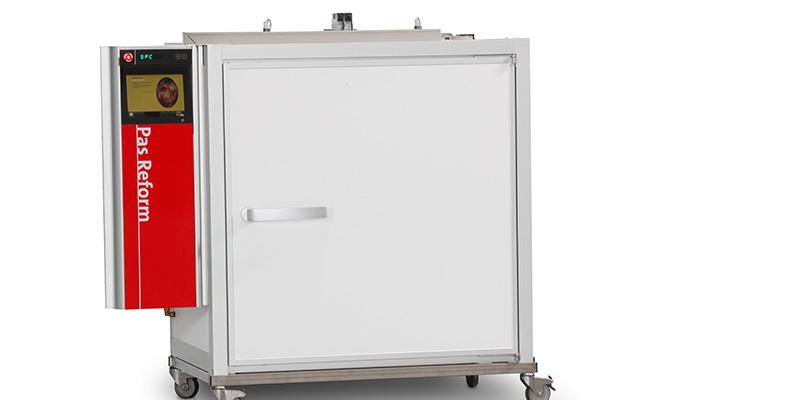
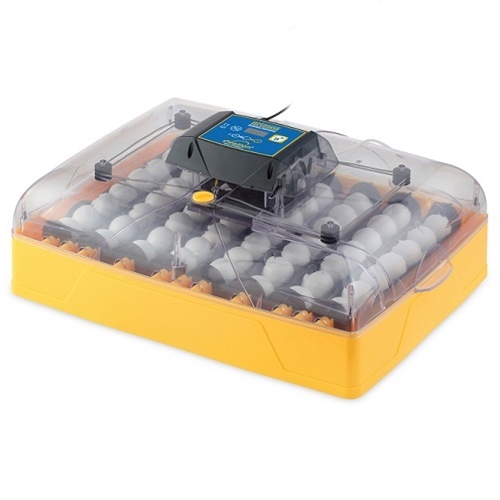
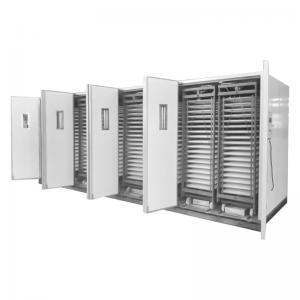
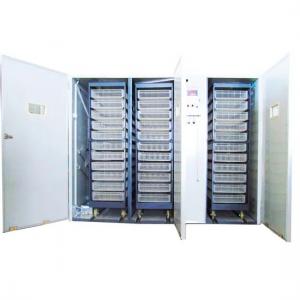
| Product Overview | The Single-Stage Poultry Incubator is a commercial hatchery setter designed to incubate one batch of eggs at the same embryonic age under a dedicated incubation program. Unlike conventional multi-stage systems, the temperature, humidity, ventilation and cooling conditions can be adjusted according to the changing metabolic requirements of each developing batch. The system combines automatic environmental control, forced-air circulation, egg turning and cooling to create uniform conditions throughout the incubation chamber. This approach is particularly suitable for modern broiler and layer hatcheries that require consistent incubation management, repeatable production schedules and high levels of process control. Modular configurations allow the incubator to be incorporated into new hatchery construction, steel structure building projects or existing poultry facility expansion programs. |
||||||||||||||||||||||||||||||
| Key Features |
|
||||||||||||||||||||||||||||||
| Structural Components |
|
||||||||||||||||||||||||||||||
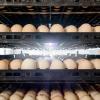
| Working Principle | In a single-stage incubation system, eggs of the same or closely matched embryonic age are loaded together and follow one complete incubation program. This enables environmental settings to change progressively as embryo development advances. During the early incubation period, the heating system maintains the required thermal environment. As embryos grow and produce more metabolic heat, cooling capacity and airflow become increasingly important. Temperature, humidity and ventilation can therefore be adjusted according to the requirements of the batch rather than balancing the different heat loads of several embryonic ages in the same chamber. Automatic turning periodically changes egg position, while the air circulation system distributes conditioned air through the egg trolleys. Fresh-air intake and exhaust are regulated according to hatchery operating requirements. At the end of the setter stage, eggs are normally transferred to a separate hatcher for the final phase of incubation. |
||||||||||||||||||||||||||||||
| Technical Specifications |
|
||||||||||||||||||||||||||||||
| Applications |
|
||||||||||||||||||||||||||||||
| Customization Options | The Single-Stage Poultry Incubator can be configured according to hatchery capacity, fertile egg type, weekly setting schedule, production flow and available building dimensions. Customizable items may include egg capacity, trolley quantity, tray configuration, chamber dimensions, cooling capacity, humidification system, ventilation interface, control functions and electrical specification. Complete hatchery solutions can be designed according to local climate and farm conditions, building layout, target chick output and future expansion requirements. |
||||||||||||||||||||||||||||||
| Installation & Maintenance | Installation planning should consider setter room dimensions, egg trolley routes, ventilation requirements, cooling water supply, drainage, electrical services and access for maintenance. The incubator should be installed on a stable and level floor with sufficient clearance for trolley movement and routine service. Fresh-air, exhaust, water and electrical connections should comply with the hatchery engineering design and local standards. Routine maintenance includes inspection of sensors, fans, turning mechanisms, cooling circuits, humidification components, door seals and electrical connections. Setter chambers, trays and trolleys should be cleaned and disinfected between incubation cycles according to hatchery biosecurity procedures. |
||||||||||||||||||||||||||||||
| Project Cases | Single-stage incubators are suitable for integrated hatchery projects where fertile eggs are grouped into scheduled batches and each batch receives a dedicated incubation profile. In large commercial hatcheries, multiple modular setters can be arranged to match weekly egg production and chick delivery schedules. For new steel structure hatchery buildings, incubator rooms can be coordinated with egg receiving, storage, pre-warming, candling, transfer, hatching, chick handling and sanitation areas during the project design stage. |
||||||||||||||||||||||||||||||
| Product FAQ | Q: What is single-stage poultry incubation? A: Single-stage incubation places eggs of the same or closely matched embryonic age in one incubator so climate settings can be adjusted specifically for that batch throughout embryo development. Q: How does single-stage incubation differ from multi-stage incubation? A: Multi-stage systems contain eggs at different embryonic ages, while a single-stage system manages one age group and can adjust heating, cooling and ventilation according to its development stage. Q: Does the incubator include automatic egg turning? A: Yes. Commercial configurations use an automatic turning mechanism during the setter stage. Q: Can egg capacity be customized? A: Yes. Capacity, trolley quantity and chamber configuration can be selected according to project requirements. Q: Can the system be used for different poultry breeds? A: Yes. Incubation programs can be selected according to breed, flock characteristics and hatchery management requirements. Q: Is a separate hatcher normally required? A: Yes. In conventional commercial hatchery layouts, eggs are transferred from the setter to a dedicated hatcher before chick emergence. Q: What information is required for quotation? A: Recommended information includes poultry species, weekly egg setting quantity, expected chick output, available hatchery dimensions, local electrical supply, cooling water conditions and required automation level. |
||||||||||||||||||||||||||||||
| Product Gallery | 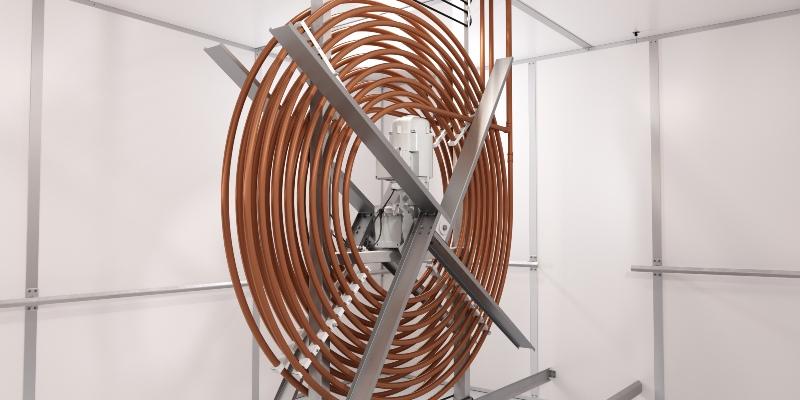 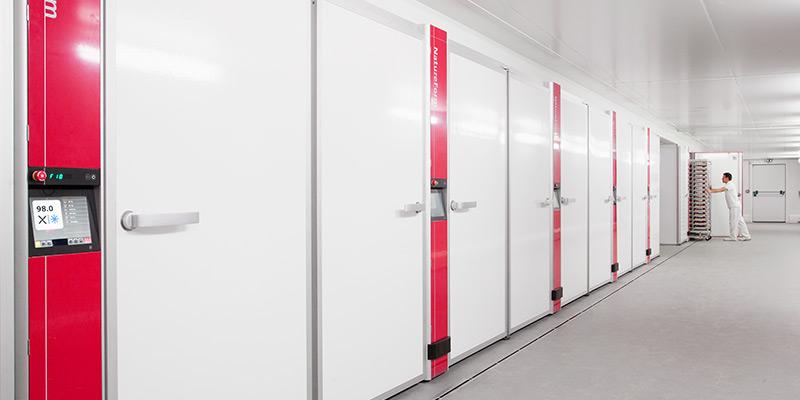 |
- Home
-
Products
- Pig Farming Equipment
- Cattle Farming Equipment
- Sheep & Goat Farming Equipment
- Poultry Farming Equipment
- Feeding & Drinking Systems
- Veterinary & Breeding Equipment
- Testing & Diagnostic Equipment
- Cleaning & Biosecurity Equipment
- Climate Control Equipment
- Livestock Weighing Equipment
- Manure & Waste Management
- Farm Transport & Handling
-
Solutions
- Pig Farm Solutions
- Dairy Farm Solutions
- Beef Cattle Farm Solutions
- Sheep & Goat Farm Solutions
- Layer Farm Solutions
- Broiler Farm Solutions
- Feeding & Drinking System Solutions
- Climate Control Solutions
- Biosecurity & Disinfection Solutions
- Manure & Waste Management
- Smart Farming Solutions
- Farm Renovation and Upgrade Solutions
- Partners
- Projects
- Resources
- News
- About Us
- Contact
Comments & Inquiries
Leave your questions or requirements below. We will reply as soon as possible.